
Race Walking
Endurance walking with technique and speed

Overview
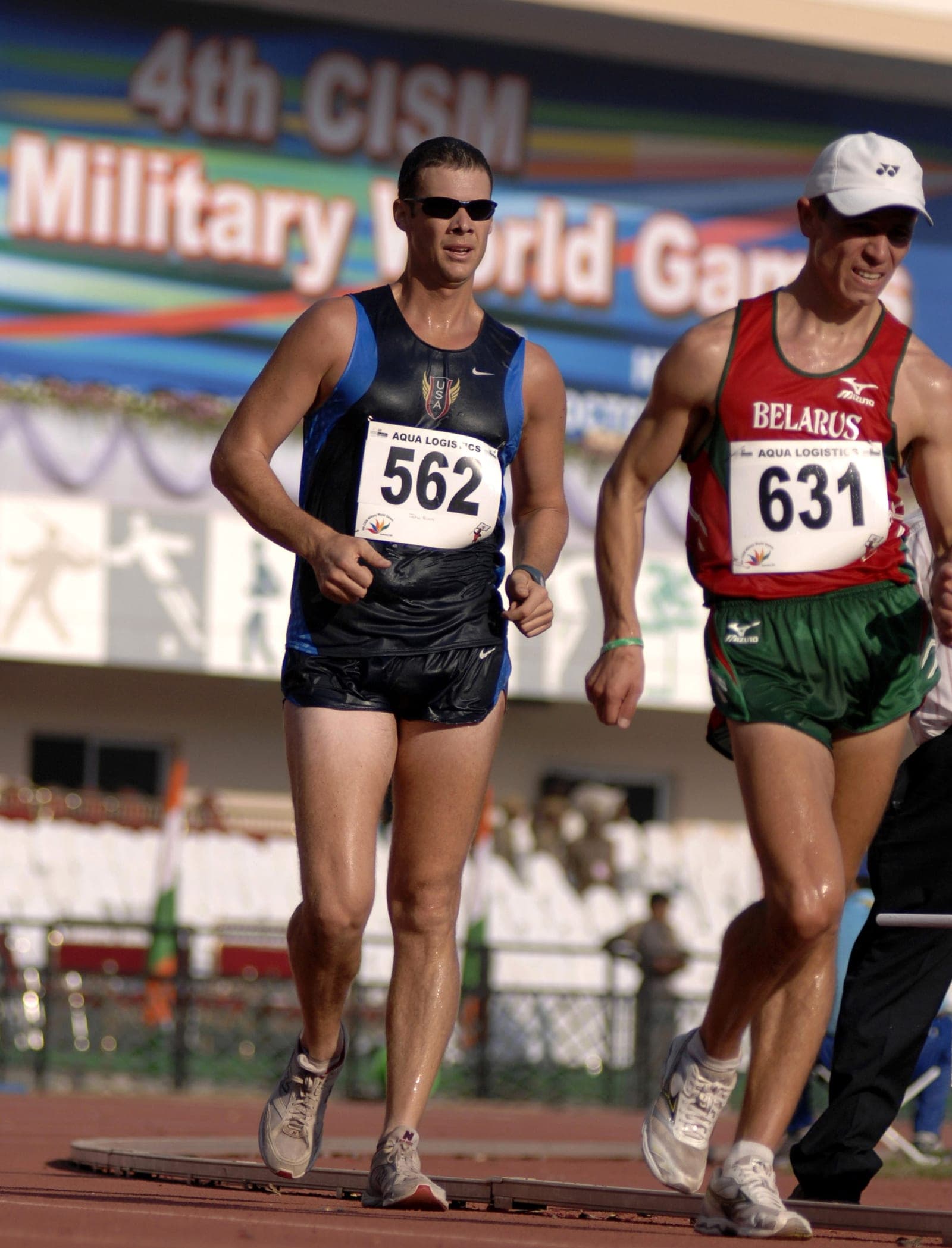
Race walking is a competitive endurance discipline built around a specific technique: one foot stays in contact with the ground at all times, and the leading leg is kept straight as it passes underneath the body. These rules distinguish it from running and give the sport its distinctive, efficient stride.
Because there is no airborne phase, race walking is lower in impact than running while still allowing sustained, brisk effort over distance. Mastering the technique takes practice, but it rewards patience with a highly efficient way to cover ground and build aerobic fitness.
Why race walking is good for your health
- Builds cardiovascular fitness with lower impact than running
- Develops the legs, hips and core through an efficient stride
- Improves posture, coordination and controlled movement
- A sustainable way to train aerobically over longer distances
The social side
- Athletics clubs offer coaching and a friendly group setting
- Training with others helps refine and check technique
- Organised events welcome a range of paces and abilities
How to start as a beginner
- 1Learn the two core rules — ground contact and a straight leading leg
- 2Practise the technique slowly before trying to build speed
- 3Consider guidance from an athletics club or coach to groove good form
- 4Increase distance gradually as the movement starts to feel natural
Equipment you’ll need
- Lightweight, flexible running or walking shoesEssential
- Comfortable, breathable sportswearEssential
- A water bottle for longer sessionsOptional
- Access to a track or a flat, quiet routeOptional
Where to play
Race Walking is typically played at:
Explore clubs and venues to understand the different places you can play, or see how to find people to play with.
Playing Race Walking
The equipment, rules, skills and more that make up the game — each cross-linked into the encyclopedia.
Related sports to explore
If you enjoy Race Walking, you might also like these.
Running
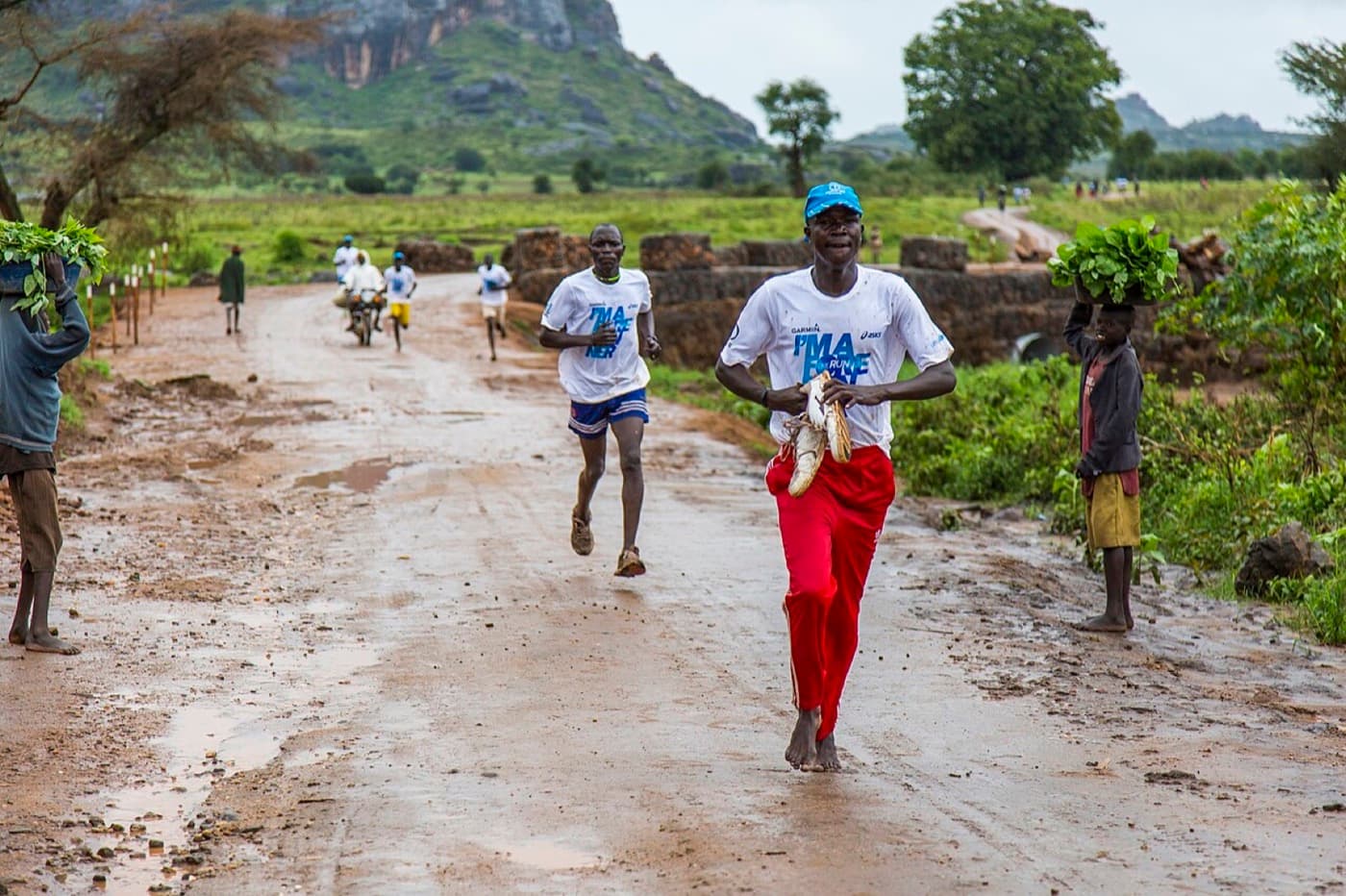
The most accessible endurance sport — no venue, just shoes and the open road or trail.
Nordic Walking
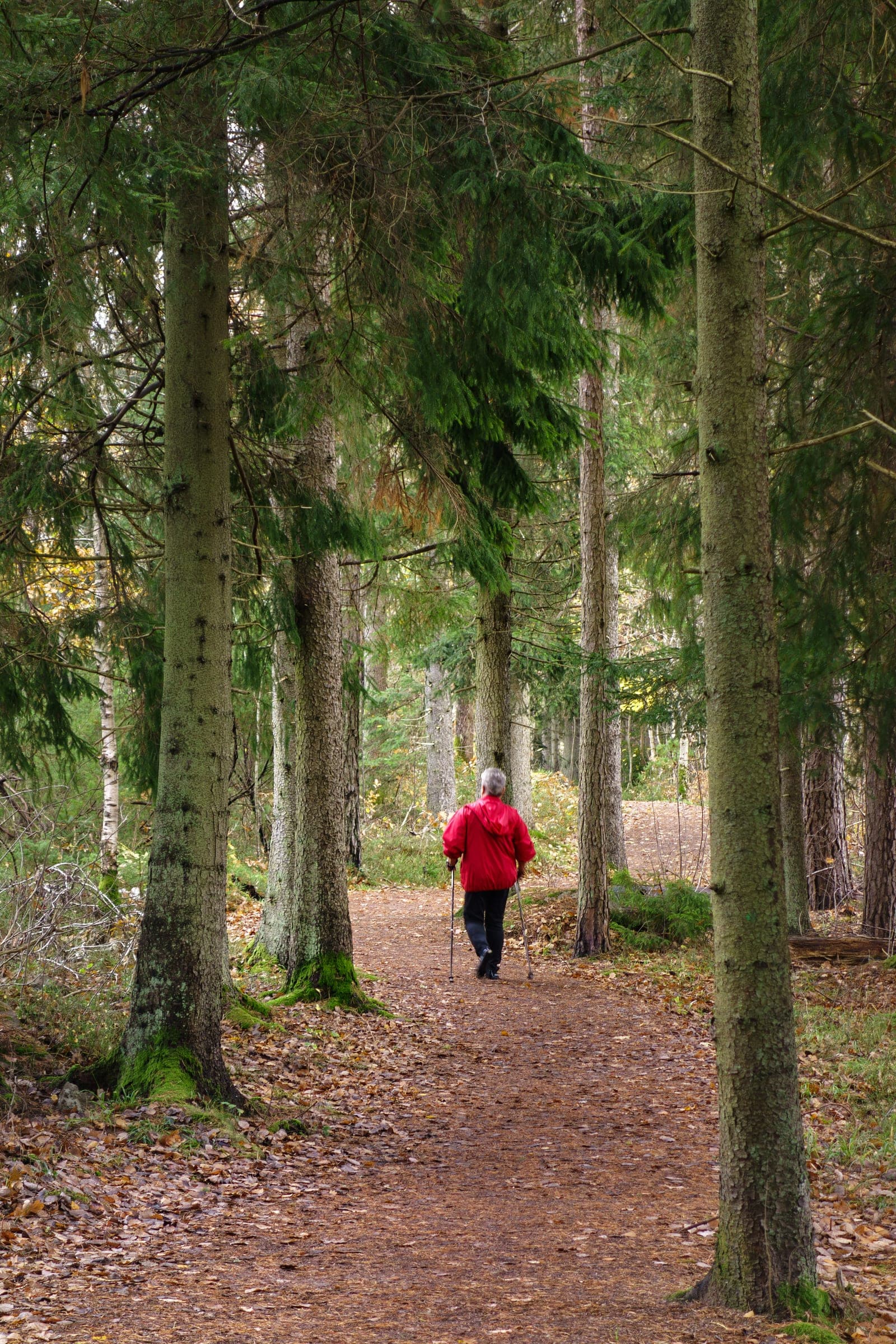
A gentle, accessible endurance activity that adds poles to bring the upper body into every walk.
Trail Running
Running off-road on trails, hills and natural terrain, away from pavements and traffic.
Hiking
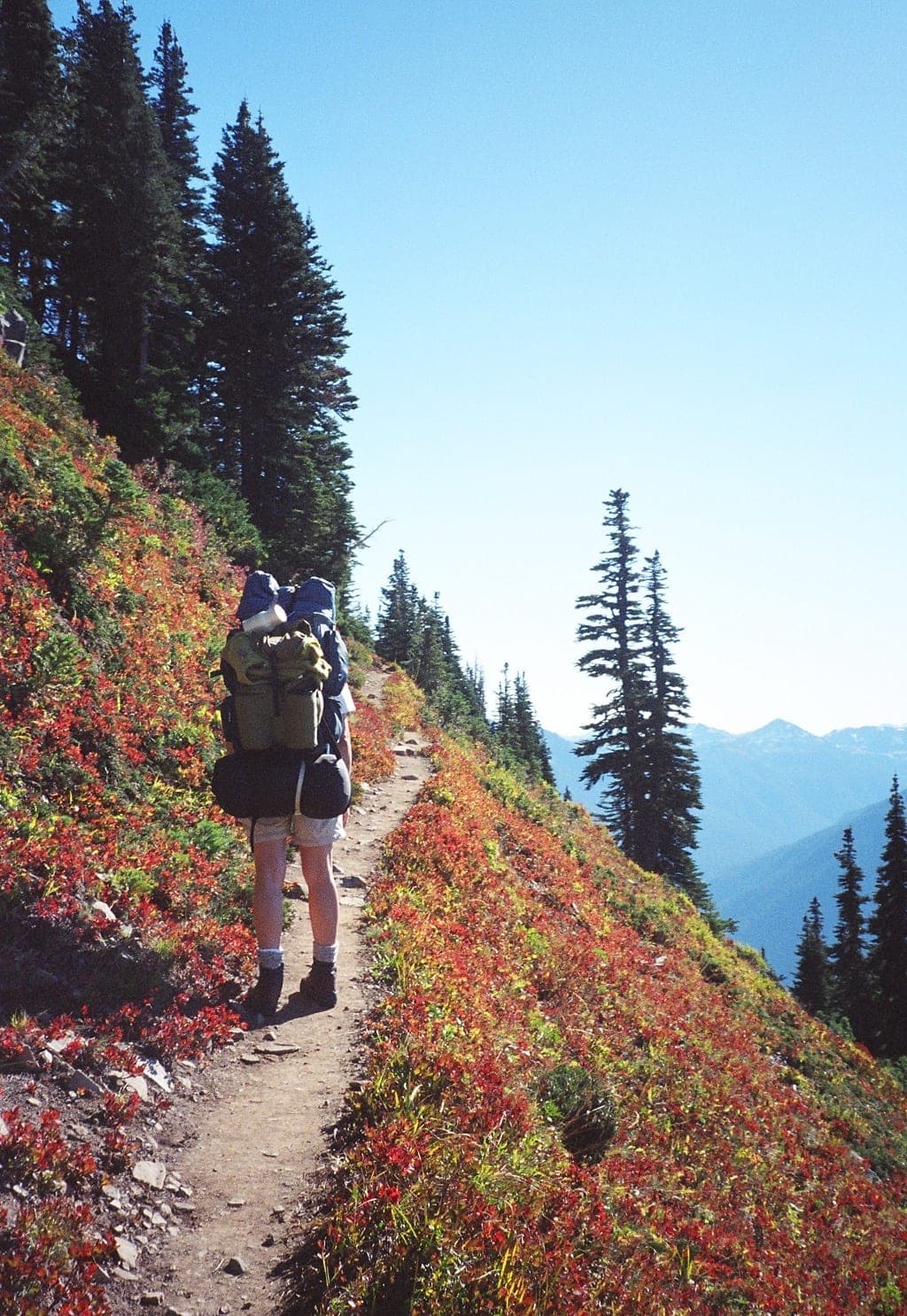
An accessible outdoor sport of walking natural trails and hills at your own pace, solo or in a group.
Compare Race Walking with…
Deciding between Race Walking and something similar? See how they line up side by side.
Hiking vs Race Walking
How they compare on difficulty, intensity, kit and what suits you.
Nordic Walking vs Race Walking
How they compare on difficulty, intensity, kit and what suits you.
Race Walking vs Running
How they compare on difficulty, intensity, kit and what suits you.
Race Walking vs Trail Running
How they compare on difficulty, intensity, kit and what suits you.
Who & where Race Walking fits
Sport should fit your life. Here is who Race Walking suits and when it works.
How it connects
The meaning-bearing relationships that place Race Walking in the wider knowledge graph — each one with the reason it exists.
Alternative to
Comparable enough that people choose between them.
- HikingRace Walking and Hiking are close enough that the platform maintains a side-by-side comparison of them.
- Nordic WalkingRace Walking and Nordic Walking are close enough that the platform maintains a side-by-side comparison of them.
- RunningRace Walking and Running are close enough that the platform maintains a side-by-side comparison of them.
- Trail RunningRace Walking and Trail Running are close enough that the platform maintains a side-by-side comparison of them.
Supported by
These help the training or recovery side of this.
Explore across the knowledge base
Follow the threads that connect Race Walking to the rest of SocialSportHub.
Glossary
- False startAn infringement in racing when a competitor begins to move before the official starting signal.
- DigA defensive move in volleyball to keep the ball in play after a hard-driven attack such as a spike.
- Fast breakAn attacking play in basketball where a team pushes the ball up the court quickly to score before the defence is set.
- WalkoverA win awarded to one side because the opponent does not start, withdraws, or is absent.
Movement patterns
- GaitThe cyclic, alternating single-leg pattern of walking and running that carries the body across the ground — the base of most field and endurance sport.
- ThrowPropelling an object by releasing it from the hand, driven by a proximal-to-distal kinetic-chain sequence that summates speed from the legs through the trunk and arm to the release point.
Healthy living
- Recovery walkingEasy, relaxed walking used as a way to recover — a low-effort way to keep moving on off days and after harder sessions.
- WalkingThe most accessible activity there is — free, low-impact, and one of the easiest ways to add movement to any day.
- Active CommutingBuilding movement into the journey to work or school — walking or cycling all or part of the way, so travel time doubles as active time.
Go deeper with Race Walking
Everywhere else on the platform that covers Race Walking — assembled from what actually references it, so nothing here is a dead end.
Compare it
Head-to-head studies against the entities people actually weigh it against.
Kit it out
Equipment guidance drawn from the graph, with no brands and no affiliate links.
Take it away
Open data and the whole-platform view of this subject.
How this page is maintained
- Content type
- Sport
- Provenance
- Tier A — evergreen educational
- Verified external sources
- 0
- Content updated
- 2026-07-06
Evergreen, first-party explanation — it makes no claim that needs an external source. How we handle sources and reviews.
Keep going
A sport is most rewarding alongside good habits, sensible nutrition and people to share it with. Here is where to go next.
How movement supports body and mind.
Eat well to feel and perform better.
Build routines that stick.
Ways to meet others and play together.
Where to play and what to expect.
Browse the full list by category.