
How to Join a Beginner Group or Class
A warm, practical walk-through of joining a beginner sports group or class — what they are like, how to find one, and what a first session tends to feel like.
Trying a new sport is almost always easier alongside other people than on your own. A beginner group or class gives you a bit of structure, a friendly face, and someone to show you how things work — so the newness feels far less daunting than turning up cold and hoping to figure it out.
This guide is about the practical side of getting through the door: what these groups are actually like, how to find one, and how a first session tends to run. It is not about which skills you will learn — a learning curriculum covers that. It is about turning up with a little more confidence.
What a beginner group or class is like
A beginner group or class is simply a regular, organised session where people who are newer to a sport learn and play together, usually with a coach, instructor or experienced member leading. The atmosphere is generally relaxed and social, because the whole point is that everyone there is still learning.
Two common shapes exist. Beginner-only sessions bring together people who are all starting from a similar place. Mixed-ability groups let newcomers train alongside more experienced players. Both are completely normal, and both can be a good fit — one is not automatically 'better' than the other. You do not need any background, kit knowledge or sporting pedigree to belong; most beginner sessions are built around people arriving with none of those things.
- Beginner-only groups can feel less intimidating for a very first go.
- Mixed-ability groups let you pick things up by watching more experienced players.
- A 'taster', 'come and try' or 'open' session is a low-commitment way to sample either format.
How to find a group or class
There is no single directory that suits everyone, but a few conceptual routes work almost anywhere. Searching online for the sport alongside words like 'beginners', 'class', 'club' or 'taster' is usually the quickest start. Local leisure centres, community sports halls, gyms and courts often run or host beginner sessions, so asking a venue directly — in person, by phone, or via their noticeboard — frequently surfaces options a search will miss. National or regional governing bodies also tend to list clubs affiliated with them.
You can also look to connect with other people around a sport through SocialSportHub's find-people area — think of it as a way to reach fellow players rather than a listing of specific clubs. Wherever a session comes from, a taster or trial visit is the best way to see whether it suits you before you commit to anything.
- Try searching '[sport] beginners near me' or '[sport] taster session'.
- Ask at leisure centres, sports halls and courts — many host beginner classes.
- Check a national or regional governing body for affiliated clubs.
- Word of mouth counts — someone you already know may play and can bring you along.
What a first class tends to feel like
Most first sessions follow a friendly, fairly predictable shape. You will usually arrive a little early, introduce yourself to whoever is leading, and there is often a gentle warm-up before any drills or games begin. Coaches and regulars expect new faces and tend to explain things as they go, so you are rarely left to guess what to do.
Feeling a bit nervous or clumsy at the start is completely normal and shared by almost everyone who has ever begun a sport. Nobody expects you to be good on day one — the value is simply in showing up and joining in. If something is unclear, asking is welcomed rather than judged, and you are free to set your own pace throughout.
- Arrive a few minutes early to introduce yourself and settle in.
- Let the coach know it is your first time — they will keep an eye out for you.
- It is fine to sit a drill out or ask a question at any point.
Choosing what suits you
Whether a beginner-only or a mixed-ability group suits you better comes down to comfort and what you enjoy. If in doubt, try one of each — many people move between formats as their confidence grows, and there is no wrong choice. You can always change your mind after a session or two.
One thing worth handling before you start: if you have any health conditions, injuries, or questions about whether a particular activity is right for you, it is best to check with a qualified professional such as a doctor first. Coaches and groups can adapt a great deal, but questions about your own suitability are best answered by someone qualified to give that advice.
Common questions
- Do I need to be fit or experienced to join a beginner group?
- Generally no. Beginner groups are designed for people with little or no experience, and coaches adapt sessions to whoever turns up. Fitness tends to build naturally through taking part. If you have any health concerns, or a condition that might affect exercise, it is sensible to check with a qualified professional such as a doctor before you start.
- What if I am the only complete beginner there?
- In a mixed-ability group you may not be the newest by much, and that is common and rarely a problem — most experienced players remember starting out and are happy to help. If you would feel more comfortable surrounded by other newcomers, look specifically for a beginner-only or taster session.
A note for beginners
Sports to explore
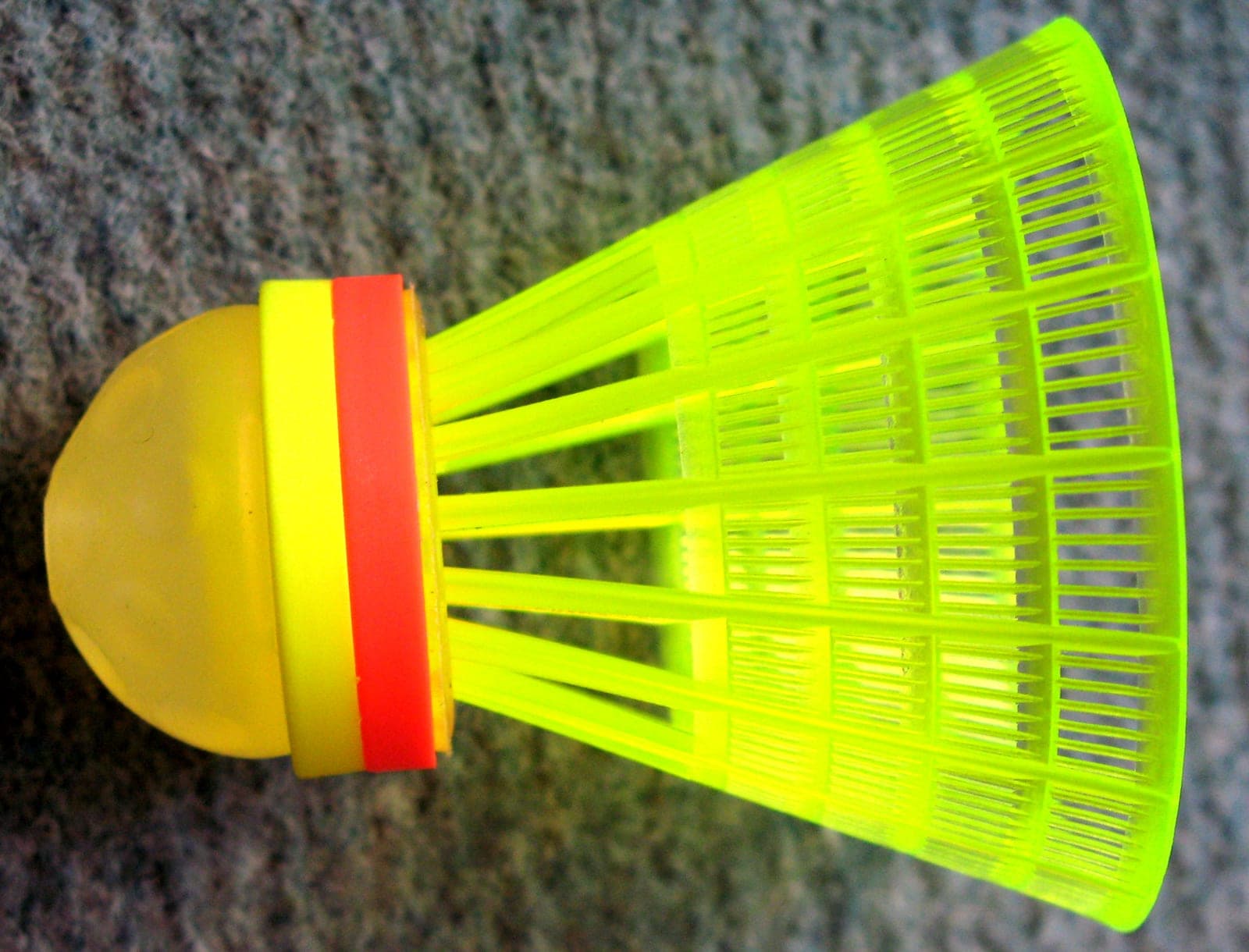
Badminton
A fast indoor racquet sport played with a shuttlecock that rewards agility and touch.
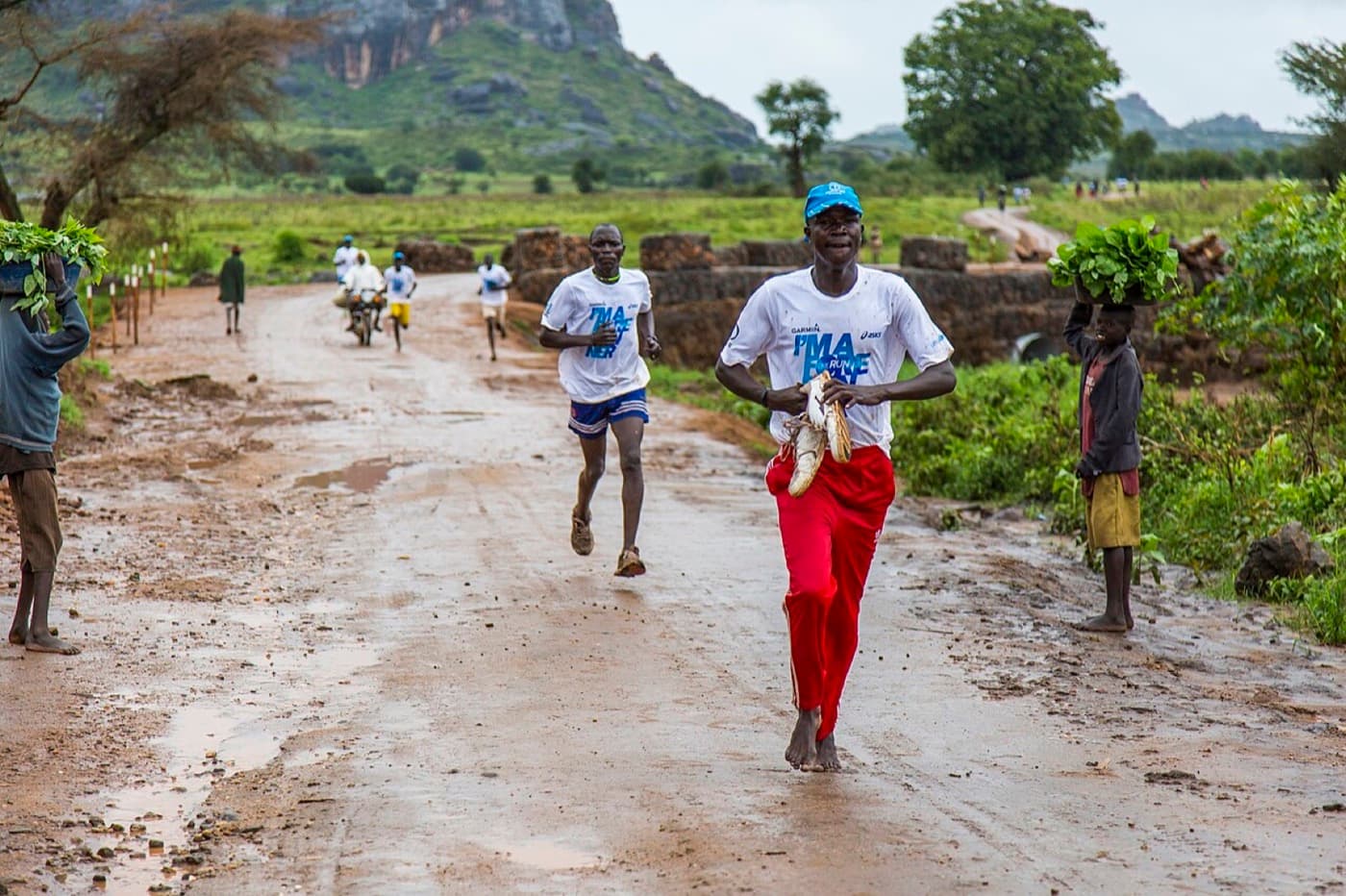
Running
The most accessible endurance sport — no venue, just shoes and the open road or trail.
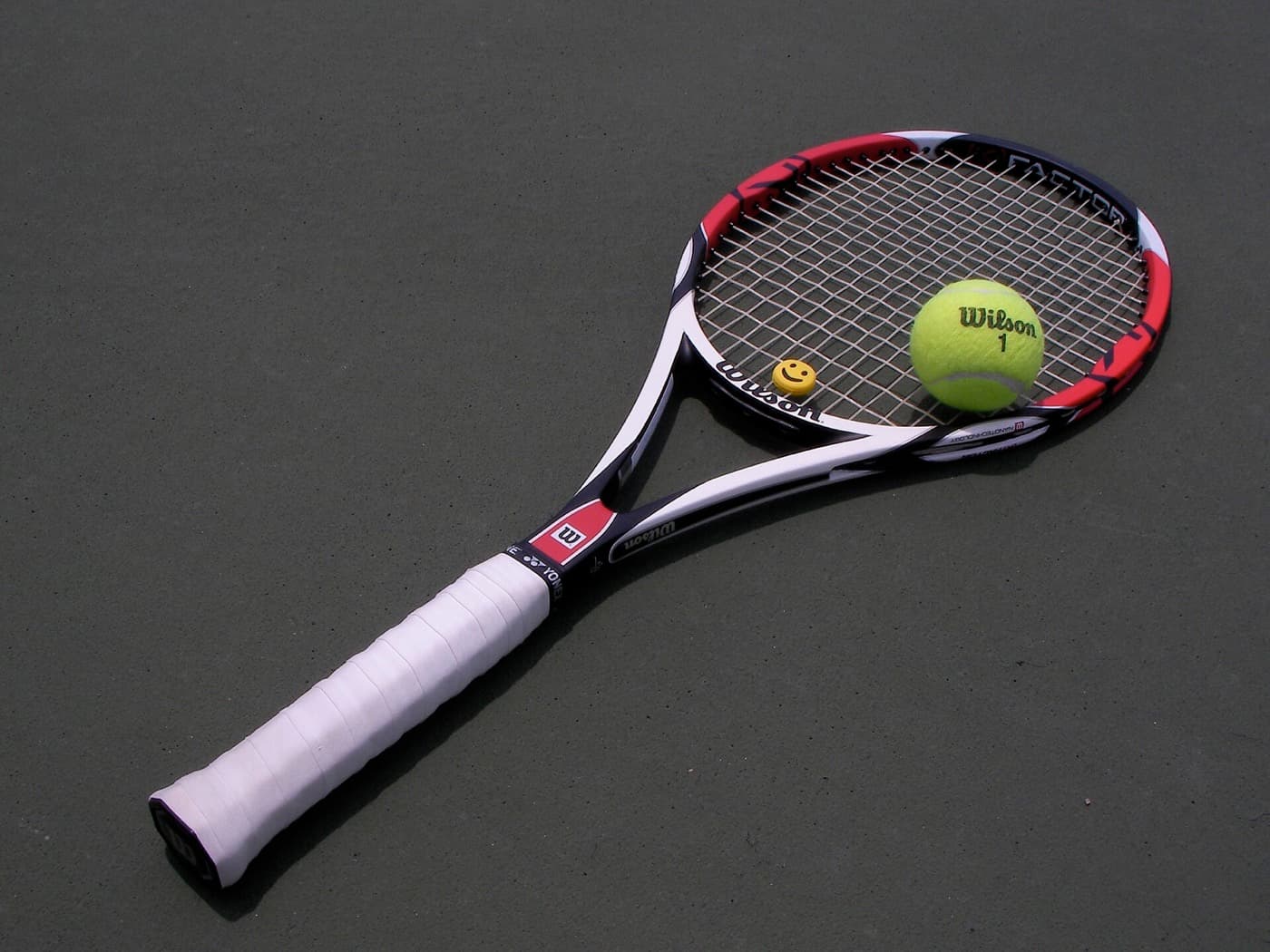
Tennis
A singles or doubles racquet sport that blends agility, strategy and stamina on court.
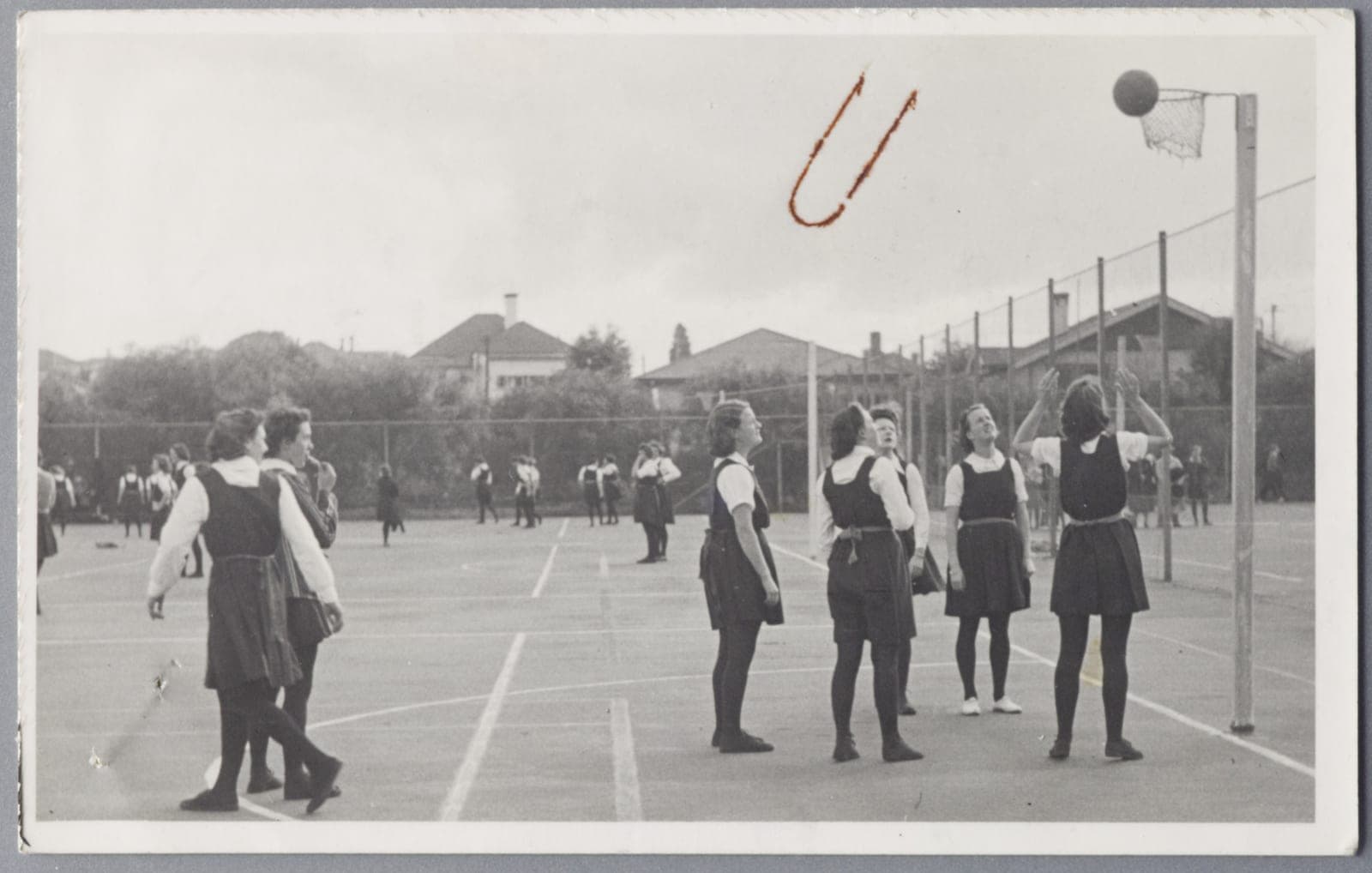
Netball
A non-contact, position-based team sport of quick passing and accurate shooting.
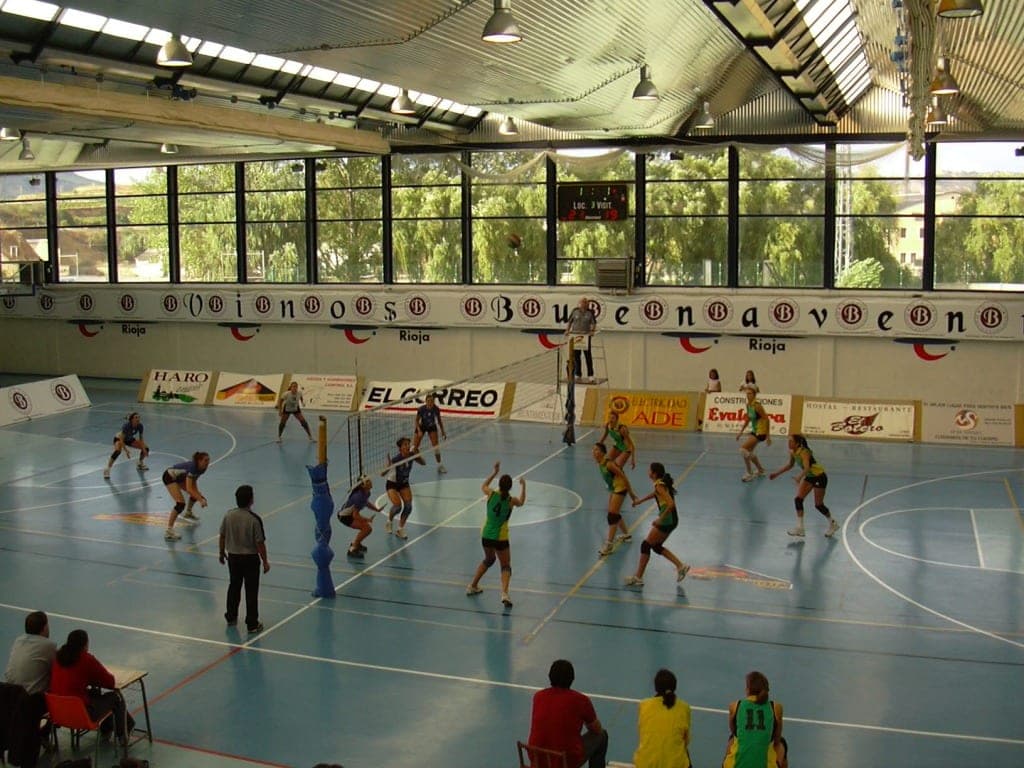
Volleyball
A non-contact team sport of rallies, jumps and teamwork — indoors or on the beach.
Words you might hear
Grassroots
The foundational, community level of a sport where most people first take part, typically local, youth and recreational play.
Amateur
An athlete or competition category defined by taking part without payment, as distinct from professional sport.
Friendly
A match played outside any official competition, arranged for practice, fitness or exhibition rather than points or trophies.
Drill
A drill is a structured, repeatable practice activity designed to develop a specific skill, movement, or tactical pattern.
More beginner guides
How to Choose a Sport as a Beginner
A calm, practical way to pick a first sport that fits your interests, your body, your budget and your life — with full permission to try a few and change your mind.
How to Prepare for Your First Session
A calm, practical walkthrough of getting ready for your very first session of any sport — arriving prepared, easing the nerves, and setting one small, realistic aim.
What to Bring to Your First Session
Most first sessions need far less than people expect — water, clothes you can move in, footwear that suits the surface and a few personal bits usually cover it, with any sport-specific kit noted on each sport's first-session page.
Beginner Clothing and Equipment Basics
A calm, practical guide to what to wear and bring for a first session — comfort and freedom of movement first, borrow or hire before you buy, and footwear that matches the surface.
Explore across the knowledge base
Follow the threads that connect How to Join a Beginner Group or Class to the rest of SocialSportHub.
Sports
- BadmintonA fast indoor racquet sport played with a shuttlecock that rewards agility and touch.
- RunningThe most accessible endurance sport — no venue, just shoes and the open road or trail.
- TennisA singles or doubles racquet sport that blends agility, strategy and stamina on court.
- NetballA non-contact, position-based team sport of quick passing and accurate shooting.
- VolleyballA non-contact team sport of rallies, jumps and teamwork — indoors or on the beach.
Glossary
- GrassrootsThe foundational, community level of a sport where most people first take part, typically local, youth and recreational play.
- AmateurAn athlete or competition category defined by taking part without payment, as distinct from professional sport.
- FriendlyA match played outside any official competition, arranged for practice, fitness or exhibition rather than points or trophies.
- DrillA drill is a structured, repeatable practice activity designed to develop a specific skill, movement, or tactical pattern.
- ActivationActivation refers to warm-up exercises that switch on and prime specific muscles so they contribute properly during the main session.
Knowledge Atlas
Knowledge
- How to find people to play sport withPractical ways to find partners, groups and clubs so you never have to train alone — from local sessions to beginner leagues.
- The best sports for beginnersThe most beginner-friendly sports to try first — why they are easy to start, what you need and how to take the first step.
How this page is maintained
- Content type
- Beginner guide
- Provenance
- Tier A — evergreen educational
- Verified external sources
- 0
- Content updated
- 2026-07-13
Evergreen, first-party explanation — it makes no claim that needs an external source. How we handle sources and reviews.