
Activation
Activation refers to warm-up exercises that switch on and prime specific muscles so they contribute properly during the main session.
Definition
In a training context, activation describes light, targeted exercises performed early in a session to recruit and 'wake up' particular muscles before harder work. Common examples are glute bridges, band walks, and scapular drills, often done as part of a warm-up. The intent is for the intended muscles to be contributing effectively when the main lifts, sprints, or skills begin, rather than being sluggish or under-used.
Activation work is usually low in load and high in control, prioritising quality of movement over fatigue. It frequently sits alongside mobility drills in a movement-preparation routine. The term is used loosely in coaching; it describes preparing muscles to participate, not a medical or clinical intervention.
Scope: Educational warm-up practice; not a clinical or diagnostic term.
Where you’ll hear “activation”
Sports that use this term:

Fitness
Strength and general fitness training — the foundation that supports every other sport.

Running
The most accessible endurance sport — no venue, just shoes and the open road or trail.
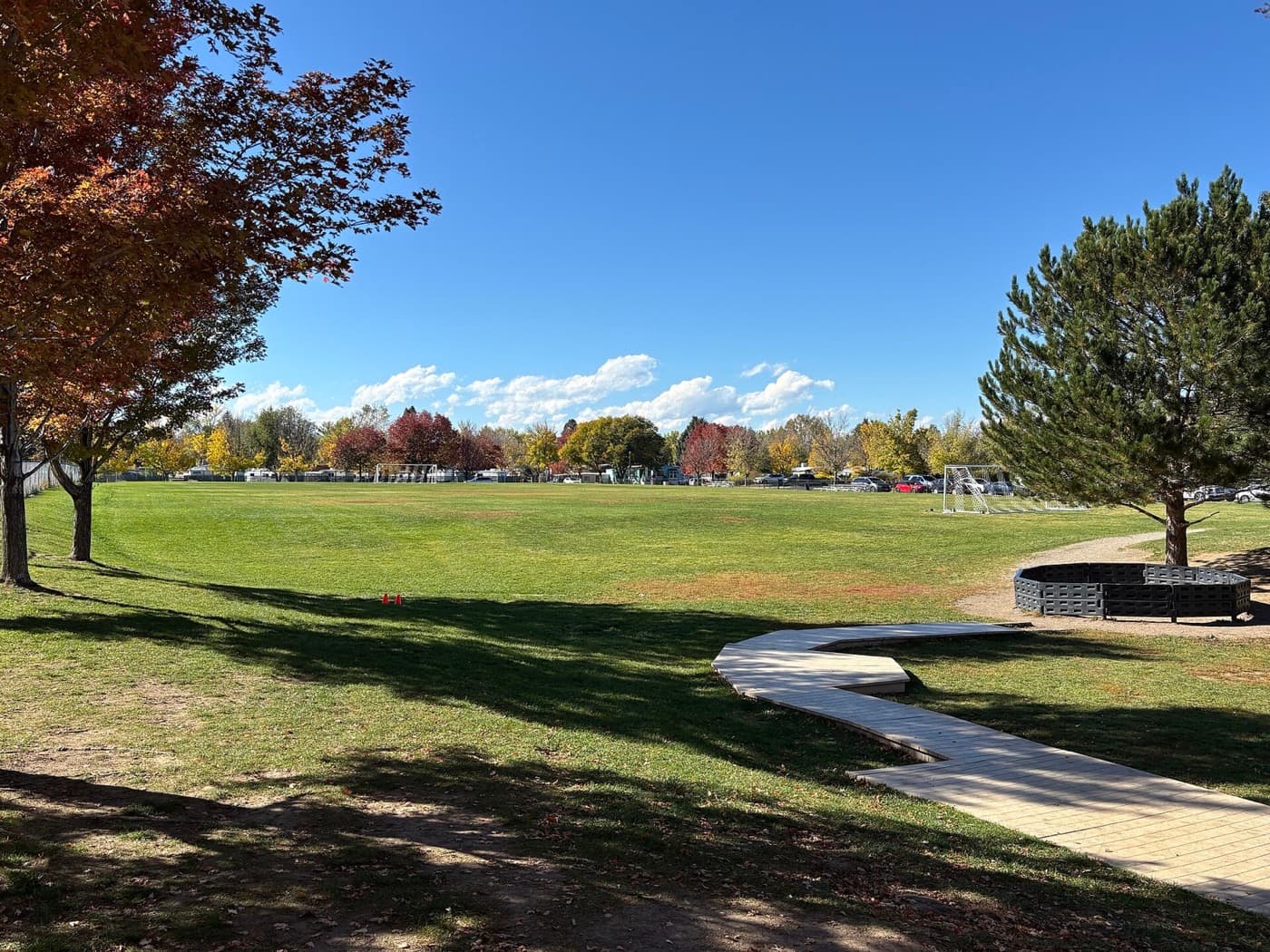
Football
The world’s most popular team sport — endless running, teamwork and community in one game.
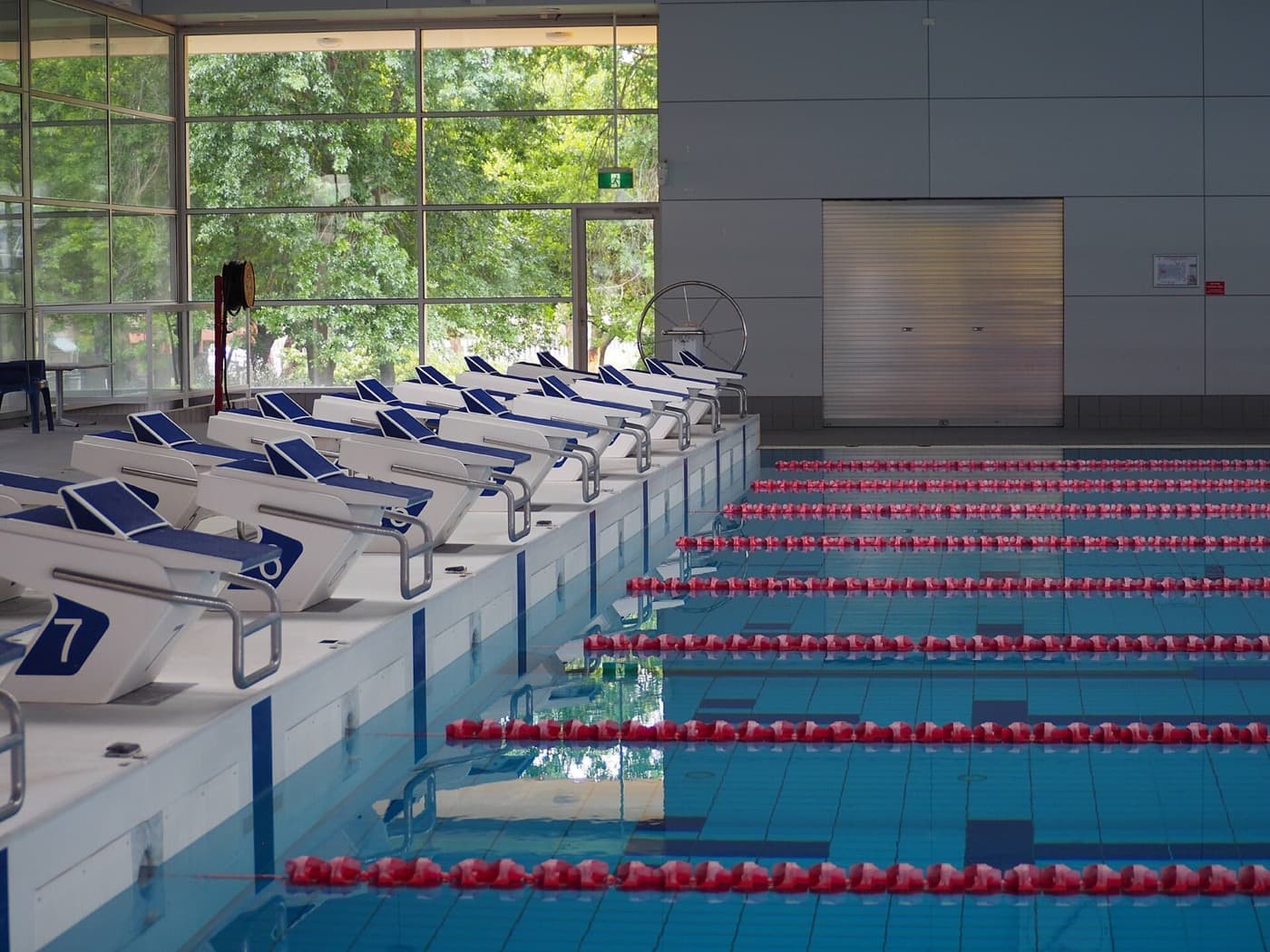
Swimming
A full-body, low-impact endurance sport suitable for almost every age and ability.
How it connects
The meaning-bearing relationships that place Activation in the wider knowledge graph — each one with the reason it exists.
Commonly confused with
Close enough to be mixed up — the distinction is worth knowing.
Explore across the knowledge base
Follow the threads that connect Activation to the rest of SocialSportHub.
Beginner guides
- How to Prepare for Your First SessionA calm, practical walkthrough of getting ready for your very first session of any sport — arriving prepared, easing the nerves, and setting one small, realistic aim.
- How to Join a Beginner Group or ClassA warm, practical walk-through of joining a beginner sports group or class — what they are like, how to find one, and what a first session tends to feel like.
- Your first running sessionA warm, honest picture of what a first running session actually feels like — so you can turn up relaxed, run at a comfortable effort, and enjoy it without any pressure to be fast.
- Your first football sessionA warm, practical picture of what actually happens when you turn up to your very first football session — how it runs, what surprises beginners, and how to enjoy it without any pressure.
- Your First Padel SessionA warm, honest look at what your very first padel session actually involves — the doubles court, the walls, and the easygoing rallying that makes it so welcoming to newcomers.
Goals
Go deeper with Activation
Everywhere else on the platform that covers Activation — assembled from what actually references it, so nothing here is a dead end.
Take it away
Open data and the whole-platform view of this subject.
How this page is maintained
- Content type
- Term
- Provenance
- Tier A — evergreen educational
- Verified external sources
- 0
- Content updated
- 2026-09-01
Evergreen, first-party explanation — it makes no claim that needs an external source. How we handle sources and reviews.