
Chest
The broad muscles across the front of the ribcage that push the arms forward and across the body.
Overview
The chest muscles — chiefly the pectoralis major, with the smaller pectoralis minor beneath — form the broad muscular sheet across the front of the ribcage, fanning out to attach to the upper arm.
Their main action is pushing and drawing the arms forward and across the body: think of a press-up, pushing a door or a throwing action. They work closely with the shoulders and triceps in most pushing movements.
Good to know
- The main "pushing" muscle of the upper body
- Works together with the shoulders and triceps
- Involved in throwing, pushing and pressing actions
Where it’s used
Sports this relates to:
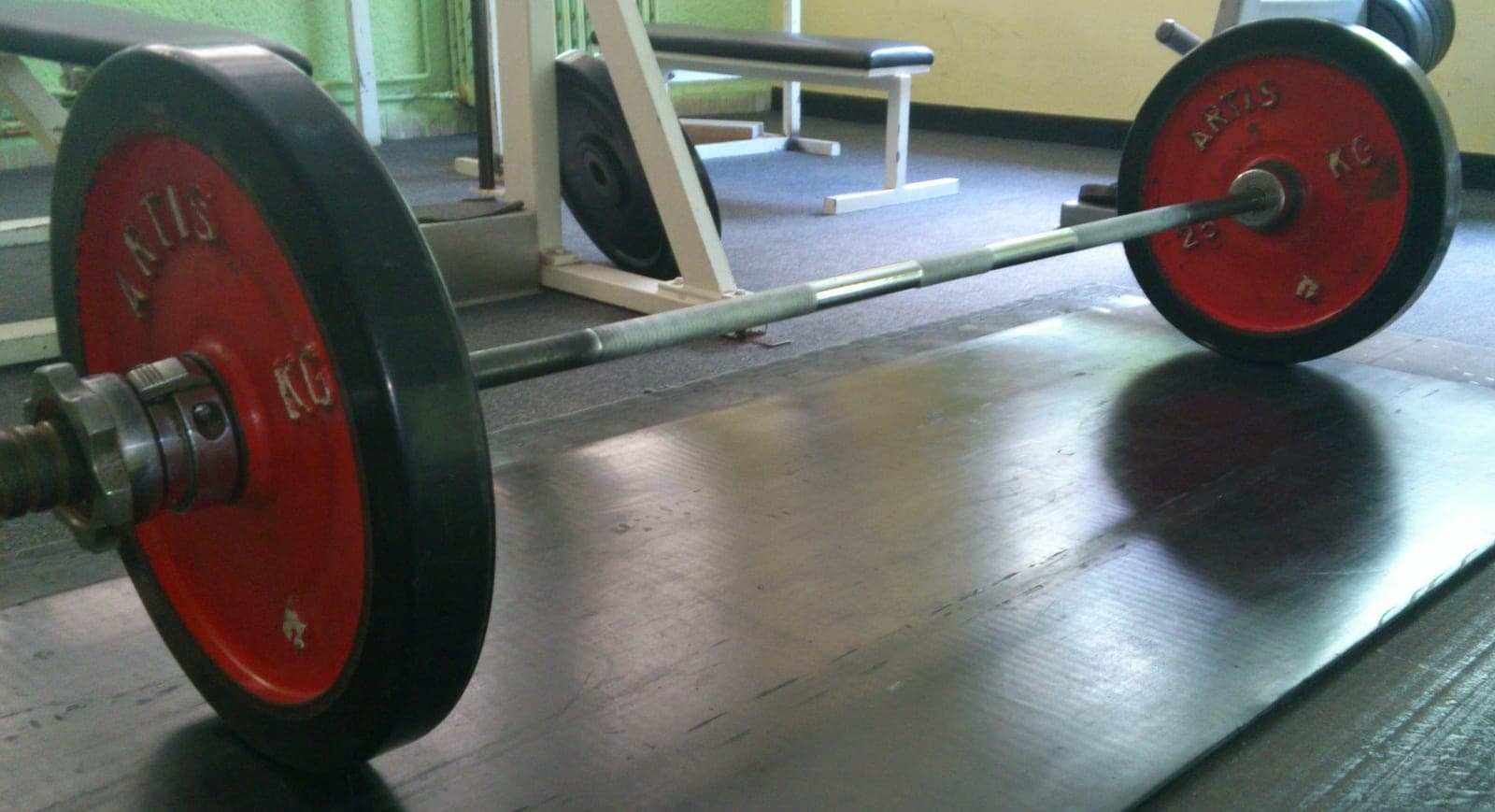
Weightlifting
A technical strength sport built around lifting a loaded barbell overhead with speed and control.
Calisthenics
Bodyweight strength training — push-ups, pull-ups, dips and progressions you can do almost anywhere.

Boxing
A striking combat sport built on footwork, timing and conditioning, practised from fitness drills to controlled sparring.

Swimming
A full-body, low-impact endurance sport suitable for almost every age and ability.
Exercises that work the chest
Push-up
A classic upper-body pushing exercise where you lower and press your body up from the floor.
Bench press
A pressing exercise lying on a bench, lowering a weight to the chest and pushing it back up.
Tricep dip
A pushing exercise where you lower and raise your body using your arms on parallel bars or a bench.
Burpee
A full-body exercise combining a squat, a plank, and a jump in one flowing movement.
Explore across the knowledge base
Follow the threads that connect Chest to the rest of SocialSportHub.
Training methods
- Circuit TrainingCircuit training moves you through a series of stations back to back with little rest, blending strength and cardio into one time-efficient session.
- Strength TrainingStrength training uses resistance — bodyweight, bands or weights — to challenge your muscles so they gradually adapt and get stronger over time.
- Hypertrophy TrainingHypertrophy training is resistance work structured to encourage muscle growth, typically using moderate repetitions and a steady, controlled tempo.
- Progressive OverloadProgressive overload is the principle of gradually increasing the demand you place on your body so it keeps adapting and improving over time.
Training plans
- Beginner Full-Body WeekA general example of a simple full-body week that spreads a push, a pull, a lower-body movement and some core evenly across three unhurried sessions.
- Beginner Strength WeekA general example week for someone learning the basic strength movements, built around a few short, technique-focused sessions with plenty of rest.
- Home Bodyweight WeekA general example week of short, equipment-free bodyweight sessions you can do at home, built from simple movements like squats, push-ups and planks.
- Three-Day Split ExampleA general example of a simple three-day training split that divides the week into a few focused sessions with rest built in between.
Movement patterns
- PushPressing a load or the body away from the torso — horizontally or overhead — by extending the shoulders and elbows, developing the chest, shoulders and triceps.
- StrikeA ballistic, whole-body hitting action that channels ground-generated force through a proximal-to-distal kinetic chain to deliver momentum to a target via the hand, an implement or a body part at the moment of contact.
Positions
- HookerThe hooker is a front-row forward in rugby who wins the ball in the scrum and typically throws the ball into the line-out.
- Rugby union forwardsThe eight players who contest the set piece — front row, locks and back row — what each unit does at scrum, lineout and breakdown, and why the roles are so specialised.
Go deeper with Chest
Everywhere else on the platform that covers Chest — assembled from what actually references it, so nothing here is a dead end.
Take it away
Open data and the whole-platform view of this subject.
How this page is maintained
- Content type
- Muscle group
- Provenance
- Tier A — evergreen educational
- Verified external sources
- 0
- Content updated
- 2026-07-06
Evergreen, first-party explanation — it makes no claim that needs an external source. How we handle sources and reviews.