
Beginner Full-Body Week
A general example of a simple full-body week that spreads a push, a pull, a lower-body movement and some core evenly across three unhurried sessions.
Overview
A full-body week is one of the simplest ways to start training. Instead of dedicating each day to one area, every session touches most of the major movement patterns — a push, a pull, a squat or hinge, and some core work — so nothing gets neglected and there is plenty of rest between sessions.
This is a general, illustrative example to adapt, not a personalised prescription. Treat the sessions below as a starting shape you can shift around your week, swap exercises within, and make shorter or easier whenever you need to.
The guiding idea is simple: start where you are and progress gently. Early on, consistency and comfortable, repeatable sessions matter far more than how much you do in any single one.
An example week
- 1Monday — an easy full-body session working through a handful of foundational movements at a comfortable effort.
- 2Tuesday — rest, or a gentle walk.
- 3Wednesday — a second full-body session, repeating similar patterns so they start to feel familiar.
- 4Thursday — rest or light, easy movement.
- 5Friday — a third, relaxed full-body session.
- 6Weekend — rest and everyday activity; add a gentle walk if you feel like it.
What it includes
- Three short full-body sessions spread across the week, each covering a push, a pull, a lower-body movement and some core.
- A rest day (or an easy walk) between training days.
- A gentle warm-up before each session and an easy cool-down after.
- Room to swap in easier variations of any movement.
A note on training information
Where it’s used
Sports this relates to:

Fitness
Strength and general fitness training — the foundation that supports every other sport.
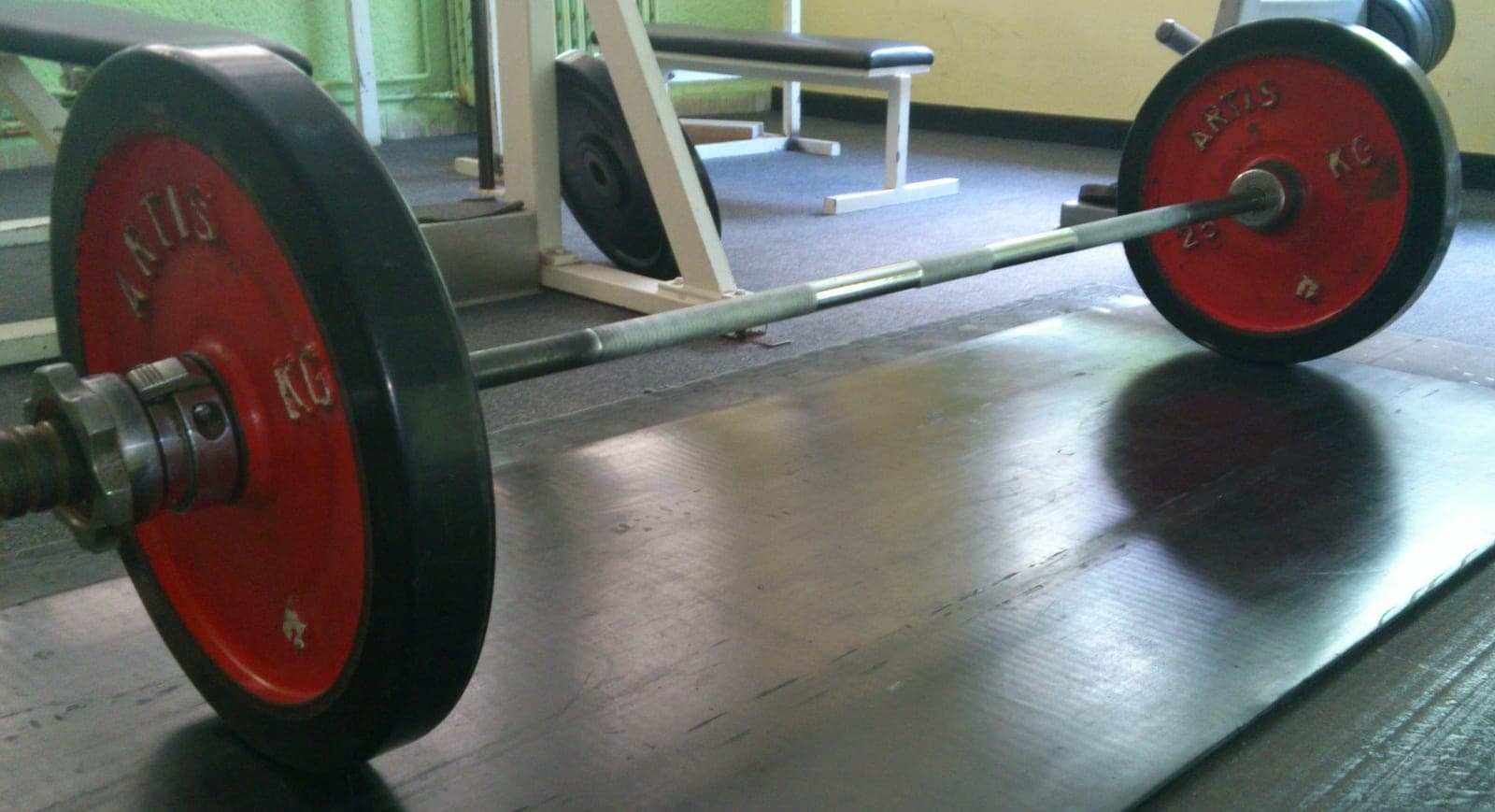
Weightlifting
A technical strength sport built around lifting a loaded barbell overhead with speed and control.
Calisthenics
Bodyweight strength training — push-ups, pull-ups, dips and progressions you can do almost anywhere.
Related training plans
Walk-to-Jog Plan
A gentle example of easing from walking into jogging by gradually mixing short, easy jogs into regular walks over several weeks.
Beginner Strength Week
A general example week for someone learning the basic strength movements, built around a few short, technique-focused sessions with plenty of rest.
Weekly Movement Plan
A relaxed example of building more general movement into an ordinary week, mixing walks, gentle mobility and everyday activity rather than formal workouts.
Explore across the knowledge base
Follow the threads that connect Beginner Full-Body Week to the rest of SocialSportHub.
Training guides
- How to build a weekly routineBuilding a weekly routine means loosely planning your training across the week so effort and rest are spread out in a way you can sustain.
- Bodyweight training basicsBodyweight training uses your own body as resistance, making it a simple and accessible way to build strength almost anywhere.
- Understanding rest and recoveryRest and recovery are the everyday habits — sleep, rest days and gentle movement — that let the benefits of training take hold between sessions.
- How to track progress simplyTracking progress simply means keeping a light, low-effort record of your training so you can see how far you have come.
- How to cool downA cool-down is a few easy minutes at the end of a session that let your effort taper off gradually before you stop.
Practice & sessions
Exercises
- Push-upA classic upper-body pushing exercise where you lower and press your body up from the floor.
- Band pull-apartA simple pulling exercise where you stretch a resistance band across your chest to work the upper back.
- BurpeeA full-body exercise combining a squat, a plank, and a jump in one flowing movement.
- LungeA single-leg movement where you step forward and bend both knees to lower your body.
- SquatA foundational lower-body movement where you bend at the hips and knees to lower down and stand back up.
Movement comparisons
Healthy living
- Recovery routineBringing your recovery habits together into a simple, repeatable rhythm — so rest becomes a natural part of an active week.
- Morning MovementA little gentle activity early in the day to wake the body up and start on a positive note.
- Recovery MealsThe general idea of eating after activity to help your body refuel and recover — simple, not scientific.
- Evening Wind-DownEasing gently from a busy day toward rest, with calm movement and habits that help the body settle.
- Daily water intakeHow much to drink across a day — why there is no single right number, and simple ways to spread fluid sensibly.
Movement patterns
- PullDrawing a load or your own body toward the torso — horizontal rows and vertical pull-ups — building the lats, mid-back and biceps and balancing the push.
- JumpThe plyometric pattern of projecting the body off the ground through explosive triple extension and controlling the landing — the core expression of lower-body power.
- CarryHolding and transporting a load while keeping the trunk braced and stable — an anti-movement pattern that builds grip, core stability and full-body strength.
- RotationRotating the trunk to generate and transfer power through the body's kinetic chain, plus anti-rotation — resisting unwanted twist to keep the trunk stable.
How this page is maintained
- Content type
- Training plan
- Provenance
- Tier A — evergreen educational
- Verified external sources
- 0
- Content updated
- 2026-07-06
Evergreen, first-party explanation — it makes no claim that needs an external source. How we handle sources and reviews.