
Jump
The plyometric pattern of projecting the body off the ground through explosive triple extension and controlling the landing — the core expression of lower-body power.
Overview
A jump is the movement pattern of driving the body off the ground and then absorbing the return to it. The take-off is a rapid, near-simultaneous extension of the hip, knee and ankle joints — often called triple extension — that accelerates the body's centre of mass fast enough to leave the floor. A countermovement dip usually precedes it, pre-stretching the leg extensors and their tendons so that stored elastic energy is released into the push-off. This coupling of a quick eccentric loading with an immediate powerful concentric drive is the stretch-shortening cycle that defines plyometric movement.
Because force has to be produced in a very short window, the jump is the archetypal expression and test of lower-body power, driven by the quadriceps, glutes, hamstrings and calves. Its landing half is equally defining: the same joints flex under control to decelerate the body and absorb ground-reaction forces. The pattern shows up in training as jump squats, jump rope, jumping jacks and the leap inside a burpee, and in sport as basketball jump shots and layups, volleyball spikes and badminton jump smashes. The same explosive triple extension is also the mechanical basis of the powerful second pull in weightlifting (the clean and snatch).
What defines it
- Take-off is a rapid, coordinated 'triple extension' of the hip, knee and ankle joints that projects the body's centre of mass off the ground, vertically or horizontally.
- It runs on the stretch-shortening cycle: a quick countermovement dip pre-stretches the extensor muscles and tendons, storing elastic energy that is released into the push-off.
- It is the defining expression of lower-body power — force generated at high speed rather than under a slow, heavy load — chiefly by the quadriceps, glutes, hamstrings and calves.
- The landing is an integral half of the pattern: the same joints flex under control to absorb ground-reaction forces through eccentric (decelerating) muscle action.
- It appears in single-leg forms (bounds, layups) and double-leg forms (squat jumps, blocks), and the same triple-extension drive underlies explosive lifts like the clean and snatch.
Athletic movements built on it
Cross-sport movements that use this pattern as a base.
A note on this information
Exercises that train the jump
Movements built on this pattern — educational examples, not a prescription.
Jump squat
An explosive squat variation where you spring off the floor at the top of the movement.
Burpee
A full-body exercise combining a squat, a plank, and a jump in one flowing movement.
Jumping jack
A rhythmic cardio move where you jump the feet out and swing the arms overhead, then back in.
Jump rope
A cardio exercise where you swing a rope under your feet and jump over it in a steady rhythm.
Sports techniques that use it
How the movement shows up in the specific techniques of a sport.
Jump Shot
A basketball shot released at the top of a vertical jump, letting the shooter get the ball over a defender with a soft, arcing release.
Layup
A close-range basketball shot taken while moving toward the basket, laying the ball softly off the backboard or over the rim.
Volleyball Spike
A powerful attacking hit that drives the ball sharply downward over the net into the opponent's court, usually after an approach and jump.
Badminton Smash
A powerful, steeply downward overhead stroke that drives the shuttlecock sharply into the opponent's court to win the rally.
Header
A technique for controlling or striking the ball with the forehead in football, used to pass, shoot or clear the ball in the air.
Sports that rely on it

Basketball
A fast, dynamic team sport of running, jumping and quick decisions on court.
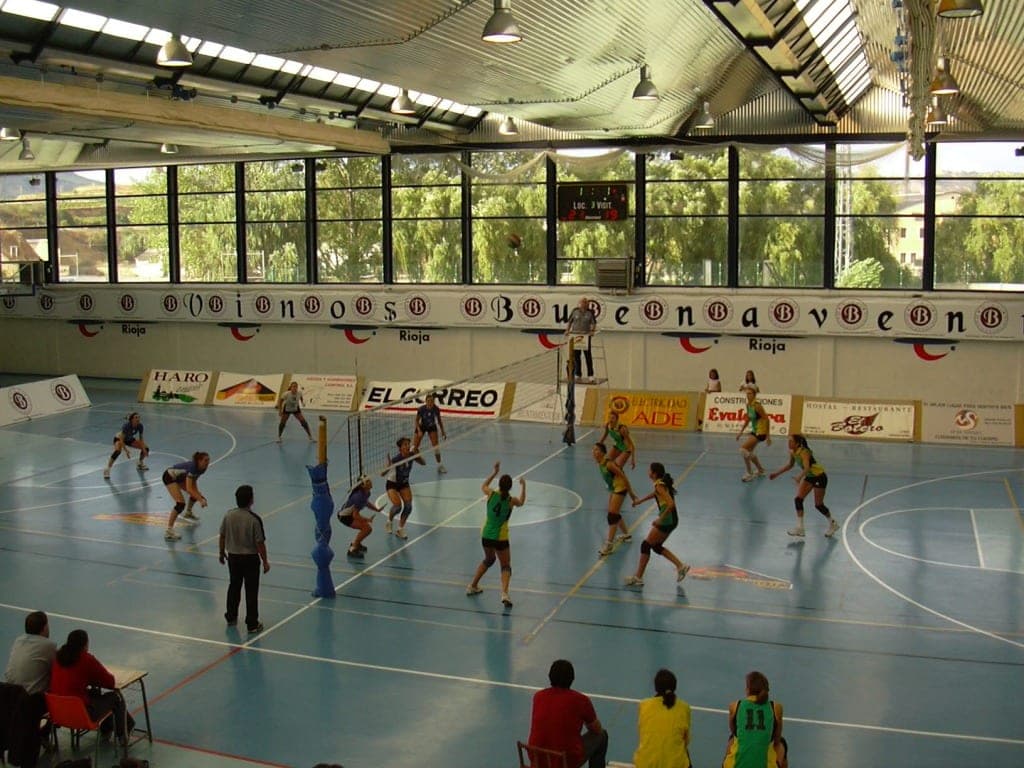
Volleyball
A non-contact team sport of rallies, jumps and teamwork — indoors or on the beach.
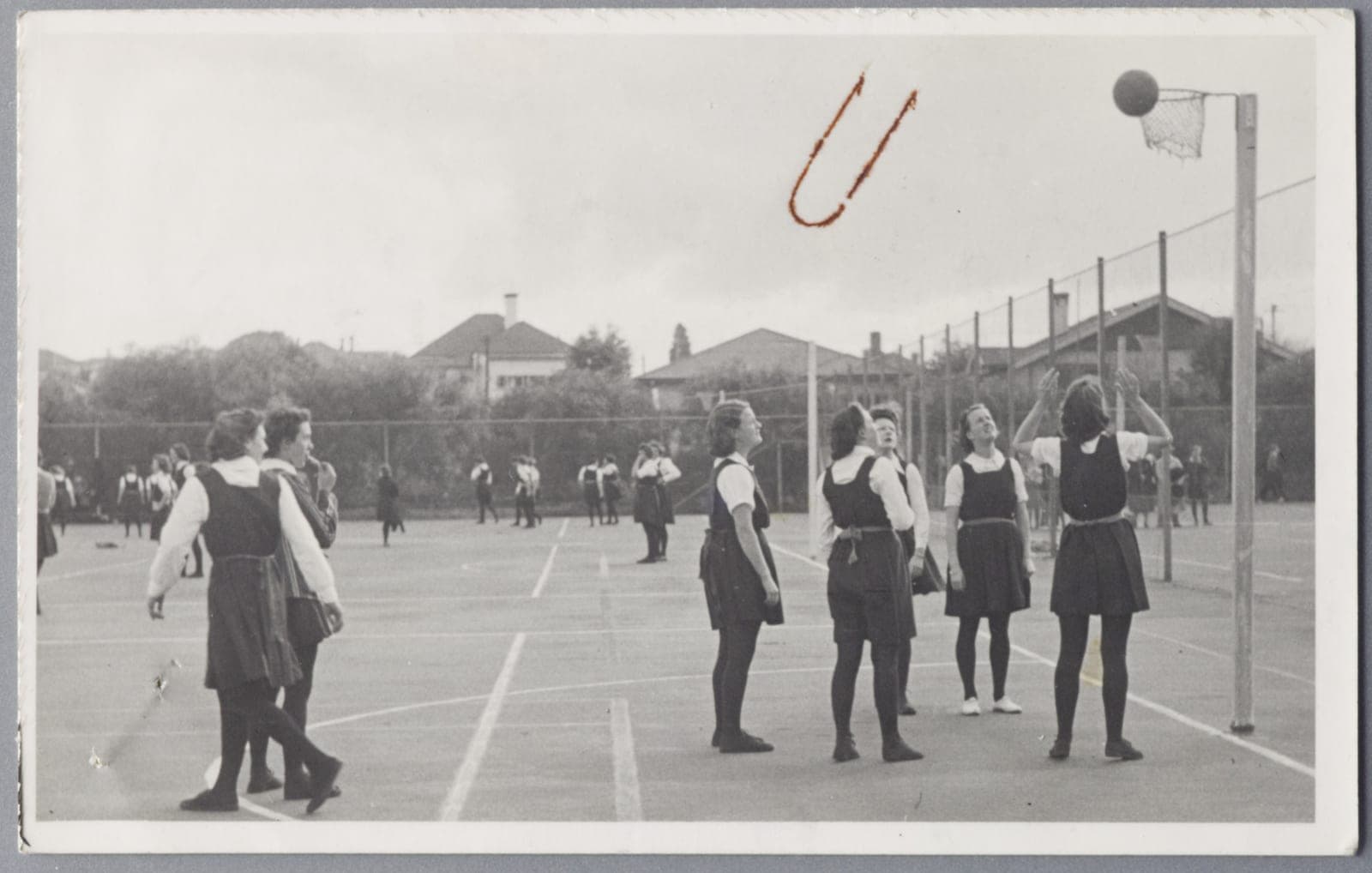
Netball
A non-contact, position-based team sport of quick passing and accurate shooting.
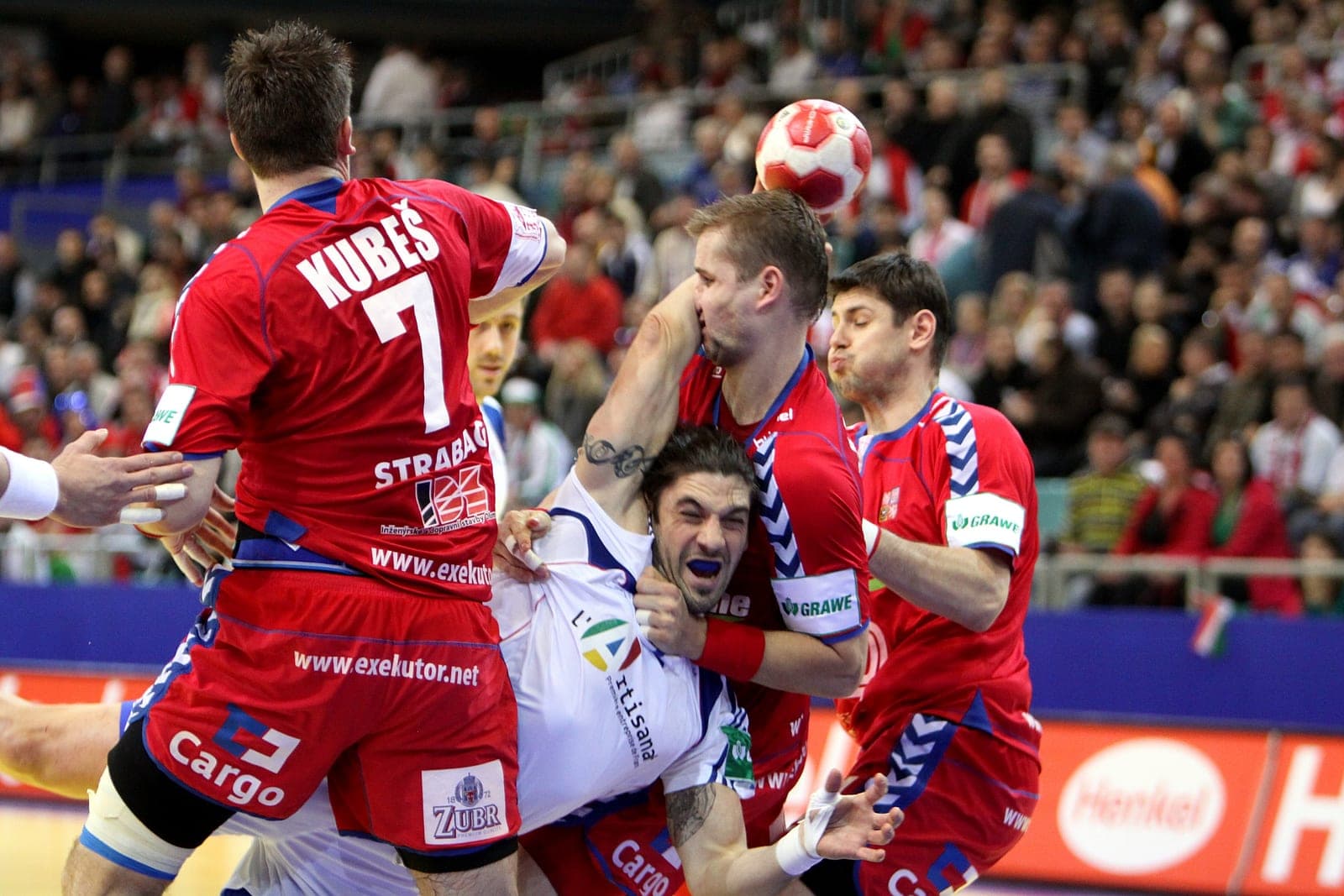
Handball
A fast indoor team sport of passing, jumping and throwing to score with the hands.
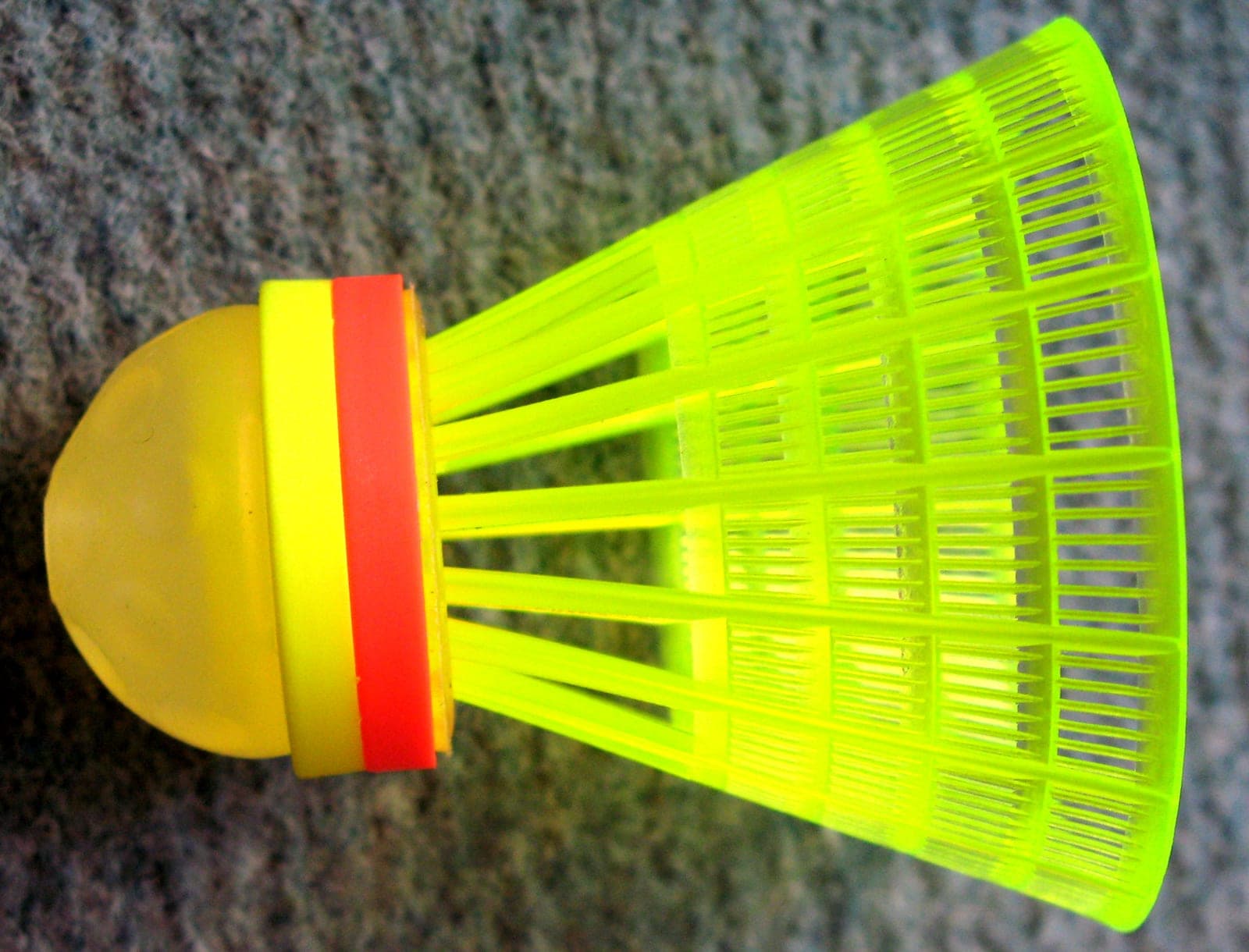
Badminton
A fast indoor racquet sport played with a shuttlecock that rewards agility and touch.
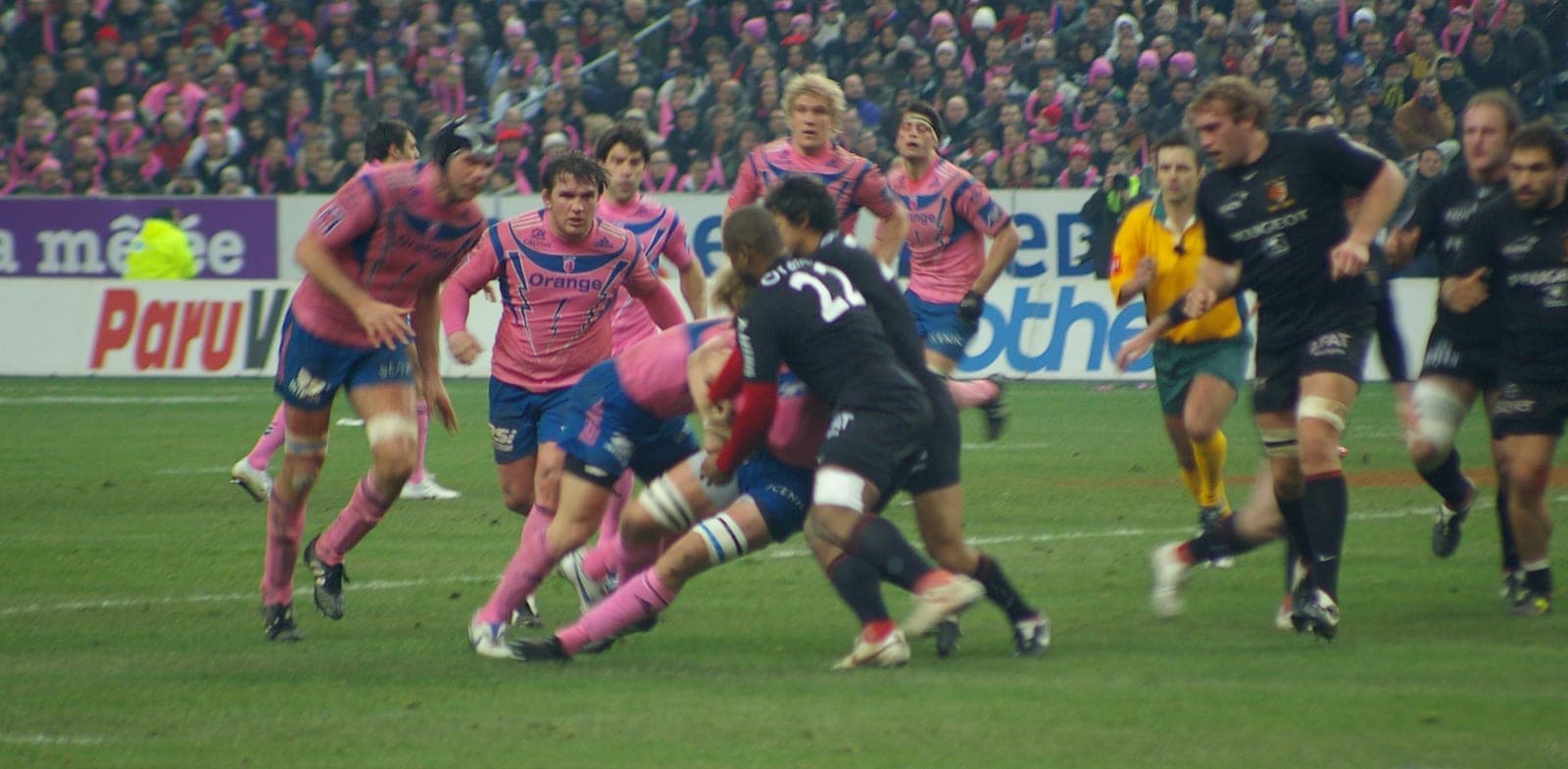
Rugby
A physical team sport of carrying, passing and kicking an oval ball toward the opposing line.
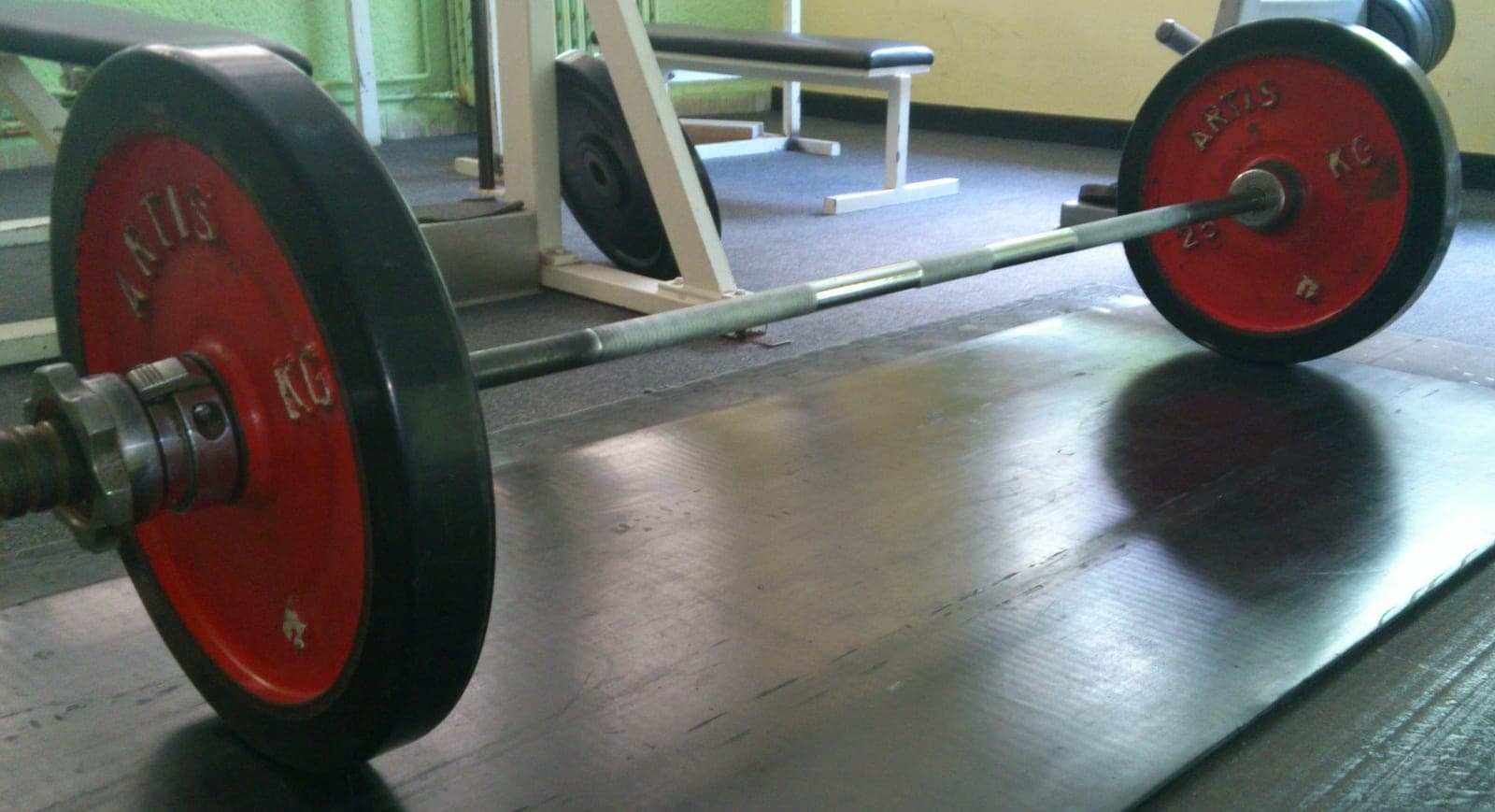
Weightlifting
A technical strength sport built around lifting a loaded barbell overhead with speed and control.
Compare jump with…
Movements it is often confused with — see exactly how they differ.
How it connects
The meaning-bearing relationships that place Jump in the wider knowledge graph — each one with the reason it exists.
Foundation of
These build directly on this one.
Commonly confused with
Close enough to be mixed up — the distinction is worth knowing.
Explore across the knowledge base
Follow the threads that connect Jump to the rest of SocialSportHub.
Movement comparisons
- Acceleration vs JumpAcceleration vs Jump: how these two movements differ, what they share, and how to tell them apart — from mechanics to the sports that use them.
- Bound vs JumpBound vs Jump: how these two movements differ, what they share, and how to tell them apart — from mechanics to the sports that use them.
- Glide vs JumpGlide vs Jump: how these two movements differ, what they share, and how to tell them apart — from mechanics to the sports that use them.
- Hop vs JumpHop vs Jump: how these two movements differ, what they share, and how to tell them apart — from mechanics to the sports that use them.
- Jump vs LandingJump vs Landing: how these two movements differ, what they share, and how to tell them apart — from mechanics to the sports that use them.
Skills
- HeadingThe skill of directing the ball with the head to pass, clear or attempt to score.
- JumpingThe skill of leaping powerfully and with timing to reach or contest the ball in the air.
- SpikingThe volleyball skill of jumping and striking the ball forcefully down into the opponent’s court.
- BlockingThe skill of using the hands or body to stop or slow an opponent’s attack.
- ReboundingThe basketball skill of gaining the ball after a missed shot — positioning and timing decide it far more often than pure jumping height.
Sports science
- Force and powerThe difference between how much force the body can produce and how quickly it can produce it — the mechanics behind strength and explosiveness.
- Energy systemsHow the body supplies energy for movement — the different pathways that power everything from an explosive jump to a long, steady run.
Knowledge Atlas
Training methods
- PlyometricsPlyometrics are jumping and bounding drills that train muscles to produce force quickly, developing power and springiness through explosive movement.
- Strength TrainingStrength training uses resistance — bodyweight, bands or weights — to challenge your muscles so they gradually adapt and get stronger over time.
- Progressive OverloadProgressive overload is the principle of gradually increasing the demand you place on your body so it keeps adapting and improving over time.
- PeriodisationPeriodisation is the practice of organising training into phases across weeks and months, varying the focus so you build steadily and peak at the right time.
Goals
- Improve coordinationSharpen how smoothly your body works together — like tracking and hitting a ball — through skill practice.
- Improve balanceTrain steadiness and control at any age with simple, progressive balance practice done safely.
- Improve fitnessBuild well-rounded fitness — stamina, strength and more — through regular, varied activity you can keep up.
Go deeper with Jump
Everywhere else on the platform that covers Jump — assembled from what actually references it, so nothing here is a dead end.
Take it away
Open data and the whole-platform view of this subject.
How this page is maintained
- Content type
- Movement pattern
- Provenance
- Tier A — evergreen educational
- Verified external sources
- 0
- Content updated
- 2026-07-13
Evergreen, first-party explanation — it makes no claim that needs an external source. How we handle sources and reviews.