
Periodisation
Periodisation is the practice of organising training into phases across weeks and months, varying the focus so you build steadily and peak at the right time.
Overview
Periodisation is the big-picture organisation of training over time. Rather than doing the same thing every week indefinitely, you divide a longer stretch — a season, say — into phases, each with a slightly different emphasis, so that fitness is built up in a logical order and effort is balanced with recovery.
A common shape starts with a broad, easier base-building phase, moves through more specific and demanding work, and then eases back before an important event so you arrive fresh. Lighter weeks are deliberately woven in, since the body adapts during recovery, not only during hard work.
For most beginners full periodisation is more detail than they need, but the underlying idea is useful: vary your focus over the weeks, alternate harder and easier periods, and think in blocks rather than treating every week identically.
How to do it
- 1Set a broad base phase of easier, general fitness first.
- 2Progress into more specific, demanding work over the following weeks.
- 3Weave in a lighter week periodically to absorb the work.
- 4Ease back ahead of an important event so you arrive fresh.
Key points
- Periodisation organises training into phases across weeks and months.
- A common arc runs from a broad base to specific work, then an ease-back.
- Lighter weeks are deliberate — the body adapts during recovery.
- Tapering before an event is a classic periodisation tactic.
- Even without the full system, varying focus over time is useful.
A note on training information
Where it’s used
Sports this relates to:

Running
The most accessible endurance sport — no venue, just shoes and the open road or trail.
Cycling
A low-impact endurance sport that doubles as transport, exercise and adventure.

Triathlon
A multi-sport endurance event that links swimming, cycling and running into one continuous race.
Weightlifting
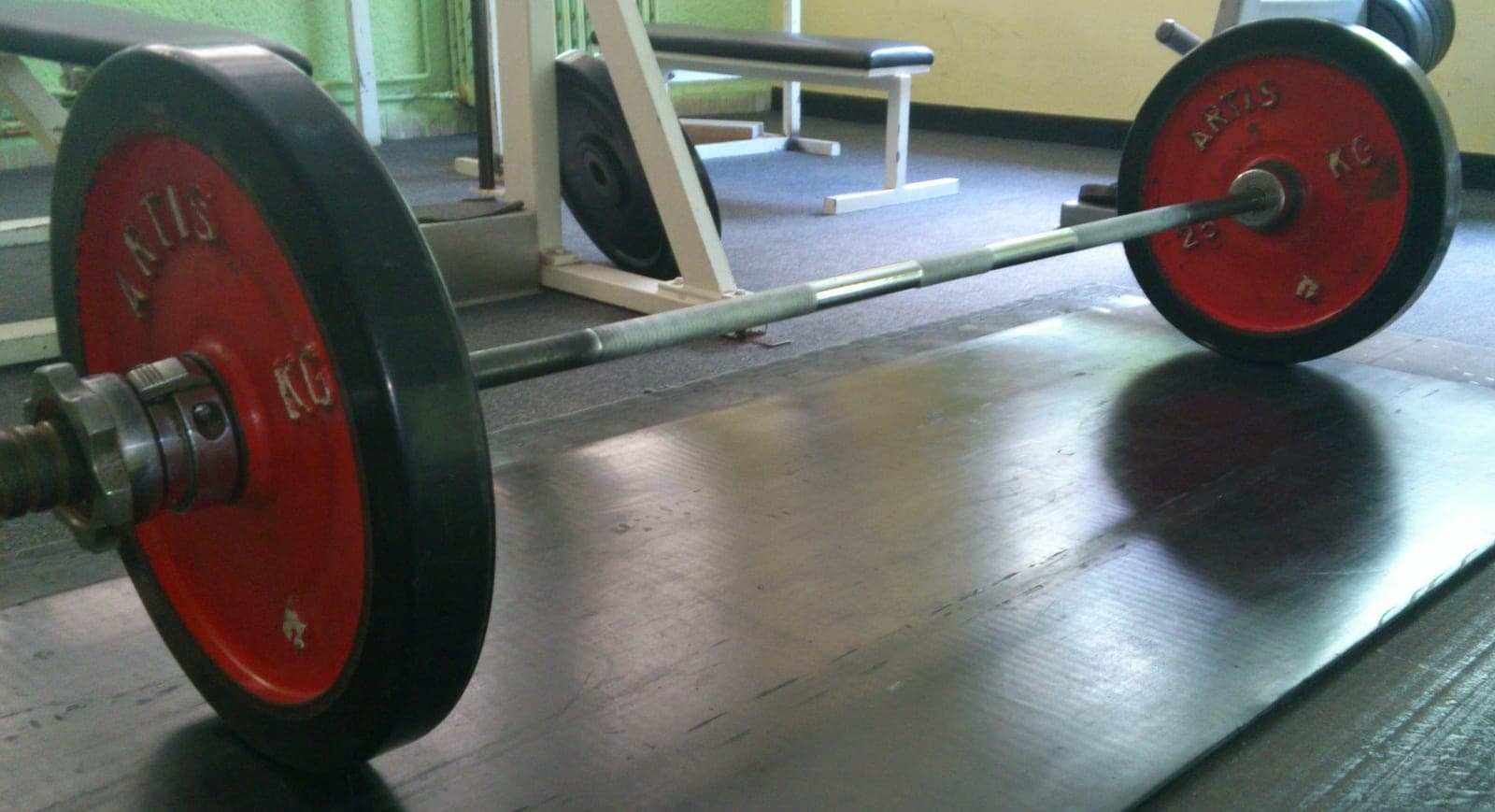
A technical strength sport built around lifting a loaded barbell overhead with speed and control.
Swimming
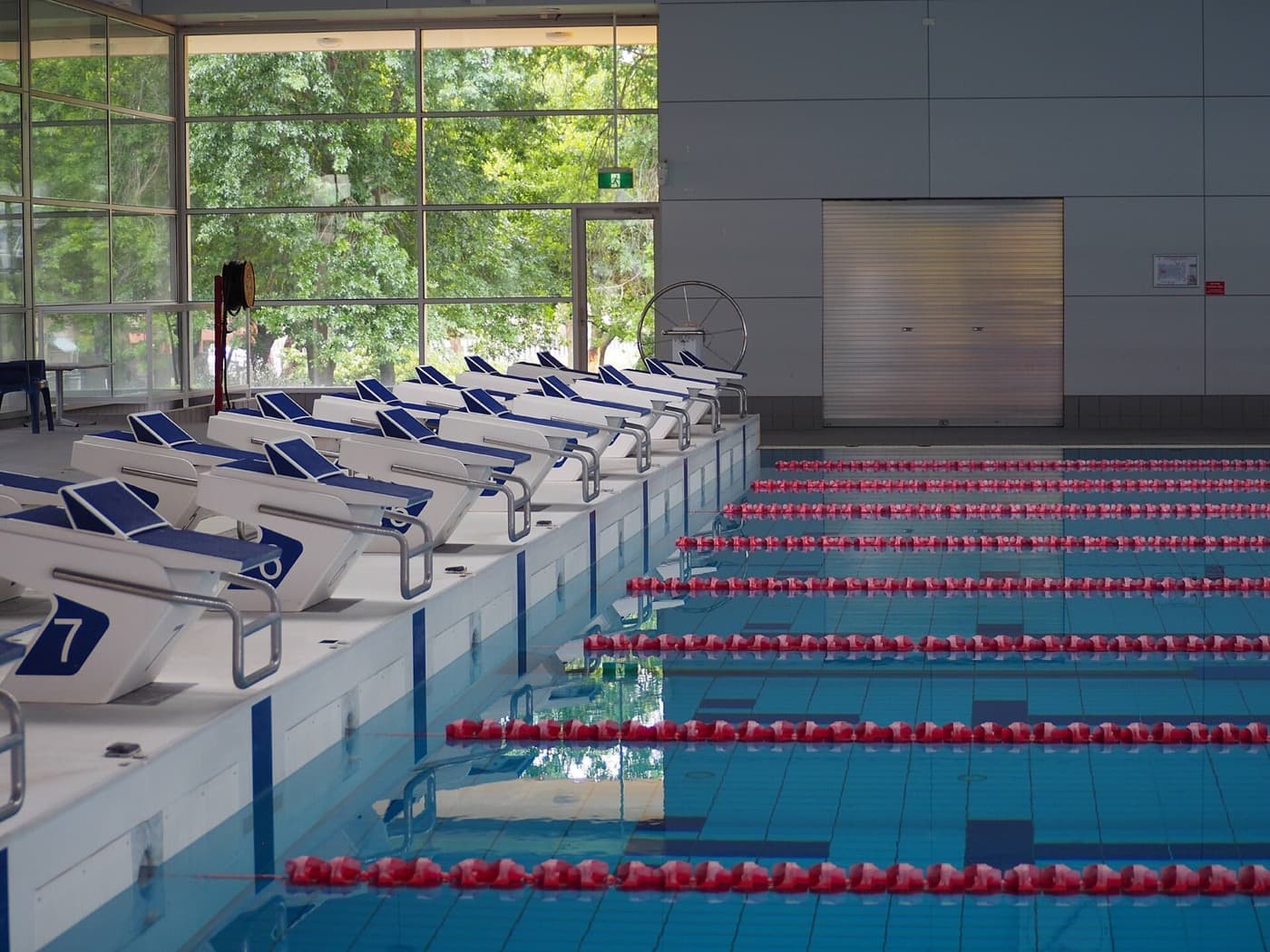
A full-body, low-impact endurance sport suitable for almost every age and ability.
Related training methods
Interval Training
Interval training alternates short bursts of harder effort with easier recovery periods, letting you accumulate more quality work than a single continuous push.
Steady-State Cardio
Steady-state cardio means holding one comfortable, continuous pace for the whole session, building an aerobic base without the peaks of interval work.
Circuit Training
Circuit training moves you through a series of stations back to back with little rest, blending strength and cardio into one time-efficient session.
How it connects
The meaning-bearing relationships that place Periodisation in the wider knowledge graph — each one with the reason it exists.
Frequently learned together
Taught side by side in the same stage of a learning path.
- Interval TrainingBoth are taught in the “Train your body for it” stage of the Swimming learning path.
- Steady-State CardioBoth are taught in the “Train your body for it” stage of the Swimming learning path.
- Tempo TrainingBoth are taught in the “Train your body for it” stage of the Swimming learning path.
- Cross-TrainingBoth are taught in the “Train your body for it” stage of the Swimming learning path.
- Active Recovery SessionsBoth are taught in the “Train your body for it” stage of the Swimming learning path.
Explore across the knowledge base
Follow the threads that connect Periodisation to the rest of SocialSportHub.
Experience levels
- AdvancedA high level of skill and fitness — progress becomes finer, more individual, and increasingly benefits from expert coaching.
- CompetitiveTraining and playing to compete — structured, goal-directed preparation built around events, with coaching and recovery central.
- EliteThe highest level of performance — a full, individualised, professionally supported pursuit far beyond what a general guide can direct.
Sports science
- SupercompensationA widely taught model of how the body, after a bout of training and enough recovery, can rebuild to a slightly higher level than before.
- Managing fatigue and loadThe educational idea of balancing how much training you do against how well you recover, so effort turns into progress rather than into excess fatigue.
- The overload principleThe idea that the body adapts to demands greater than it is used to — the foundation of why training works.
- Training variationThe idea that changing elements of training over time helps keep the body responding and keeps training sustainable.
Learning paths
Coaching concepts
- ProgressionBuilding skill and training load in gradual, manageable steps so each stage prepares the next, moving from simple to complex and easy to hard.
- Goal-Setting for PracticeSetting clear practice goals directs effort and makes progress visible — separating results-based outcome goals from controllable process goals.
- Practice VariabilityVarying practice conditions — spacing, interleaving skills and changing situations — to build adaptable, durable skill, even when it feels harder day to day.
- Session StructureHow a practice session is organised into phases — warm-up, main focus, game application and cool-down — so time is used well and learning sticks.
- Decision-Making PracticeTraining athletes to read cues and choose the right action under pressure — coupling perception to action, not just rehearsing physical technique in isolation.
Go deeper with Periodisation
Everywhere else on the platform that covers Periodisation — assembled from what actually references it, so nothing here is a dead end.
Learn it
Structured courses and paths on the platform that cover this directly.
How this page is maintained
- Content type
- Training method
- Provenance
- Tier A — evergreen educational
- Verified external sources
- 0
- Content updated
- 2026-07-06
Evergreen, first-party explanation — it makes no claim that needs an external source. How we handle sources and reviews.