
Triathlon
Swim, bike and run in one continuous challenge

Overview
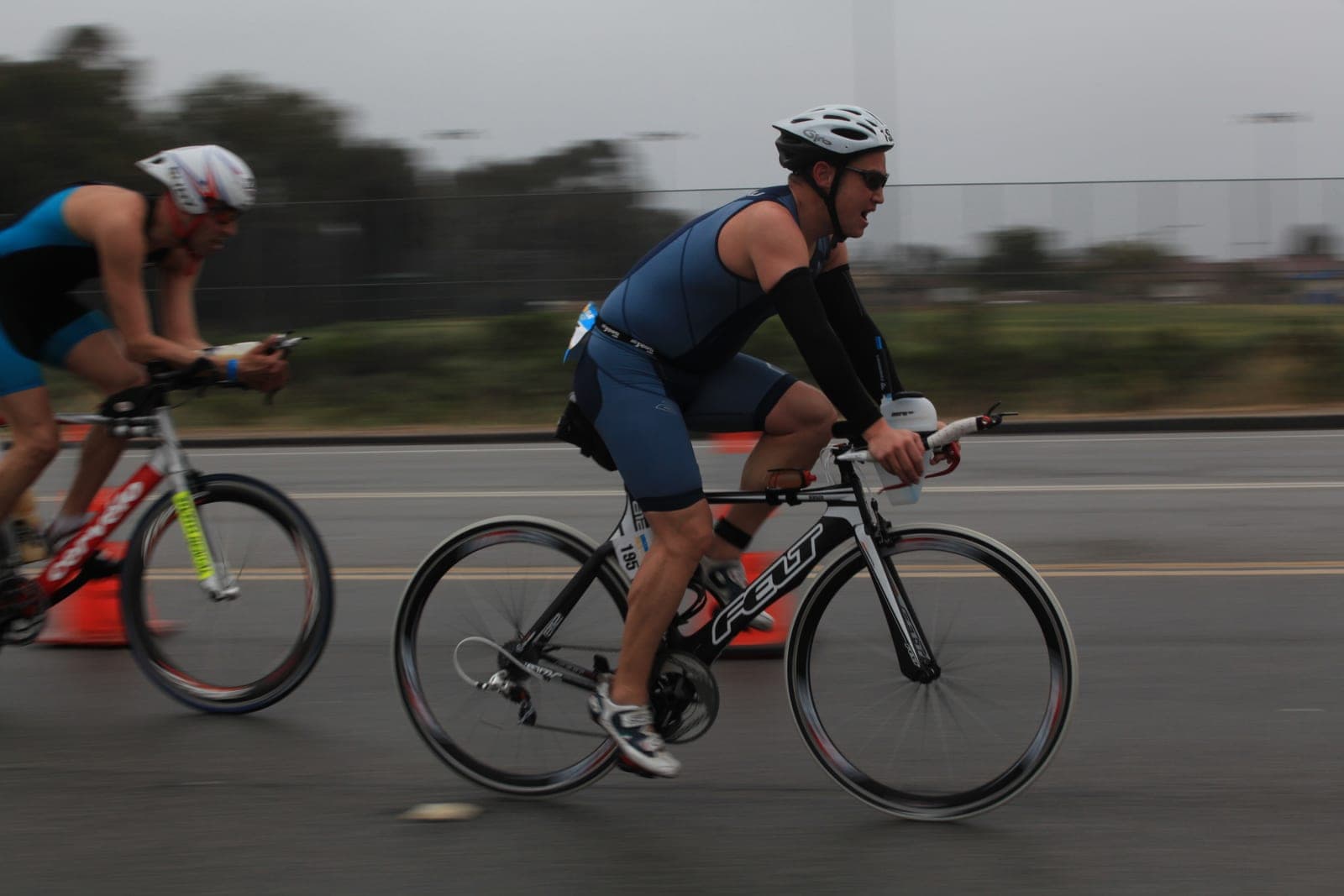
Triathlon combines three endurance disciplines — swimming, then cycling, then running — completed back-to-back in a single event. The changeovers between each leg, known as transitions, are part of the challenge, so a triathlon tests all-round fitness rather than a single skill.
It is offered across a range of distances, from short, beginner-friendly events to long-course races, which lets newcomers start small and build up. Training across three sports also keeps the routine varied and spreads the load, so no single part of the body takes all the strain.
Why triathlon is good for your health
- Builds strong, all-round cardiovascular and aerobic fitness
- Works the whole body by combining swimming, cycling and running
- Spreads training load across three sports, which can reduce repetitive strain
- Develops stamina and pacing over sustained efforts
Physical qualities you’ll build
Triathlon is especially good for developing these qualities:
The social side
- Triathlon clubs bring together swimmers, cyclists and runners of all levels
- Group training sessions make the varied workload more enjoyable
- Events and relay formats offer a shared goal to train towards
How to start as a beginner
- 1Choose a short, beginner-friendly event to aim for and work back from it
- 2Build confidence in each discipline separately before combining them
- 3Practise the transitions between swim, bike and run so they feel familiar
- 4Consider a triathlon club or coached session, especially for open-water swimming
Equipment you’ll need
- Swimwear and gogglesEssential
- A road or hybrid bicycle and helmetEssentialAny well-maintained bike is enough to start
- Running shoesEssential
- Comfortable, quick-drying sportswearEssential
- A wetsuit for open-water swimsOptionalOften available to hire for cooler water
Where to play
Triathlon is typically played at:
Explore clubs and venues to understand the different places you can play, or see how to find people to play with.
Triathlon disciplines
Triathlon isn’t one thing — it takes several distinct forms, each with its own character. Explore the disciplines within it.
Playing Triathlon
The equipment, rules, skills and more that make up the game — each cross-linked into the encyclopedia.
Training for Triathlon
Exercises, methods and example plans that help build what Triathlon needs — educational, not personalised prescriptions.
Related sports to explore
If you enjoy Triathlon, you might also like these.
Swimming
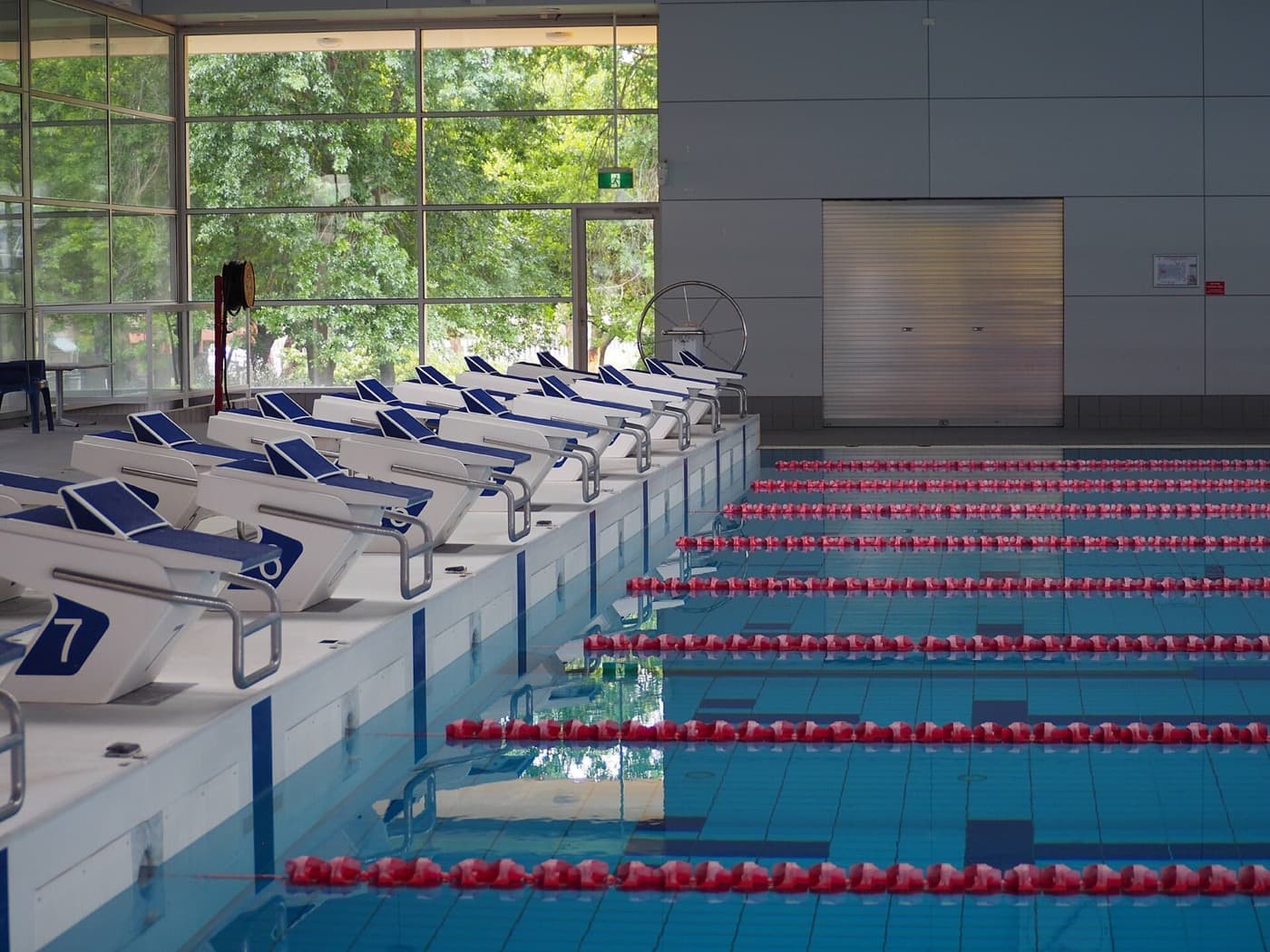
A full-body, low-impact endurance sport suitable for almost every age and ability.
Cycling
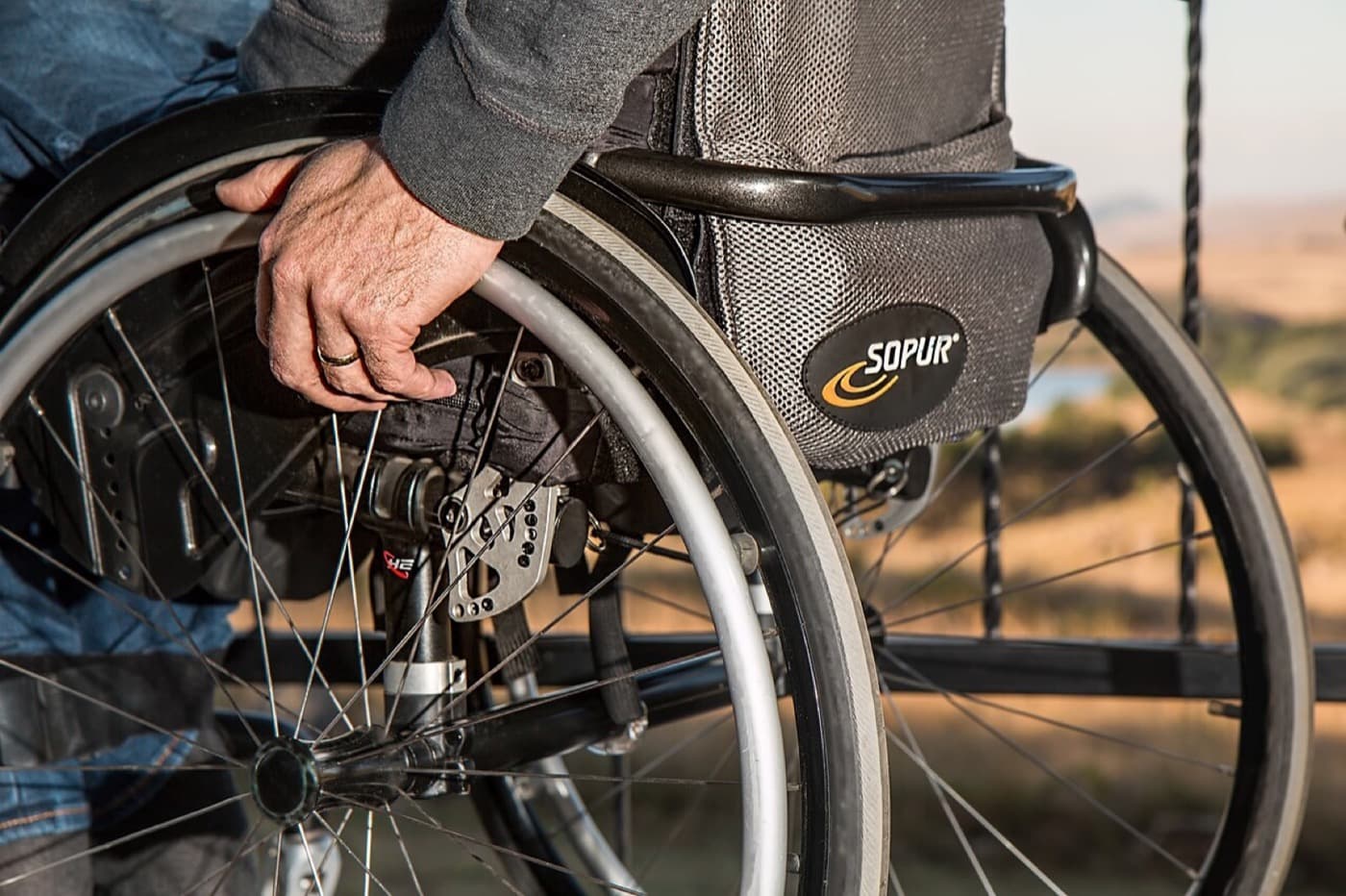
A low-impact endurance sport that doubles as transport, exercise and adventure.
Running
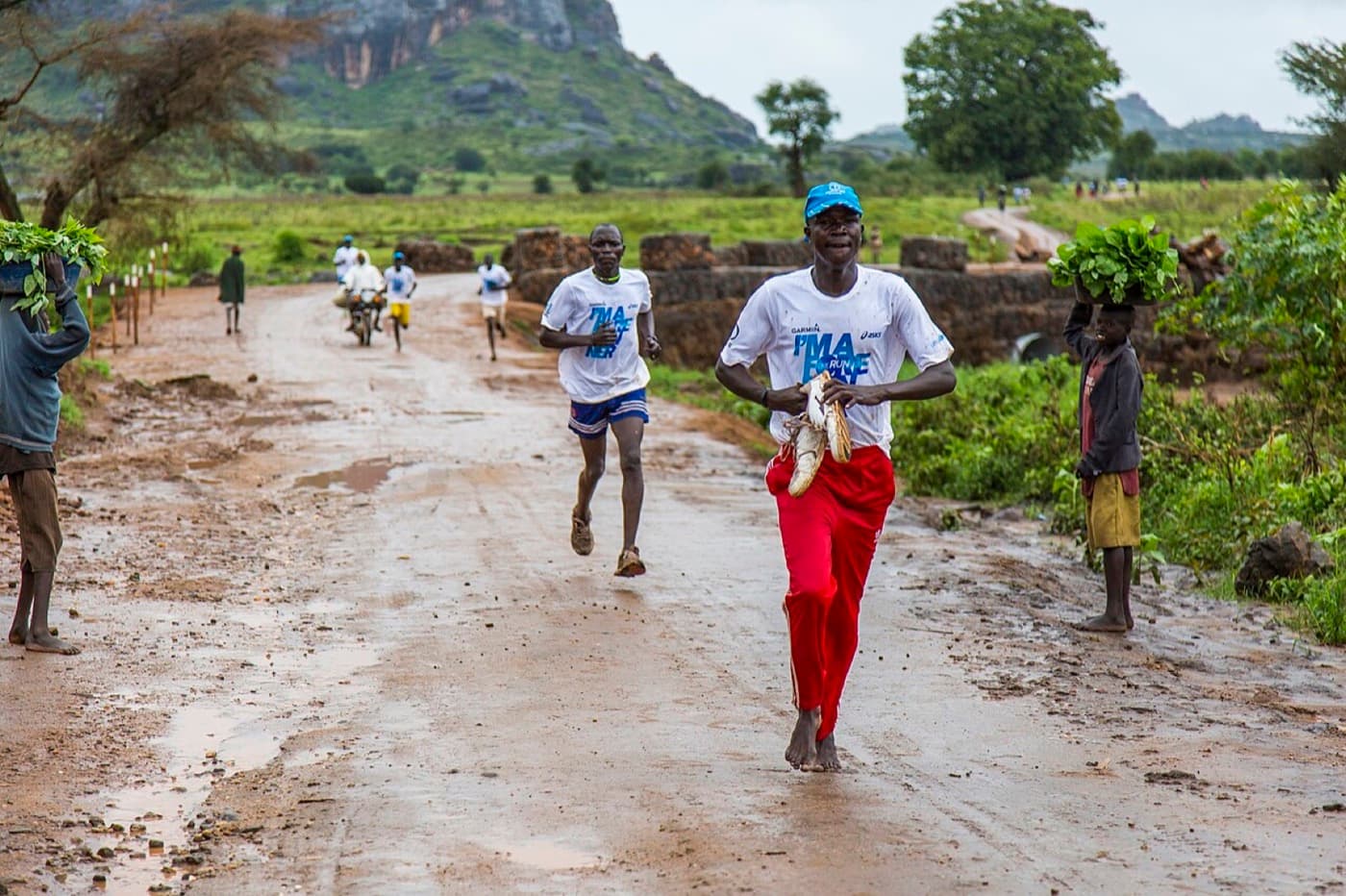
The most accessible endurance sport — no venue, just shoes and the open road or trail.
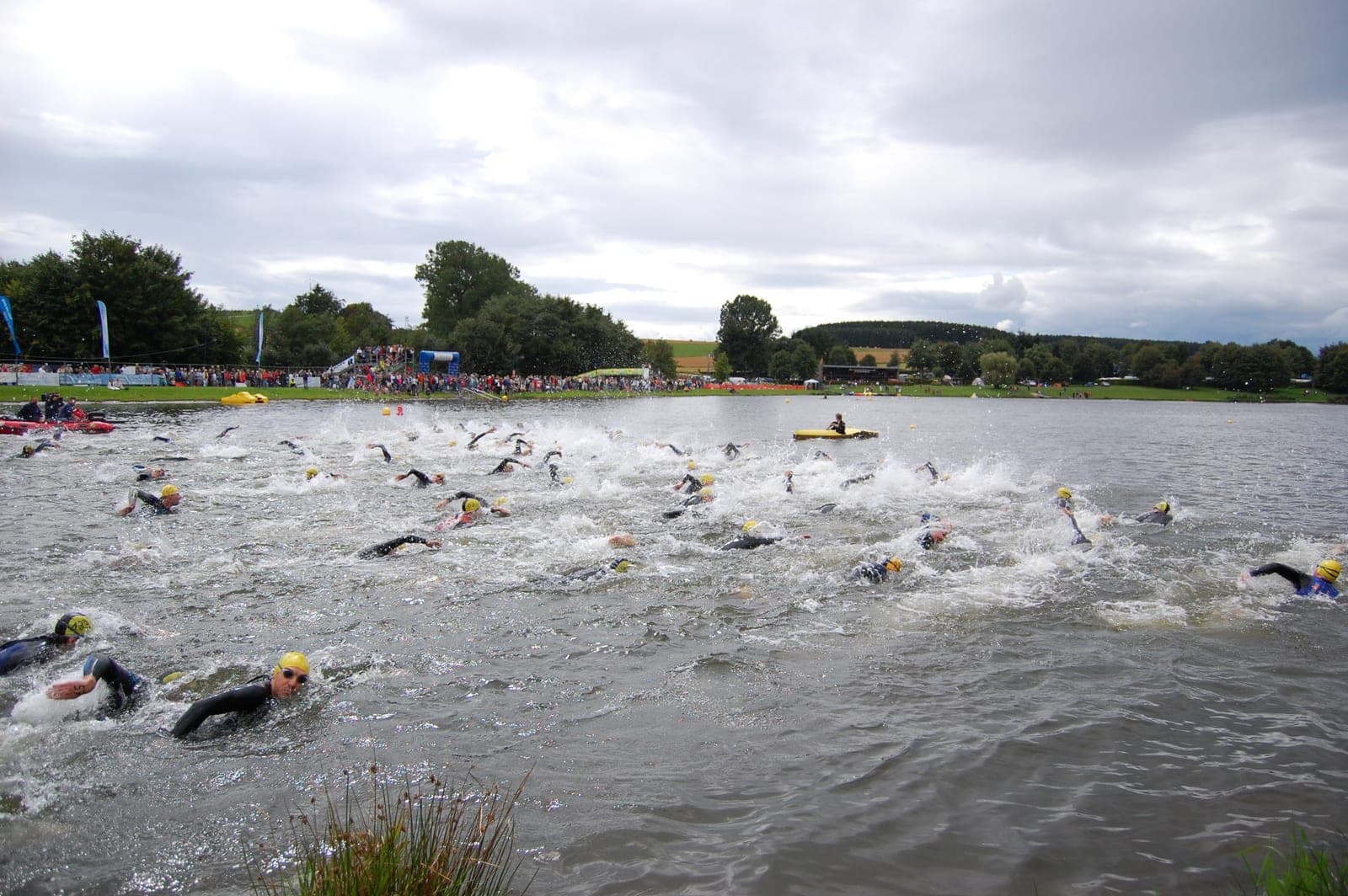
Open-Water Swimming
Swimming in lakes, rivers and the sea, blending endurance training with the experience of being out in nature.
Compare Triathlon with…
Deciding between Triathlon and something similar? See how they line up side by side.
Cycling vs Triathlon
How they compare on difficulty, intensity, kit and what suits you.
Open-Water Swimming vs Triathlon
How they compare on difficulty, intensity, kit and what suits you.
Running vs Triathlon
How they compare on difficulty, intensity, kit and what suits you.
Swimming vs Triathlon
How they compare on difficulty, intensity, kit and what suits you.
How it connects
The meaning-bearing relationships that place Triathlon in the wider knowledge graph — each one with the reason it exists.
Alternative to
Comparable enough that people choose between them.
- CyclingTriathlon and Cycling are close enough that the platform maintains a side-by-side comparison of them.
- Open-Water SwimmingTriathlon and Open-Water Swimming are close enough that the platform maintains a side-by-side comparison of them.
- RunningTriathlon and Running are close enough that the platform maintains a side-by-side comparison of them.
- SwimmingTriathlon and Swimming are close enough that the platform maintains a side-by-side comparison of them.
Supported by
These help the training or recovery side of this.
Explore across the knowledge base
Follow the threads that connect Triathlon to the rest of SocialSportHub.
Learning paths
- Learn TriathlonA structured, educational learning path for triathlon — from the rules to skills, techniques, tactics and training.
- Learn CyclingA structured, educational learning path for cycling — from the rules to skills, techniques, tactics and training.
- Learn SwimmingA structured, educational learning path for swimming — from the rules to skills, techniques, tactics and training.
- Learn Open-Water SwimmingA structured, educational learning path for open-water swimming — from the rules to skills, techniques, tactics and training.
- Learn RunningA structured, educational learning path for running — from the rules to skills, techniques, tactics and training.
Glossary
- Cross-trainingCross-training means practising a different sport or type of exercise to support your main activity.
- TaperingTapering is the practice of reducing training in the period before a big event so you arrive feeling fresh.
- Tempo runA tempo run is a sustained run held at a comfortably hard, controlled pace for a set time or distance.
- WetsuitA wetsuit is a close-fitting neoprene suit worn in water sports to help keep the wearer warm in cold water.
- LaneOne of the parallel marked corridors that divides a track, pool or bowling alley so competitors race or play within an assigned strip.
Movement patterns
- GaitThe cyclic, alternating single-leg pattern of walking and running that carries the body across the ground — the base of most field and endurance sport.
- GlideGlide is continuous, low-resistance locomotion in which the body holds a streamlined shape so that momentum generated by a preceding propulsive action carries it smoothly across a surface or through a medium.
- AccelerationThe athletic pattern of building speed from a standing or slow start by driving large horizontal forces into the ground to project the body forward.
Decision making
Go deeper with Triathlon
Everywhere else on the platform that covers Triathlon — assembled from what actually references it, so nothing here is a dead end.
Learn it
Structured courses and paths on the platform that cover this directly.
Work it out
Deterministic calculators — real published formulas, no estimates dressed as data.
See it
Diagrams and step-through visualisations drawn for this subject.
Compare it
Head-to-head studies against the entities people actually weigh it against.
Kit it out
Equipment guidance drawn from the graph, with no brands and no affiliate links.
Take it away
Open data and the whole-platform view of this subject.
How this page is maintained
- Content type
- Sport
- Provenance
- Tier A — evergreen educational
- Verified external sources
- 0
- Content updated
- 2026-07-06
Evergreen, first-party explanation — it makes no claim that needs an external source. How we handle sources and reviews.
Keep going
A sport is most rewarding alongside good habits, sensible nutrition and people to share it with. Here is where to go next.
How movement supports body and mind.
Eat well to feel and perform better.
Build routines that stick.
Ways to meet others and play together.
Where to play and what to expect.
Browse the full list by category.