
How to Use a Learning Curriculum
A learning curriculum is a plain, ordered map of what to learn in a sport and in roughly what order — here is how to use one to steer your own practice and sessions without turning it into a deadline.
When you are new to a sport, the hard part often isn't the effort — it's knowing what to focus on first. A learning curriculum answers exactly that. It lays out a sport's rules, skills and ideas as an ordered path, so you can see the whole journey at a glance and always find a sensible next step instead of guessing.
It is not a test, a timetable or a promise. Think of it as a map you keep in your pocket: something to skim between sessions, to bring to a coach, and to move through at whatever pace feels right for you. This guide shows how to get the most out of one alongside real practice.
What a curriculum actually is (and isn't)
A learning curriculum is simply an ordered view of what a sport asks you to learn — starting with how the game works, then the core skills, then technique, tactics, where you fit in, and how to keep improving. Each sport's curriculum is built from that sport's own rules, skills and ideas, so the order reflects how people usually learn it rather than a generic template.
What it isn't matters just as much. It is not a schedule with dates, not a fitness or calorie plan, and not a guarantee that you'll reach any stage by a certain point. It has no opinion on whether a sport suits your body or health — that is a conversation for a qualified coach or a medical professional. It's a map, not a set of marching orders.
- Read it start to finish once, just to see the whole shape — you don't have to act on all of it.
- Notice that the early stages carry the most weight: rules and core skills come first for a reason.
- Read every stage as 'when you're ready', never as 'by now you should'.
How it works alongside coaching and practice
A curriculum and a real coach do different jobs, and they work best together. The curriculum gives you the big-picture order — what tends to come before what — while a coach watches you move and tells you what to adjust today. Bringing the curriculum to a session makes that conversation easier: you can point to where you think you are and ask what to work on next.
Practice is where the map turns into ability. Use the curriculum to pick a focus for a session — one skill or idea, not ten — then let the practice itself, and any feedback you get, decide when it feels solid enough to move on. If a coach suggests a different order for you, follow the coach: they can see things a general map can't.
- Choose one stage or skill as the 'theme' of a session rather than racing ahead.
- Turn the curriculum into a question list for your coach or a more experienced player.
- Let a session or a coach's feedback tell you when something's ready — not the clock.
Moving through it at your own pace
There is no correct speed. Some stages click in a single session; others you'll circle back to many times, and revisiting an 'earlier' skill is progress, not going backwards. Because the stages build on each other, time spent on the basics is rarely wasted — it usually makes the later stages feel easier.
It is completely normal to skip around, get stuck, or take breaks. The map will still be there when you return, at exactly the point you left it. Let your own enjoyment and energy set the tempo — the aim is to keep playing, not to 'finish'.
- Judge progress by what feels easier than last time, not by how many stages you've ticked off.
- Loop back to the fundamentals whenever something later starts to feel shaky.
- If your motivation dips, drop back to a stage you enjoy rather than forcing your way through.
Common questions
- Do I have to finish every stage before I start playing?
- Not at all. Most curricula begin with just enough — the basic rules and a core skill or two — to let you take part and enjoy yourself. You learn the rest by playing, and by looping back to the map when you want a next step. Getting into real sessions early is one of the best ways to learn.
- What if a coach tells me something different from the curriculum?
- Follow the coach. A curriculum is a general map of how a sport is usually learned, while a coach is watching you specifically and can see what you need right now. The map is there to give you structure and good questions to ask — not to overrule someone giving you real-time feedback.
A note for beginners
Sports to explore
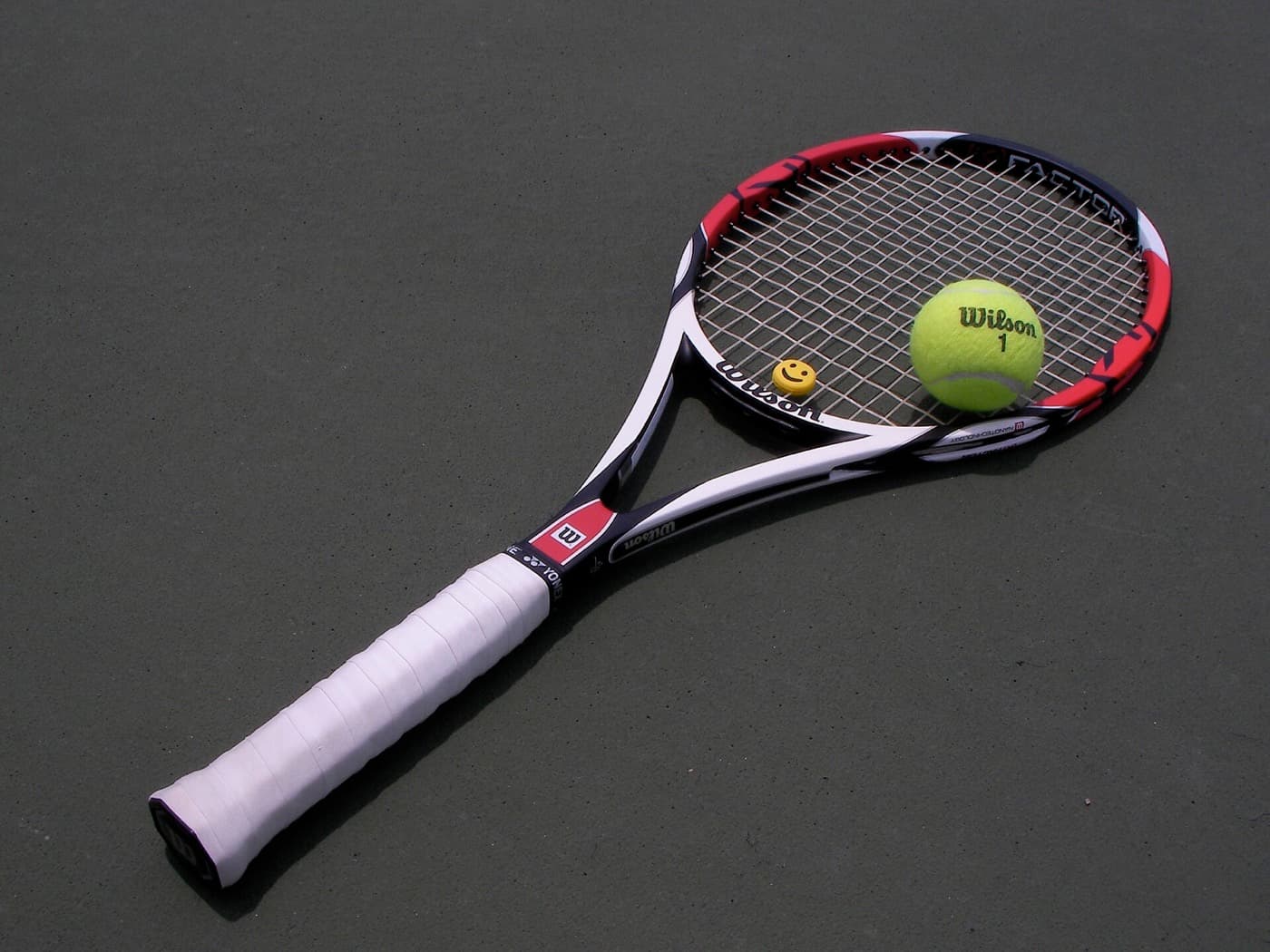
Tennis
A singles or doubles racquet sport that blends agility, strategy and stamina on court.
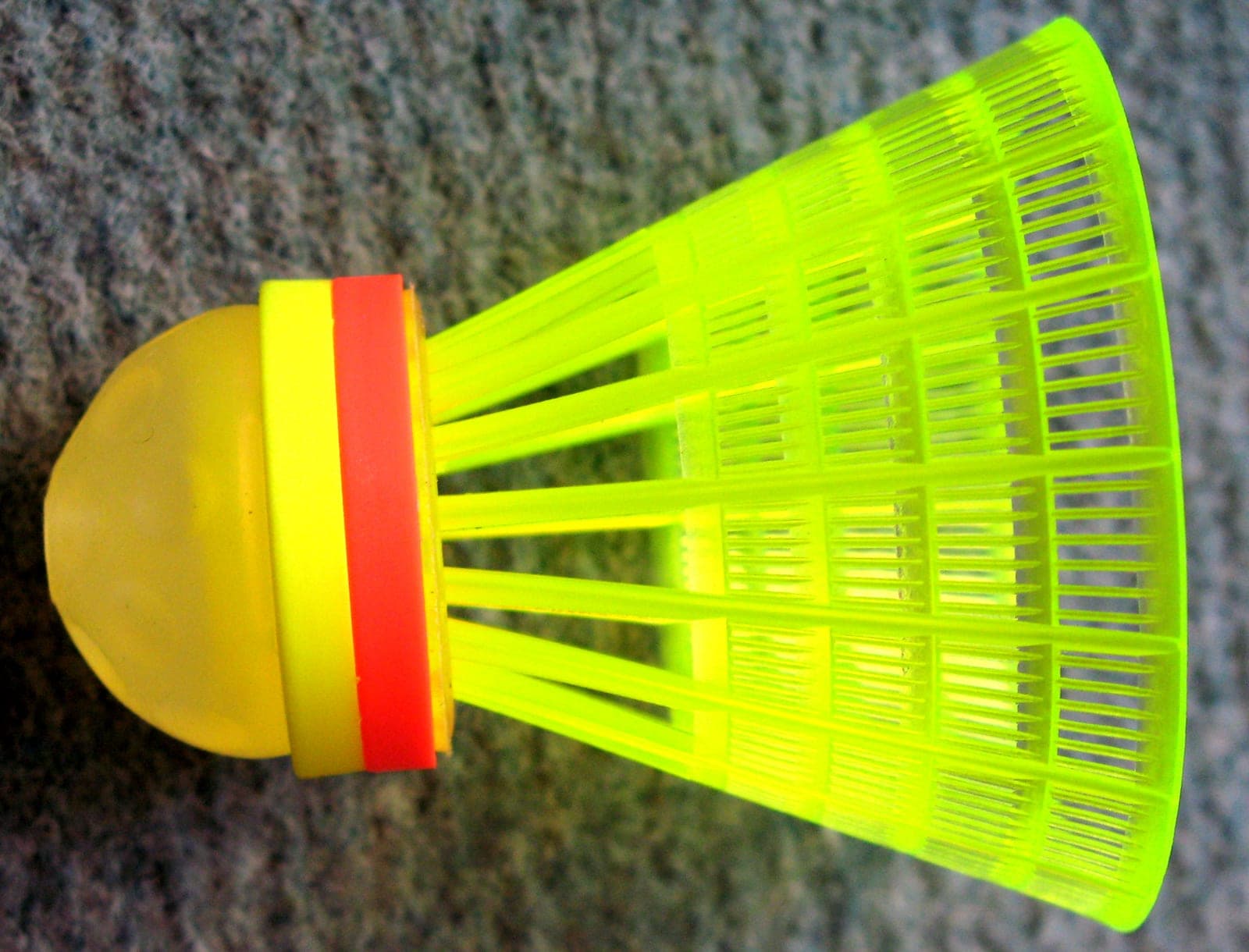
Badminton
A fast indoor racquet sport played with a shuttlecock that rewards agility and touch.
Football
The world’s most popular team sport — endless running, teamwork and community in one game.
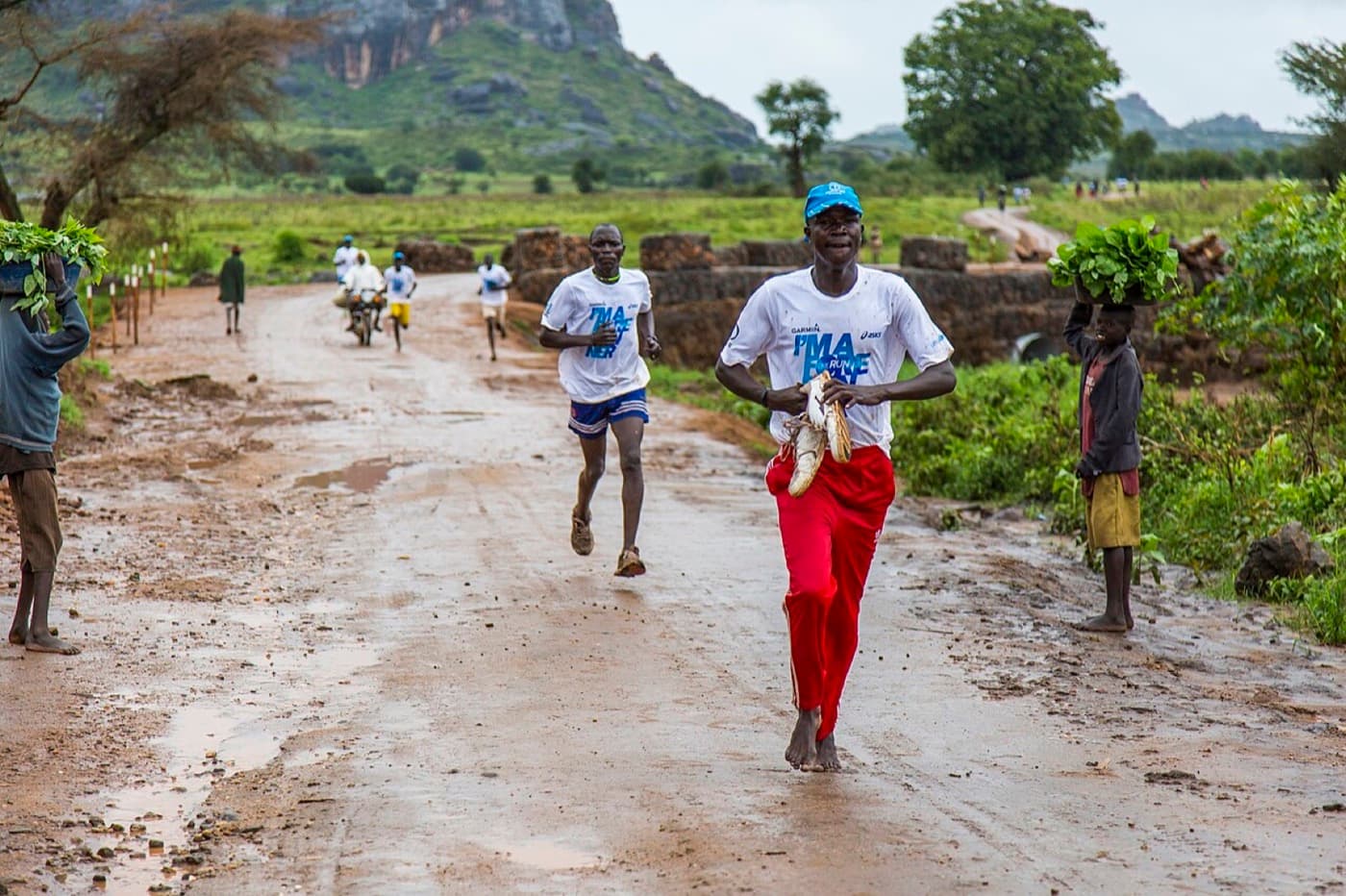
Running
The most accessible endurance sport — no venue, just shoes and the open road or trail.
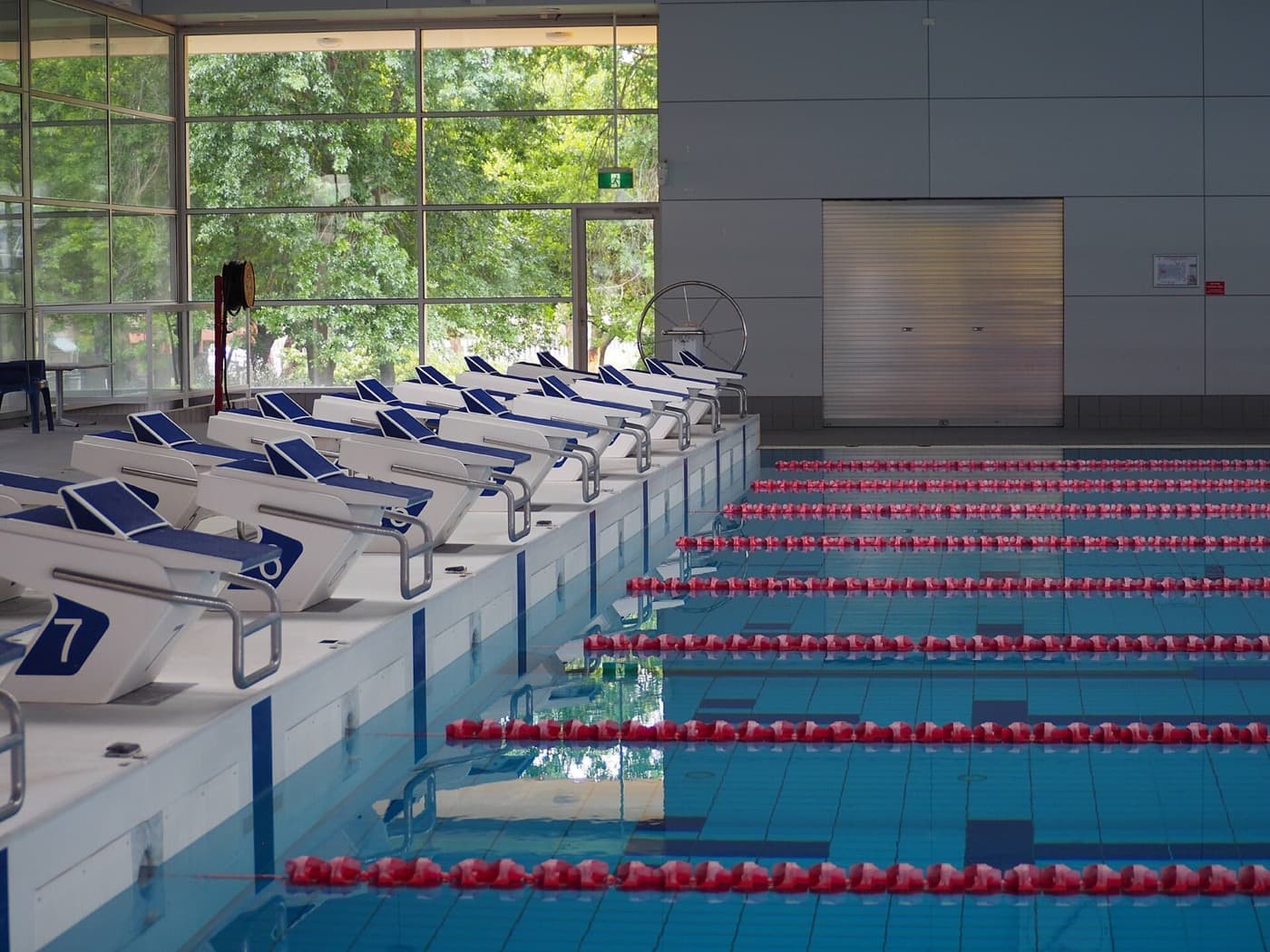
Swimming
A full-body, low-impact endurance sport suitable for almost every age and ability.
Words you might hear
Feedback
Feedback is the information an athlete receives about a performance, used to guide learning and improvement.
Drill
A drill is a structured, repeatable practice activity designed to develop a specific skill, movement, or tactical pattern.
Debrief
A structured review after a match or session in which players and staff discuss what happened and what to improve.
Chalk Talk
A chalk talk is a classroom-style session where a coach explains tactics, plays, or concepts using a board or diagram.
More beginner guides
How to Choose a Sport as a Beginner
A calm, practical way to pick a first sport that fits your interests, your body, your budget and your life — with full permission to try a few and change your mind.
How to Prepare for Your First Session
A calm, practical walkthrough of getting ready for your very first session of any sport — arriving prepared, easing the nerves, and setting one small, realistic aim.
What to Bring to Your First Session
Most first sessions need far less than people expect — water, clothes you can move in, footwear that suits the surface and a few personal bits usually cover it, with any sport-specific kit noted on each sport's first-session page.
Beginner Clothing and Equipment Basics
A calm, practical guide to what to wear and bring for a first session — comfort and freedom of movement first, borrow or hire before you buy, and footwear that matches the surface.
Explore across the knowledge base
Follow the threads that connect How to Use a Learning Curriculum to the rest of SocialSportHub.
Sports
- TennisA singles or doubles racquet sport that blends agility, strategy and stamina on court.
- BadmintonA fast indoor racquet sport played with a shuttlecock that rewards agility and touch.
- FootballThe world’s most popular team sport — endless running, teamwork and community in one game.
- RunningThe most accessible endurance sport — no venue, just shoes and the open road or trail.
- SwimmingA full-body, low-impact endurance sport suitable for almost every age and ability.
Glossary
- FeedbackFeedback is the information an athlete receives about a performance, used to guide learning and improvement.
- DrillA drill is a structured, repeatable practice activity designed to develop a specific skill, movement, or tactical pattern.
- DebriefA structured review after a match or session in which players and staff discuss what happened and what to improve.
- Chalk TalkA chalk talk is a classroom-style session where a coach explains tactics, plays, or concepts using a board or diagram.
- PivotRotating the body around one stationary foot to change facing or protect the ball without travelling.
Learning paths
- Learn TennisA structured, educational learning path for tennis — from the rules to skills, techniques, tactics and training.
- Learn FootballA structured, educational learning path for football — from the rules to skills, techniques, tactics and training.
- Learn RunningA structured, educational learning path for running — from the rules to skills, techniques, tactics and training.
- Learn BasketballA structured, educational learning path for basketball — from the rules to skills, techniques, tactics and training.
- Learn SwimmingA structured, educational learning path for swimming — from the rules to skills, techniques, tactics and training.
Recommendations
- Recommended for “Get into winter sports”Sports, qualities, a learning path and first steps for “Get into winter sports” — every suggestion a real graph link, shown with its reason.
- Recommended for “Compete on your own”Sports, qualities, a learning path and first steps for “Compete on your own” — every suggestion a real graph link, shown with its reason.
- Recommended for “Spend more time on the water”Sports, qualities, a learning path and first steps for “Spend more time on the water” — every suggestion a real graph link, shown with its reason.
- Recommended for “Learn self-defence”Sports, qualities, a learning path and first steps for “Learn self-defence” — every suggestion a real graph link, shown with its reason.
Rules
- Piste difficulty gradingSki areas grade marked runs by colour or symbol so riders can judge, before setting off, roughly how demanding a run will be.
- Ball in play and the wallsWhat counts as part of the court in padel and how the walls change a rally — which surfaces the ball may use, the order it must use them in, and the returns the rules explicitly permit.
How this page is maintained
- Content type
- Beginner guide
- Provenance
- Tier A — evergreen educational
- Verified external sources
- 0
- Content updated
- 2026-07-13
Evergreen, first-party explanation — it makes no claim that needs an external source. How we handle sources and reviews.