
Specialisation vs Versatility
Specialisation versus versatility is the team-building and development trade-off between narrow role experts and adaptable all-rounders who cover several jobs.
Overview
Specialisation versus versatility describes a recurring choice in how squads are built and how athletes develop: whether to invest in deep expertise at one narrow role, or in broad competence across several. A specialist concentrates practice on a small set of demands and can reach a high standard within them, while a versatile player, sometimes called an all-rounder or utility player, trades some of that depth for the ability to fill more than one role. As an overarching strategy this shapes selection, squad composition, and long-term training focus, rather than any single in-game action.
The balance a team strikes depends on the sport's structure and its rules on substitution, rotation, and fixed positions. Where roles are tightly defined and swaps are cheap, deep specialisation tends to pay off; where numbers are limited or conditions change quickly, versatility keeps options open. The same tension runs through an individual's development: committing early to one discipline can build a refined skill set, while staying broad preserves adaptability and transfer between activities. Neither pole is better in the abstract, so the useful question is which mix of specialists and all-rounders suits the demands at hand.
Key ideas
- Specialists narrow the range of situations they train for, which lets them refine a small set of skills to a high standard: a dedicated goalkeeper, a volleyball libero who only plays back-row defence, or a cricketer who focuses on bowling are typical examples.
- An all-rounder or utility player can cover several positions or contribute in more than one phase of play, which is valuable when squads are small, when substitutions force changes, or when a plan needs to shift mid-contest; cricket all-rounders who both bat and bowl, and footballers comfortable across several positions, illustrate the idea.
- The sport's rules shape the balance: formats with generous substitution reward narrow specialists, including dedicated set-piece or special-teams roles, whereas sports that cap changes or ask players to stay on for long spells place a premium on all-round reliability.
- For an individual, the trade-off appears as depth versus breadth. Early, focused practice can sharpen a signature skill, while cross-training and multi-sport experience build broad movement competence and can ease transfer between activities. Many development pathways blend the two, building a broad base first and specialising gradually.
- Team composition is usually about mix rather than extremes: a few reliable specialists can anchor key roles while versatile squad members provide cover and tactical options, so the strategic decision is more about proportion than picking specialists or generalists wholesale.
Where it’s used
Sports that use specialisation vs versatility:
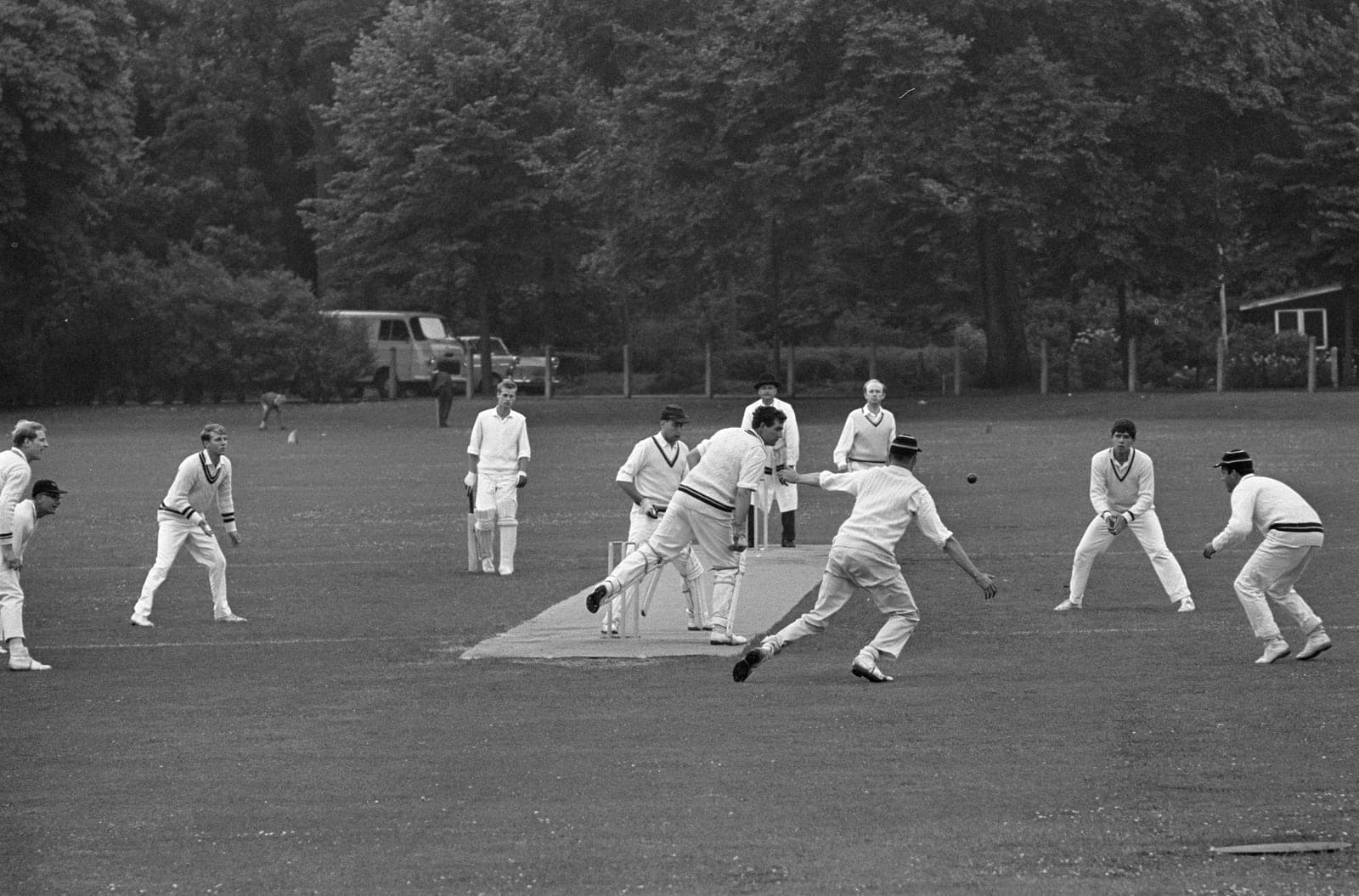
Cricket
A bat-and-ball team sport where sides take turns to bat and to bowl and field, scoring runs.

Football
The world’s most popular team sport — endless running, teamwork and community in one game.

Basketball
A fast, dynamic team sport of running, jumping and quick decisions on court.
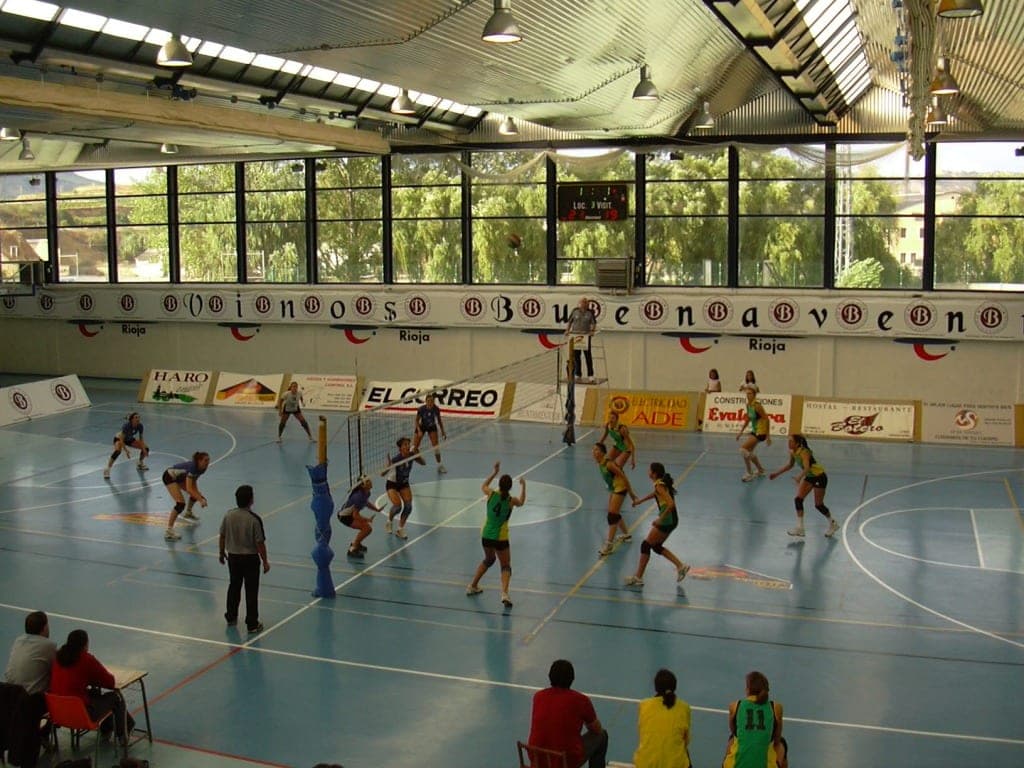
Volleyball
A non-contact team sport of rallies, jumps and teamwork — indoors or on the beach.
American Football
A strategic, position-based team sport of set plays, sprinting and coordinated teamwork on a marked field.
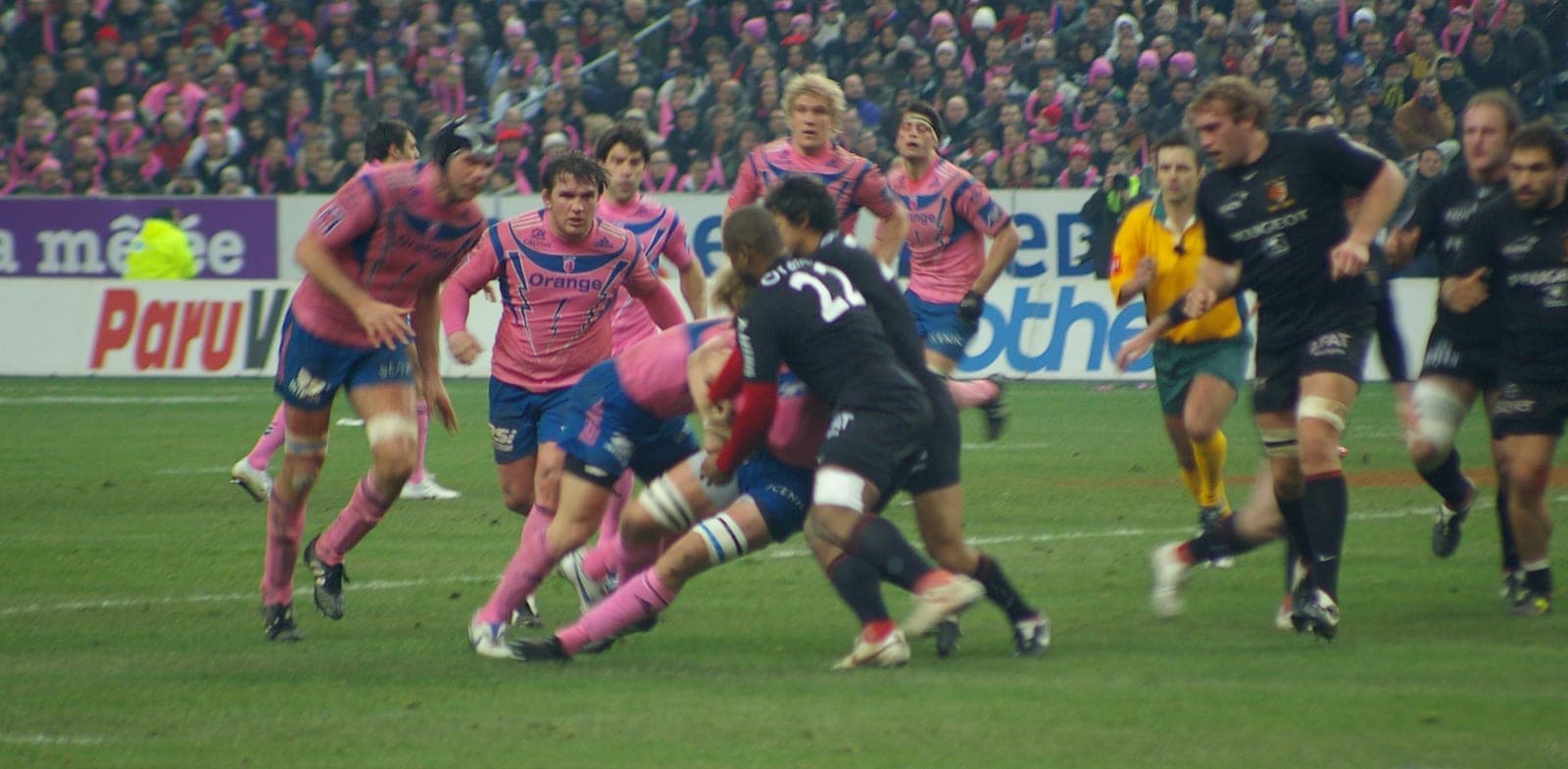
Rugby
A physical team sport of carrying, passing and kicking an oval ball toward the opposing line.
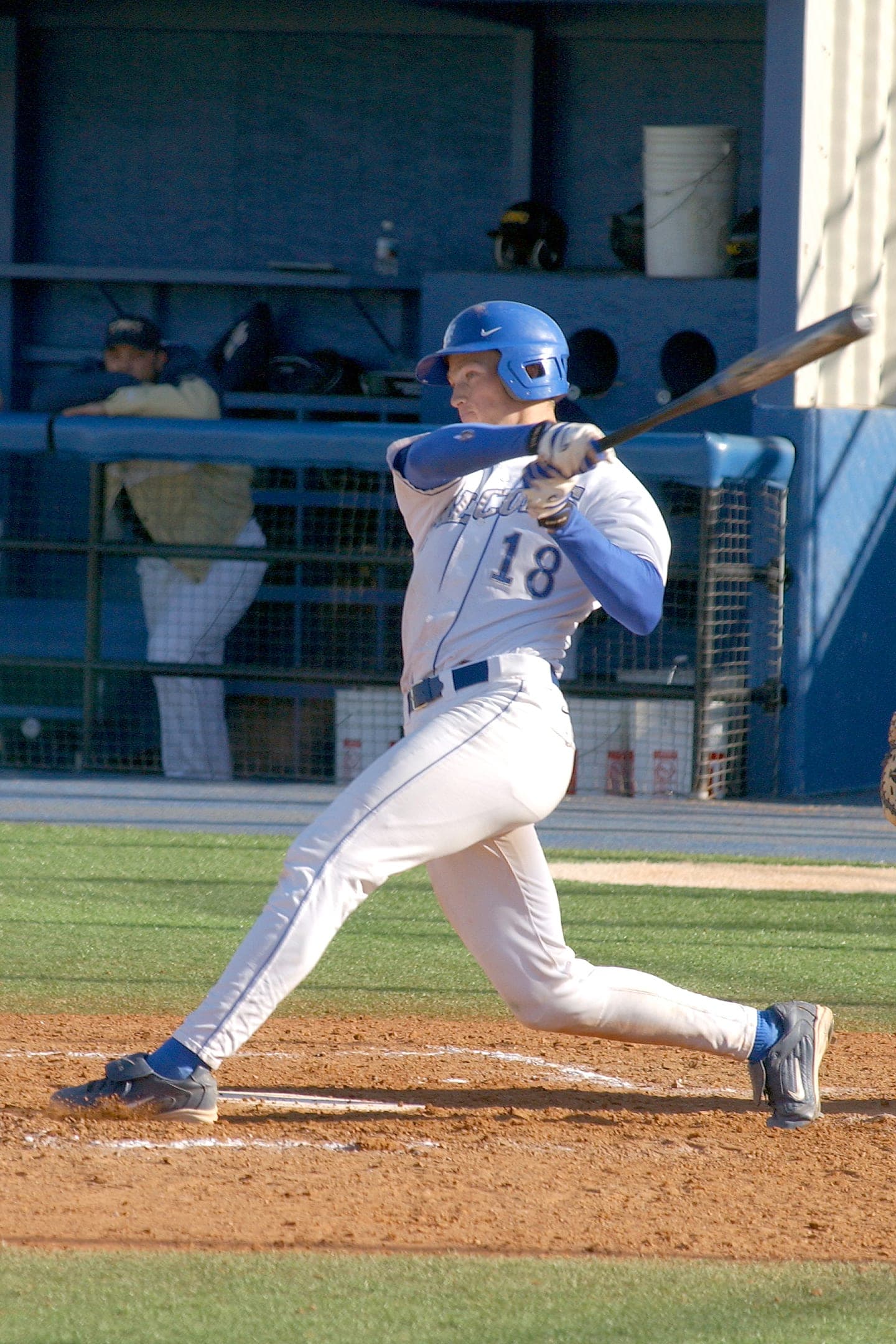
Baseball
A bat-and-ball team sport where two sides alternate between batting and fielding to score runs.
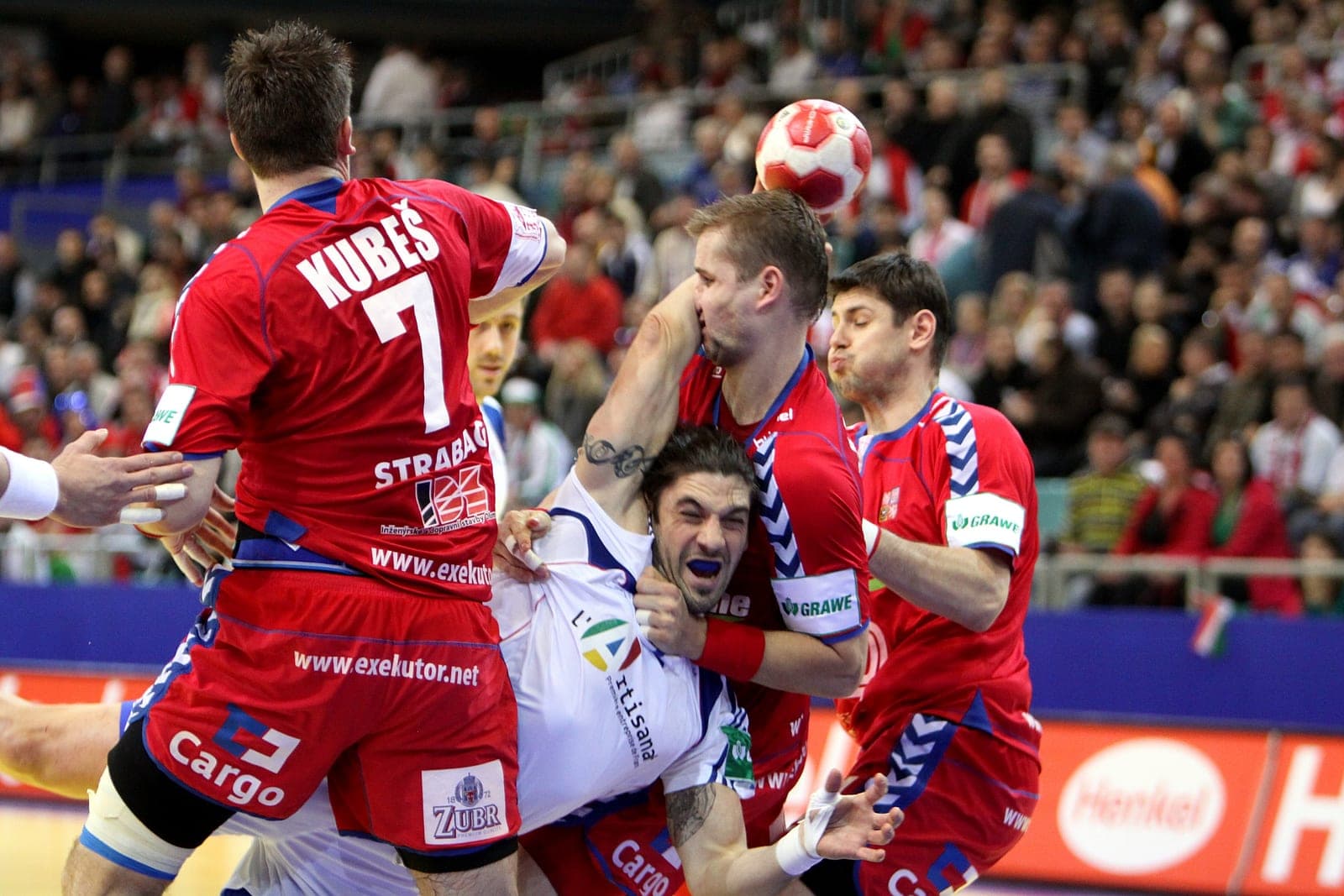
Handball
A fast indoor team sport of passing, jumping and throwing to score with the hands.

Triathlon
A multi-sport endurance event that links swimming, cycling and running into one continuous race.
Functional Fitness
Varied, whole-body training built around everyday movement patterns like squatting, lifting and carrying.
Related strategies
Attacking vs Defensive Balance
The overarching choice a team or athlete makes about how much to commit to creating scoring chances versus avoiding conceding, and when to shift it.
Pacing and Energy Management
Pacing and energy management is the overarching plan for distributing a limited supply of physical effort across an event so you avoid fading early and finish strong.
Controlling Tempo
Controlling tempo is the strategy of dictating the pace and rhythm of play — speeding up or slowing down — to suit your strengths and unsettle opponents.
How it connects
The meaning-bearing relationships that place Specialisation vs Versatility in the wider knowledge graph — each one with the reason it exists.
Frequently learned together
Taught side by side in the same stage of a learning path.
- Court coverage and rotationBoth are taught in the “Understand tactics & strategy” stage of the Volleyball learning path.
- Serve-receive formationBoth are taught in the “Understand tactics & strategy” stage of the Volleyball learning path.
- Playing the percentagesBoth are taught in the “Understand tactics & strategy” stage of the Volleyball learning path.
- Exploiting MatchupsBoth are taught in the “Understand tactics & strategy” stage of the Volleyball learning path.
- Building momentumBoth are taught in the “Understand tactics & strategy” stage of the Volleyball learning path.
Explore across the knowledge base
Follow the threads that connect Specialisation vs Versatility to the rest of SocialSportHub.
Tactics
- Court coverage and rotationVolleyball positioning where players rotate through positions and cover the court as one coordinated unit.
- Serve-receive formationHow a volleyball team arranges its passers to receive the serve and set up a clean first attack.
- DraftingRiding, running or swimming close behind another competitor to save energy in their slipstream.
- Breakaway and pelotonThe cycling tension between the main pack riding together and small groups that break clear to gain time.
- Territory versus possessionRugby union's central strategic trade — when to keep the ball and when to kick it away — and why the 22-metre line makes field position worth more than possession in some parts of the field.
Positions
- GoalkeeperThe goalkeeper is the last line of defence in football and the only player allowed to handle the ball inside their own penalty area.
- LiberoThe libero is a defensive volleyball specialist who wears a contrasting shirt, plays only in the back row, and cannot attack the ball above the height of the net.
- SetterThe setter is volleyball’s playmaker, taking the team’s second contact and delivering accurate sets for hitters to attack.
- Scrum-halfThe scrum-half is rugby’s link between forwards and backs, feeding the scrum and delivering quick, accurate passes to launch attacks.
- Point guardThe point guard is basketball’s primary ball-handler and playmaker, running the offence and setting up teammates to score.
Learning paths
- Learn FootballA structured, educational learning path for football — from the rules to skills, techniques, tactics and training.
- Learn BasketballA structured, educational learning path for basketball — from the rules to skills, techniques, tactics and training.
- Learn VolleyballA structured, educational learning path for volleyball — from the rules to skills, techniques, tactics and training.
- Learn RugbyA structured, educational learning path for rugby — from the rules to skills, techniques, tactics and training.
- Learn CricketA structured, educational learning path for cricket — from the rules to skills, techniques, tactics and training.
Player roles
- Utility playerA dependable, versatile player who can competently fill several different positions as the team needs, rather than specialising in just one.
- All-RounderAn all-rounder is a versatile player who contributes across attack and defence rather than specialising in a single phase, position, or skill.
- Set-Piece SpecialistA player a team relies on to take or defend dead-ball restarts — free-kicks, corners, penalties, and serves — with practiced accuracy and composure.
- CaptainThe captain is a team's on-field leader who communicates, makes in-game decisions and sets standards — a role any player can hold, not a fixed position.
- PlaymakerThe playmaker is a team's creative hub — the player who orchestrates attacks, controls the tempo and distributes the ball so teammates can score.
Go deeper with Specialisation vs Versatility
Everywhere else on the platform that covers Specialisation vs Versatility — assembled from what actually references it, so nothing here is a dead end.
Learn it
Structured courses and paths on the platform that cover this directly.
- Volleyball courseTeaches Specialisation vs Versatility in its “Understand tactics & strategy” stage.
- Baseball courseTeaches Specialisation vs Versatility in its “Understand tactics & strategy” stage.
- American Football courseTeaches Specialisation vs Versatility in its “Understand tactics & strategy” stage.
- Triathlon courseTeaches Specialisation vs Versatility in its “Understand tactics & strategy” stage.
How this page is maintained
- Content type
- Strategy
- Provenance
- Tier A — evergreen educational
- Verified external sources
- 0
- Content updated
- 2026-09-12
Evergreen, first-party explanation — it makes no claim that needs an external source. How we handle sources and reviews.