
Leadership communication
How players who lead — captains or not — communicate to organise, encourage and give direction, drawing teammates into a shared plan.
Overview
Leadership communication is the way players who take a leading role talk in order to organise, encourage and give direction. It overlaps with captaincy but is broader: leadership in a team usually comes from several people, and much of it is informal — an experienced player steadying a tense moment, or someone quietly organising a defence. It is about influence through communication rather than a formal title.
What good leadership communication looks like is highly contextual. In some sports and teams it is vocal and directive; in others it is sparing and mostly by example. It tends to work through clarity and trust rather than volume, and it does not by itself guarantee performance — a well-organised message still has to be received and acted on.
How it works
- It is how leading players communicate to organise, encourage and give direction to teammates.
- Leadership is not limited to the captain — in most teams it comes from several players, formally and informally.
- Much of it is carried by example and tone, not only by instructions.
- It works through clarity and trust rather than volume, and still depends on teammates receiving the message.
- What counts as good leadership communication varies strongly by sport, team and level.
In practice
- In basketball or volleyball an experienced player might organise the defence or reset the group after a mistake.
- In a doubles game like padel, badminton or tennis, leadership is shared between two players and is often about staying on the same page.
- In endurance settings such as cycling, leadership can be as much about pacing and reassurance as about giving instructions.
Educational — and it varies
Where it shows up
Sports where this communication is especially visible — each with a clear guide.
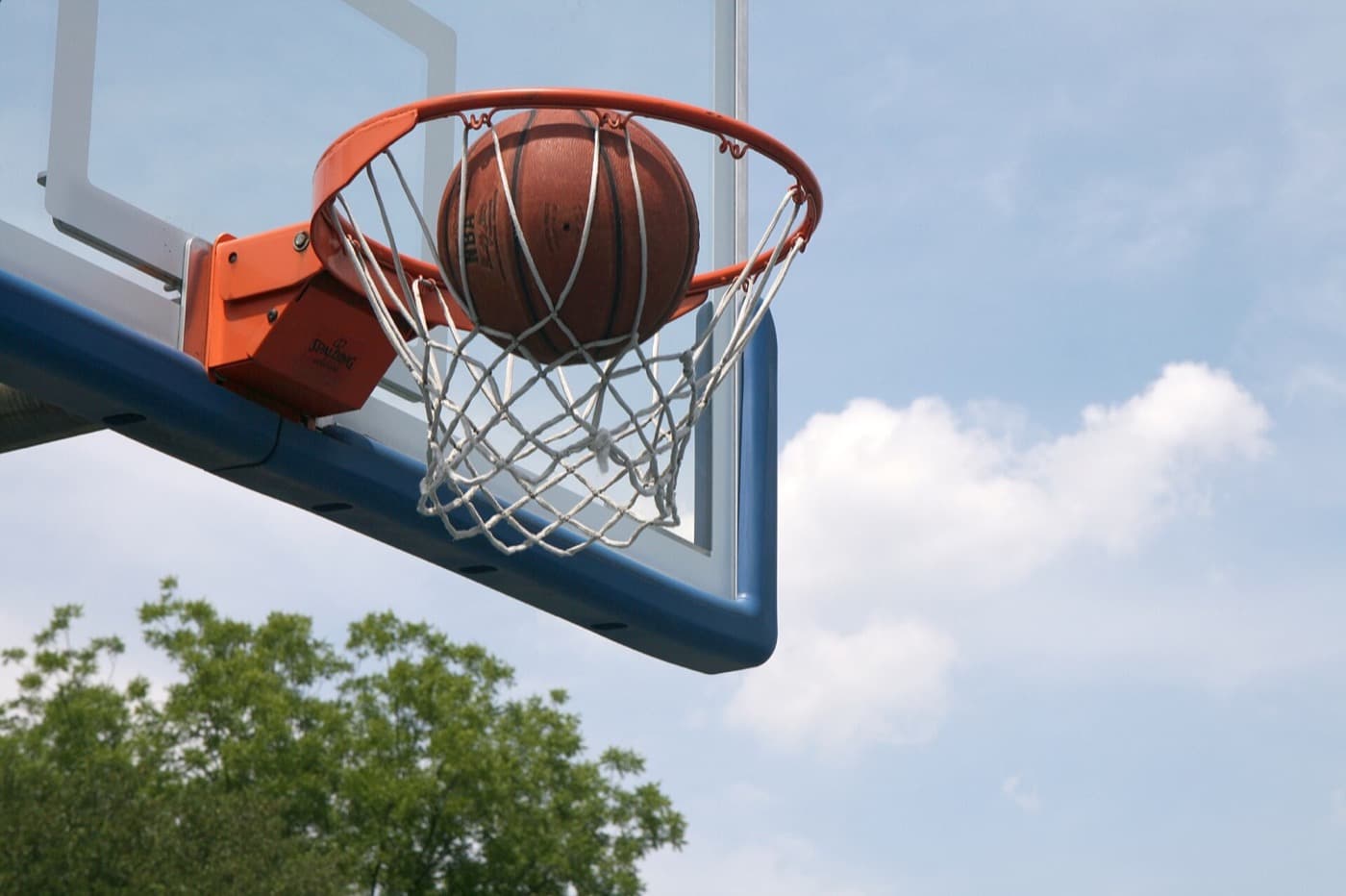
Basketball
A fast, dynamic team sport of running, jumping and quick decisions on court.
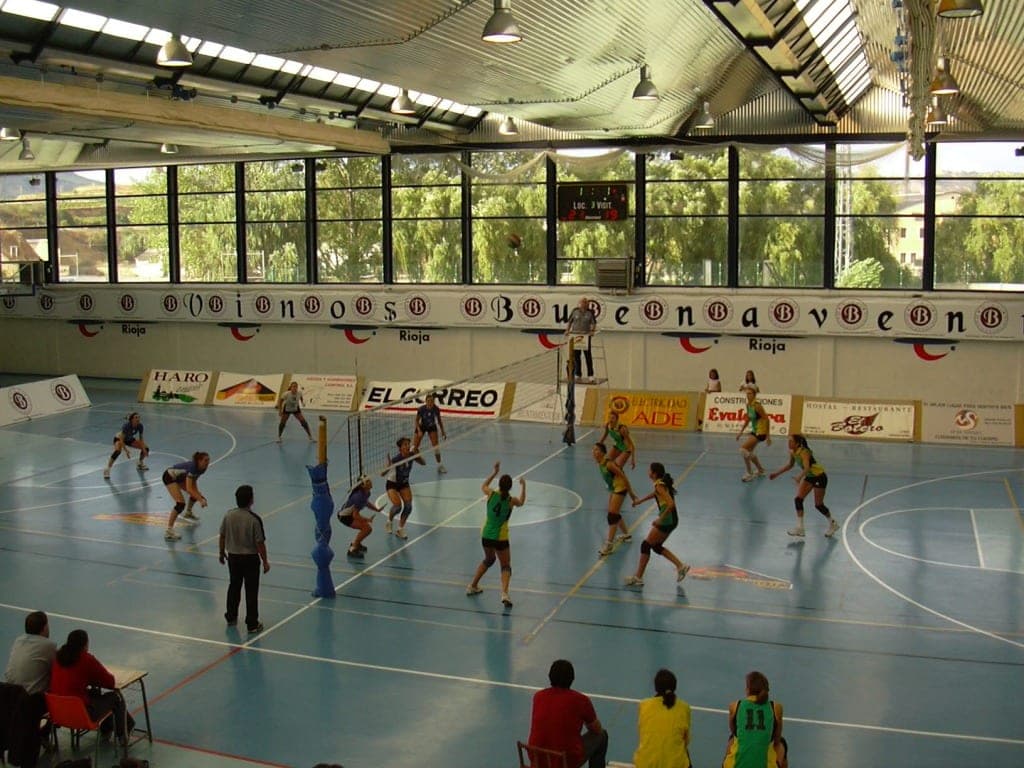
Volleyball
A non-contact team sport of rallies, jumps and teamwork — indoors or on the beach.
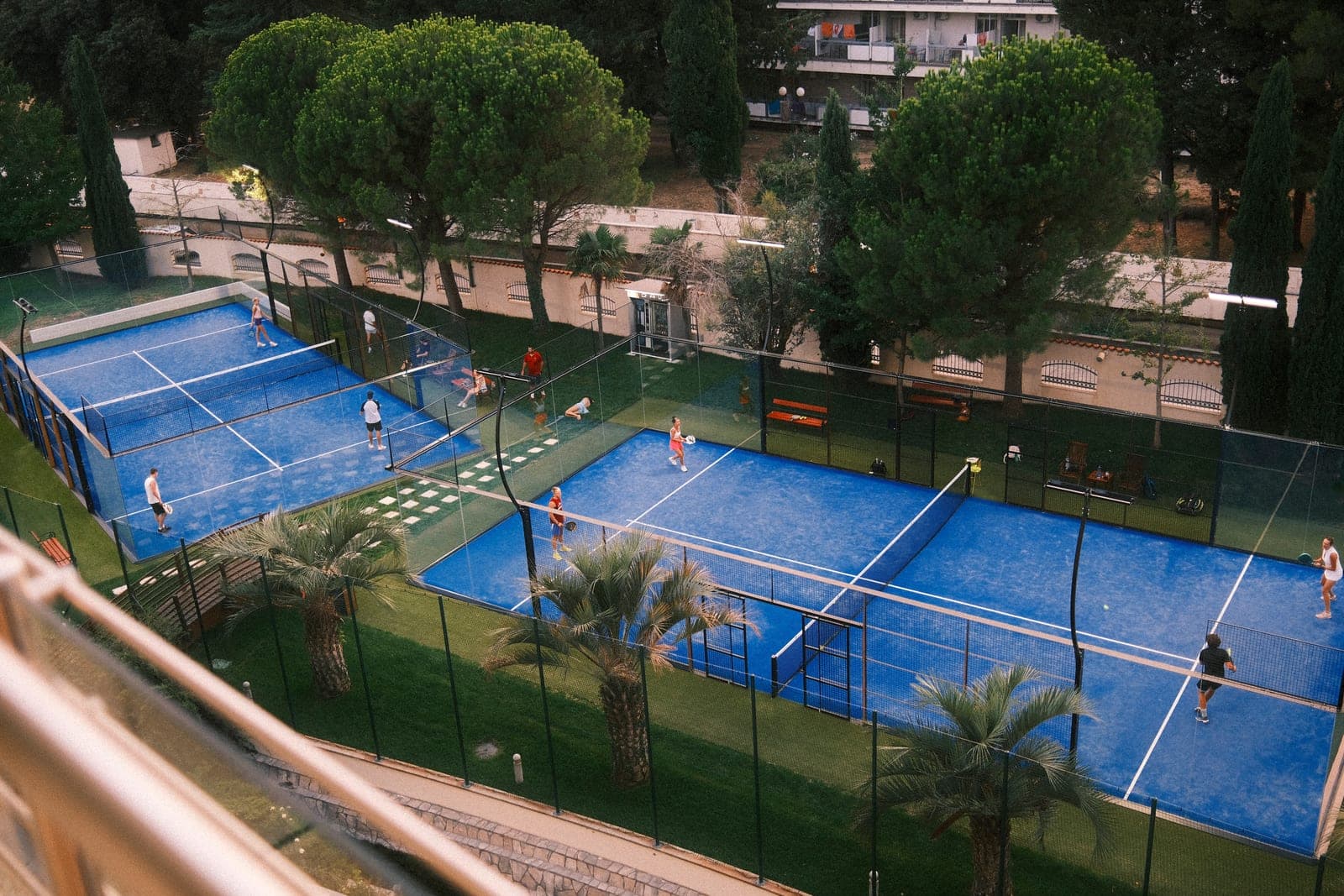
Padel
A sociable, doubles-first racquet sport played in an enclosed court where the walls stay in play.

Cycling
A low-impact endurance sport that doubles as transport, exercise and adventure.
Frequently asked questions
Is leadership communication only for captains?
No — while a captain has a formal role, leadership in a team usually comes from several players, much of it informally through example, tone and organising in the moment. It tends to work through clarity and trust rather than volume, and what it looks like varies a lot by sport, team and level.
Explore across the knowledge base
Follow the threads that connect Leadership communication to the rest of SocialSportHub.
Player roles
- PlaymakerThe playmaker is a team's creative hub — the player who orchestrates attacks, controls the tempo and distributes the ball so teammates can score.
- CaptainThe captain is a team's on-field leader who communicates, makes in-game decisions and sets standards — a role any player can hold, not a fixed position.
Knowledge Atlas
Sport categories
How this page is maintained
- Content type
- Communication concept
- Provenance
- Tier A — evergreen educational
- Verified external sources
- 0
- Content updated
- 2026-07-12
Evergreen, first-party explanation — it makes no claim that needs an external source. How we handle sources and reviews.