
Adaptive sport organisations
The bodies and groups — international, national and local — that organise, govern and support adaptive and para sport.
Overview
Adaptive sport is supported by a network of organisations working at different levels. Internationally, sport-specific federations and multi-sport bodies set rules and run major events. Nationally, governing bodies and disability-sport organisations develop their sports, train coaches and run competitions. Locally, clubs, leisure providers and community groups deliver the sessions where most people actually take part.
These organisations are the authoritative sources for their own sports — for rules, classification, eligibility, safeguarding and how to get involved. This is general educational information about the kinds of organisations that exist, rather than a directory. For accurate, up-to-date details about a specific sport, contact its governing body directly, and a qualified professional for advice specific to an individual.
What to know
- A network of organisations supports adaptive sport at international, national and local levels.
- International federations and multi-sport bodies set rules and run major events.
- National governing bodies and disability-sport organisations develop sports, coaches and competitions.
- Local clubs, leisure providers and community groups deliver most day-to-day participation.
- Each governing body is the authoritative source for its own sport's rules and pathways.
In practice
- Some organisations focus on a single sport; others support many sports or a particular group of athletes.
- A national governing body or a local club is usually the quickest route to finding a session near you.
- Details such as rules, classification and safeguarding differ by sport and can change over time.
- For accurate, current information about a specific sport, ask its governing body directly.
Educational & inclusive
Related sports
Sports that connect to this topic — each with a clear, beginner-friendly guide.
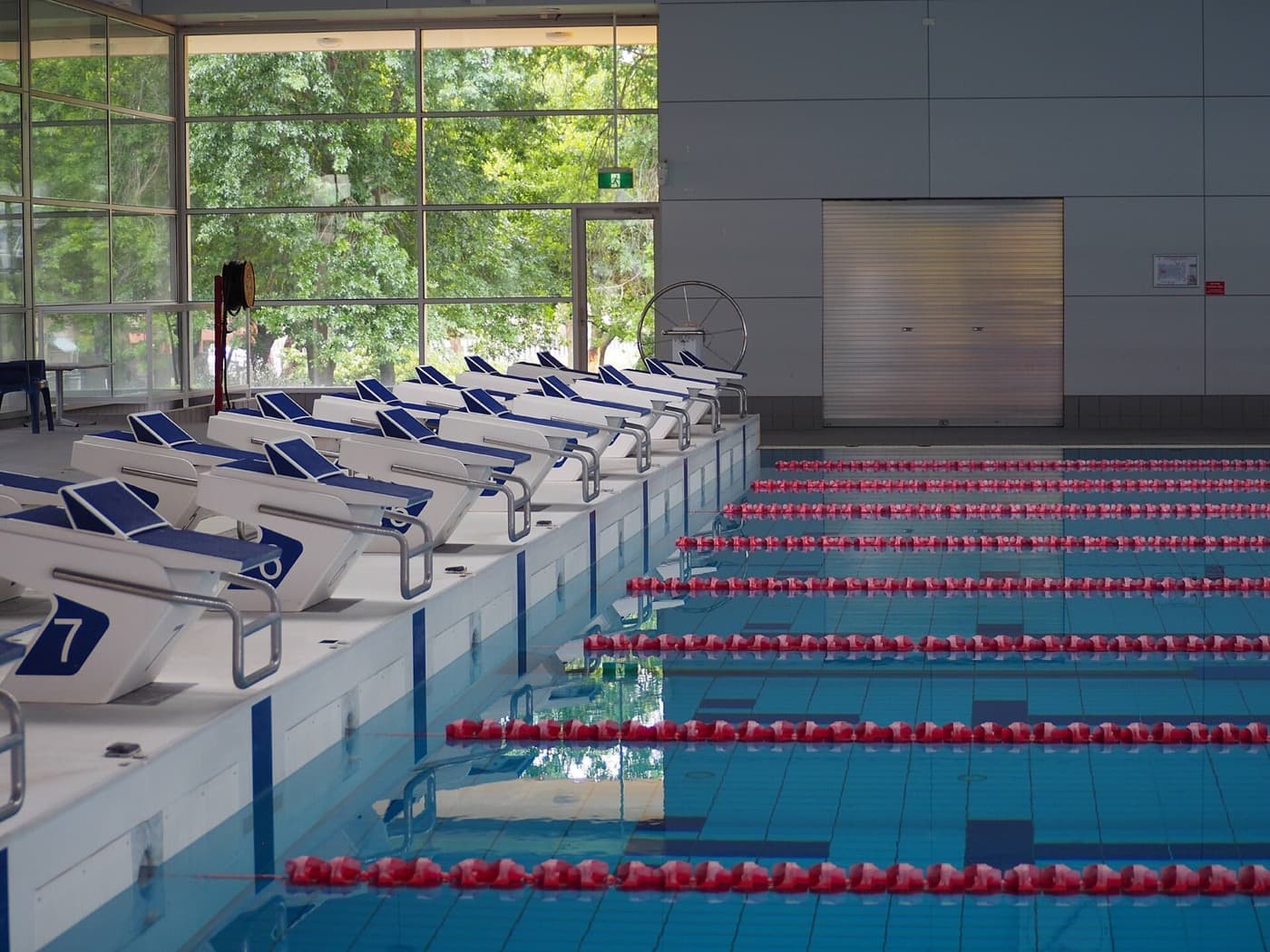
Swimming
A full-body, low-impact endurance sport suitable for almost every age and ability.
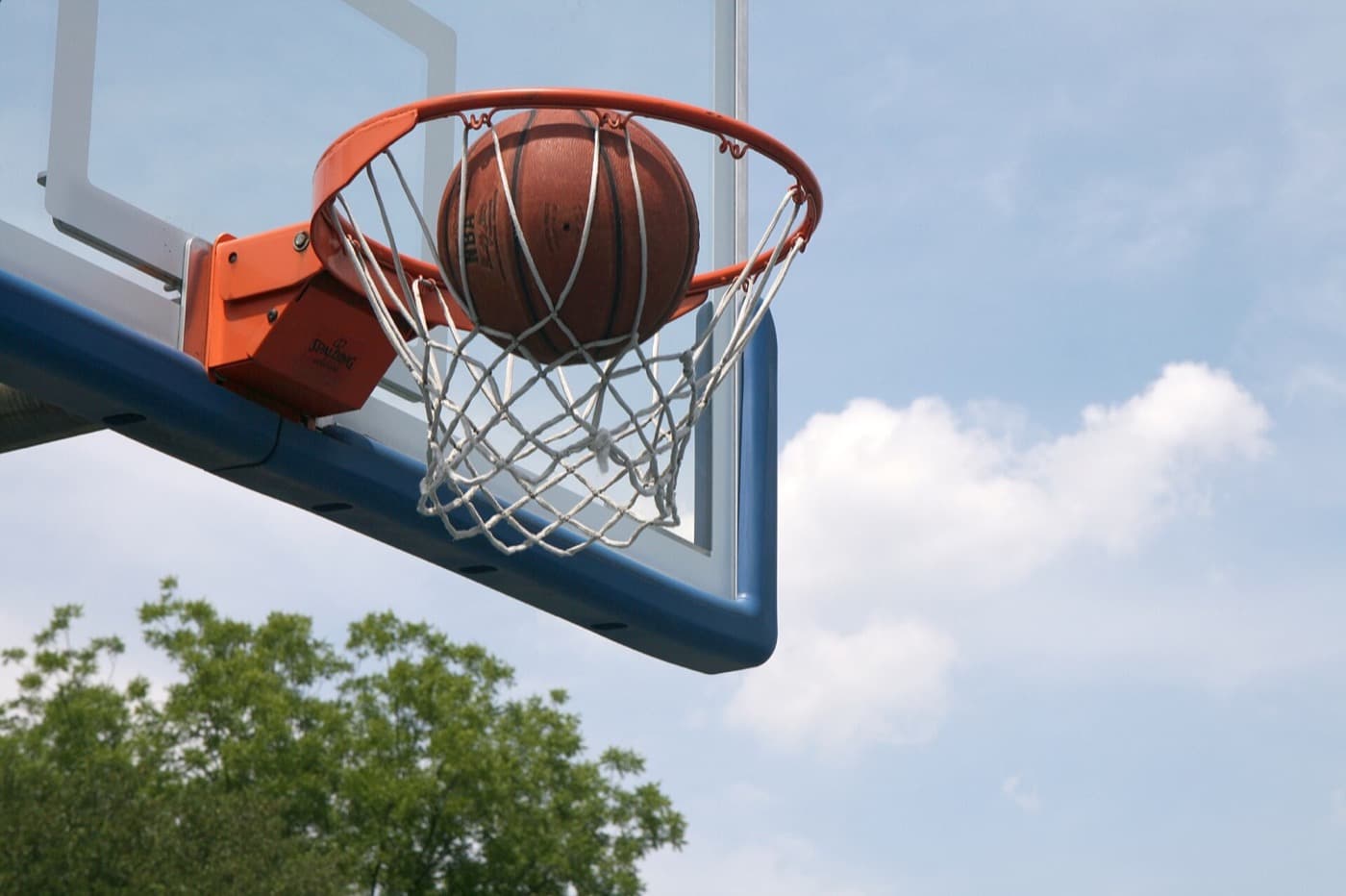
Basketball
A fast, dynamic team sport of running, jumping and quick decisions on court.
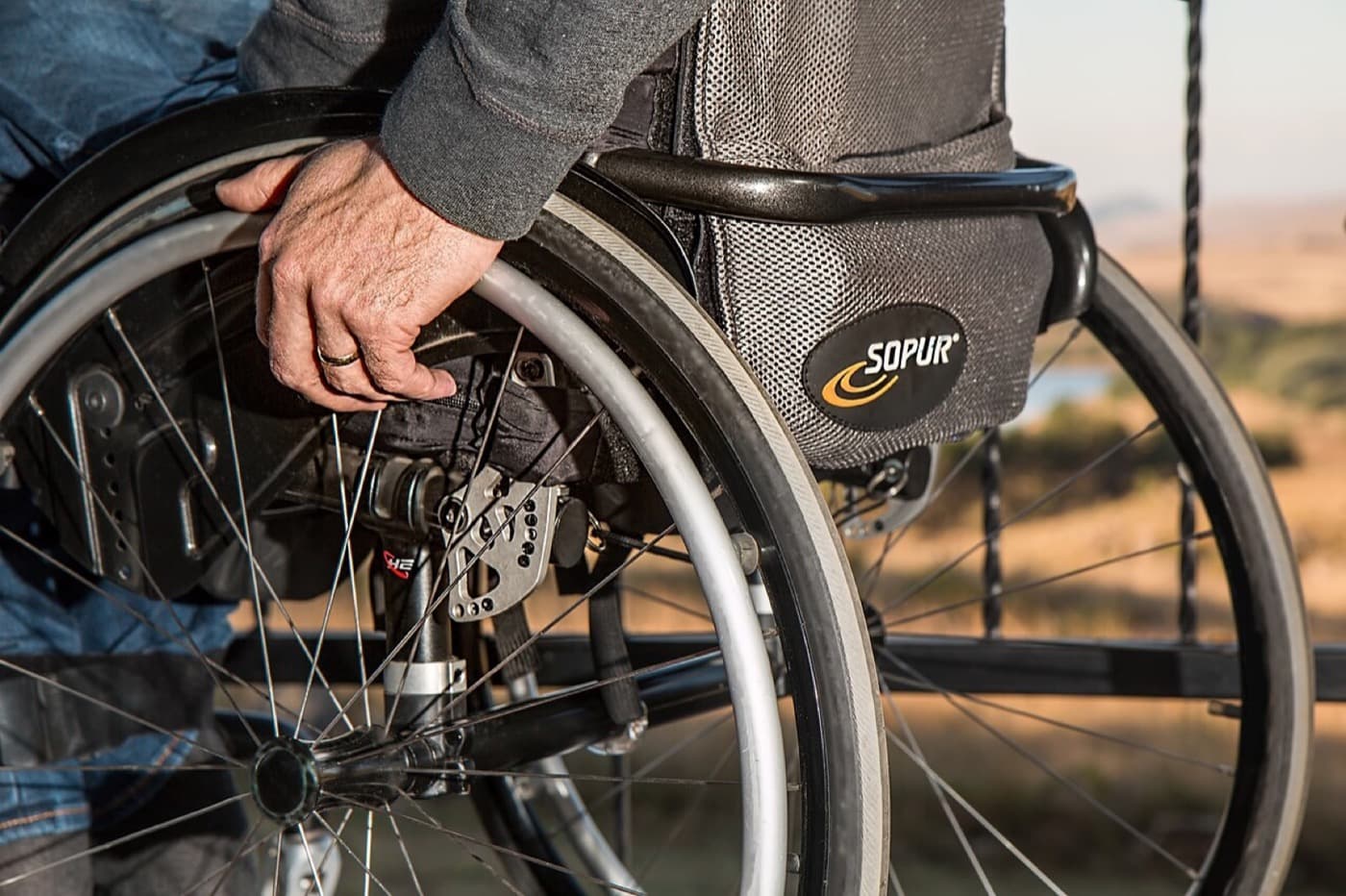
Cycling
A low-impact endurance sport that doubles as transport, exercise and adventure.
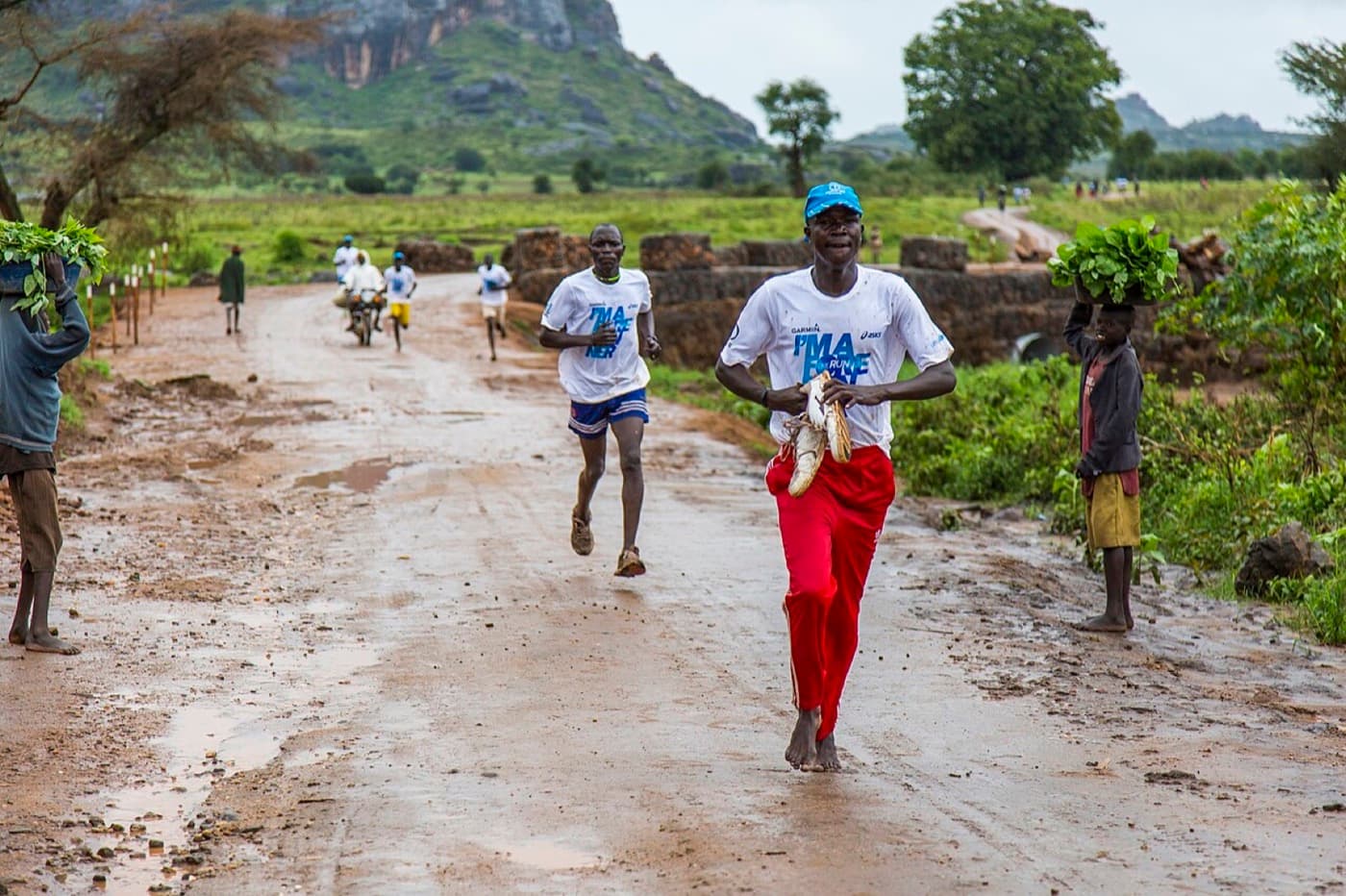
Running
The most accessible endurance sport — no venue, just shoes and the open road or trail.
Goals it supports
Become more active
Add regular, gentle movement to your everyday life and build up from a sedentary start at your own pace.
Social activities
Use sport as a way to meet people, make friends and stay connected while staying active.
Build an active lifestyle
Make movement a natural, lasting part of daily life through activities and habits you genuinely enjoy.
Build confidence
Use sport and steady progress to feel more capable, comfortable and self-assured over time.
Frequently asked questions
Who organises adaptive and para sport?
A network of organisations does, at different levels: international federations and multi-sport bodies, national governing bodies and disability-sport organisations, and local clubs and community groups. Each governing body is the authoritative source for its own sport's rules, classification and pathways. For a specific sport, contacting its governing body directly is the best way to get accurate, current information.
Explore across the knowledge base
Follow the threads that connect Adaptive sport organisations to the rest of SocialSportHub.
Knowledge Atlas
Rules
Sports science
How this page is maintained
- Content type
- Adaptive sports topic
- Provenance
- Tier A — evergreen educational
- Verified external sources
- 0
- Content updated
- 2026-07-09
Evergreen, first-party explanation — it makes no claim that needs an external source. How we handle sources and reviews.