
Locomotor skills
Moving the body efficiently — running, sprinting, changing pace and getting into position.
Locomotor skills are the ways you move your body around the field, court or course. Efficient running form, the ability to accelerate, and quick, balanced footwork all decide how well you can get to where you need to be — often before any ball skill even comes into play.
These reward good technique as much as fitness: moving smoothly wastes less energy and leaves you better balanced for the next action. They connect closely to the physical qualities of speed and agility.
The skills in this family
In a sensible order to learn them — open any skill for a clear, beginner-friendly guide.
- 1
Running form
The skill of running with efficient, relaxed and balanced movement, so that more of the effort you put in goes into travelling forward.
- 2
Sprinting
The skill of running or riding at maximum controlled speed over a short distance.
- 3
Footwork
The skill of moving efficiently around the playing area to be in position for each shot or action.
- 4
Jumping
The skill of leaping powerfully and with timing to reach or contest the ball in the air.
Sports that use these skills
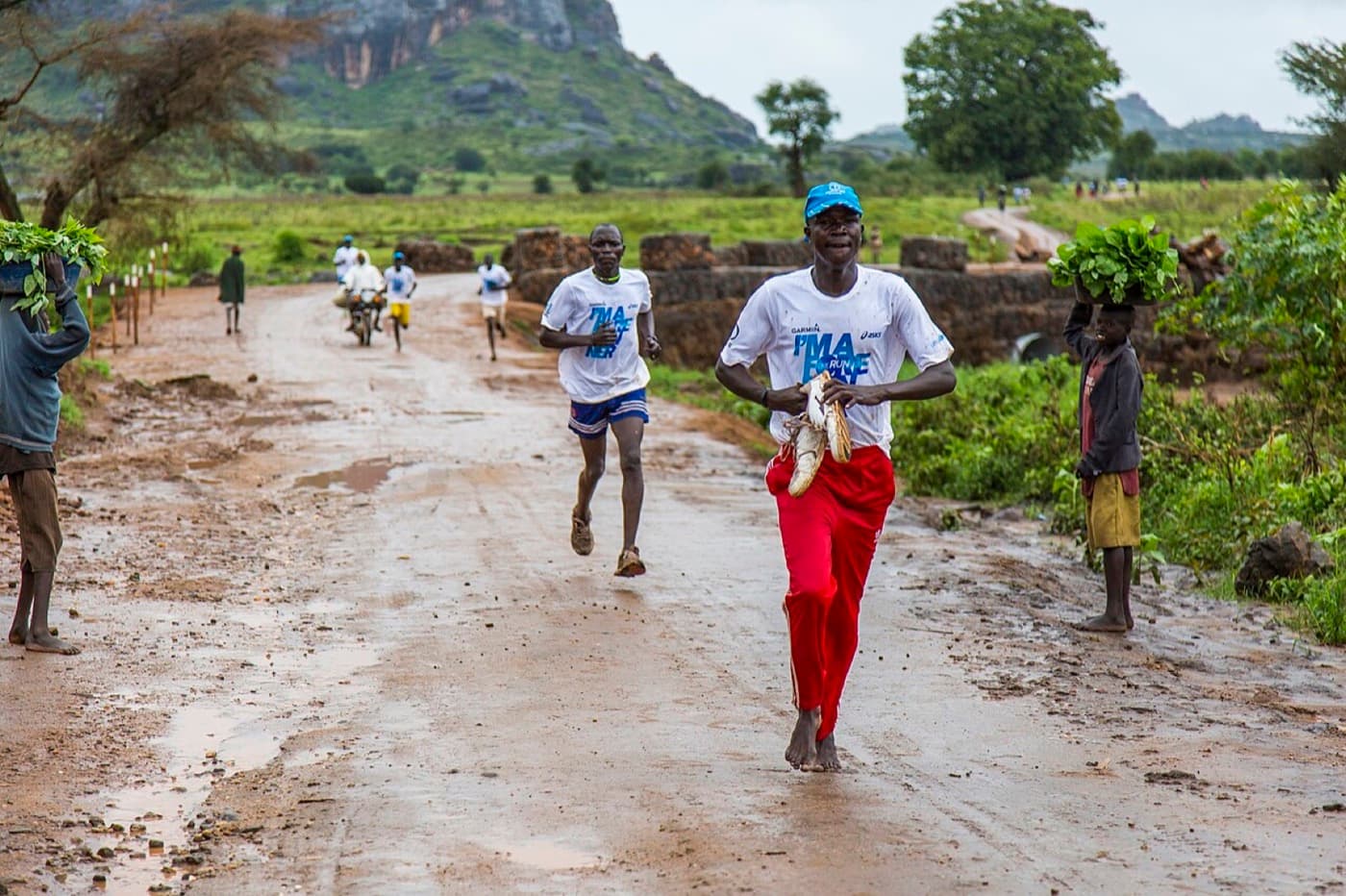
Running
The most accessible endurance sport — no venue, just shoes and the open road or trail.
Football
The world’s most popular team sport — endless running, teamwork and community in one game.
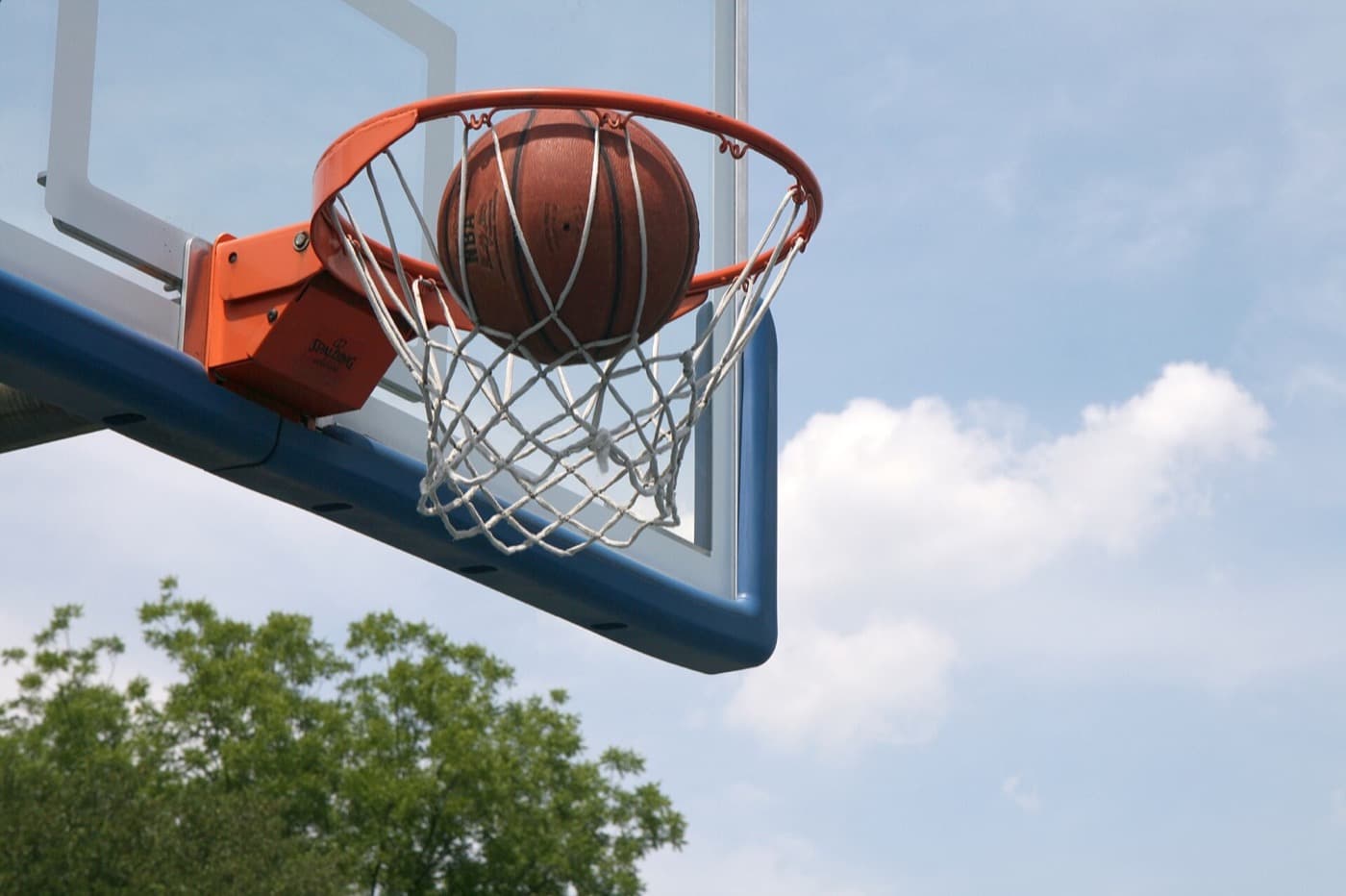
Basketball
A fast, dynamic team sport of running, jumping and quick decisions on court.
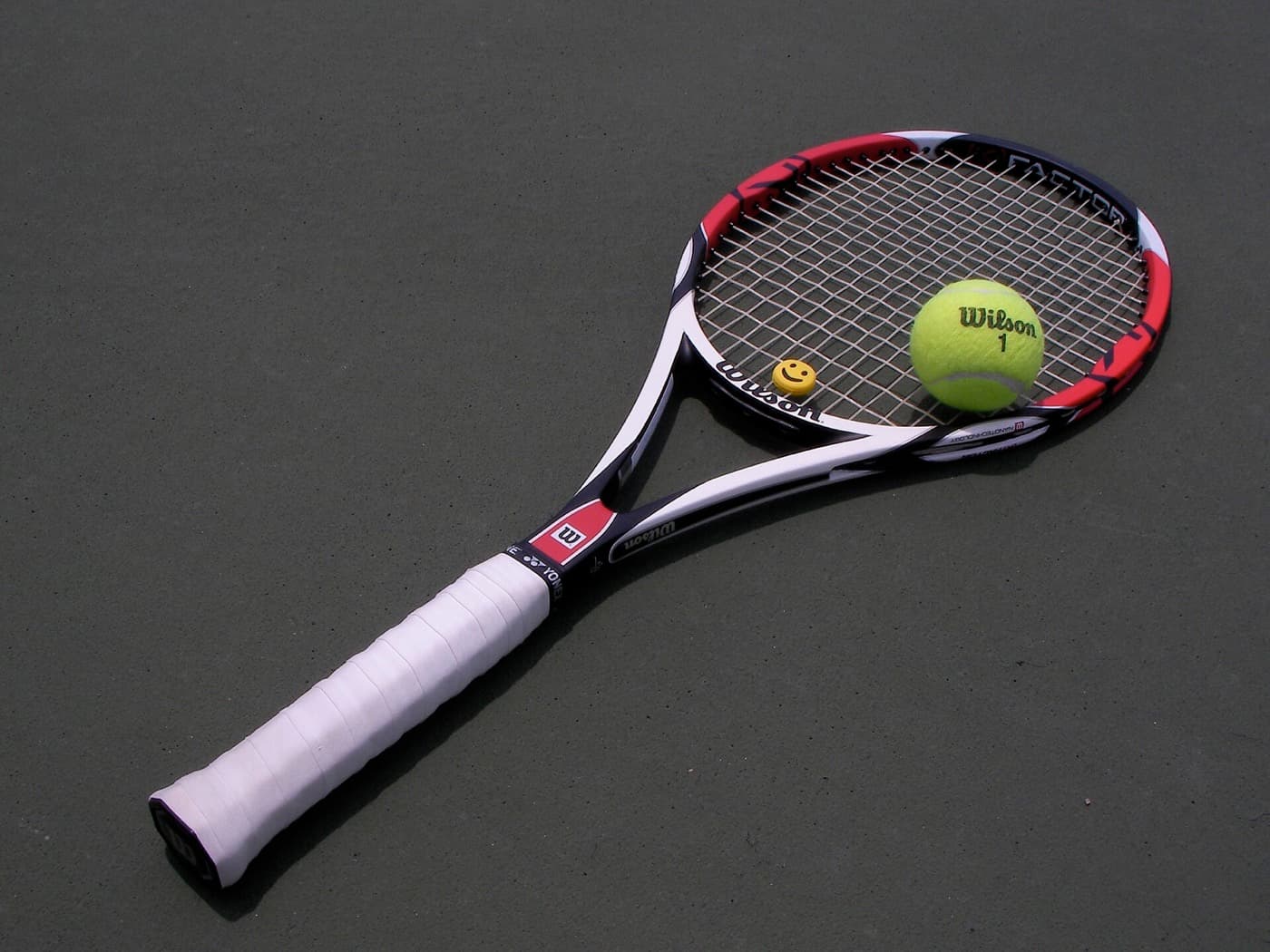
Tennis
A singles or doubles racquet sport that blends agility, strategy and stamina on court.
Other skill collections
How it connects
The meaning-bearing relationships that place Locomotor skills in the wider knowledge graph — each one with the reason it exists.
Broader than
A wider grouping that contains these.
- Running formRunning form is one of the 4 skills in the Locomotor skills collection.
- SprintingSprinting is one of the 4 skills in the Locomotor skills collection.
- FootworkFootwork is one of the 4 skills in the Locomotor skills collection.
- JumpingJumping is one of the 4 skills in the Locomotor skills collection.
Explore across the knowledge base
Follow the threads that connect Locomotor skills to the rest of SocialSportHub.
Knowledge Atlas
Techniques
- Movement and recovery in tennisWhy tennis footwork is mostly about getting back rather than getting there — the split step, the recovery position that is not the centre of the court, and sliding on clay.
- Running FormThe efficient posture and stride mechanics of distance running, keeping the body relaxed and the cadence smooth.
- LayupA close-range basketball shot taken while moving toward the basket, laying the ball softly off the backboard or over the rim.
- Cycling CadenceThe technique of pedalling at a smooth, steady rhythm and choosing a gear that keeps the legs turning efficiently.
Physical qualities
Recommendations
- Recommended for “Improve agility”Sports, qualities, a learning path and first steps for “Improve agility” — every suggestion a real graph link, shown with its reason.
- Recommended for “Return to sport”Sports, qualities, a learning path and first steps for “Return to sport” — every suggestion a real graph link, shown with its reason.
Glossary
- FootworkThe coordinated foot movements and patterns that position the body correctly to execute a skill under time pressure.
- Ground Contact TimeThe length of time a foot stays in contact with the ground during each step of running or sprinting.
- AgilityThe ability to rapidly change the body's speed or direction in response to a stimulus, combining quickness with in-the-moment decision-making.
- BalanceThe ability to control the body's position by keeping its centre of gravity over the base of support, whether still or moving.
- PivotRotating the body around one stationary foot to change facing or protect the ball without travelling.
Goals
- Improve agilityChange direction quickly and under control — the quality behind stopping, turning and accelerating again without losing balance.
- Become more activeAdd regular, gentle movement to your everyday life and build up from a sedentary start at your own pace.
- Return to sportEasing back into activity after time away, a long break or a period off through injury.
How this page is maintained
- Content type
- Skill collection
- Provenance
- Tier A — evergreen educational
- Verified external sources
- 0
- Content updated
- 2026-07-12
Evergreen, first-party explanation — it makes no claim that needs an external source. How we handle sources and reviews.
A way to organise, not a ranking
Learn the family, then the sport
Understand a family of skills, then follow it into the sports and learning paths that use them.