
Balance
The ability to control the body's position by keeping its centre of gravity over the base of support, whether still or moving.
Definition
Balance is the control of equilibrium, keeping the body's centre of gravity aligned over its base of support. It draws on a constant blend of information from the inner ear, the eyes and proprioception, which the nervous system integrates to make continual postural adjustments.
Coaches separate static balance, such as holding a gymnastic position, from dynamic balance, such as maintaining control while moving when a footballer strikes a ball on the run. Because nearly every skill is performed on the move, dynamic balance is especially important, and it interacts closely with core stability and coordination.
Where you’ll hear “balance”
Sports that use this term:
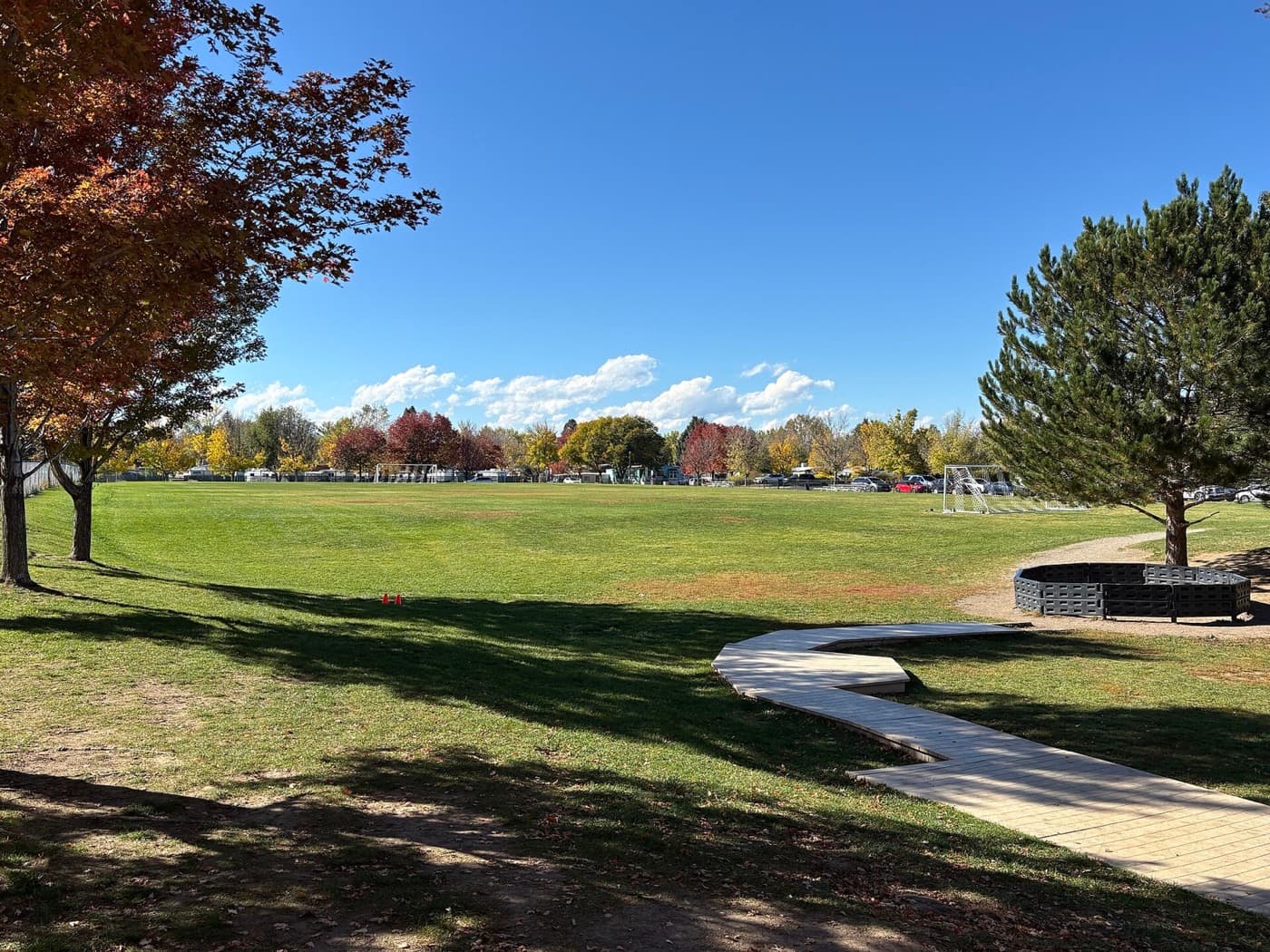
Football
The world’s most popular team sport — endless running, teamwork and community in one game.
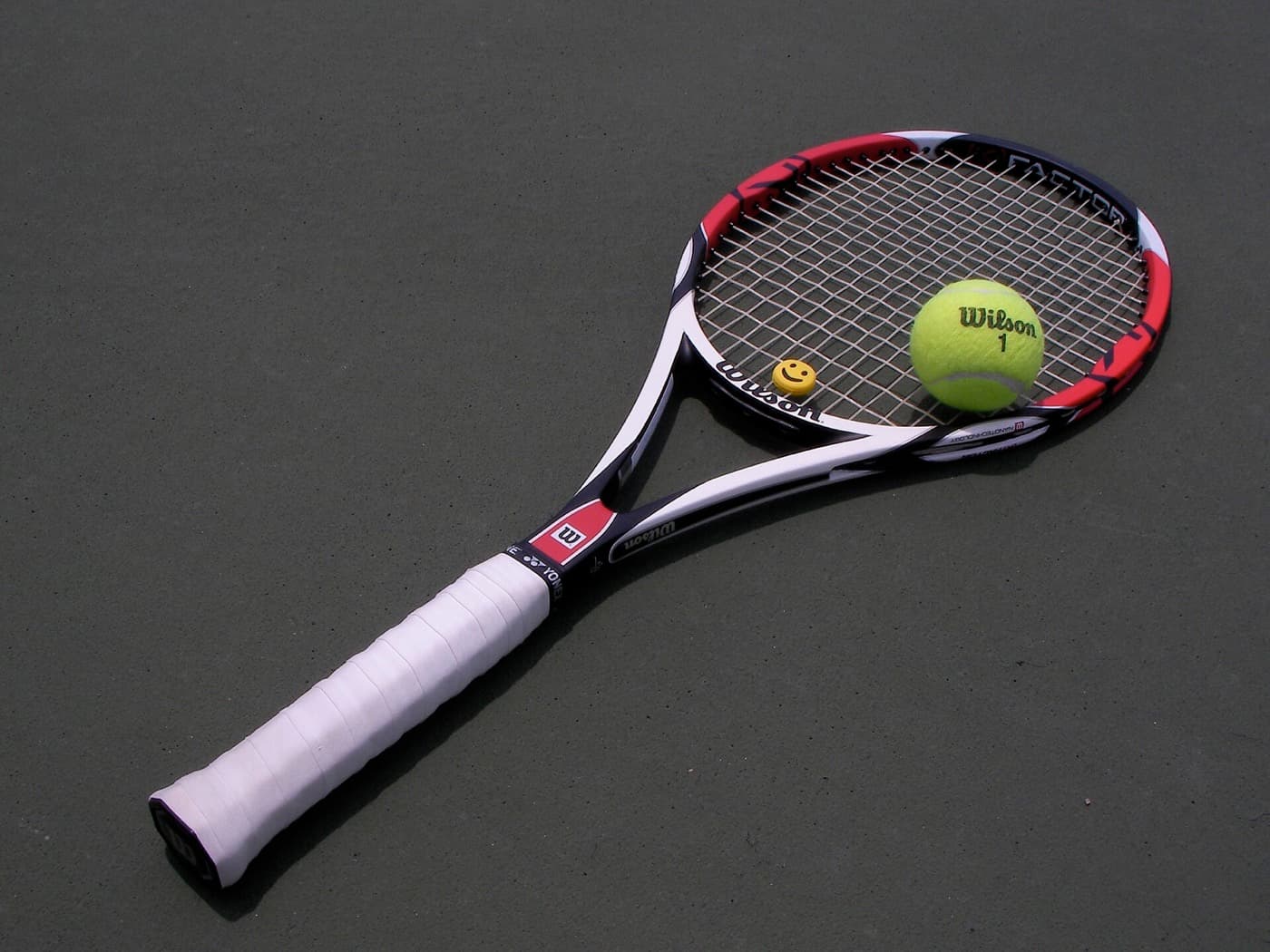
Tennis
A singles or doubles racquet sport that blends agility, strategy and stamina on court.
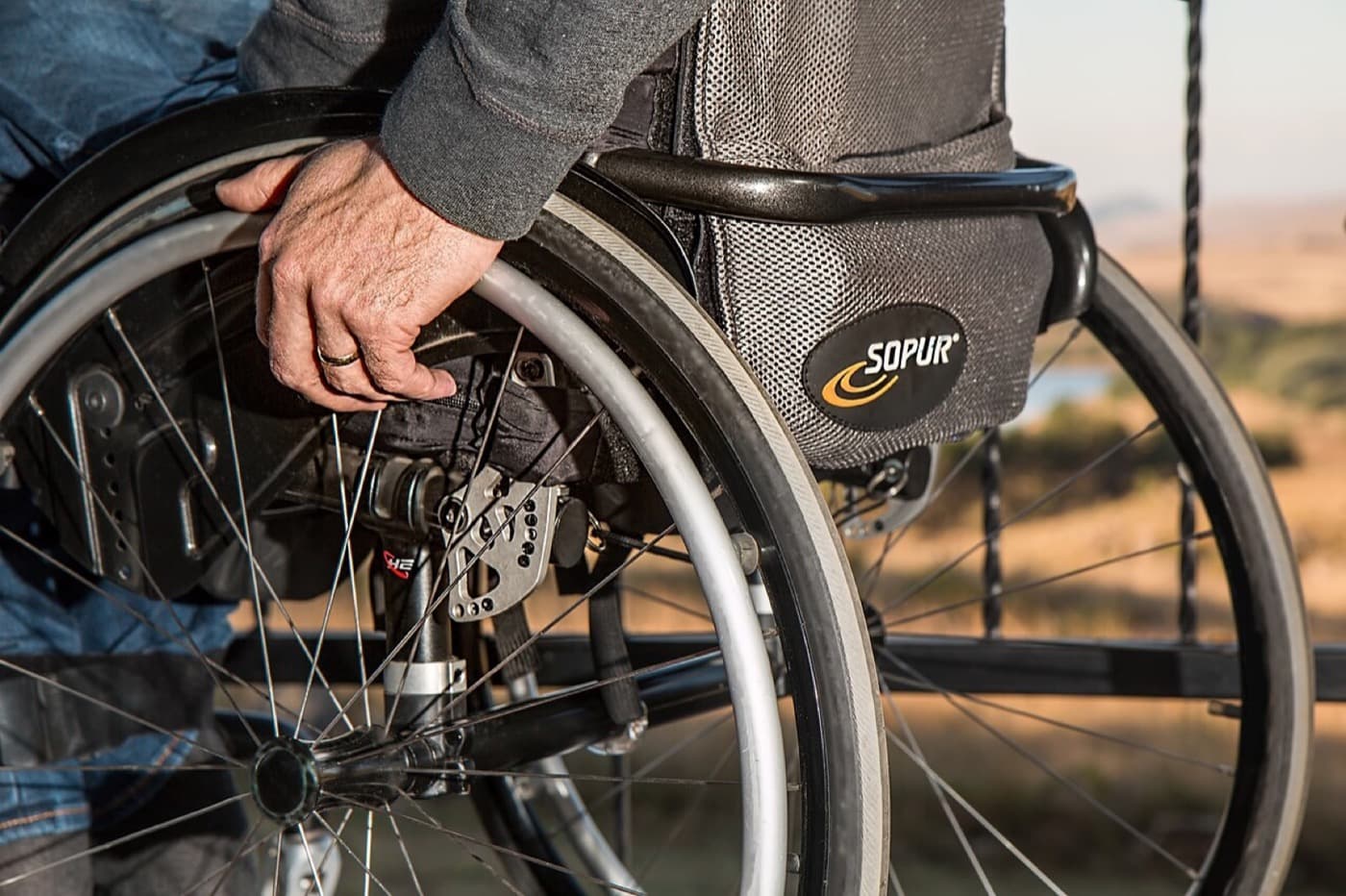
Cycling
A low-impact endurance sport that doubles as transport, exercise and adventure.

Fitness
Strength and general fitness training — the foundation that supports every other sport.
Explore across the knowledge base
Follow the threads that connect Balance to the rest of SocialSportHub.
Movement patterns
- BackpedalControlled backward locomotion performed while facing forward, staying low and pushing off the balls of the feet in short strides to stay reactive and keep play in view.
- GlideGlide is continuous, low-resistance locomotion in which the body holds a streamlined shape so that momentum generated by a preceding propulsive action carries it smoothly across a surface or through a medium.
- KickA ballistic single-support leg swing that whips force from the plant foot through the hip and knee to strike or propel a ball or target with the foot, distinct from the weight-bearing steps of locomotion.
- PivotA rotation of the body about one planted foot, reorienting the trunk and hips around a vertical axis without travelling to a new location.
- ReachExtending a limb toward a distant point or object, often at full stretch, by projecting a distal segment beyond the body's resting envelope while a stabilised base preserves balance and control.
Physical qualities
Training methods
Go deeper with Balance
Everywhere else on the platform that covers Balance — assembled from what actually references it, so nothing here is a dead end.
Take it away
Open data and the whole-platform view of this subject.
How this page is maintained
- Content type
- Term
- Provenance
- Tier A — evergreen educational
- Verified external sources
- 0
- Content updated
- 2026-09-01
Evergreen, first-party explanation — it makes no claim that needs an external source. How we handle sources and reviews.