
Agility
The ability to rapidly change the body's speed or direction in response to a stimulus, combining quickness with in-the-moment decision-making.
Definition
Agility is a compound athletic quality that blends physical change-of-direction speed with the perceptual and decision-making processes needed to react to an unfolding situation. Unlike a pre-planned sprint or cut, true agility is reactive: an athlete reads a cue, such as an opponent's movement or the flight of a ball, and adjusts accordingly, which makes it as much a cognitive skill as a physical one.
Coaches distinguish agility from simple change-of-direction speed, which is rehearsed and predictable. Sports such as tennis, badminton, football and basketball reward agility heavily because play is unpredictable and athletes must decelerate, reposition and re-accelerate under time pressure. Training typically pairs footwork drills with reactive games that force players to respond to a real or simulated stimulus.
Where you’ll hear “agility”
Sports that use this term:

Tennis
A singles or doubles racquet sport that blends agility, strategy and stamina on court.
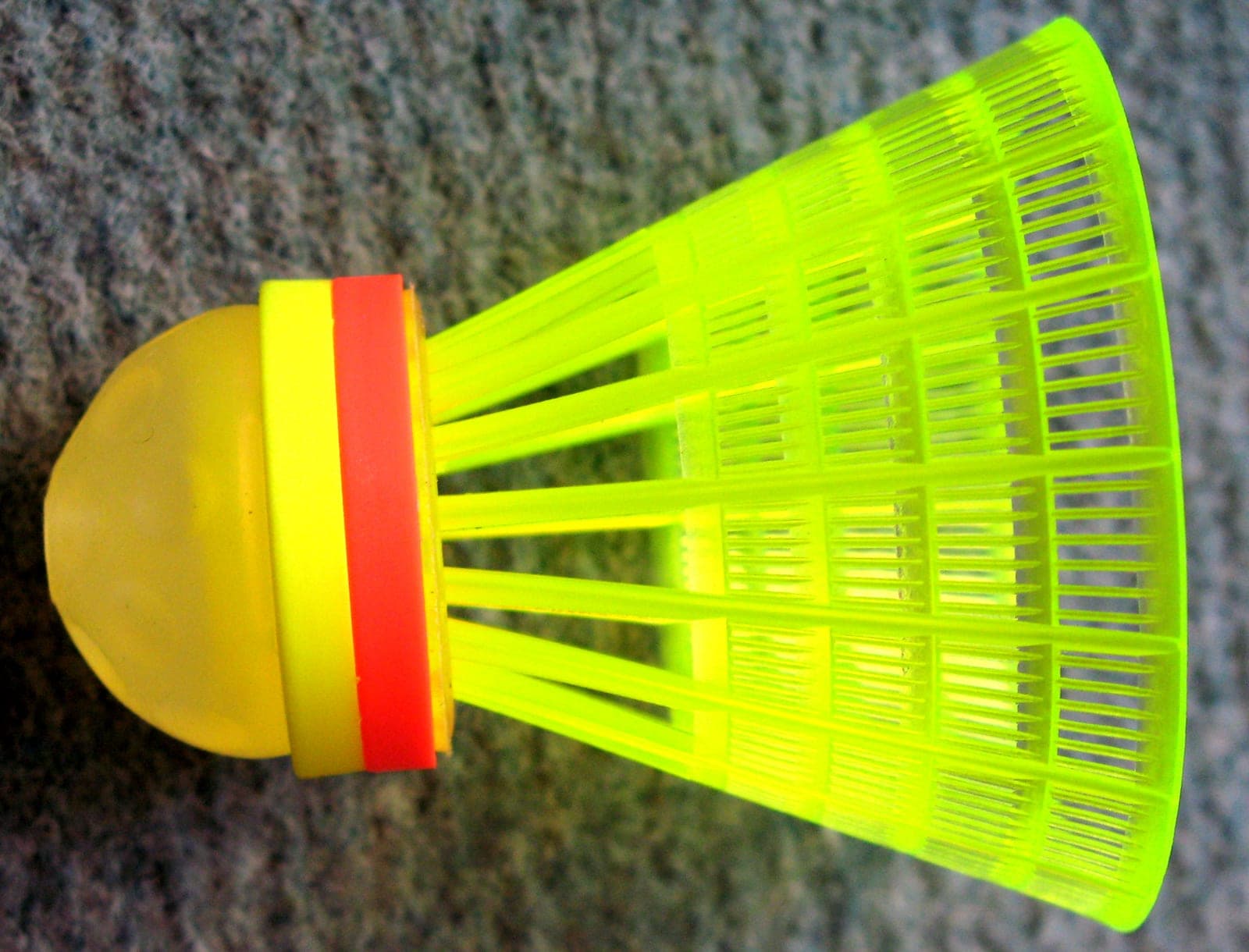
Badminton
A fast indoor racquet sport played with a shuttlecock that rewards agility and touch.

Football
The world’s most popular team sport — endless running, teamwork and community in one game.

Basketball
A fast, dynamic team sport of running, jumping and quick decisions on court.
Explore across the knowledge base
Follow the threads that connect Agility to the rest of SocialSportHub.
Movement patterns
- BackpedalControlled backward locomotion performed while facing forward, staying low and pushing off the balls of the feet in short strides to stay reactive and keep play in view.
- Change of DirectionA planned redirection of the body from one movement vector to another, requiring an athlete to decelerate existing momentum and reaccelerate along a new line between two known points.
- Crossover StepA lateral or diagonal travelling step in which one leg crosses over the other with accompanying hip and trunk rotation, trading a stable base for greater reach and speed.
- CutA sharp, frequently reactive plant-and-redirect performed in a single decisive foot contact to evade an opponent or abruptly alter a line of travel.
- PivotA rotation of the body about one planted foot, reorienting the trunk and hips around a vertical axis without travelling to a new location.
Decision making
- Pass selectionChoosing which pass to play, and to whom, from the options a moment offers — weighing space, risk and what the team is trying to do.
- Decision speedHow quickly a choice is made — the tempo of deciding, and how it trades off against getting the choice right.
- Shot selectionChoosing which shot to play from the options available — weighing the situation, the risk and what you are trying to achieve.
- Option recognitionSeeing what actions are actually available in a moment — the passes, shots or moves on offer — before choosing between them.
- When to defendJudging the moment to switch from attacking intent to protecting your goal, court or position — recognising when the situation calls for security over ambition.
Training methods
- Cross-TrainingCross-training mixes different activities into your routine so you build all-round fitness and give repeatedly-used muscles a change of stimulus.
- Mobility TrainingMobility training works on moving your joints actively through their full range, combining control and flexibility so movement feels free and easy.
Physical qualities
- AgilityChanging direction quickly and under control while staying balanced — decelerating, reorienting and re-accelerating without losing your feet.
- SpeedHow quickly you can move your body or a part of it from one point to another.
- Core stabilityThe ability of the muscles around your trunk to keep it stable while your limbs move.
- Cardiovascular enduranceThe ability to sustain whole-body activity for a long time while your heart, lungs and muscles keep up.
Go deeper with Agility
Everywhere else on the platform that covers Agility — assembled from what actually references it, so nothing here is a dead end.
Take it away
Open data and the whole-platform view of this subject.
How this page is maintained
- Content type
- Term
- Provenance
- Tier A — evergreen educational
- Verified external sources
- 0
- Content updated
- 2026-09-01
Evergreen, first-party explanation — it makes no claim that needs an external source. How we handle sources and reviews.