
Option recognition
Seeing what actions are actually available in a moment — the passes, shots or moves on offer — before choosing between them.
Overview
Option recognition is perceiving what you can actually do right now — which passes are on, which shots are available, which moves the situation allows. It sits just before choosing: you can only select well from options you have noticed, and players often differ more in the options they see than in the choice they make once they have seen them.
What counts as a real option depends on the moment — your position, the opponents and your own range — so the menu is different every time and in every sport. It tends to widen with experience as players learn to spot possibilities a beginner would miss, but it remains a way of seeing rather than a fixed checklist, and under pressure the options a player actually perceives can shrink.
How it works
- It is noticing the actions genuinely available in a moment — the passes, shots or moves that are on.
- It comes before choosing: you can only select from the options you have actually perceived.
- The set of real options is situational — it depends on position, opponents and your own range.
- Players often differ more in the options they see than in how they choose among them.
- It tends to widen with experience, but it is a way of seeing, not a fixed list to run through.
In play
- In football or basketball, a player on the ball may see two or three passing options where another sees only one.
- In racket sports, recognising that a drop, a drive and a lob are all available shapes the shot that follows.
- Under pressure the visible options can shrink, so part of skill is still perceiving choices when rushed.
Educational — and it varies
Where it shows up
Sports where this decision is especially visible — each with a clear guide.

Football
The world’s most popular team sport — endless running, teamwork and community in one game.
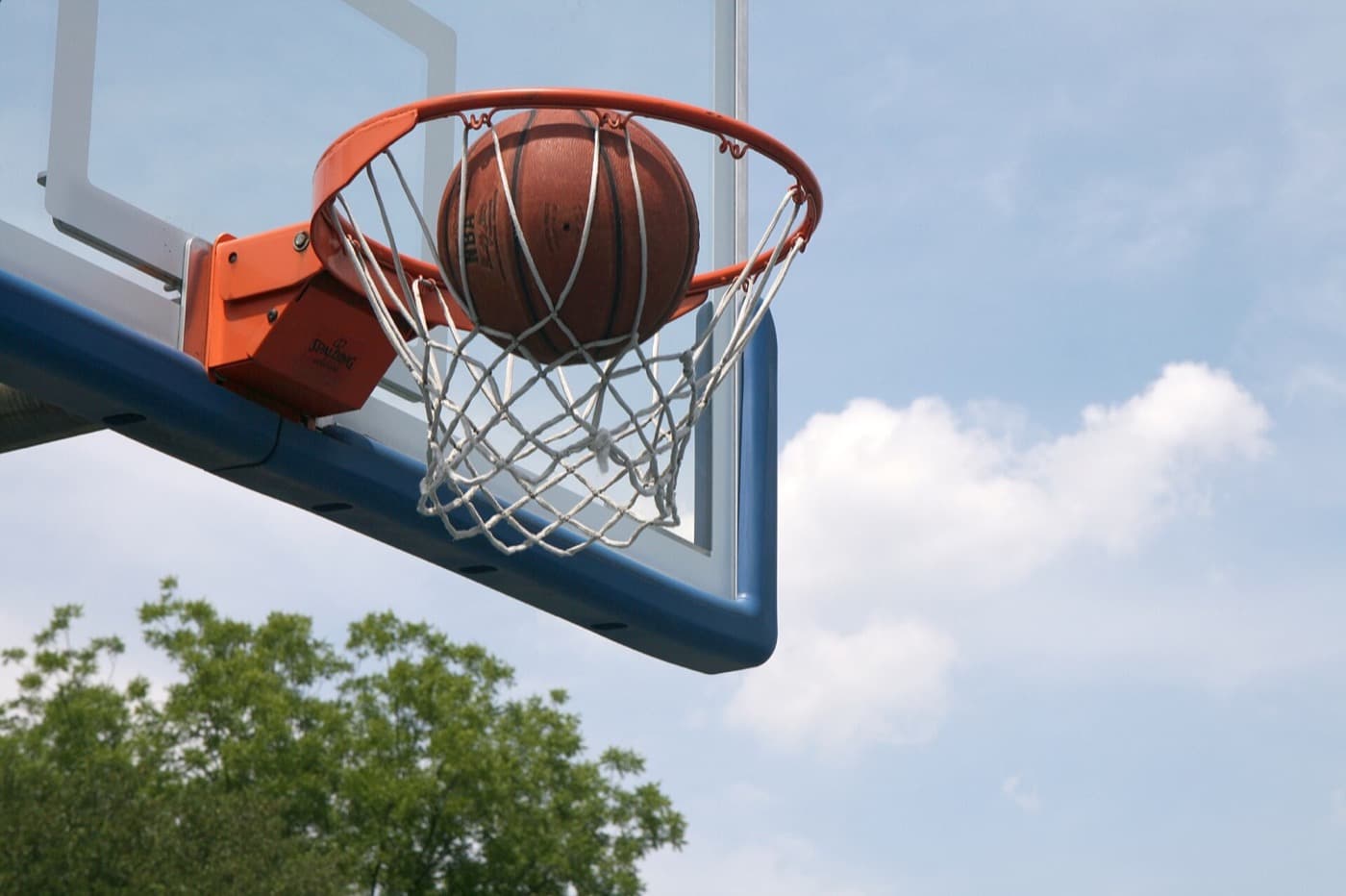
Basketball
A fast, dynamic team sport of running, jumping and quick decisions on court.
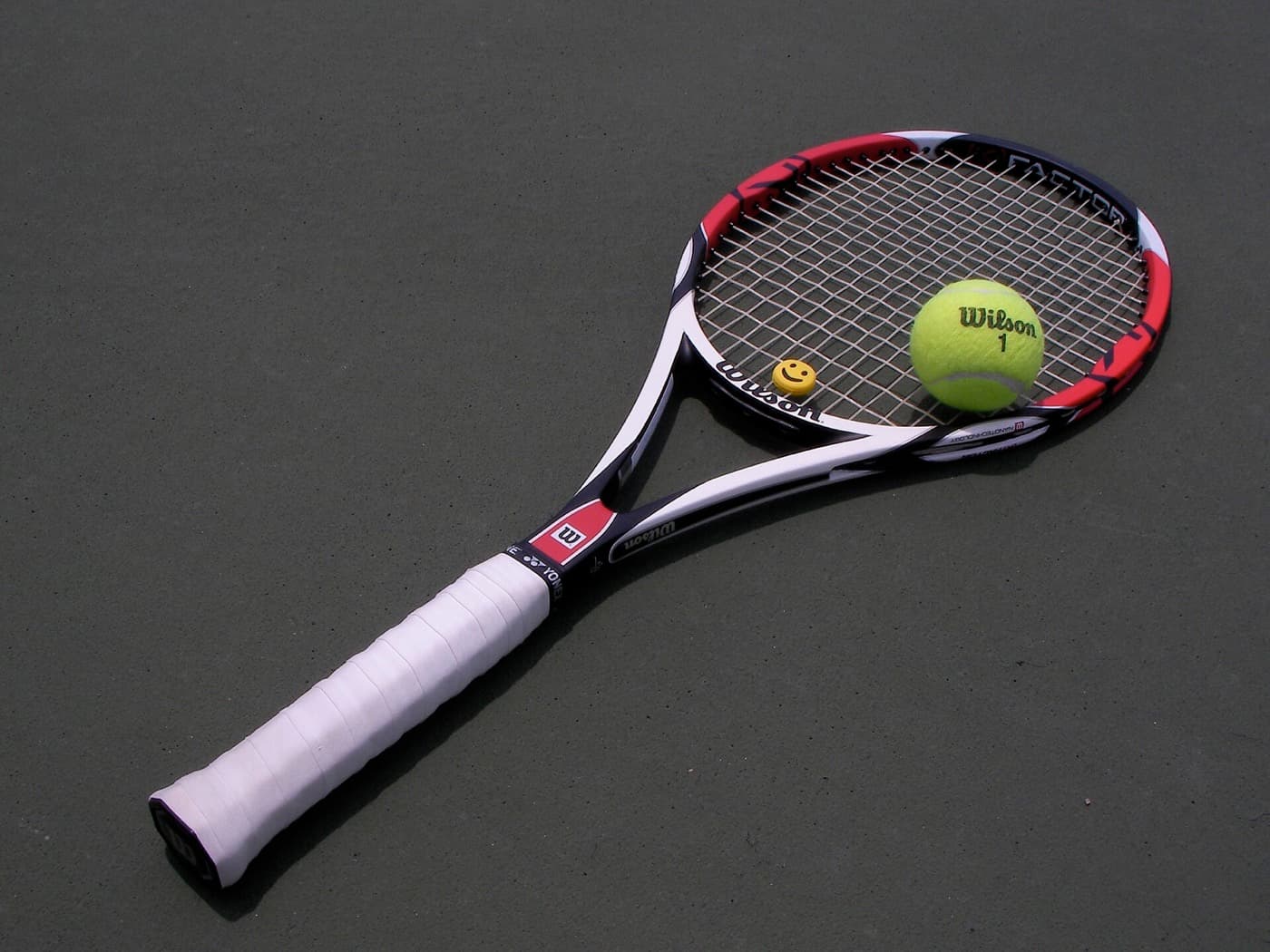
Tennis
A singles or doubles racquet sport that blends agility, strategy and stamina on court.
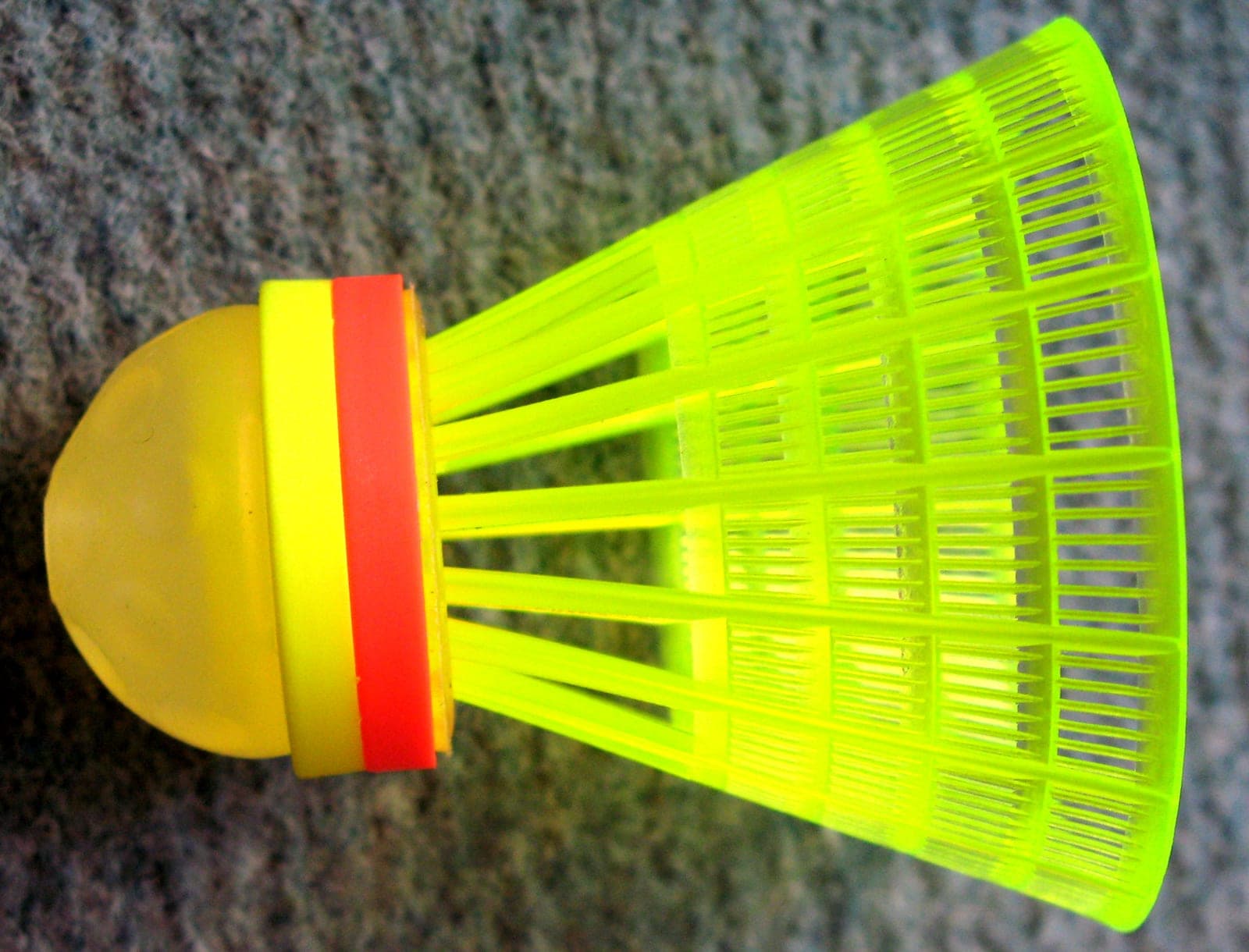
Badminton
A fast indoor racquet sport played with a shuttlecock that rewards agility and touch.
Frequently asked questions
How is option recognition different from choosing a shot or pass?
Option recognition is perceiving which actions are actually available in a moment, while shot or pass selection is choosing between them — the seeing comes before the choosing. You can only select well from options you have noticed, and how many real options exist depends on the position, the opponents and the sport, so it varies constantly.
Explore across the knowledge base
Follow the threads that connect Option recognition to the rest of SocialSportHub.
Tactics
- Possession playA patient football style that keeps the ball through short passing to control the game and tire opponents.
- Playing spin bowlingWhat a batter actually does against a spinner — using the crease and the feet to change the length, picking the ball from the hand, and the options when the pitch is turning sharply.
Skills
Knowledge Atlas
- Explore by PsychologyThe mental side of sport. It connects to existing decision-making and coaching concepts today; dedicated content is coming.
- Explore by Decision MakingThe perception-and-choice layer — reading the game, choosing, and coping under pressure.
- Explore by SkillThe learnable actions of a sport — grouped into families and linked to the techniques and sports that use them.
Practice & sessions
How this page is maintained
- Content type
- Decision-making concept
- Provenance
- Tier A — evergreen educational
- Verified external sources
- 0
- Content updated
- 2026-07-12
Evergreen, first-party explanation — it makes no claim that needs an external source. How we handle sources and reviews.