
Change of Direction
A pre-planned manoeuvre in which an athlete redirects their line of travel, decelerating and then re-accelerating along a new path.
COD stands for Change of Direction.
Definition
Change of direction is the physical act of switching movement path, through cutting, pivoting or sidestepping, when the athlete already knows where they intend to go. It chains together deceleration, a stable plant of the foot, a lowered centre of gravity, and re-acceleration in the new direction.
Sports scientists separate change of direction from agility: change of direction is a closed, rehearsed skill, whereas agility adds a reactive decision to an unpredictable stimulus. Both matter, and change-of-direction speed is often tested with set drills such as shuttle or T-tests because the path is fixed and repeatable.
Where you’ll hear “change of direction”
Sports that use this term:

Football
The world’s most popular team sport — endless running, teamwork and community in one game.

Basketball
A fast, dynamic team sport of running, jumping and quick decisions on court.
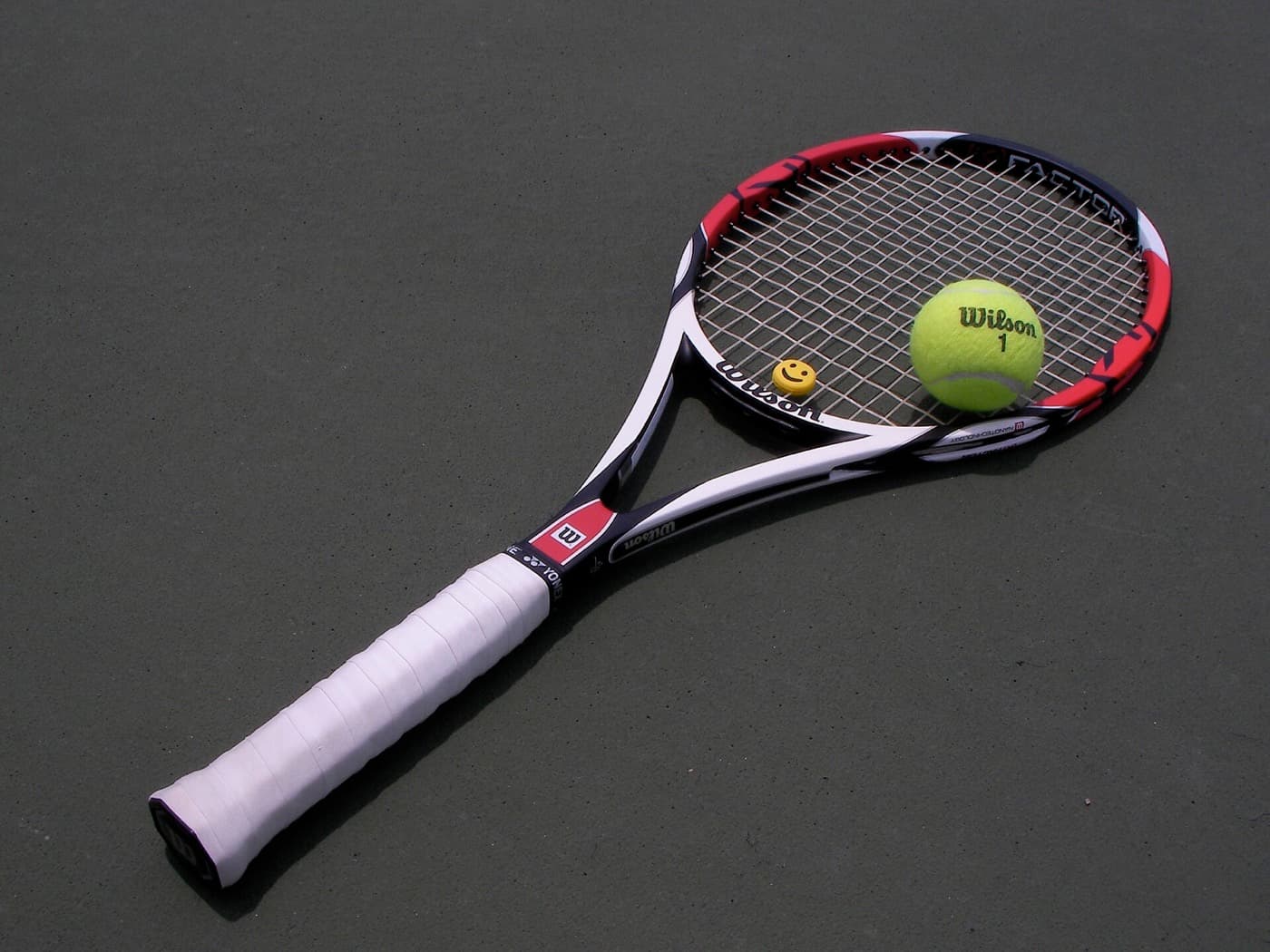
Tennis
A singles or doubles racquet sport that blends agility, strategy and stamina on court.
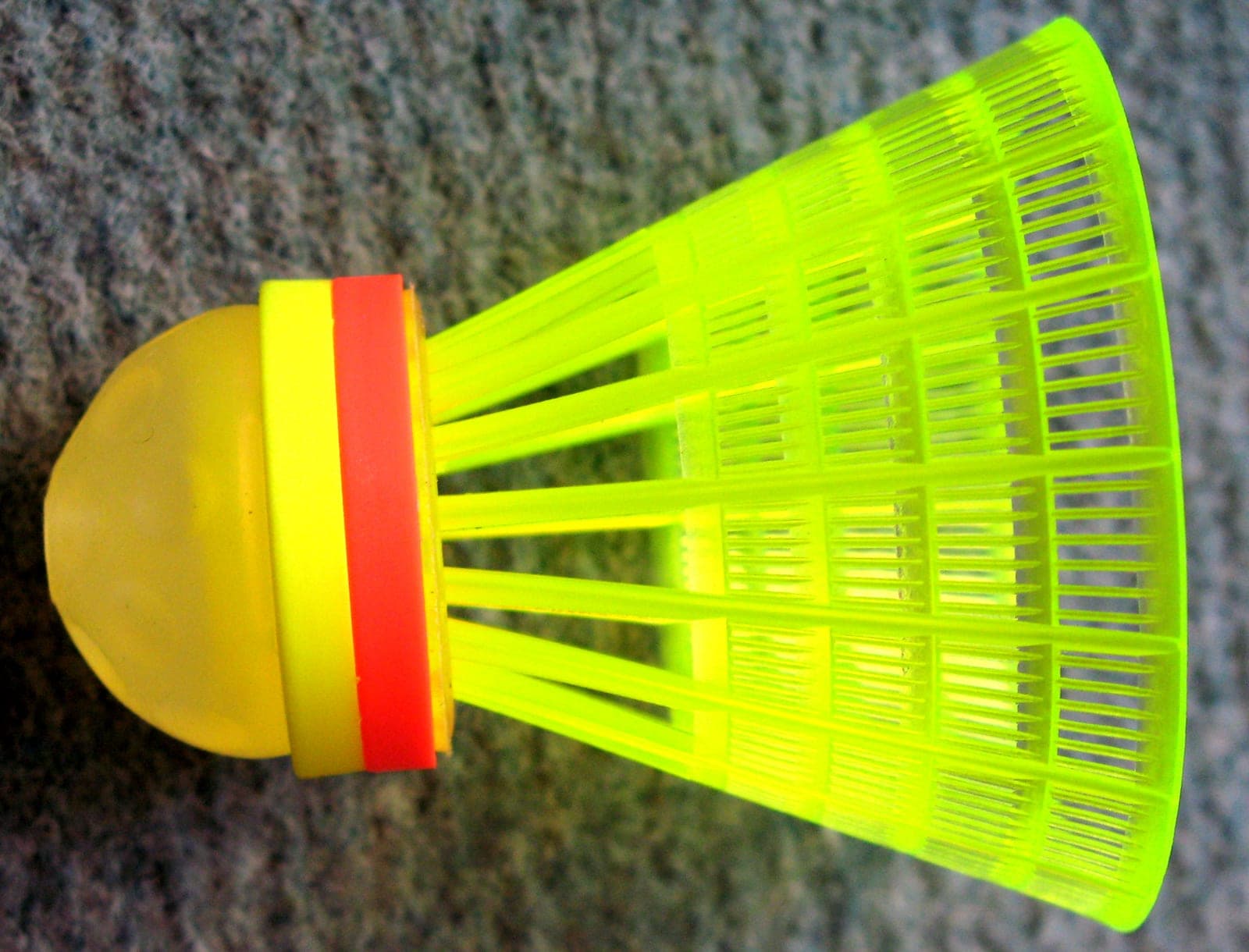
Badminton
A fast indoor racquet sport played with a shuttlecock that rewards agility and touch.
Explore across the knowledge base
Follow the threads that connect Change of Direction to the rest of SocialSportHub.
Movement patterns
- BackpedalControlled backward locomotion performed while facing forward, staying low and pushing off the balls of the feet in short strides to stay reactive and keep play in view.
- Crossover StepA lateral or diagonal travelling step in which one leg crosses over the other with accompanying hip and trunk rotation, trading a stable base for greater reach and speed.
- CutA sharp, frequently reactive plant-and-redirect performed in a single decisive foot contact to evade an opponent or abruptly alter a line of travel.
- DecelerationThe athletic pattern of actively braking and absorbing momentum to slow or stop under control, producing eccentric forces that oppose the direction of travel.
- PivotA rotation of the body about one planted foot, reorienting the trunk and hips around a vertical axis without travelling to a new location.
Physical qualities
Sports science
Movement comparisons
- Acceleration vs Change of DirectionAcceleration vs Change of Direction: how these two movements differ, what they share, and how to tell them apart — from mechanics to the sports that use them.
- Change of Direction vs CutChange of Direction vs Cut: how these two movements differ, what they share, and how to tell them apart — from mechanics to the sports that use them.
- Change of Direction vs PivotChange of Direction vs Pivot: how these two movements differ, what they share, and how to tell them apart — from mechanics to the sports that use them.
- Change of Direction vs DecelerationChange of Direction vs Deceleration: how these two movements differ, what they share, and how to tell them apart — from mechanics to the sports that use them.
Go deeper with Change of Direction
Everywhere else on the platform that covers Change of Direction — assembled from what actually references it, so nothing here is a dead end.
Take it away
Open data and the whole-platform view of this subject.
How this page is maintained
- Content type
- Term
- Provenance
- Tier A — evergreen educational
- Verified external sources
- 0
- Content updated
- 2026-09-01
Evergreen, first-party explanation — it makes no claim that needs an external source. How we handle sources and reviews.