
Core Stability
The ability of the trunk muscles to control the position and movement of the torso, providing a stable base for the limbs.
Definition
Core stability is the capacity of the muscles around the trunk, including the abdominals, back, hips and pelvis, to hold the spine and pelvis in controlled positions while the arms and legs move. It provides a firm platform from which force can be transferred efficiently through the kinetic chain.
A stable core lets athletes maintain posture and balance under load, resist unwanted twisting or bending, and link lower-body power to upper-body actions such as throwing or striking. It is a movement-control quality developed through training and is described here for education rather than as injury prevention or clinical advice.
Where you’ll hear “core stability”
Sports that use this term:
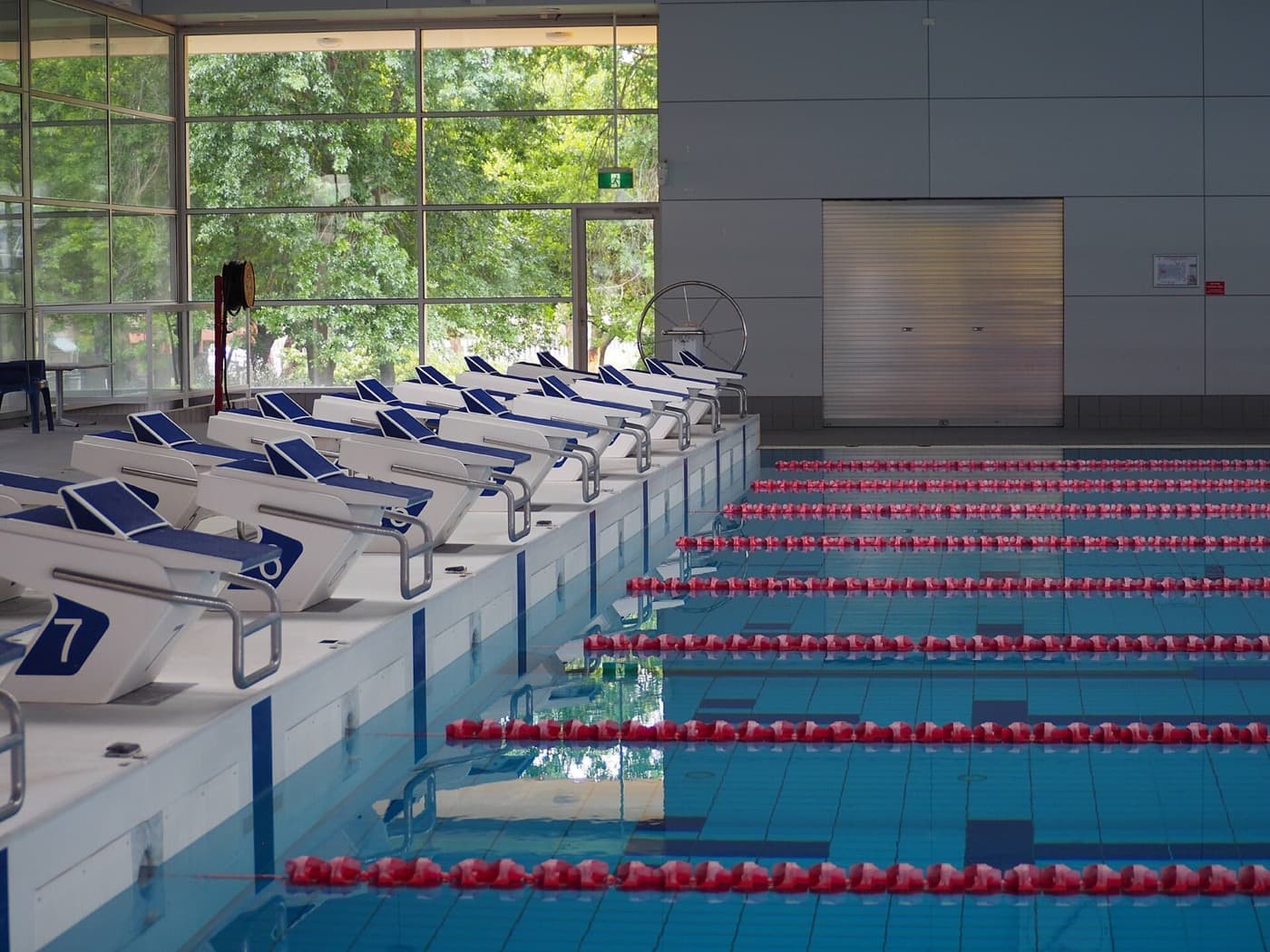
Swimming
A full-body, low-impact endurance sport suitable for almost every age and ability.
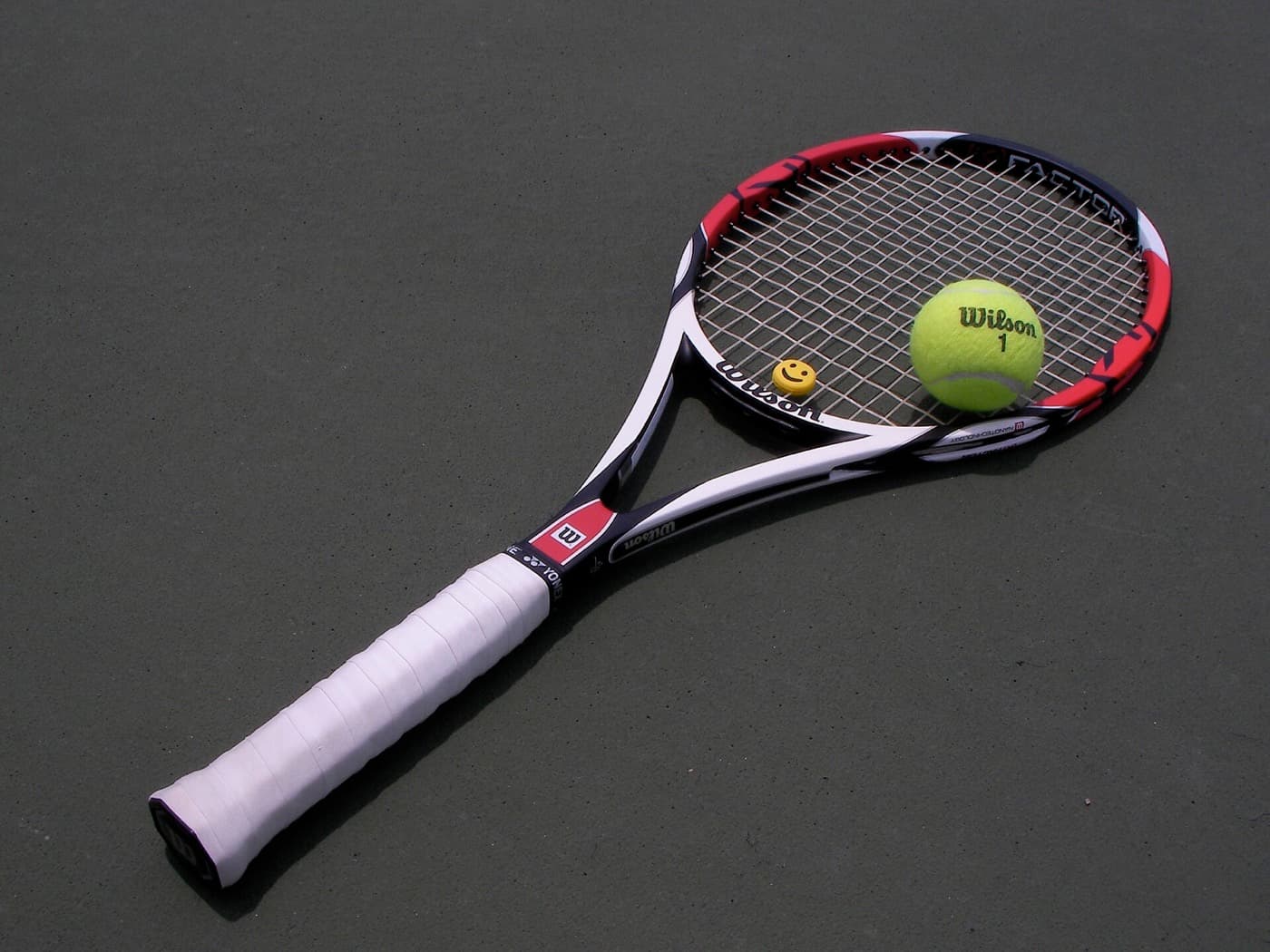
Tennis
A singles or doubles racquet sport that blends agility, strategy and stamina on court.
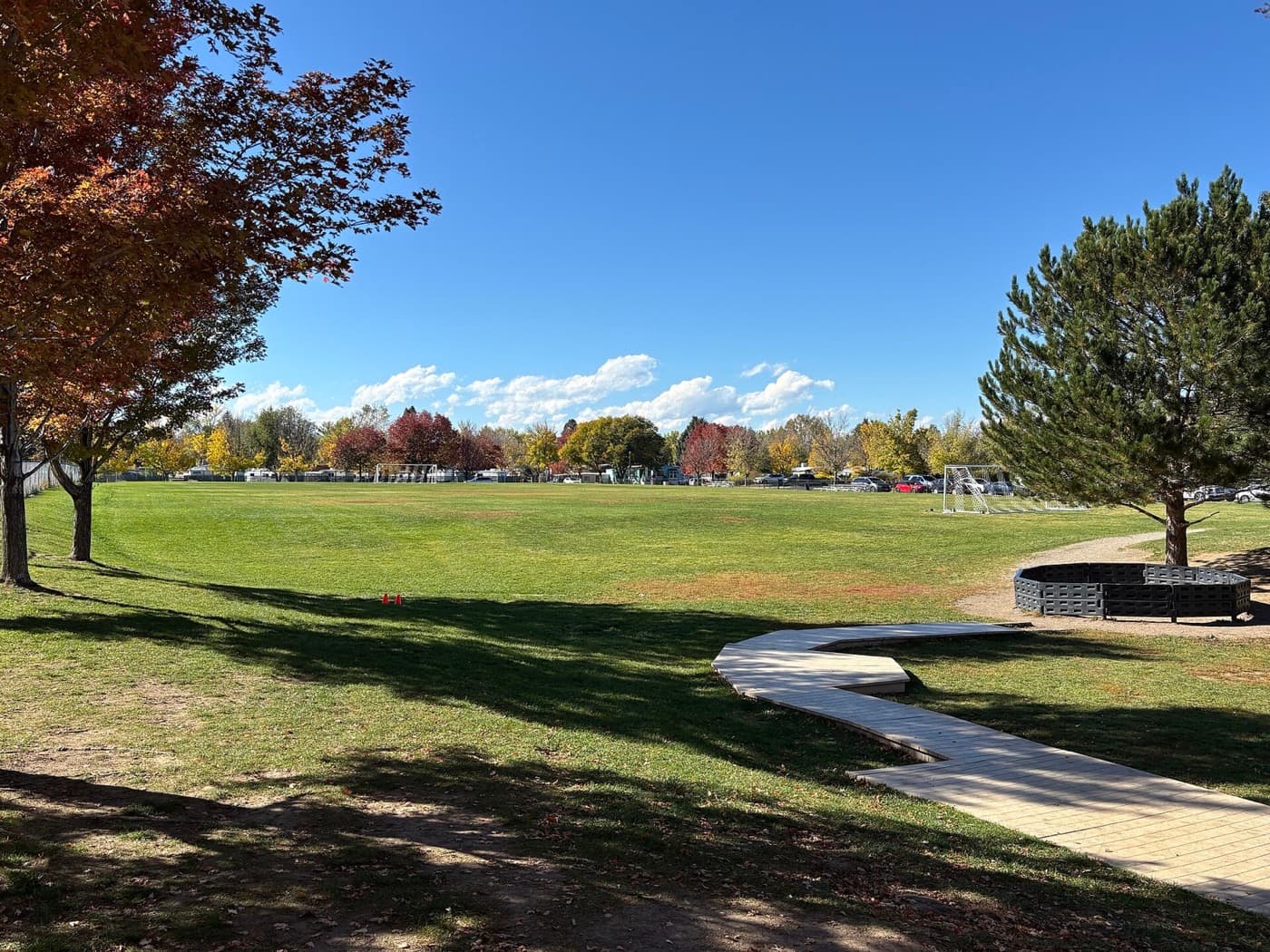
Football
The world’s most popular team sport — endless running, teamwork and community in one game.
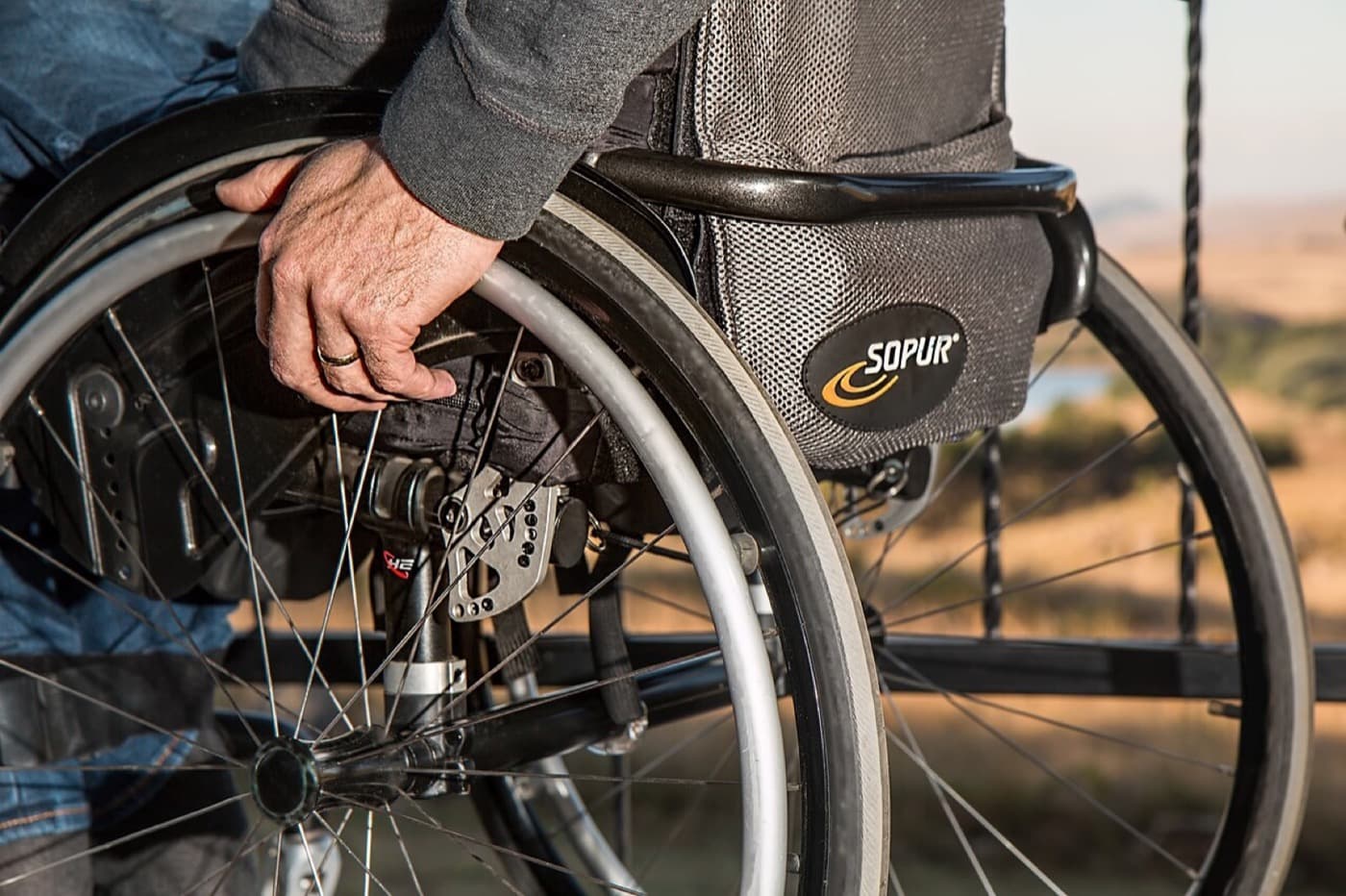
Cycling
A low-impact endurance sport that doubles as transport, exercise and adventure.
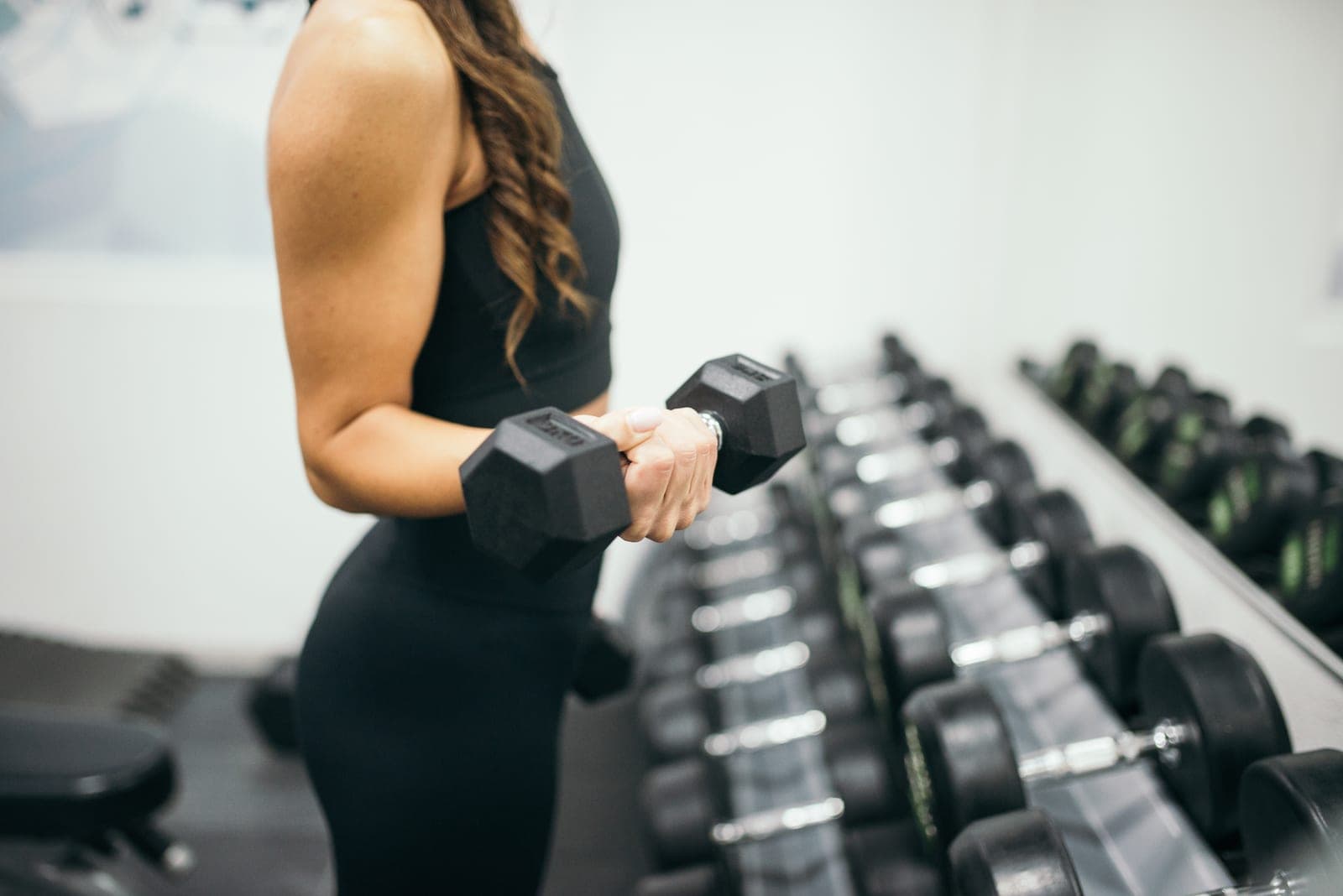
Fitness
Strength and general fitness training — the foundation that supports every other sport.
Explore across the knowledge base
Follow the threads that connect Core Stability to the rest of SocialSportHub.
Physical qualities
- Core stabilityThe ability of the muscles around your trunk to keep it stable while your limbs move.
- MobilityUsing a joint’s range of movement actively, with control and strength throughout.
- Muscular strengthHow much force your muscles can produce in a single effort.
- Cardiovascular enduranceThe ability to sustain whole-body activity for a long time while your heart, lungs and muscles keep up.
- FlexibilityThe range of movement available at a joint or group of joints.
Skills
- Core stabilityThe skill of engaging the trunk muscles to keep the body strong and controlled through movement.
- Running formThe skill of running with efficient, relaxed and balanced movement.
- Ball controlThe skill of receiving and settling the ball quickly so it is ready to use.
- ThrowingThe skill of propelling the ball accurately and with control using the arm.
- BalanceThe skill of keeping the body stable and controlled while still or moving.
Movement patterns
- CarryHolding and transporting a load while keeping the trunk braced and stable — an anti-movement pattern that builds grip, core stability and full-body strength.
- SquatA knee-dominant pattern: bending the hips, knees and ankles to lower and rise while keeping the torso upright — the foundation of lower-body strength.
- LungeA split-stance, single-leg-emphasis pattern: stepping or dropping into a staggered stance and pushing back up to build single-leg strength, balance and stability.
- RotationRotating the trunk to generate and transfer power through the body's kinetic chain, plus anti-rotation — resisting unwanted twist to keep the trunk stable.
- Crossover StepA lateral or diagonal travelling step in which one leg crosses over the other with accompanying hip and trunk rotation, trading a stable base for greater reach and speed.
Muscle groups
- ObliquesThe muscles on the sides of the trunk that rotate and side-bend the torso and help brace the core.
- AbdominalsThe muscles along the front of the trunk that flex and brace the torso, forming the front of the body’s core.
- Lower backThe muscles running along the base of the spine that keep the trunk upright and support bending and lifting.
- ForearmsThe muscles of the lower arm that move the wrist and fingers and drive grip strength.
- TricepsThe muscles on the back of the upper arm that straighten the elbow in every pushing movement.
Sports science
- Motor controlHow the brain and nervous system organise the muscles to produce coordinated, controlled movement.
- The kinetic chainThe idea that the body’s segments work as a linked chain, passing force from the ground up through the hips, trunk and limbs.
- BiomechanicsThe study of how the body produces and controls movement — the mechanics behind every technique in sport.
Exercises
- Sit-upA classic core exercise where you lift your torso from the floor toward your knees and back down.
- Side plankA core hold on one forearm and the side of the foot that targets the muscles along your side.
- Goblet squatA squat variation where you hold a single weight close to your chest for balance and control.
- Wall sitA holding exercise where you sit against a wall with no chair, holding a squat position still.
- Calf raiseA movement where you press up onto the balls of your feet to work the calves.