
Kinetic Chain
The concept that the body's segments act as a linked chain, transferring force from one joint to the next during movement.
Definition
The kinetic chain describes how bones, joints and muscles connect so that motion or force at one segment influences the others. In a tennis serve, energy generated in the legs and hips is passed up through the trunk and out through the arm; in a football kick the same energy passes through the trunk and out through the swinging leg and foot. In each case the links add to the final speed in a sequence often called the summation of forces.
Coaches distinguish open-chain movements, where the end segment such as the hand or foot moves freely, from closed-chain movements, where it is fixed against a surface as in a squat or push-up. Understanding the chain helps explain why efficient technique relies on coordinated timing across the whole body rather than isolated strength.
Where you’ll hear “kinetic chain”
Sports that use this term:
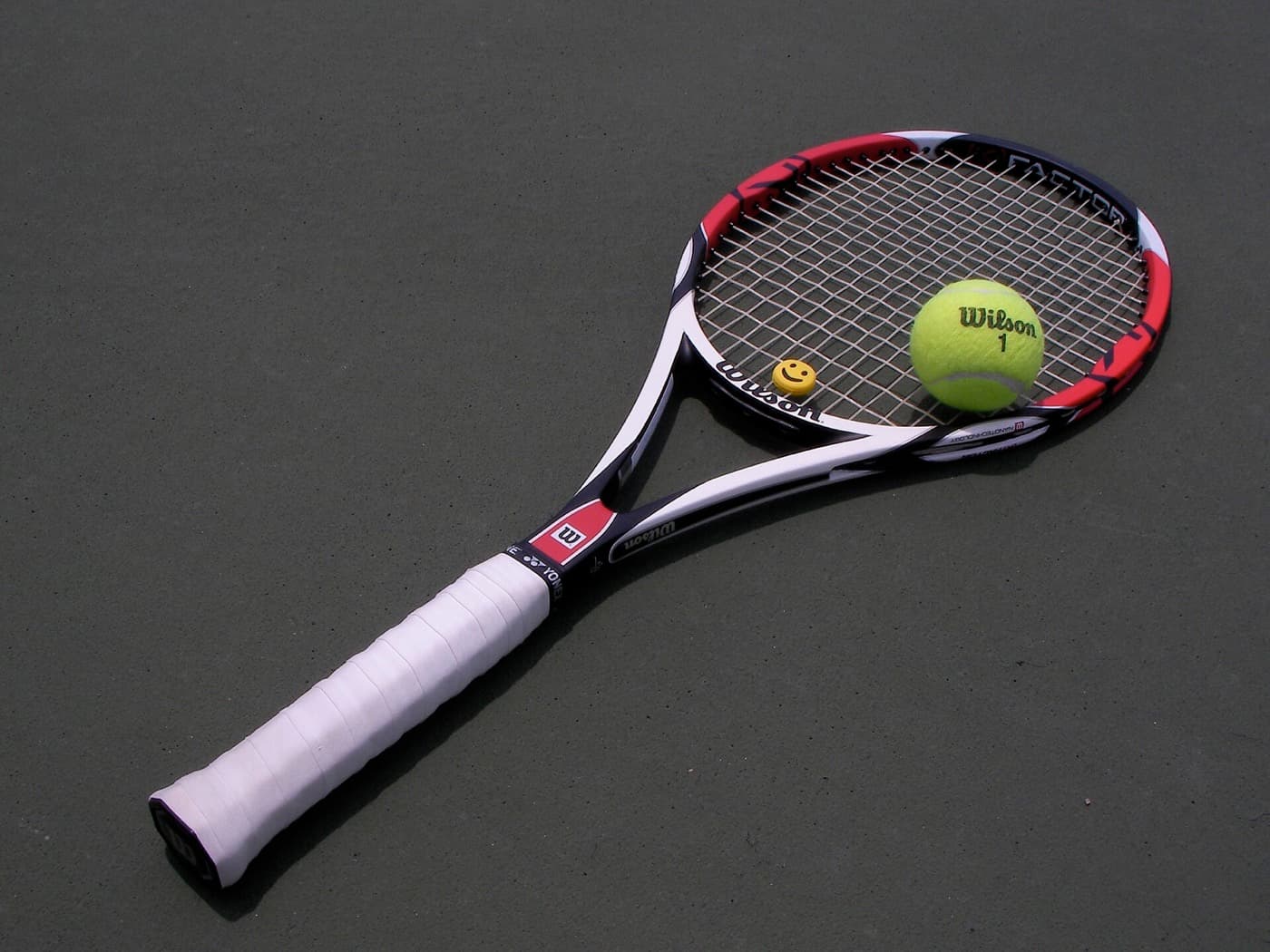
Tennis
A singles or doubles racquet sport that blends agility, strategy and stamina on court.
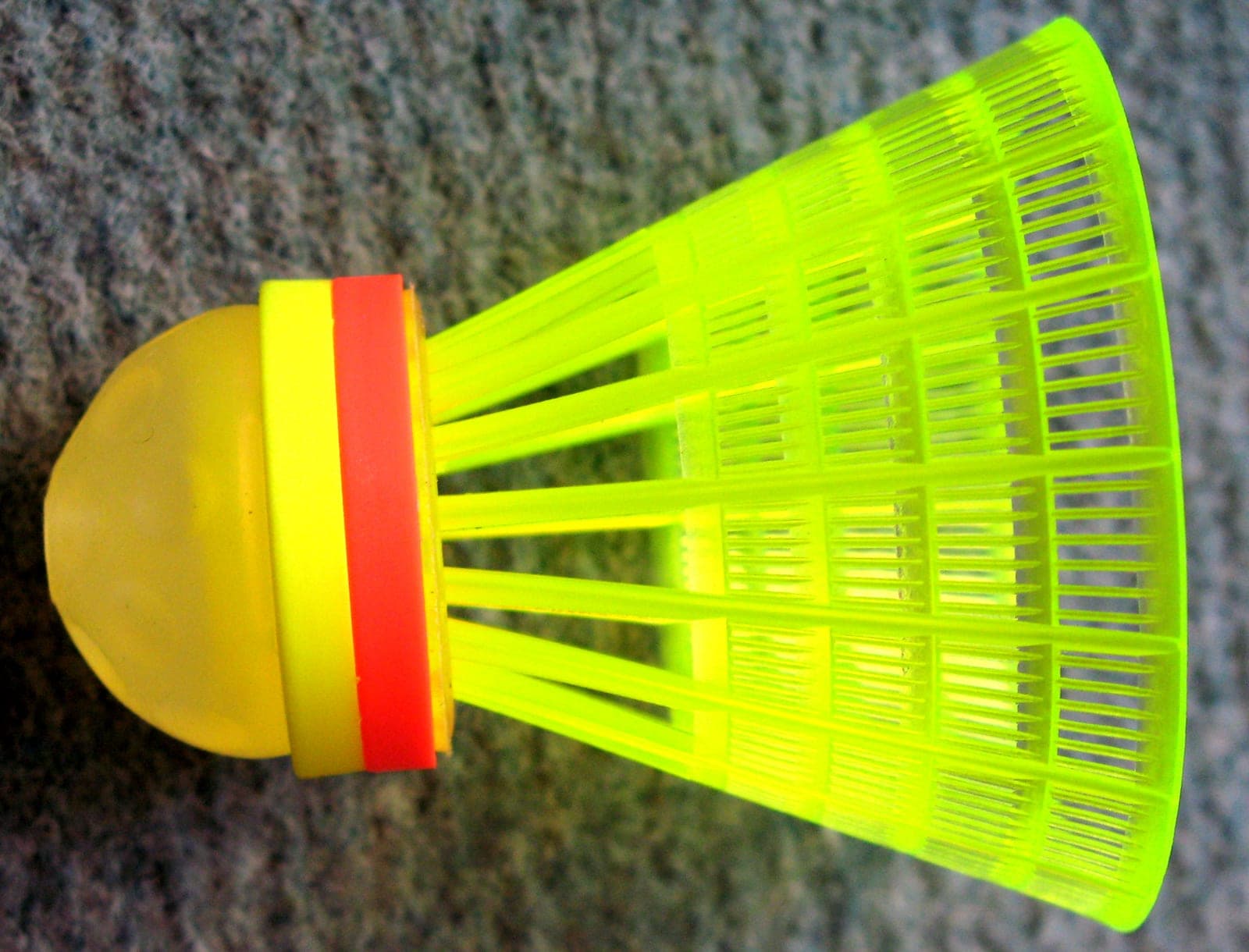
Badminton
A fast indoor racquet sport played with a shuttlecock that rewards agility and touch.
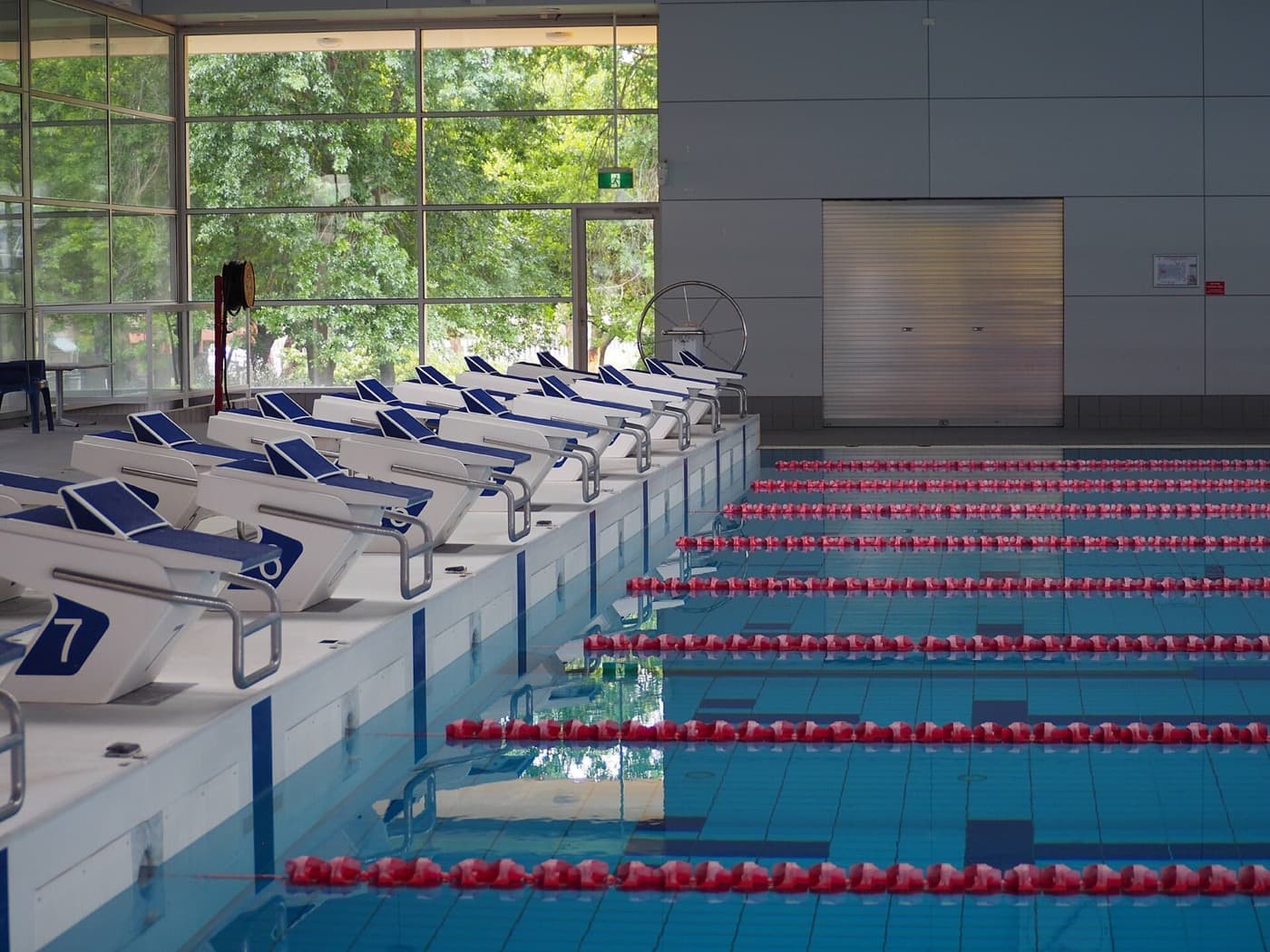
Swimming
A full-body, low-impact endurance sport suitable for almost every age and ability.
Football
The world’s most popular team sport — endless running, teamwork and community in one game.
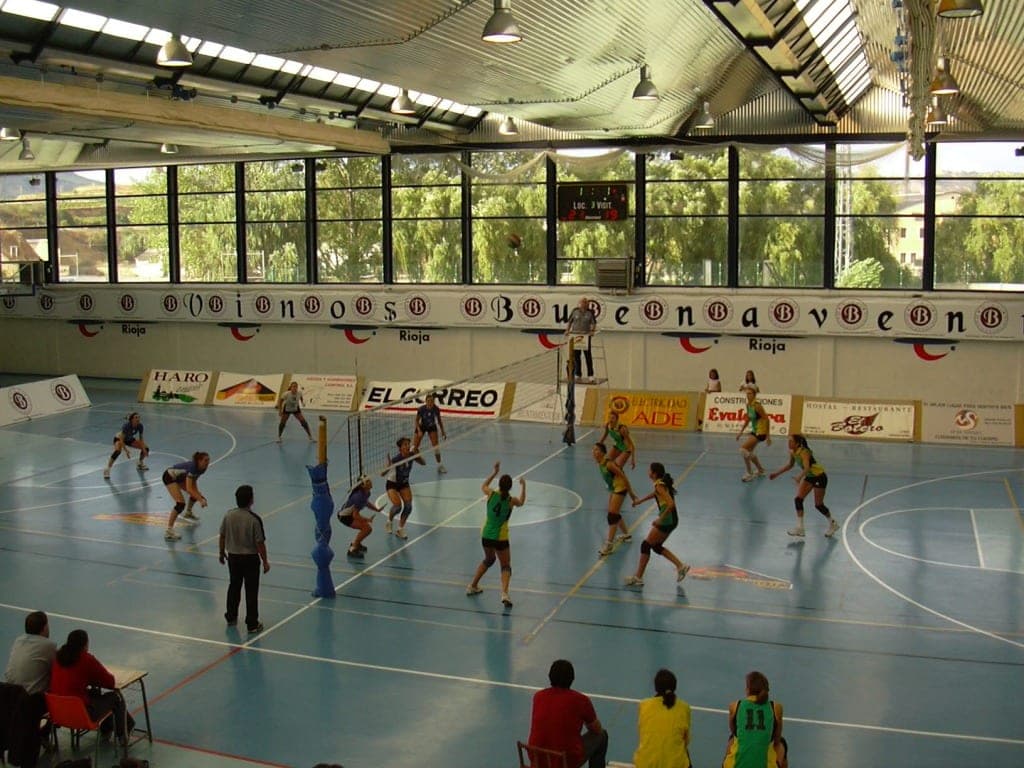
Volleyball
A non-contact team sport of rallies, jumps and teamwork — indoors or on the beach.
Explore across the knowledge base
Follow the threads that connect Kinetic Chain to the rest of SocialSportHub.
Sports science
- The kinetic chainThe idea that the body’s segments work as a linked chain, passing force from the ground up through the hips, trunk and limbs.
- BiomechanicsThe study of how the body produces and controls movement — the mechanics behind every technique in sport.
- Range of motionHow far a joint can travel through its movement — the arc available at a joint, and the foundation of flexibility and mobility.
- ProprioceptionThe body’s internal sense of where its parts are and how they are moving — the awareness behind balance and coordinated movement.
- Motor controlHow the brain and nervous system organise the muscles to produce coordinated, controlled movement.
Movement patterns
- RotationRotating the trunk to generate and transfer power through the body's kinetic chain, plus anti-rotation — resisting unwanted twist to keep the trunk stable.
- StrikeA ballistic, whole-body hitting action that channels ground-generated force through a proximal-to-distal kinetic chain to deliver momentum to a target via the hand, an implement or a body part at the moment of contact.
- KickA ballistic single-support leg swing that whips force from the plant foot through the hip and knee to strike or propel a ball or target with the foot, distinct from the weight-bearing steps of locomotion.
- Change of DirectionA planned redirection of the body from one movement vector to another, requiring an athlete to decelerate existing momentum and reaccelerate along a new line between two known points.
- PushPressing a load or the body away from the torso — horizontally or overhead — by extending the shoulders and elbows, developing the chest, shoulders and triceps.
Exercises
- BurpeeA full-body exercise combining a squat, a plank, and a jump in one flowing movement.
- LungeA single-leg movement where you step forward and bend both knees to lower your body.
- SquatA foundational lower-body movement where you bend at the hips and knees to lower down and stand back up.
- Step-upA movement where you step up onto a raised platform one leg at a time and step back down.
- Side plankA core hold on one forearm and the side of the foot that targets the muscles along your side.
Knowledge Atlas
- Explore by MovementThe fundamental patterns and cross-sport athletic movements the body is built on.
- Explore by EquipmentThe gear of sport — grouped by kind and linked to the sports and beginner guides that use it.
- Explore by SkillThe learnable actions of a sport — grouped into families and linked to the techniques and sports that use them.
- Explore by BeginnerThe complete beginner’s entrance — choosing a sport, first sessions, kit, mistakes and next steps.
Physical qualities
- FlexibilityThe range of movement available at a joint or group of joints.
- MobilityUsing a joint’s range of movement actively, with control and strength throughout.
- SpeedHow quickly you can move your body or a part of it from one point to another.
- BalanceKeeping your body stable and controlled, whether still or moving.
- PowerProducing force quickly — strength expressed at speed, as in a jump or a sprint start.