
The kinetic chain
The idea that the body’s segments work as a linked chain, passing force from the ground up through the hips, trunk and limbs.
Overview
The kinetic chain is a way of describing the body as a series of linked segments — feet, legs, hips, trunk, shoulders and arms — that work together to produce movement. Rather than any one muscle acting alone, force is passed along the chain, each segment building on the last. In many powerful actions this happens from the ground up, with the legs and hips starting the movement and the smaller, faster limbs finishing it.
The idea helps explain why so much of a serve, throw or kick actually begins far from the hand or foot that delivers it. When the sequence is well timed, force adds up smoothly along the chain; when a link is skipped or mistimed, effort tends to leak away. How an individual sequences their own movement is best explored with a qualified coach.
The science
- The body works as linked segments that pass force from one to the next.
- In many powerful skills the sequence runs roughly from the centre outward.
- The legs and hips often generate force that the trunk and arms transmit and refine.
- Timing matters as much as strength — a well-timed chain adds force smoothly.
- It is a model for understanding coordination, not a rule for every movement.
The kinetic chain
How force is transferred through the body
- 1
Ground & base
Force begins from a stable contact with the ground.
- 2
Legs drive
The large leg muscles generate and transfer force upward.
- 3
Hips & core
The hips and trunk link lower and upper body and add rotation.
- 4
Trunk & shoulder
Force passes through the trunk into the shoulder girdle.
- 5
Arm & hand
The arm accelerates the hand, racket, bat or ball.
Why it matters
- It explains why coaches cue footwork and hip rotation for actions that finish with the arm.
- It links rotational, throwing and striking skills across many sports.
- It underpins how power and coordination combine in fast, whole-body movements.
Educational only
Where it shows up
Sports where this concept is especially visible — each with a clear guide.
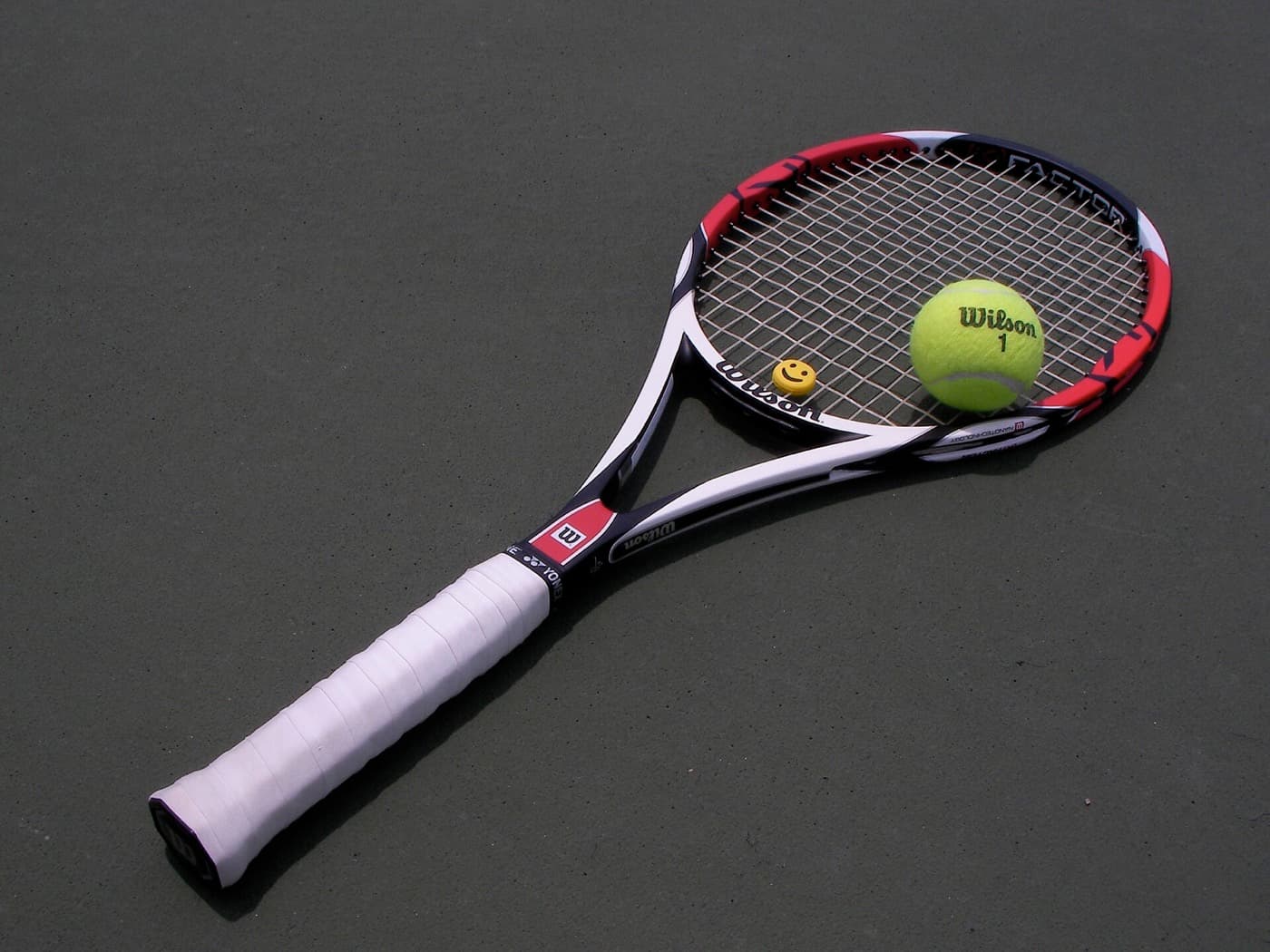
Tennis
A singles or doubles racquet sport that blends agility, strategy and stamina on court.
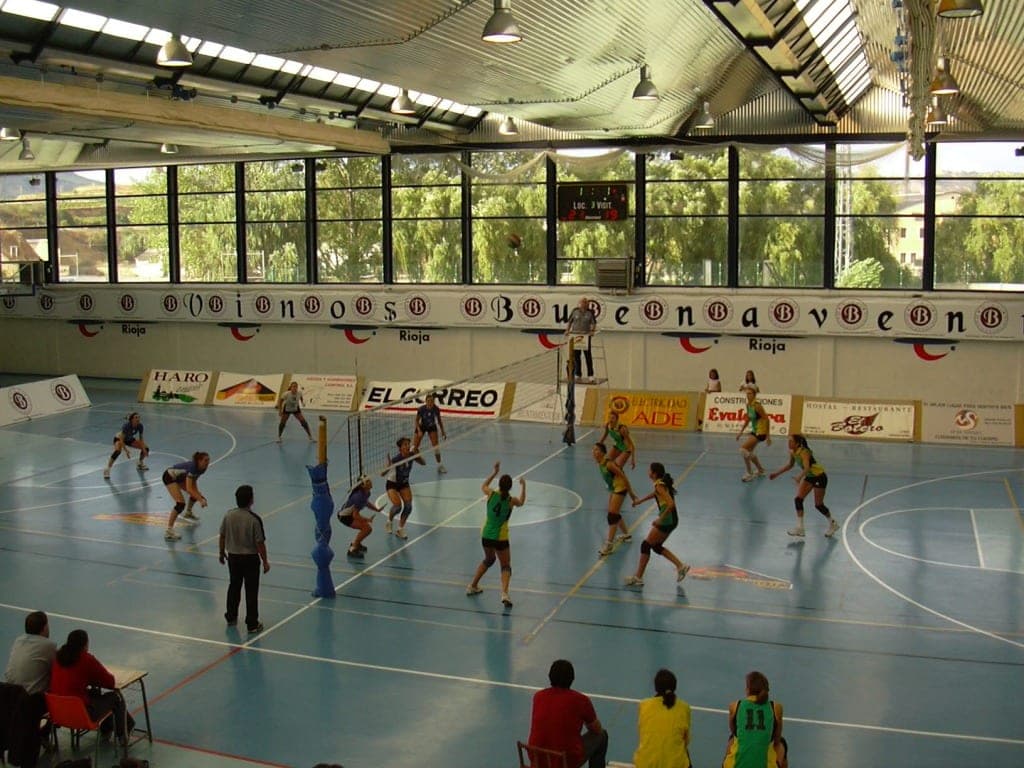
Volleyball
A non-contact team sport of rallies, jumps and teamwork — indoors or on the beach.

Football
The world’s most popular team sport — endless running, teamwork and community in one game.
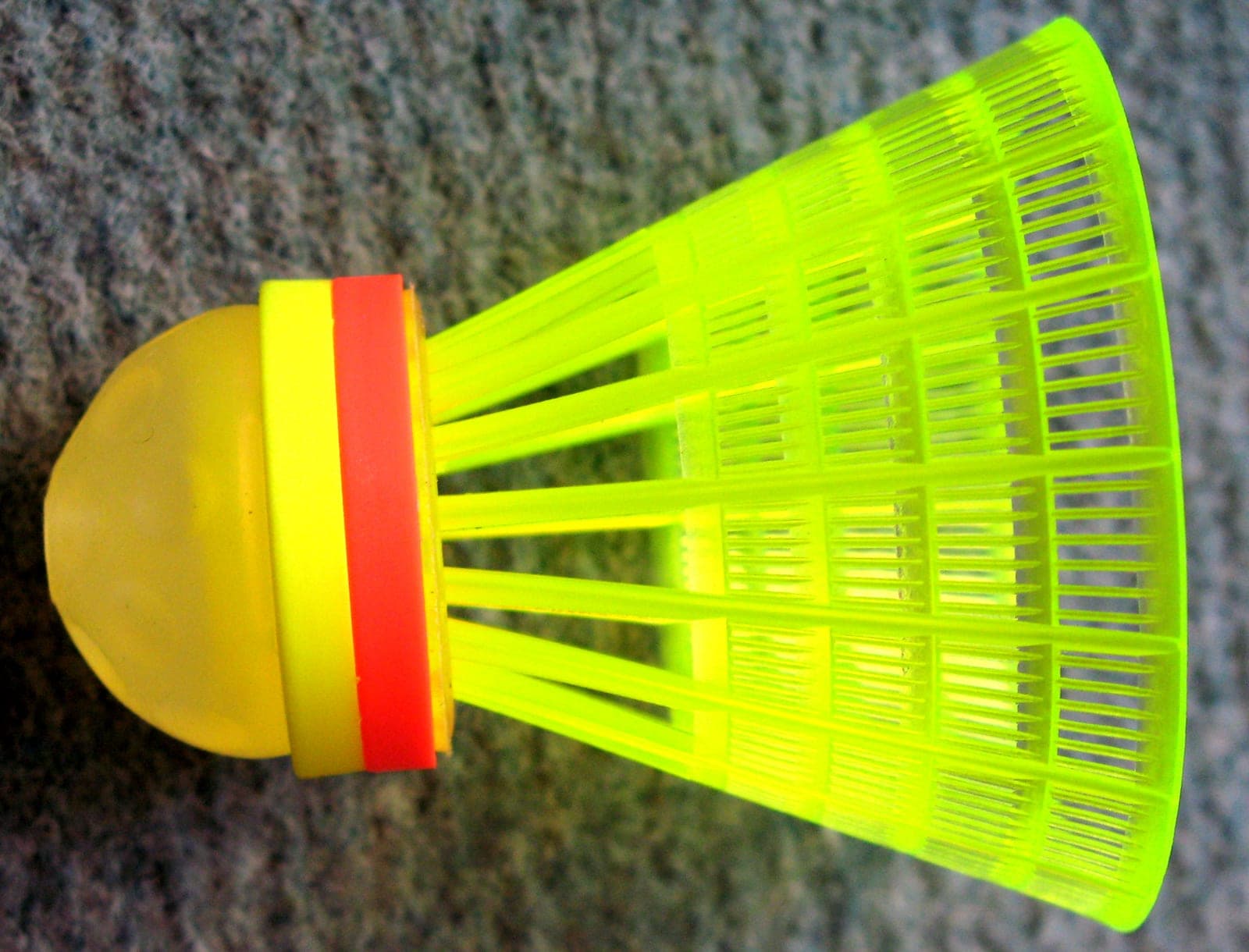
Badminton
A fast indoor racquet sport played with a shuttlecock that rewards agility and touch.
Frequently asked questions
What is the kinetic chain?
It is a model that describes the body as linked segments — from the feet up through the hips, trunk and arms — that pass force along in sequence. It helps explain why powerful actions like a serve or a kick begin far from the point that finally delivers the force, and how an individual builds that sequence is best guided by a coach.
How it connects
The meaning-bearing relationships that place The kinetic chain in the wider knowledge graph — each one with the reason it exists.
Explains
Covers the underlying "why" for these.
- TennisThe kinetic chain is one of the sports-science concepts that covers Tennis.
- VolleyballThe kinetic chain is one of the sports-science concepts that covers Volleyball.
- FootballThe kinetic chain is one of the sports-science concepts that covers Football.
- BadmintonThe kinetic chain is one of the sports-science concepts that covers Badminton.
Explore across the knowledge base
Follow the threads that connect The kinetic chain to the rest of SocialSportHub.
Movement patterns
- AccelerationThe athletic pattern of building speed from a standing or slow start by driving large horizontal forces into the ground to project the body forward.
- BoundAn exaggerated, horizontal springing stride that transfers from one leg to the opposite leg with a long flight phase, amplifying the mechanics of running.
- Change of DirectionA planned redirection of the body from one movement vector to another, requiring an athlete to decelerate existing momentum and reaccelerate along a new line between two known points.
- Crossover StepA lateral or diagonal travelling step in which one leg crosses over the other with accompanying hip and trunk rotation, trading a stable base for greater reach and speed.
- CutA sharp, frequently reactive plant-and-redirect performed in a single decisive foot contact to evade an opponent or abruptly alter a line of travel.
Knowledge Atlas
- Explore by ScienceThe "why" layer — biomechanics, energy systems, motor learning and training principles behind performance.
- Explore by TechniqueThe specific, named ways skills are executed in each sport — linked to the skills, movements and sports behind them.
- Explore by EquipmentThe gear of sport — grouped by kind and linked to the sports and beginner guides that use it.
Skills Academy
Movement comparisons
- Kick vs StrikeKick vs Strike: how these two movements differ, what they share, and how to tell them apart — from mechanics to the sports that use them.
- Strike vs ThrowStrike vs Throw: how these two movements differ, what they share, and how to tell them apart — from mechanics to the sports that use them.
- Kick vs LungeKick vs Lunge: how these two movements differ, what they share, and how to tell them apart — from mechanics to the sports that use them.
- Gait vs KickGait vs Kick: how these two movements differ, what they share, and how to tell them apart — from mechanics to the sports that use them.
- Catch vs ThrowCatch vs Throw: how these two movements differ, what they share, and how to tell them apart — from mechanics to the sports that use them.
Go deeper with The kinetic chain
Everywhere else on the platform that covers The kinetic chain — assembled from what actually references it, so nothing here is a dead end.
Question it
Research topics that name this entity among their connections.
Take it away
Open data and the whole-platform view of this subject.
How this page is maintained
- Content type
- Sports science concept
- Provenance
- Tier A — evergreen educational
- Verified external sources
- 0
- Content updated
- 2026-07-09
Evergreen, first-party explanation — it makes no claim that needs an external source. How we handle sources and reviews.