
Abdominals
The muscles along the front of the trunk that flex and brace the torso, forming the front of the body’s core.
Overview
The abdominal muscles run along the front of the trunk between the ribs and the pelvis. The most familiar is the rectus abdominis — the sheet behind the "six-pack" look — with the deeper transversus abdominis wrapping around underneath like a belt.
Their jobs include bending the trunk forward, resisting movement to hold the torso steady, and helping brace the midsection during lifting, twisting and carrying.
Good to know
- Form the front of the body’s "core"
- Help transfer force between the upper and lower body
- A stable trunk supports almost every athletic movement
Where it’s used
Sports this relates to:
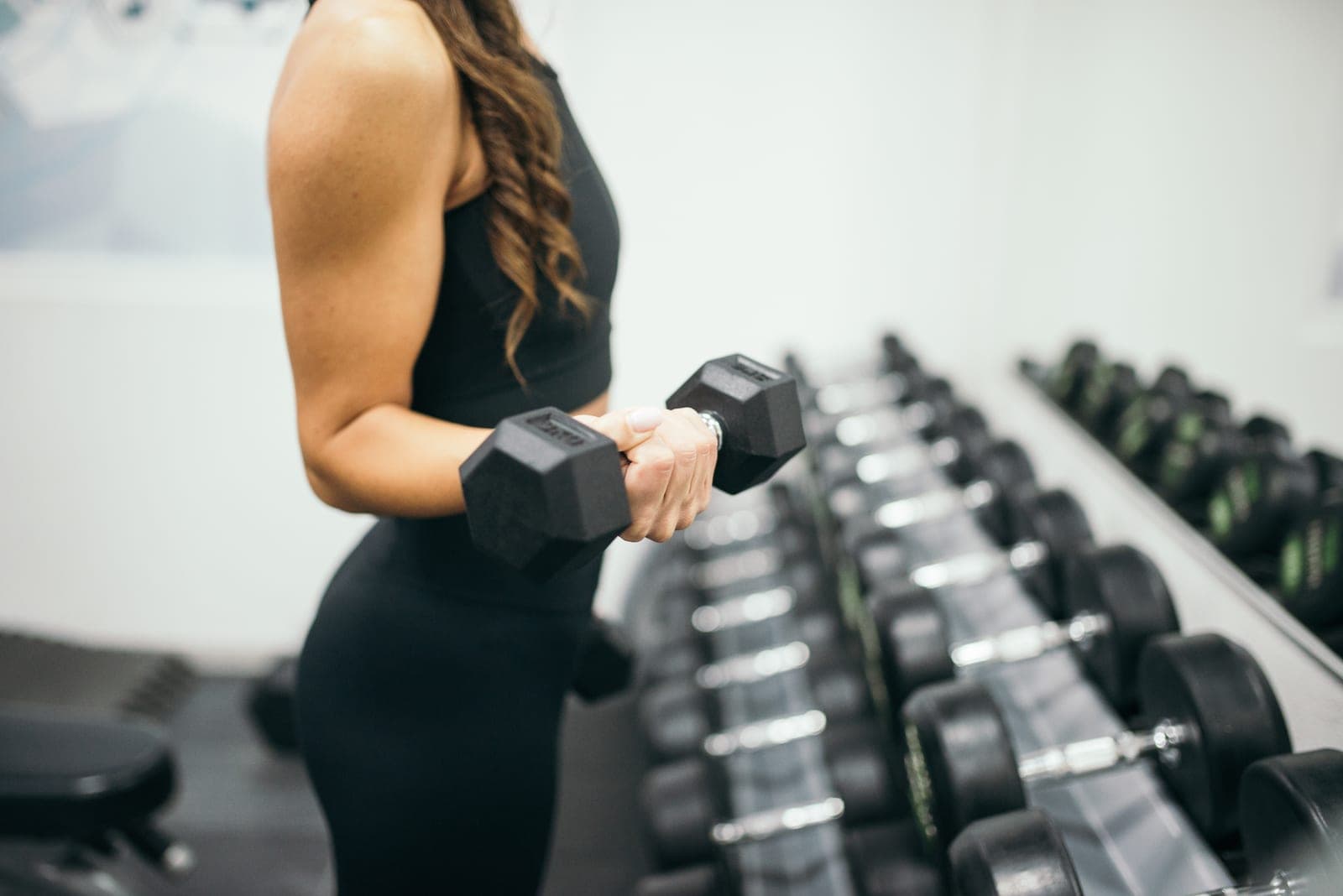
Fitness
Strength and general fitness training — the foundation that supports every other sport.
Calisthenics
Bodyweight strength training — push-ups, pull-ups, dips and progressions you can do almost anywhere.

Football
The world’s most popular team sport — endless running, teamwork and community in one game.
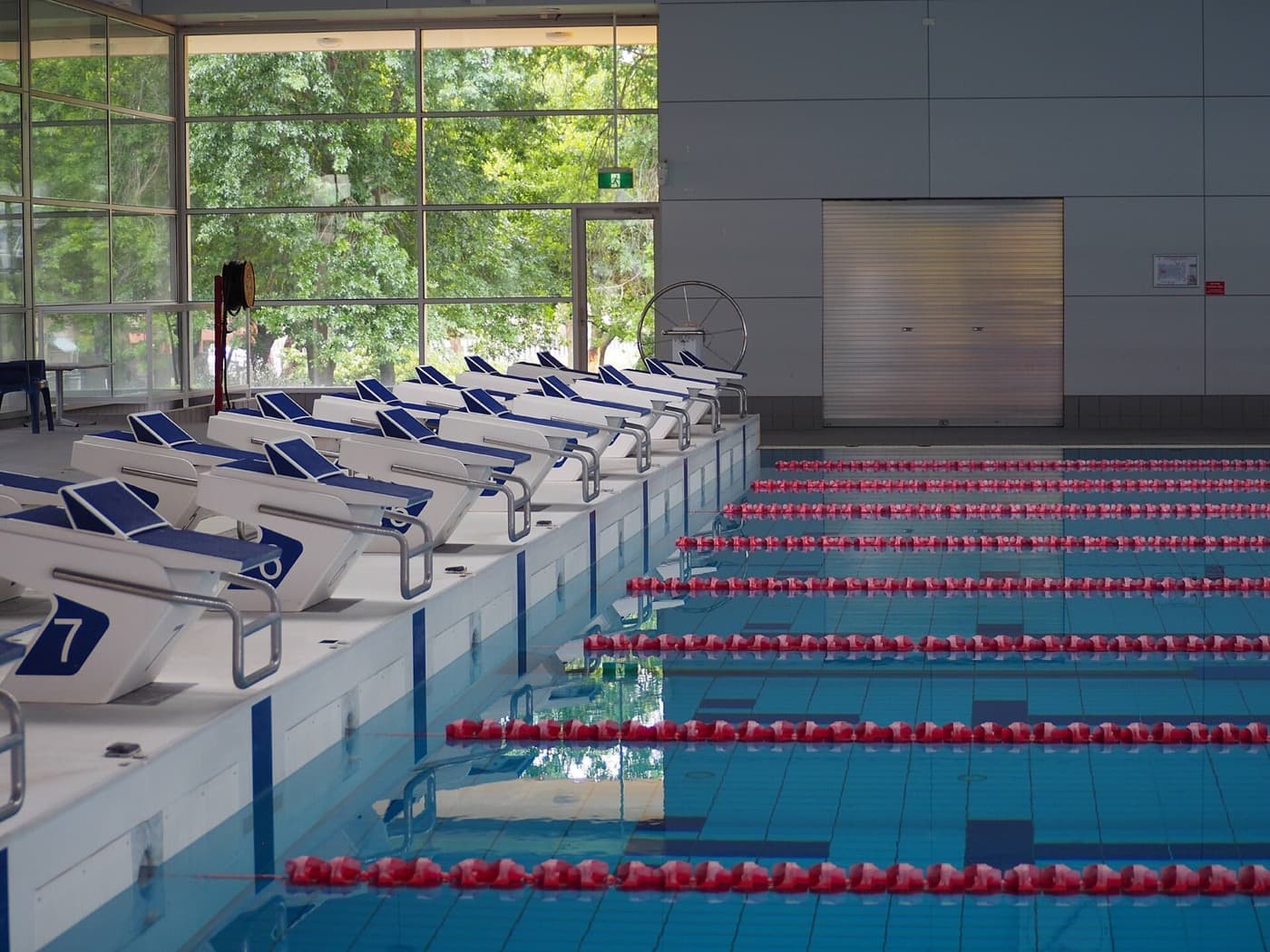
Swimming
A full-body, low-impact endurance sport suitable for almost every age and ability.
Exercises that work the abdominals
Squat
A foundational lower-body movement where you bend at the hips and knees to lower down and stand back up.
Goblet squat
A squat variation where you hold a single weight close to your chest for balance and control.
Glute bridge
A floor exercise where you lift your hips by squeezing your glutes with your feet planted.
Push-up
A classic upper-body pushing exercise where you lower and press your body up from the floor.
Overhead press
A standing press that drives a weight from the shoulders to overhead until the arms lock out.
Farmer’s carry
A loaded carry where you walk while holding a heavy weight in each hand.
Explore across the knowledge base
Follow the threads that connect Abdominals to the rest of SocialSportHub.
Training plans
- Beginner Full-Body WeekA general example of a simple full-body week that spreads a push, a pull, a lower-body movement and some core evenly across three unhurried sessions.
- Home Bodyweight WeekA general example week of short, equipment-free bodyweight sessions you can do at home, built from simple movements like squats, push-ups and planks.
- General Fitness WeekA balanced example week that mixes some cardio, a little strength and gentle mobility for well-rounded, all-round fitness.
- Learn-to-Swim ProgressionA gentle example progression from getting comfortable in the water toward swimming short, continuous distances, built around relaxed, regular pool visits.
Movement patterns
- PushPressing a load or the body away from the torso — horizontally or overhead — by extending the shoulders and elbows, developing the chest, shoulders and triceps.
- CarryHolding and transporting a load while keeping the trunk braced and stable — an anti-movement pattern that builds grip, core stability and full-body strength.
- RotationRotating the trunk to generate and transfer power through the body's kinetic chain, plus anti-rotation — resisting unwanted twist to keep the trunk stable.
- CatchReceiving a moving object and securing it under control, absorbing its momentum by yielding along its path so kinetic energy is dissipated rather than rebounded away.
- DecelerationThe athletic pattern of actively braking and absorbing momentum to slow or stop under control, producing eccentric forces that oppose the direction of travel.
Skills
Sports science
- The kinetic chainThe idea that the body’s segments work as a linked chain, passing force from the ground up through the hips, trunk and limbs.
- Aerobic and anaerobic energyThe difference between energy the body produces with oxygen and energy it produces without it — a core idea behind why different efforts feel and last so differently.
Go deeper with Abdominals
Everywhere else on the platform that covers Abdominals — assembled from what actually references it, so nothing here is a dead end.
Take it away
Open data and the whole-platform view of this subject.
How this page is maintained
- Content type
- Muscle group
- Provenance
- Tier A — evergreen educational
- Verified external sources
- 0
- Content updated
- 2026-07-06
Evergreen, first-party explanation — it makes no claim that needs an external source. How we handle sources and reviews.