
Farmer’s carry
A loaded carry where you walk while holding a heavy weight in each hand.
Overview
The farmer’s carry is a loaded-carry exercise: you pick up a weight in each hand and simply walk while holding them, staying tall and steady. Despite its simplicity, carrying loads challenges the grip, the trapezius and shoulders, the core and the whole body working together to stay upright.
It closely resembles the everyday task of carrying shopping or luggage, which makes it a very practical, functional movement. Dumbbells or kettlebells both work well, and the distance walked is an easy way to measure progress.
The movement
- 1Stand between two weights and pick one up in each hand.
- 2Stand tall with your shoulders back and core braced.
- 3Walk forward with smooth, controlled steps.
- 4Set the weights down under control at the end.
Beginner notes
- Standing tall with the shoulders set keeps the walk steady.
- The grip is often the first thing to be challenged.
- Distance walked is a simple way to track progress.
A note on training information
Where it’s used
Sports this relates to:
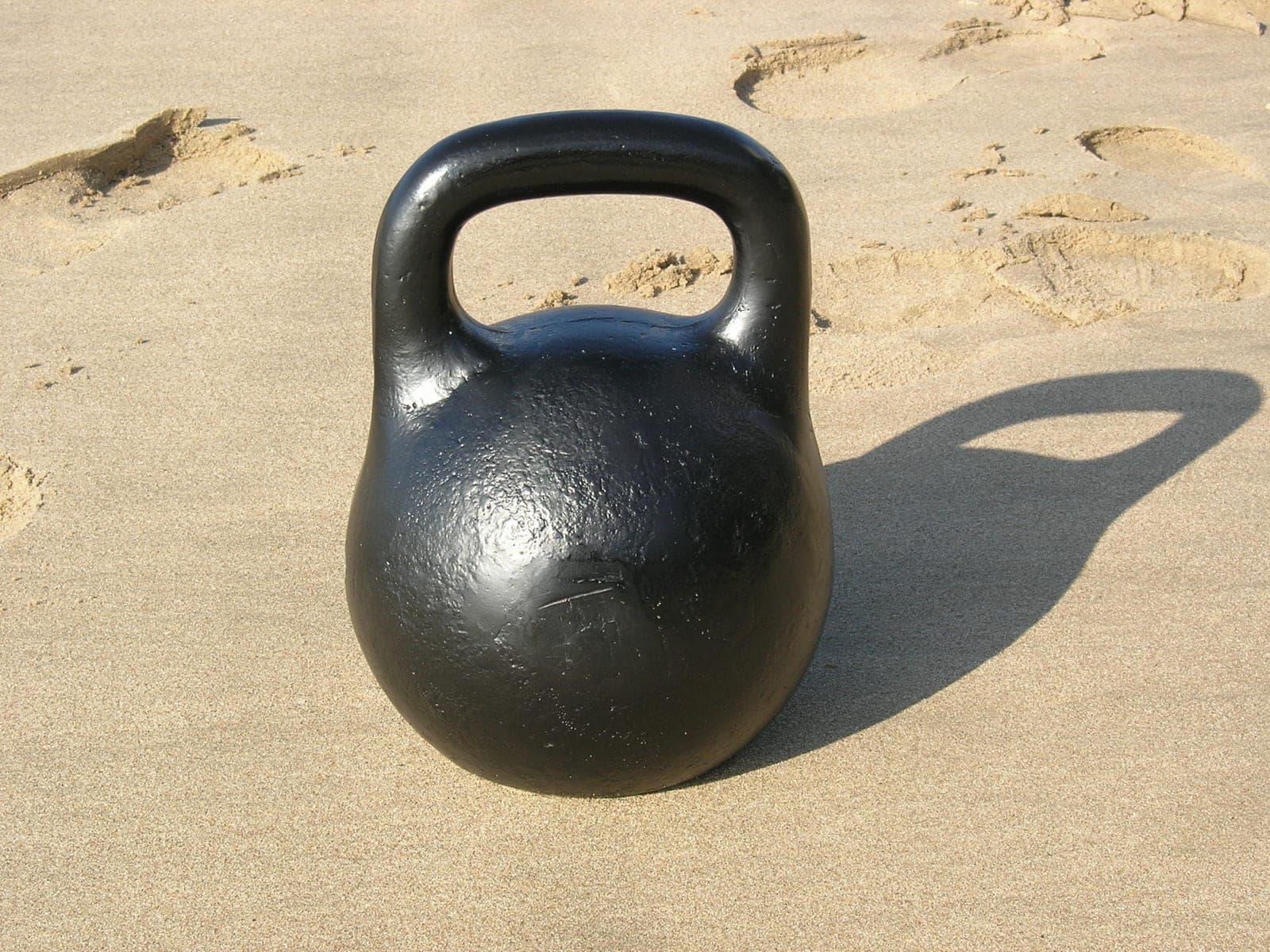
Functional Fitness
Varied, whole-body training built around everyday movement patterns like squatting, lifting and carrying.
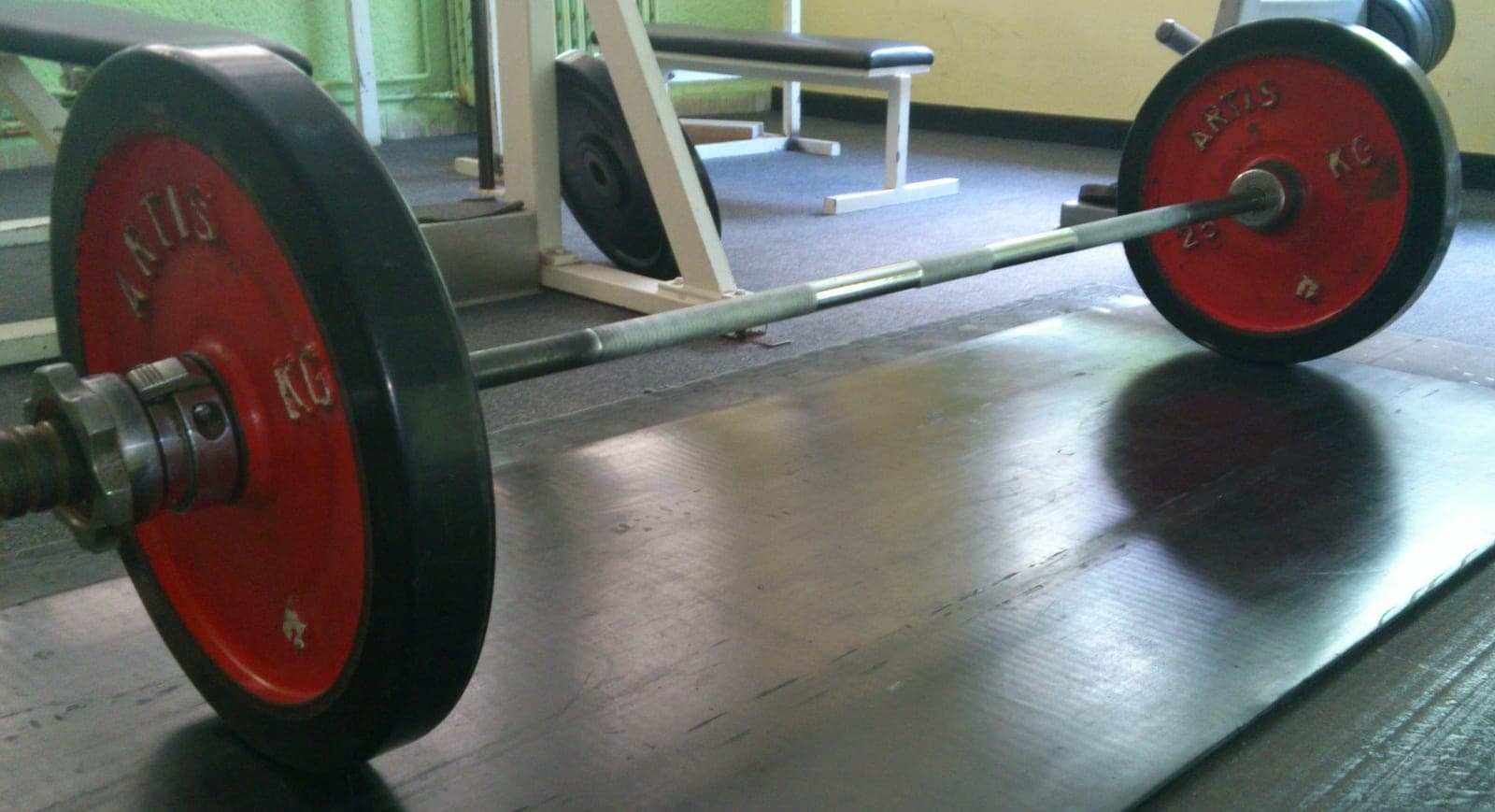
Weightlifting
A technical strength sport built around lifting a loaded barbell overhead with speed and control.
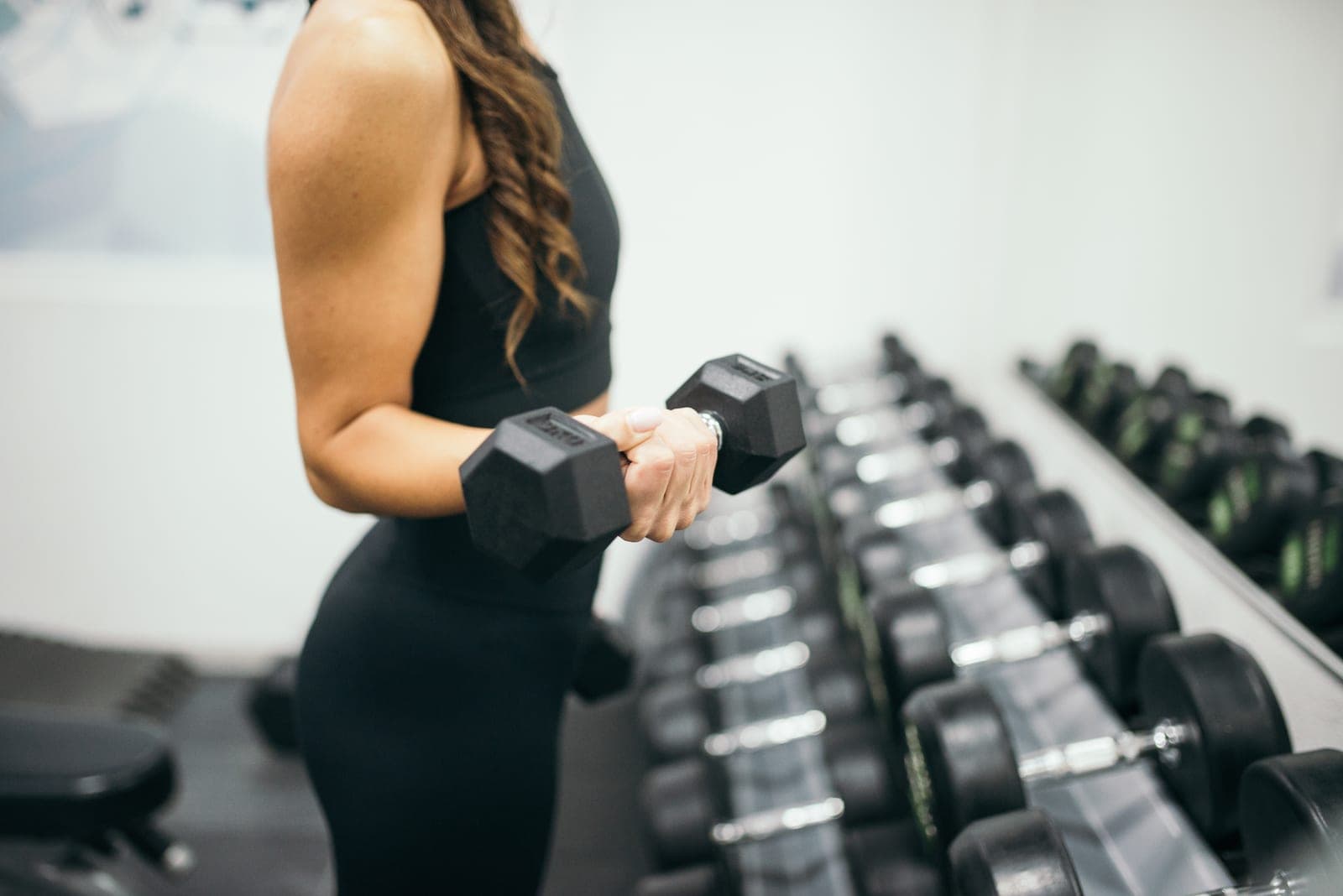
Fitness
Strength and general fitness training — the foundation that supports every other sport.
Related exercises
Squat
A foundational lower-body movement where you bend at the hips and knees to lower down and stand back up.
Goblet squat
A squat variation where you hold a single weight close to your chest for balance and control.
Jump squat
An explosive squat variation where you spring off the floor at the top of the movement.
Explore across the knowledge base
Follow the threads that connect Farmer’s carry to the rest of SocialSportHub.
Movement patterns
- CarryHolding and transporting a load while keeping the trunk braced and stable — an anti-movement pattern that builds grip, core stability and full-body strength.
- RotationRotating the trunk to generate and transfer power through the body's kinetic chain, plus anti-rotation — resisting unwanted twist to keep the trunk stable.
- CatchReceiving a moving object and securing it under control, absorbing its momentum by yielding along its path so kinetic energy is dissipated rather than rebounded away.
Go deeper with Farmer’s carry
Everywhere else on the platform that covers Farmer’s carry — assembled from what actually references it, so nothing here is a dead end.
Take it away
Open data and the whole-platform view of this subject.
How this page is maintained
- Content type
- Exercise
- Provenance
- Tier A — evergreen educational
- Verified external sources
- 0
- Content updated
- 2026-07-06
Evergreen, first-party explanation — it makes no claim that needs an external source. How we handle sources and reviews.