
Trapezius
The large, diamond-shaped muscle of the upper back and neck that moves and steadies the shoulder blades.
Overview
The trapezius — often called the "traps" — is a large, diamond-shaped muscle spanning the back of the neck, the shoulders and the upper spine. It has upper, middle and lower sections that pull in different directions.
Together these sections shrug the shoulders up, draw the shoulder blades together and steady them, and help support the neck and head. It gives the upper back and shoulders much of their shape.
Good to know
- Helps position the shoulder blades for arm movement
- Involved in shrugging, pulling and carrying loads
- Supports the head and neck through the day
Where it’s used
Sports this relates to:
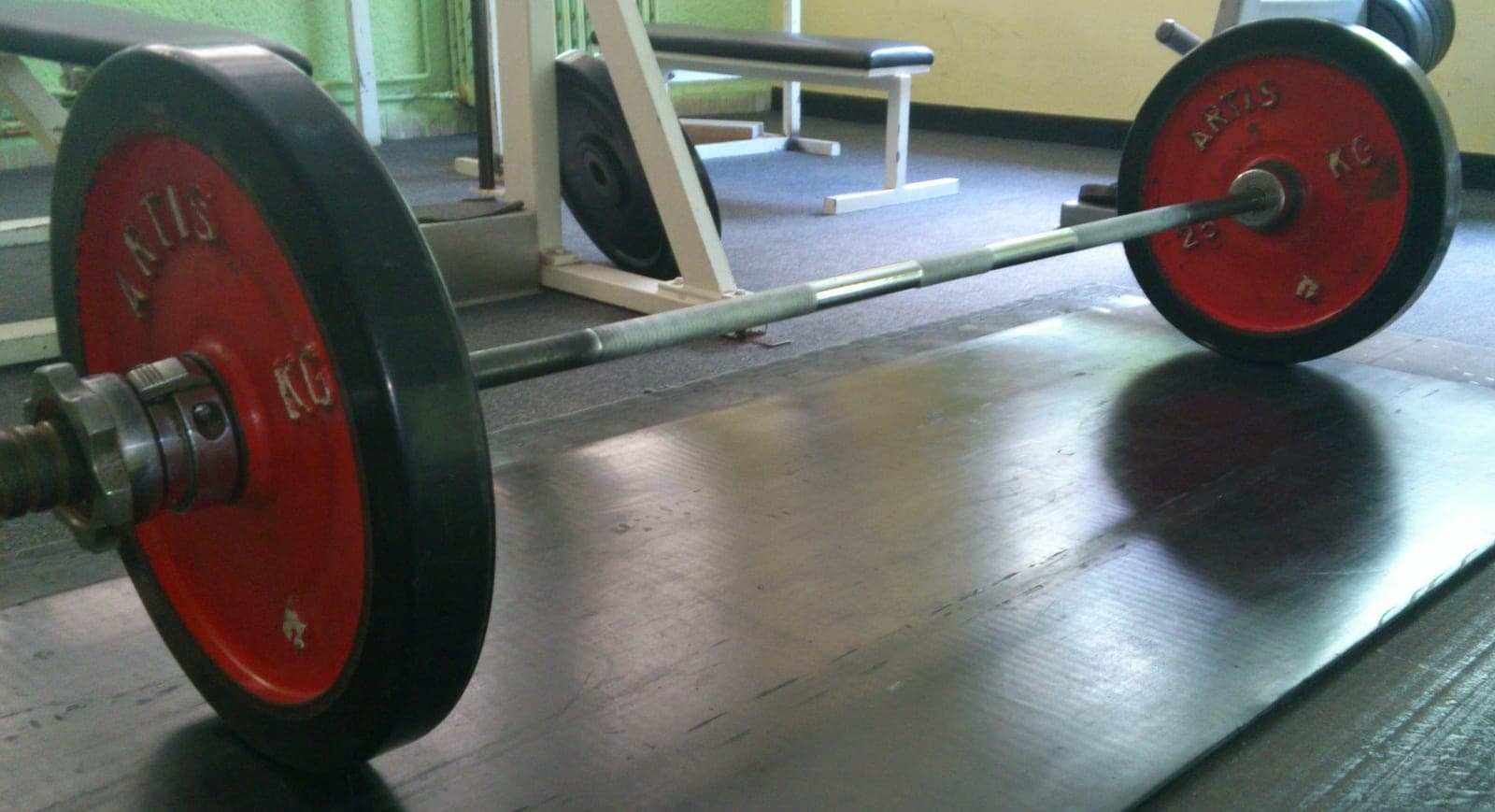
Weightlifting
A technical strength sport built around lifting a loaded barbell overhead with speed and control.
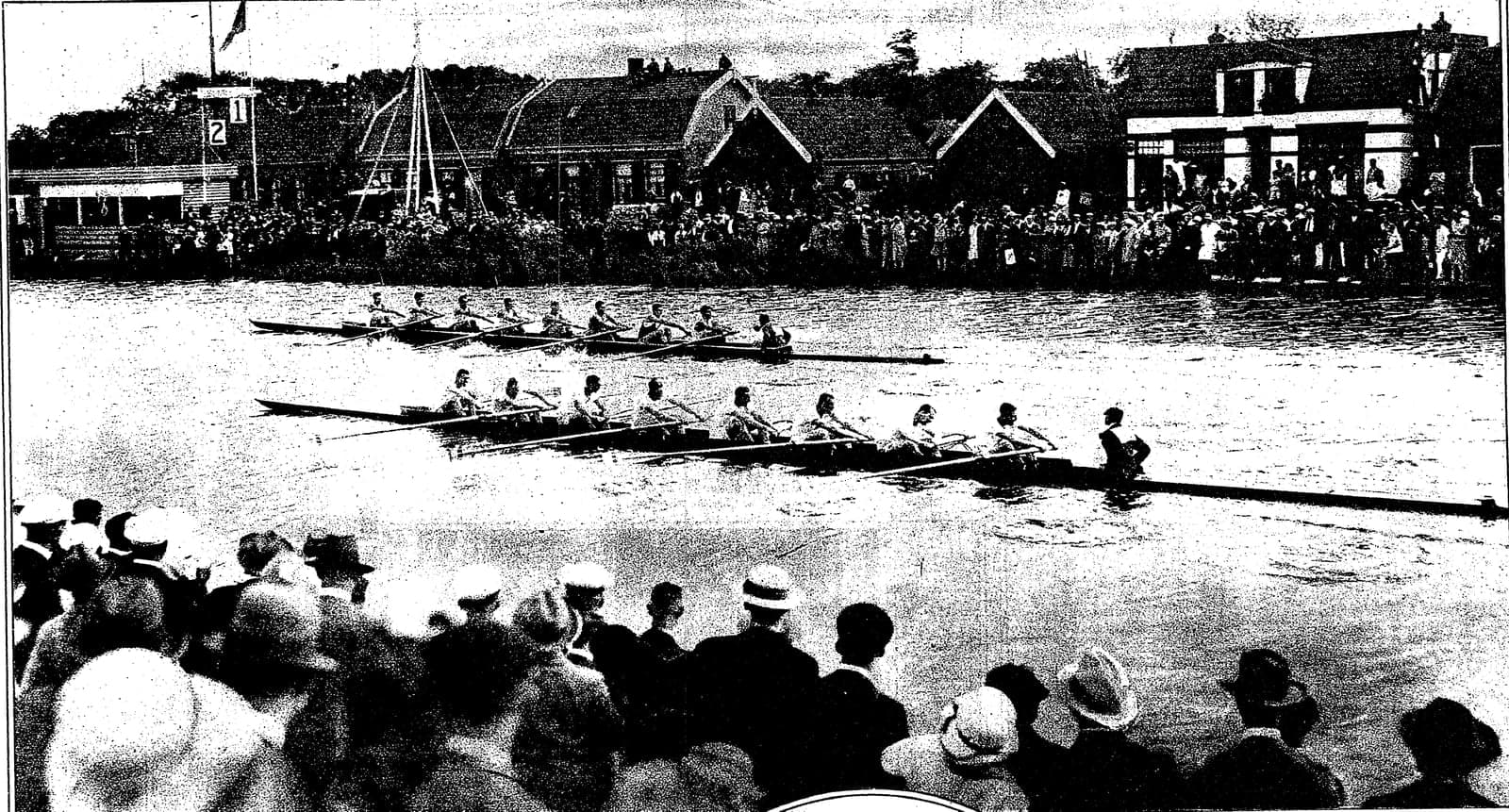
Rowing
A rhythmic, full-body endurance sport on the water or on an indoor machine.
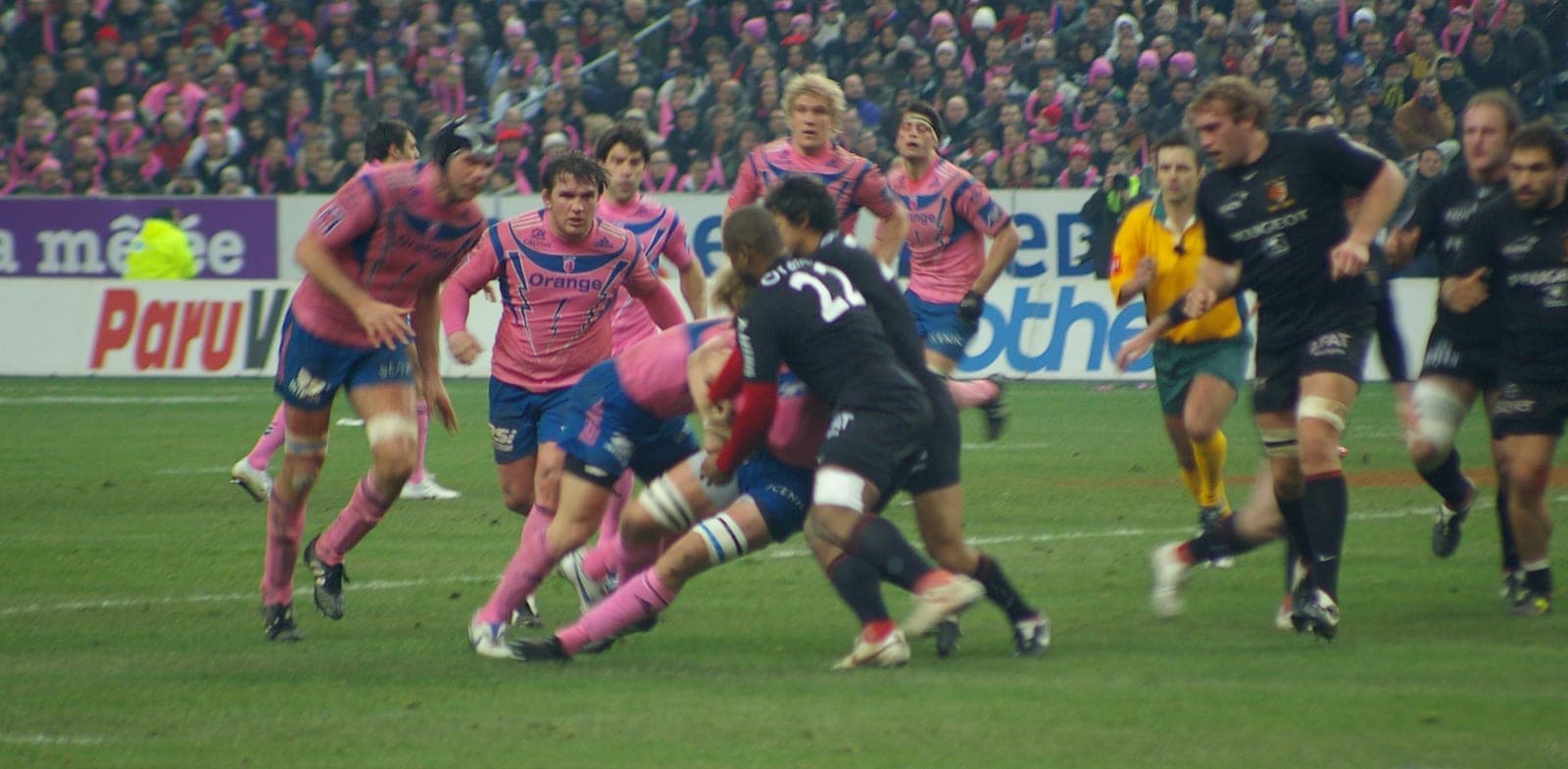
Rugby
A physical team sport of carrying, passing and kicking an oval ball toward the opposing line.

Swimming
A full-body, low-impact endurance sport suitable for almost every age and ability.
Exercises that work the trapezius
Deadlift
A hinge movement where you lift a weight from the floor by driving your hips forward to stand tall.
Pike push-up
A push-up variation with hips high that shifts the emphasis onto the shoulders.
Overhead press
A standing press that drives a weight from the shoulders to overhead until the arms lock out.
Pull-up
A vertical pulling exercise where you hang from a bar and pull your chin above it.
Inverted row
A horizontal pulling exercise where you pull your chest to a fixed bar while lying back beneath it.
Bent-over row
A pulling exercise where you hinge forward and row a weight toward your torso.
Explore across the knowledge base
Follow the threads that connect Trapezius to the rest of SocialSportHub.
Movement patterns
- PullDrawing a load or your own body toward the torso — horizontal rows and vertical pull-ups — building the lats, mid-back and biceps and balancing the push.
- CarryHolding and transporting a load while keeping the trunk braced and stable — an anti-movement pattern that builds grip, core stability and full-body strength.
- HingeA hip-dominant pattern: bend forward at the hips with a flat back, minimal knee bend, then drive the hips tall — powers pulling from the floor and jumping.
- ReachExtending a limb toward a distant point or object, often at full stretch, by projecting a distal segment beyond the body's resting envelope while a stabilised base preserves balance and control.
Tactics
- Offside trapA defensive football tactic where the back line steps up together to leave an attacker offside.
- The forecheckHow a hockey team attacks in the opposition's defensive zone without the puck — the 1-2-2, 2-1-2 and trap approaches, and what each one risks to win the puck back.
- The penalty killHow a team defends a player short — the box and diamond formations, why killers ice the puck legally, and what a short-handed team is actually trying to protect.
Go deeper with Trapezius
Everywhere else on the platform that covers Trapezius — assembled from what actually references it, so nothing here is a dead end.
Take it away
Open data and the whole-platform view of this subject.
How this page is maintained
- Content type
- Muscle group
- Provenance
- Tier A — evergreen educational
- Verified external sources
- 0
- Content updated
- 2026-07-06
Evergreen, first-party explanation — it makes no claim that needs an external source. How we handle sources and reviews.