
Pull
Drawing a load or your own body toward the torso — horizontal rows and vertical pull-ups — building the lats, mid-back and biceps and balancing the push.
Overview
The pull is a fundamental upper-body movement pattern in which the body draws a load toward the torso, or draws the torso toward a fixed handhold. Mechanically it combines shoulder extension or adduction, elbow flexion, and retraction of the shoulder blades, so the working arm ends closer to the trunk than it began. It runs along two axes: the vertical pull, where the resistance travels up and down in line with the spine (pull-ups, chin-ups and pulldowns, which are lat-dominant), and the horizontal pull, where the resistance travels toward the front of the torso (rows, which are mid-back dominant). The prime movers are the latissimus dorsi, the trapezius and rhomboids, the rear deltoids and the biceps, with the forearms and grip working throughout.
As the natural counterpart to the push, the pull develops the posterior musculature of the upper body and the pulling and gripping strength used to move a mass toward oneself. It appears across sport whenever propulsion or control comes from drawing something in: the underwater catch-and-pull of a swimming stroke, the drive phase of a rowing stroke, hauling the body upward in climbing, and gripping and unbalancing an opponent in grappling. Together with the push it keeps the front and back of the shoulder girdle in balance, which is why the two patterns are so often trained as a pair.
What defines it
- Two axes define it: the vertical pull moves resistance in line with the spine (pull-ups, chin-ups, pulldowns) and is lat-dominant, while the horizontal pull moves resistance toward the front of the torso (rows) and is mid-back dominant.
- The core joint actions are shoulder extension or adduction combined with elbow flexion, finished by retraction and depression of the shoulder blades so the arms and load draw in close to the trunk.
- Prime movers are the latissimus dorsi, trapezius and rhomboids, rear deltoids and biceps, with the forearms and grip engaged throughout to hold the load.
- The same pattern works whether the body moves to a fixed bar (a pull-up) or a load moves to a fixed body (a row) — only the moving reference point changes.
- It is the antagonist of the push: pulling develops the posterior shoulder and back musculature that balances the chest and front-of-shoulder work done by pressing.
Athletic movements built on it
Cross-sport movements that use this pattern as a base.
A note on this information
Exercises that train the pull
Movements built on this pattern — educational examples, not a prescription.
Pull-up
A vertical pulling exercise where you hang from a bar and pull your chin above it.
Chin-up
A pulling exercise similar to a pull-up but with palms facing you, involving the biceps more.
Inverted row
A horizontal pulling exercise where you pull your chest to a fixed bar while lying back beneath it.
Bent-over row
A pulling exercise where you hinge forward and row a weight toward your torso.
Band pull-apart
A simple pulling exercise where you stretch a resistance band across your chest to work the upper back.
Sports techniques that use it
How the movement shows up in the specific techniques of a sport.
Sports that rely on it
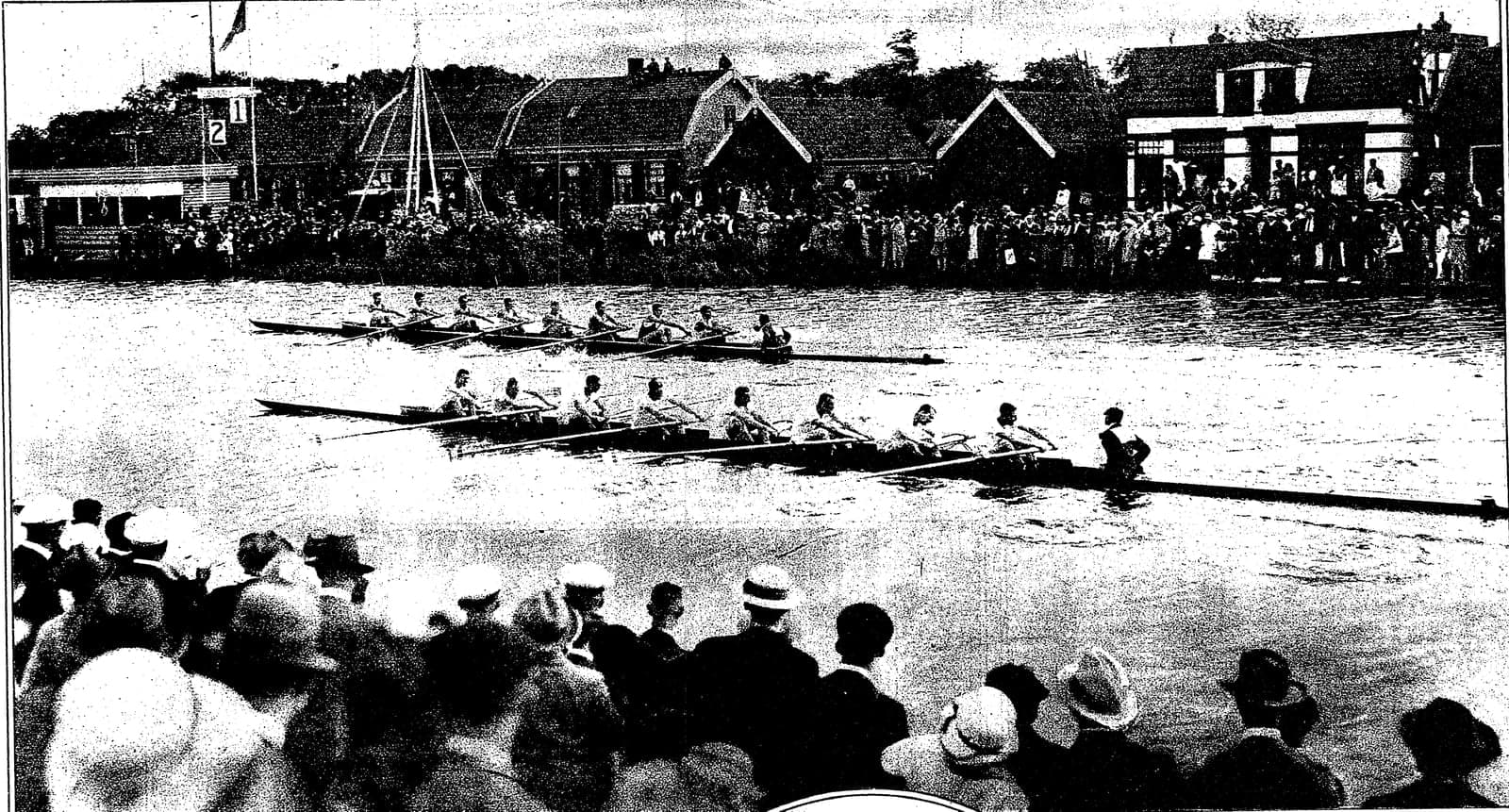
Rowing
A rhythmic, full-body endurance sport on the water or on an indoor machine.
Swimming
A full-body, low-impact endurance sport suitable for almost every age and ability.
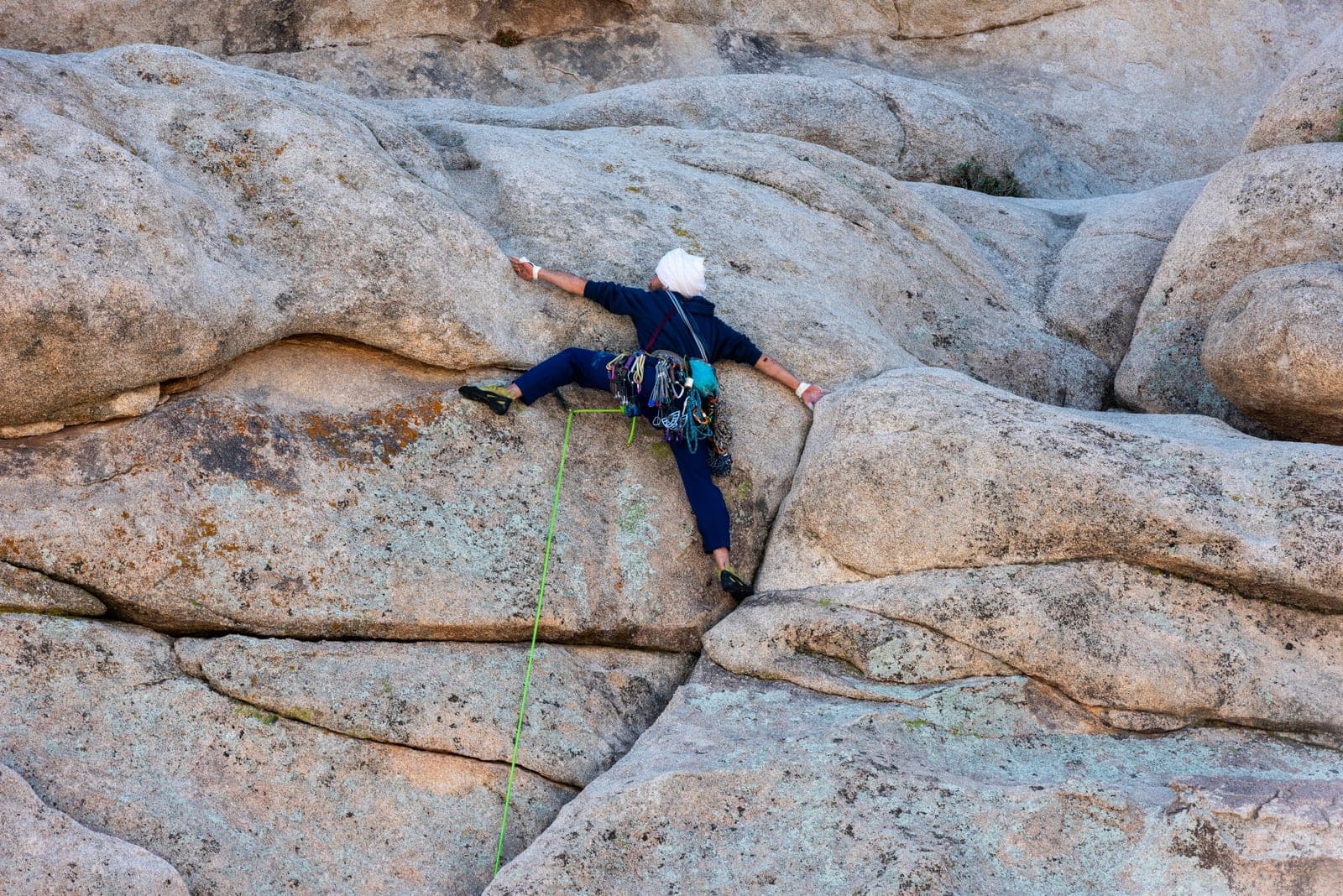
Rock Climbing
A rope-based climbing sport that pairs full-body strength with focus and careful technique, indoors or on rock.
Calisthenics
Bodyweight strength training — push-ups, pull-ups, dips and progressions you can do almost anywhere.
Functional Fitness
Varied, whole-body training built around everyday movement patterns like squatting, lifting and carrying.
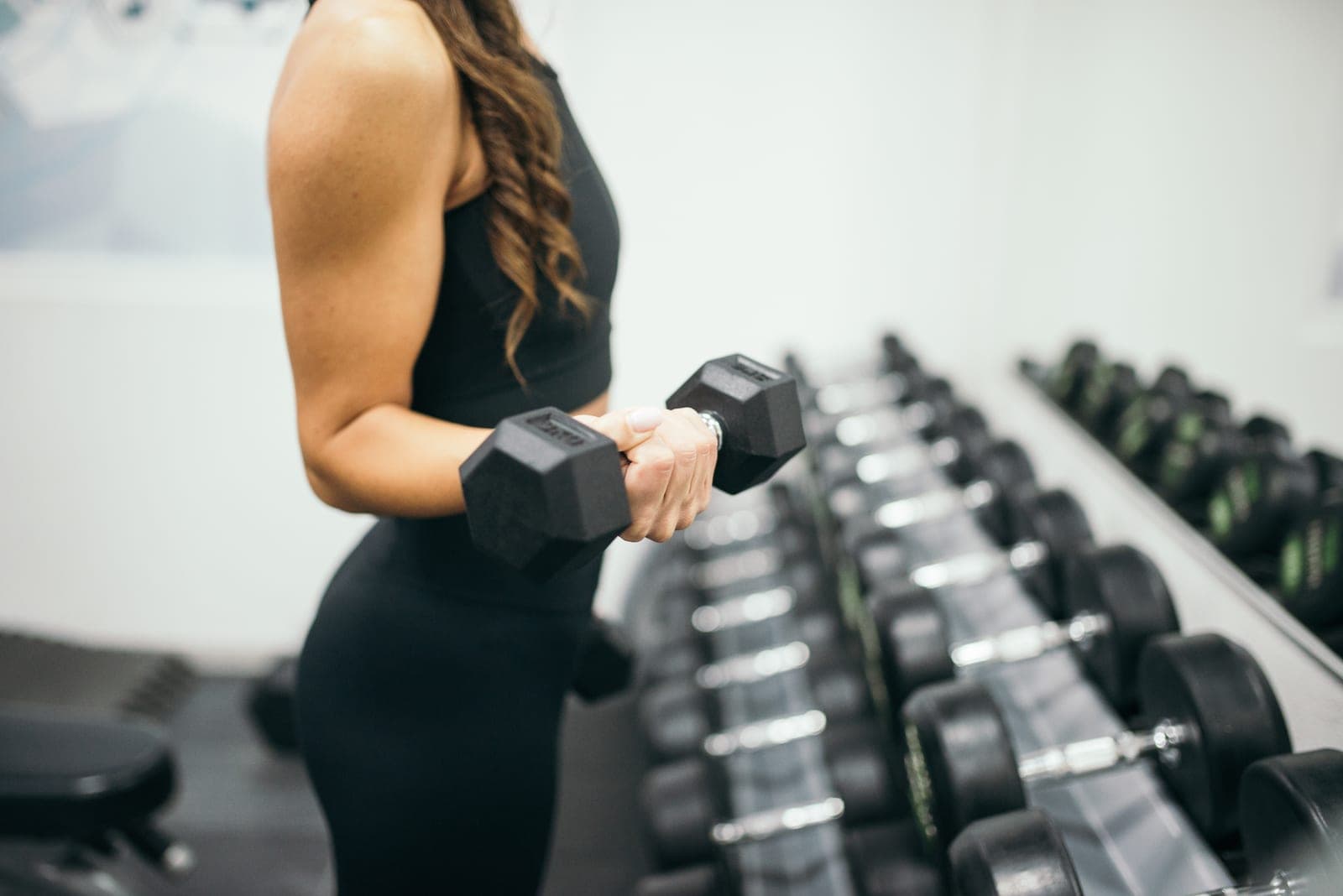
Fitness
Strength and general fitness training — the foundation that supports every other sport.
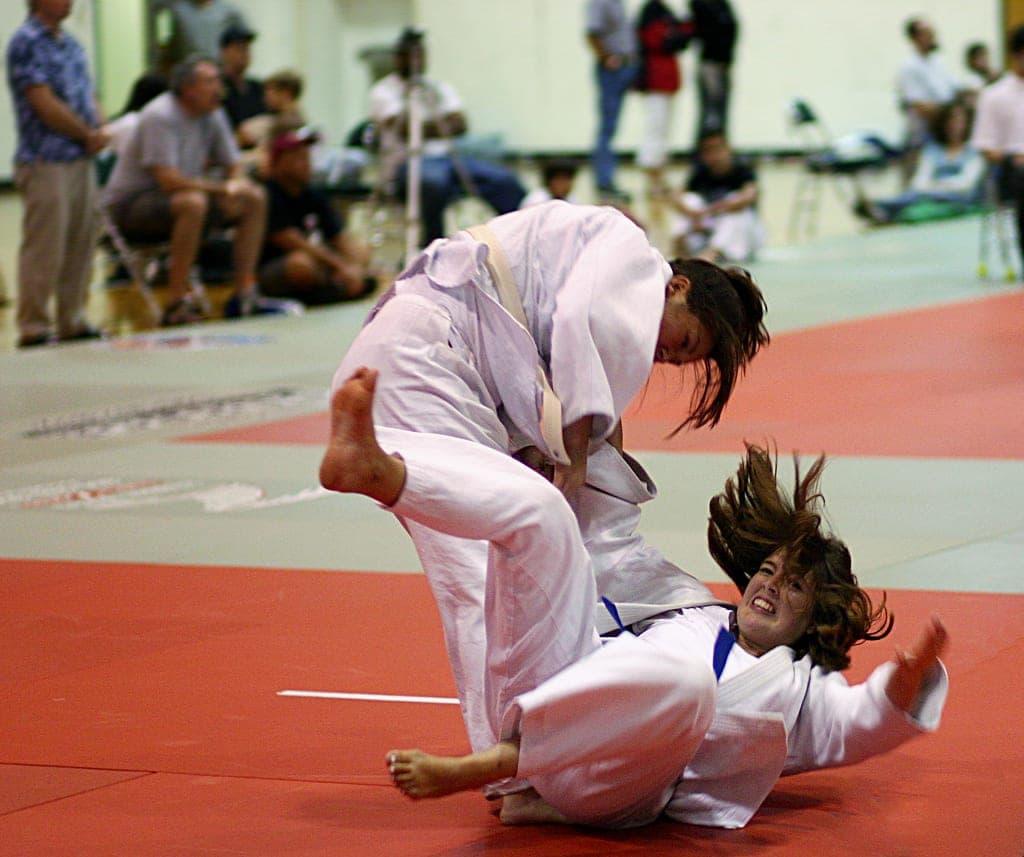
Judo
A grappling martial art based on throws, holds and control, practised on mats with a partner.
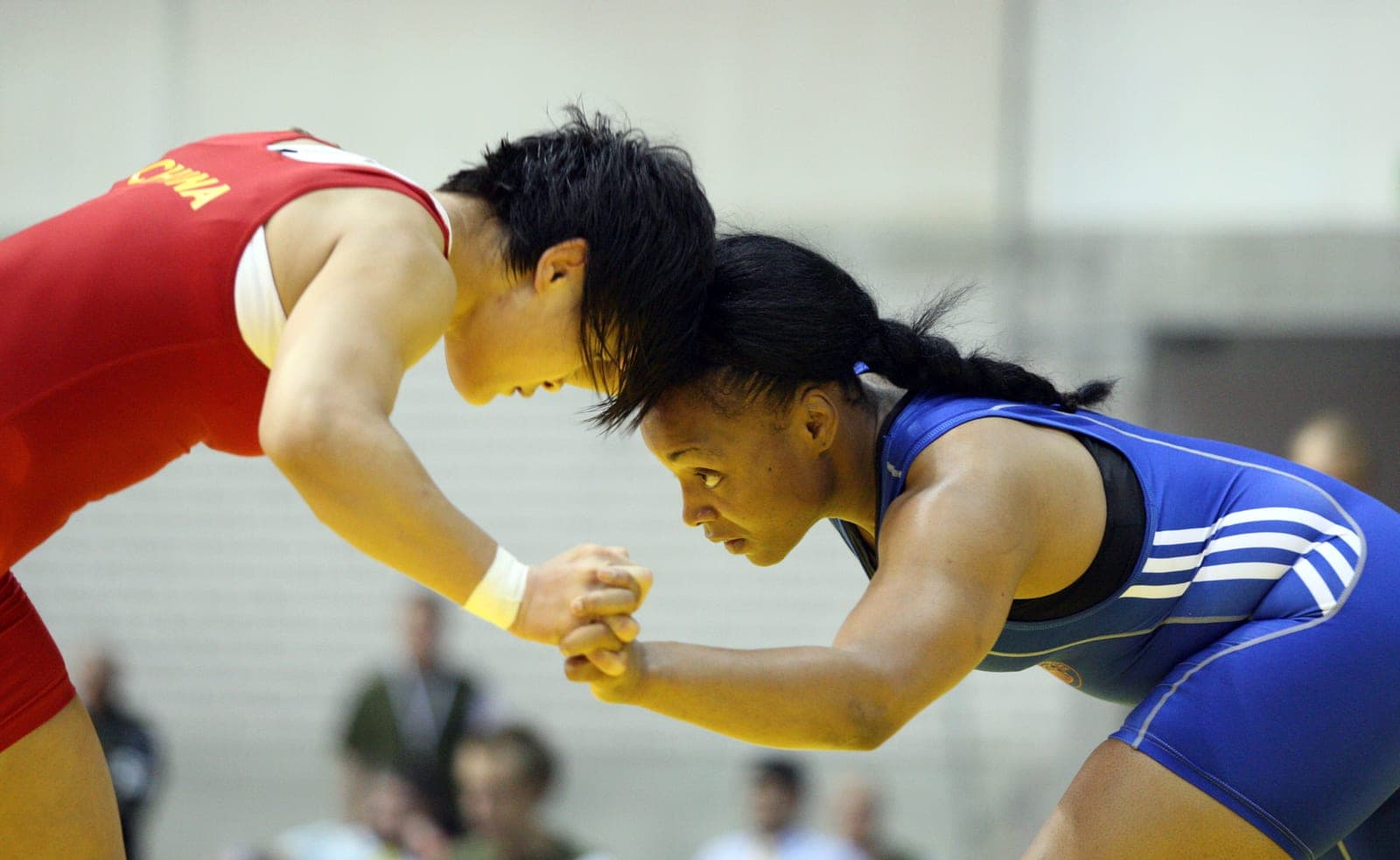
Wrestling
A grappling sport of takedowns and control where two athletes compete to pin or out-position each other.
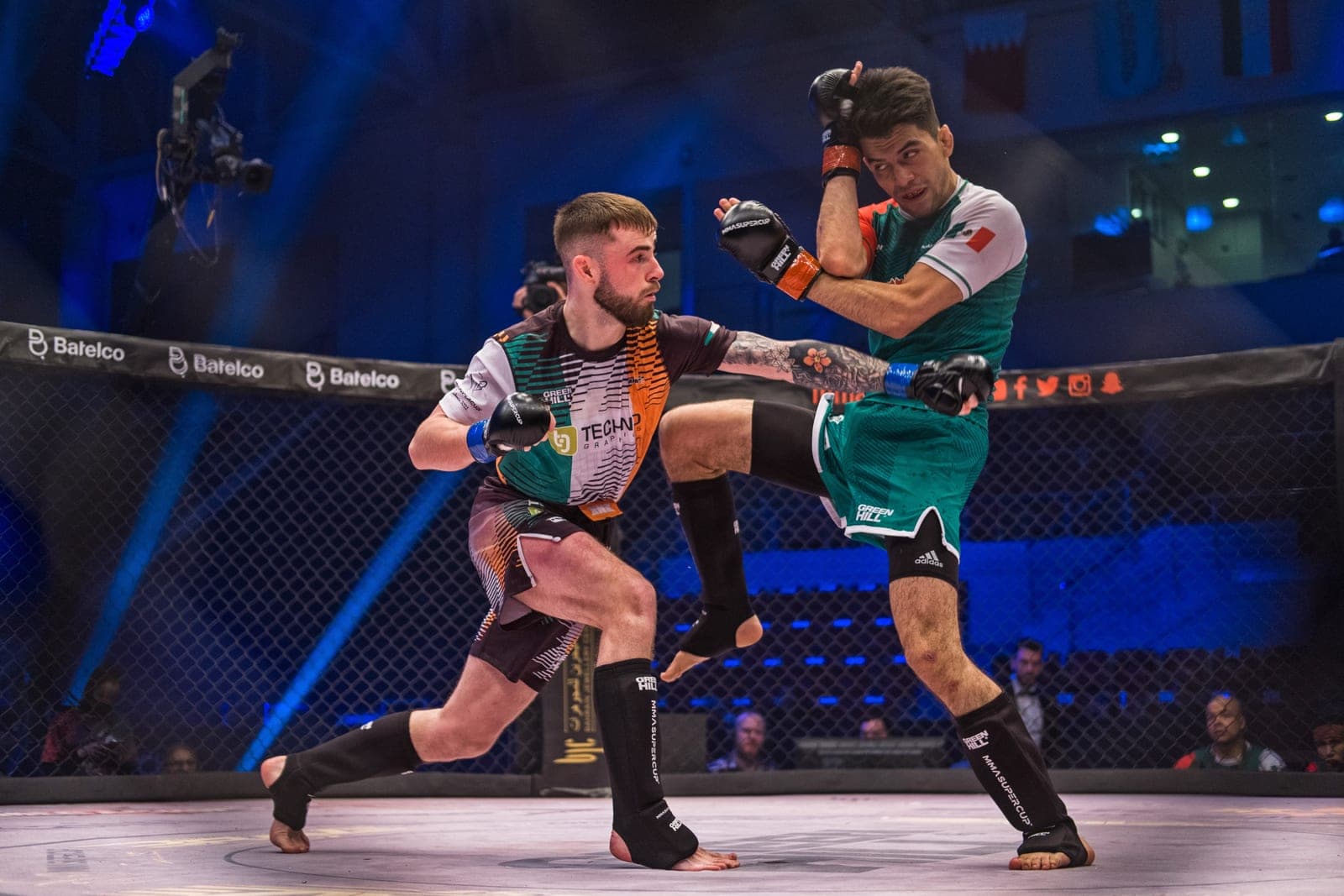
Mixed Martial Arts
A combat sport that blends striking and grappling from several disciplines into one all-round skill set.
How it connects
The meaning-bearing relationships that place Pull in the wider knowledge graph — each one with the reason it exists.
Explore across the knowledge base
Follow the threads that connect Pull to the rest of SocialSportHub.
Movement comparisons
- Pull vs PushPull vs Push: how these two movements differ, what they share, and how to tell them apart — from mechanics to the sports that use them.
- Push vs StrikePush vs Strike: how these two movements differ, what they share, and how to tell them apart — from mechanics to the sports that use them.
- Push vs ThrowPush vs Throw: how these two movements differ, what they share, and how to tell them apart — from mechanics to the sports that use them.
Skills
Knowledge Atlas
Training methods
- Strength TrainingStrength training uses resistance — bodyweight, bands or weights — to challenge your muscles so they gradually adapt and get stronger over time.
- Hypertrophy TrainingHypertrophy training is resistance work structured to encourage muscle growth, typically using moderate repetitions and a steady, controlled tempo.
- Progressive OverloadProgressive overload is the principle of gradually increasing the demand you place on your body so it keeps adapting and improving over time.
- Circuit TrainingCircuit training moves you through a series of stations back to back with little rest, blending strength and cardio into one time-efficient session.
Goals
- Build muscleChallenge your muscles with regular resistance training and steady recovery to build strength over time.
- Improve fitnessBuild well-rounded fitness — stamina, strength and more — through regular, varied activity you can keep up.
- Become more activeAdd regular, gentle movement to your everyday life and build up from a sedentary start at your own pace.
Training plans
- Beginner Full-Body WeekA general example of a simple full-body week that spreads a push, a pull, a lower-body movement and some core evenly across three unhurried sessions.
- Home Bodyweight WeekA general example week of short, equipment-free bodyweight sessions you can do at home, built from simple movements like squats, push-ups and planks.
Go deeper with Pull
Everywhere else on the platform that covers Pull — assembled from what actually references it, so nothing here is a dead end.
Take it away
Open data and the whole-platform view of this subject.
How this page is maintained
- Content type
- Movement pattern
- Provenance
- Tier A — evergreen educational
- Verified external sources
- 0
- Content updated
- 2026-07-13
Evergreen, first-party explanation — it makes no claim that needs an external source. How we handle sources and reviews.