
Mixed Martial Arts
Striking, grappling and all-round skill

Overview
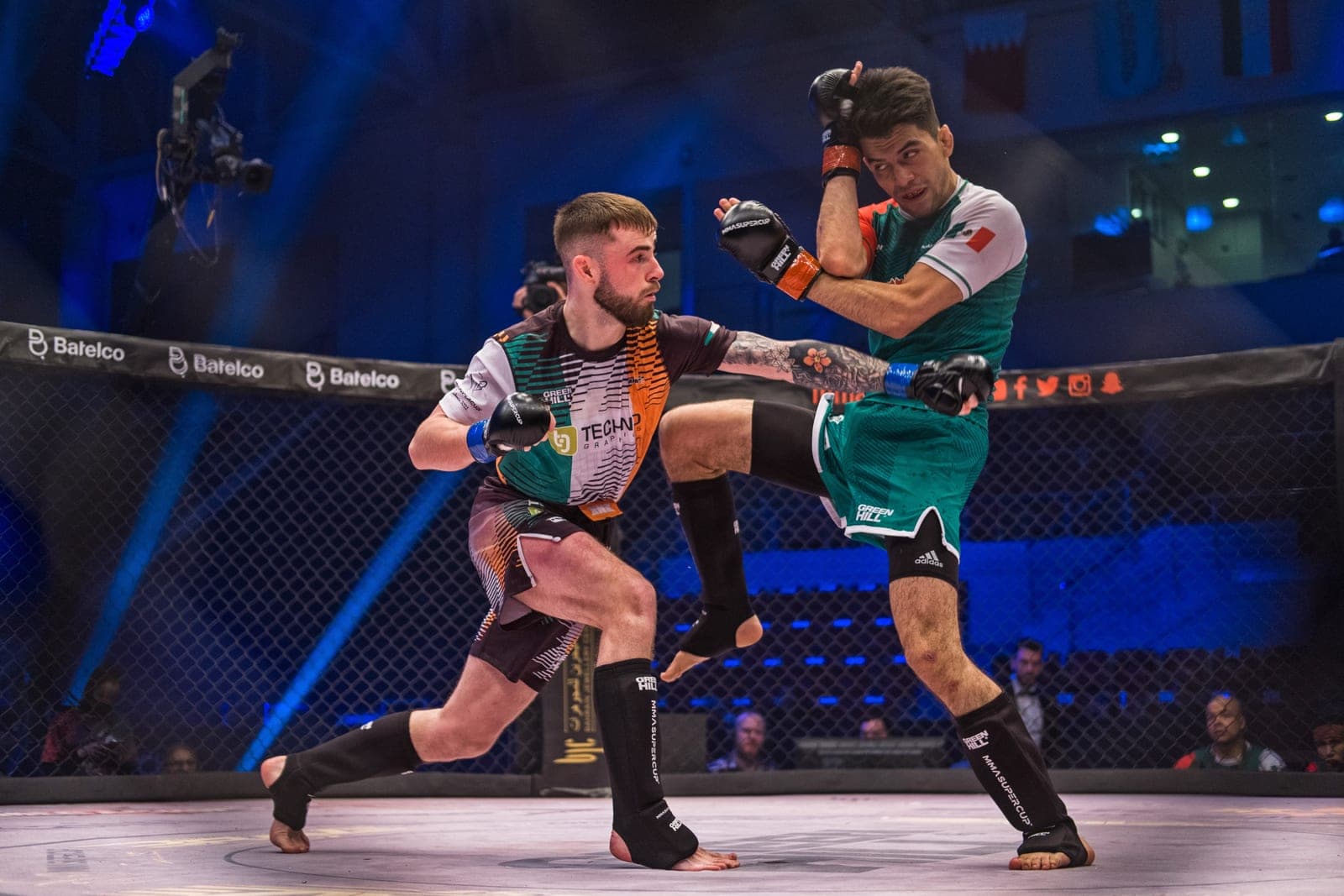
Mixed martial arts (MMA) combines techniques from striking arts such as boxing and kickboxing with grappling arts such as wrestling and Brazilian jiu-jitsu. Rather than a single style, it is an approach that brings the standing and ground games together into one well-rounded skill set.
Most people who train do so for the fitness, variety and problem-solving it offers, drilling technique and conditioning without necessarily competing. Because it covers so many skills, learning under qualified coaches and progressing gradually matters, and contact levels are usually controlled in training.
Why mixed martial arts is good for your health
- Combines cardio, strength and mobility in one demanding workout
- Develops full-body conditioning across striking and grappling
- Improves coordination, balance and body awareness
- Builds discipline, focus and composure under pressure
The social side
- Training partners rely on each other to learn and drill safely
- Gyms tend to build a close, supportive community
- Mixed classes bring together people from many backgrounds
How to start as a beginner
- 1Choose a reputable gym with qualified, beginner-friendly coaches
- 2Start with fundamentals classes to learn basic striking and grappling
- 3Drill technique and conditioning before any controlled sparring
- 4Progress gradually and always train within your comfort and skill level
Equipment you’ll need
- Comfortable training clothes or a rash guardEssential
- Hand wraps and glovesEssentialFor striking work
- A mouthguardEssential
- Shin guardsOptionalFor partner striking drills
- Grappling shortsOptional
Where to play
Mixed Martial Arts is typically played at:
Explore clubs and venues to understand the different places you can play, or see how to find people to play with.
Playing Mixed Martial Arts
The equipment, rules, skills and more that make up the game — each cross-linked into the encyclopedia.
Related sports to explore
If you enjoy Mixed Martial Arts, you might also like these.
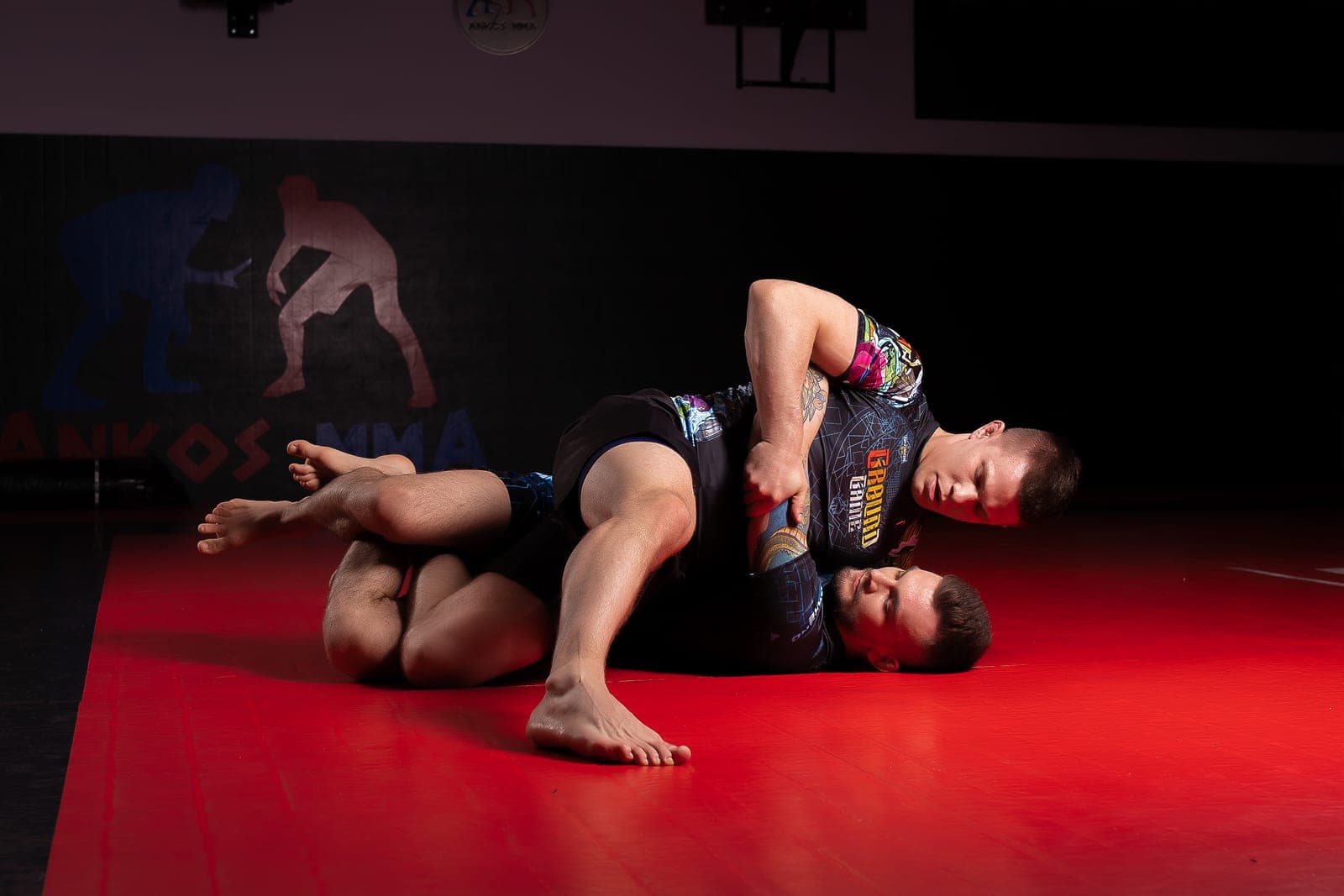
Brazilian Jiu-Jitsu
A ground-focused grappling art that uses leverage, position and technique to control a partner.
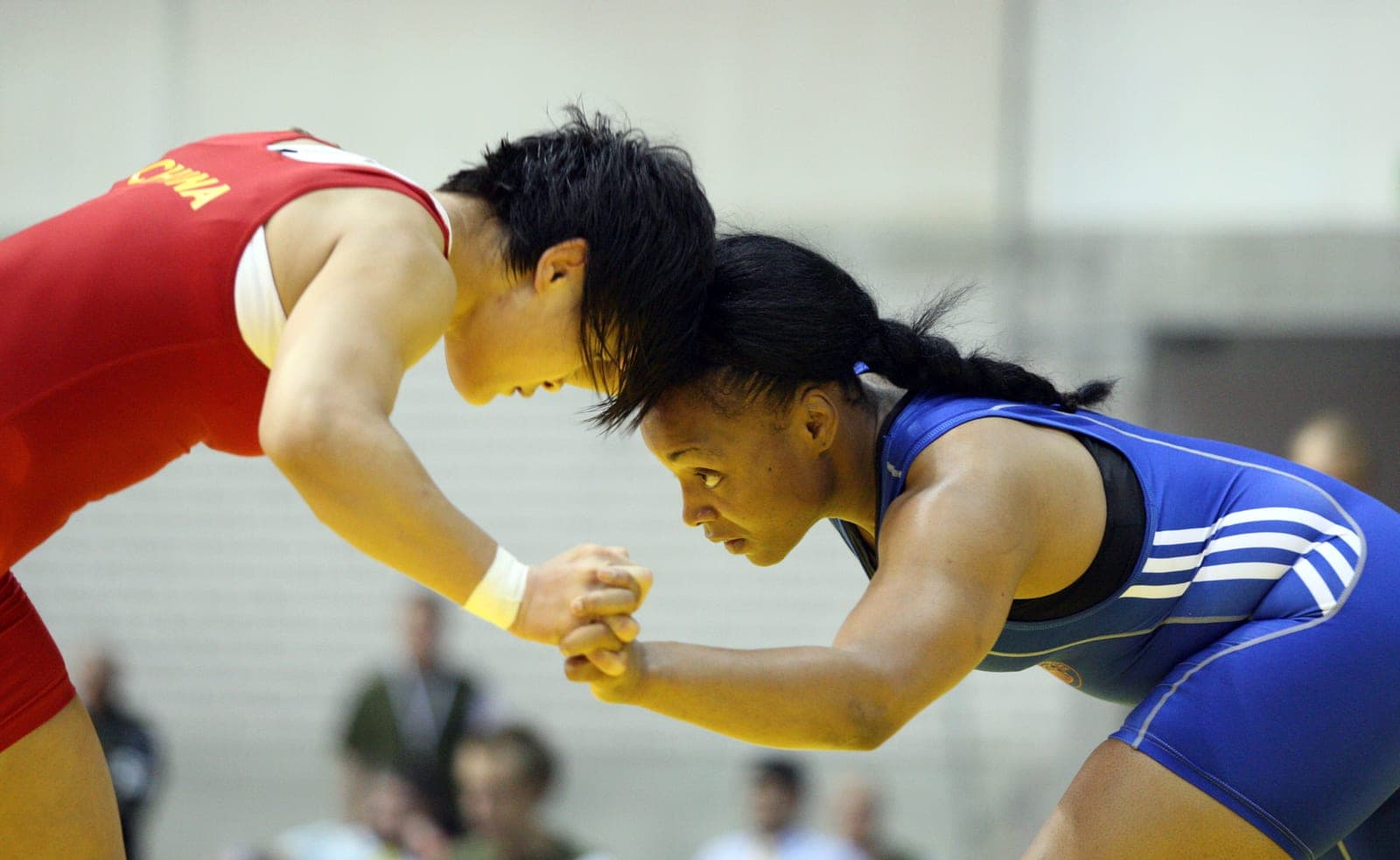
Wrestling
A grappling sport of takedowns and control where two athletes compete to pin or out-position each other.
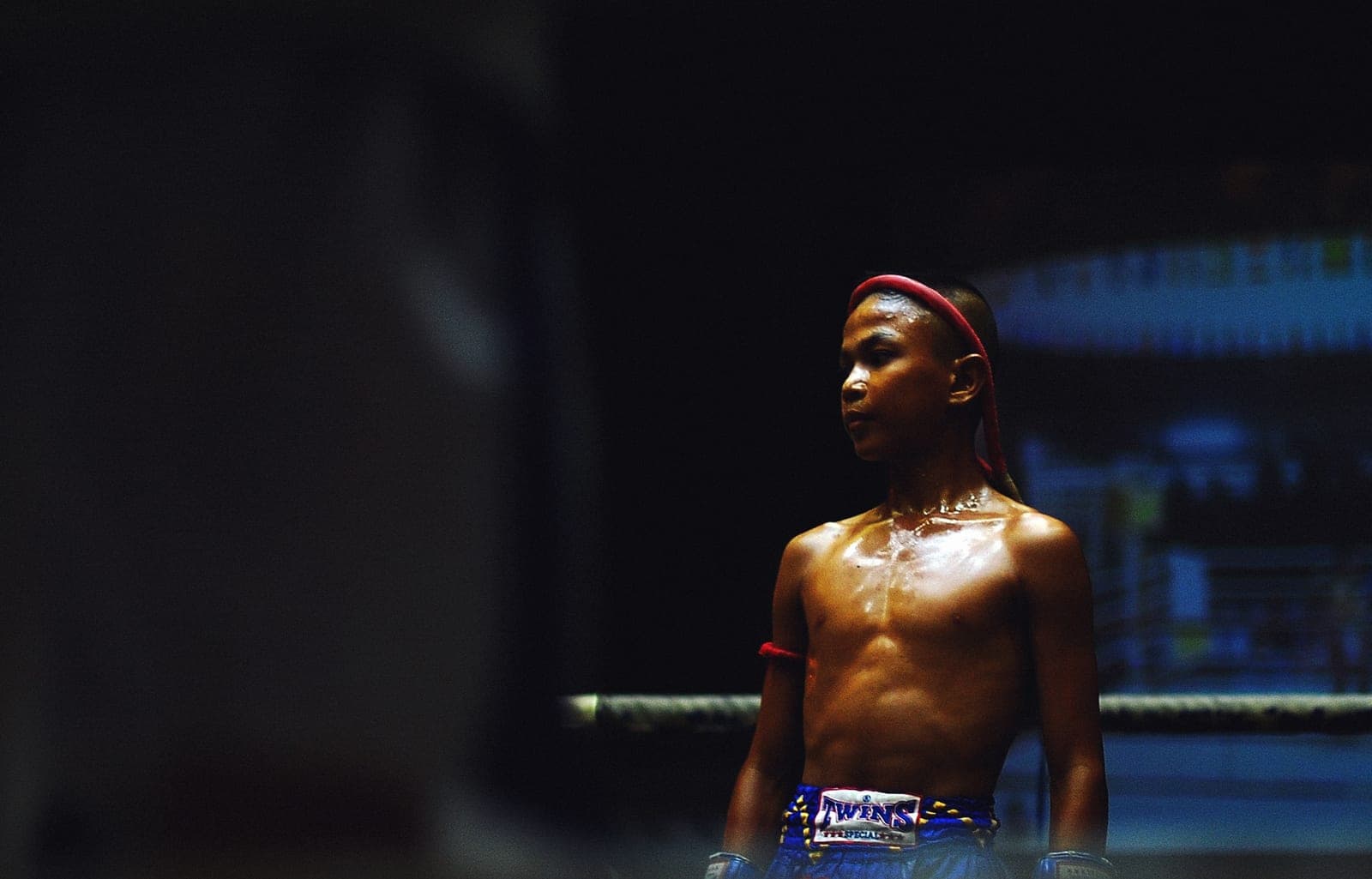
Muay Thai
A striking combat sport using fists, elbows, knees and shins, often trained for fitness and skill.
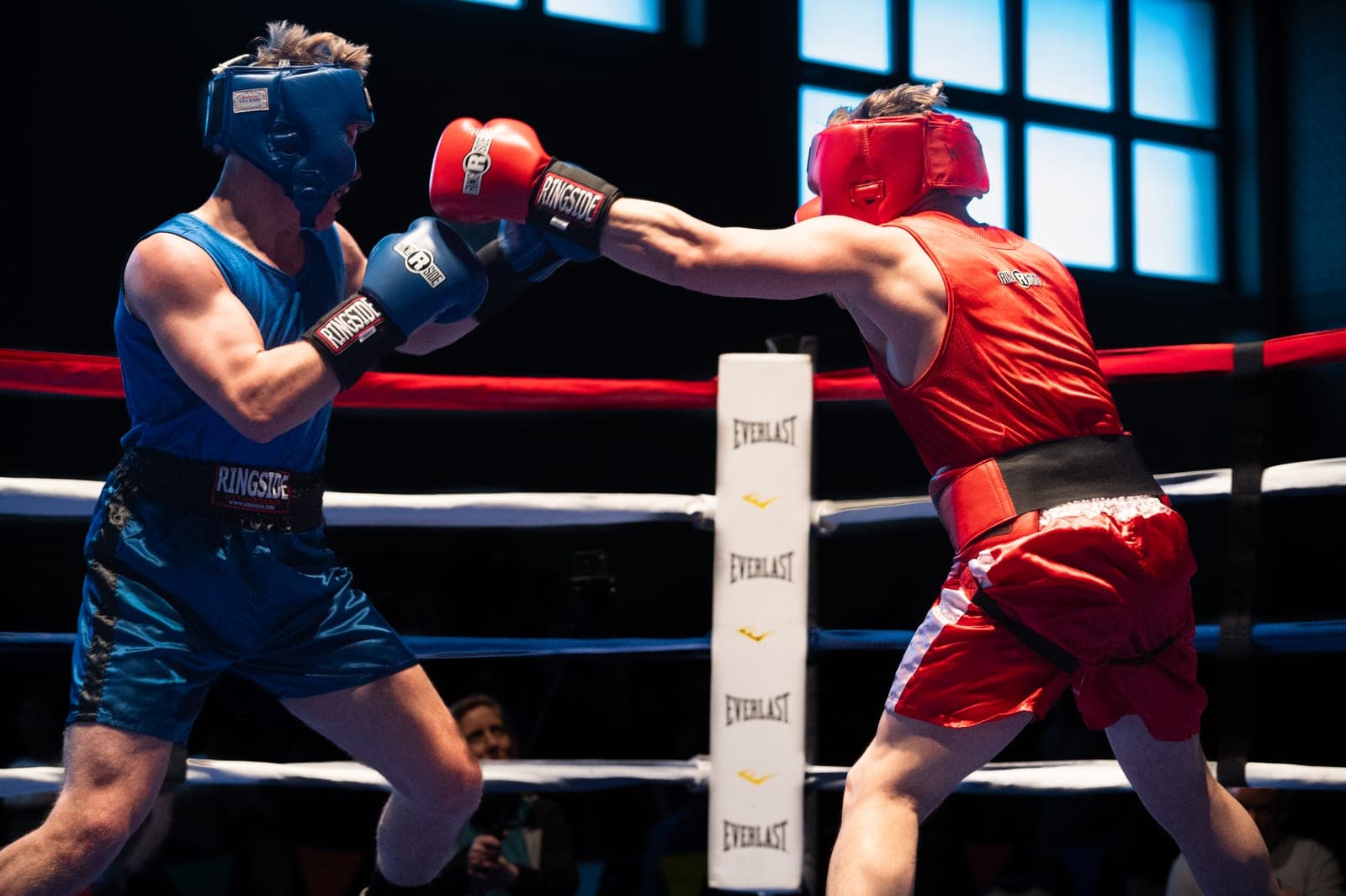
Boxing
A striking combat sport built on footwork, timing and conditioning, practised from fitness drills to controlled sparring.
Compare Mixed Martial Arts with…
Deciding between Mixed Martial Arts and something similar? See how they line up side by side.
Boxing vs Mixed Martial Arts
How they compare on difficulty, intensity, kit and what suits you.
Brazilian Jiu-Jitsu vs Mixed Martial Arts
How they compare on difficulty, intensity, kit and what suits you.
Kickboxing vs Mixed Martial Arts
How they compare on difficulty, intensity, kit and what suits you.
Mixed Martial Arts vs Muay Thai
How they compare on difficulty, intensity, kit and what suits you.
Mixed Martial Arts vs Wrestling
How they compare on difficulty, intensity, kit and what suits you.
How it connects
The meaning-bearing relationships that place Mixed Martial Arts in the wider knowledge graph — each one with the reason it exists.
Alternative to
Comparable enough that people choose between them.
- BoxingMixed Martial Arts and Boxing are close enough that the platform maintains a side-by-side comparison of them.
- Brazilian Jiu-JitsuMixed Martial Arts and Brazilian Jiu-Jitsu are close enough that the platform maintains a side-by-side comparison of them.
- KickboxingMixed Martial Arts and Kickboxing are close enough that the platform maintains a side-by-side comparison of them.
- Muay ThaiMixed Martial Arts and Muay Thai are close enough that the platform maintains a side-by-side comparison of them.
- WrestlingMixed Martial Arts and Wrestling are close enough that the platform maintains a side-by-side comparison of them.
Explore across the knowledge base
Follow the threads that connect Mixed Martial Arts to the rest of SocialSportHub.
Glossary
- KnockoutIn combat sports, ending a bout by a strike that leaves the opponent unable to continue.
- MouthguardA mouthguard is a soft protective insert worn over the teeth in contact sports to help cushion impacts to the mouth.
- GiA gi is the traditional two-piece uniform, worn with a belt, used in several grappling and striking martial arts.
- Roundhouse KickA kick delivered in a circular, sweeping arc that strikes with the shin or the top of the foot.
- TatamiThe padded matting that covers the competition and training area in many martial arts.
Movement patterns
- PullDrawing a load or your own body toward the torso — horizontal rows and vertical pull-ups — building the lats, mid-back and biceps and balancing the push.
- RotationRotating the trunk to generate and transfer power through the body's kinetic chain, plus anti-rotation — resisting unwanted twist to keep the trunk stable.
Go deeper with Mixed Martial Arts
Everywhere else on the platform that covers Mixed Martial Arts — assembled from what actually references it, so nothing here is a dead end.
Compare it
Head-to-head studies against the entities people actually weigh it against.
- Mixed Martial Arts vs BoxingSide by side on the qualities that differ.
- Mixed Martial Arts vs Brazilian Jiu-JitsuSide by side on the qualities that differ.
- Mixed Martial Arts vs KickboxingSide by side on the qualities that differ.
- Mixed Martial Arts vs Muay ThaiSide by side on the qualities that differ.
- Mixed Martial Arts vs WrestlingSide by side on the qualities that differ.
Kit it out
Equipment guidance drawn from the graph, with no brands and no affiliate links.
Take it away
Open data and the whole-platform view of this subject.
How this page is maintained
- Content type
- Sport
- Provenance
- Tier A — evergreen educational
- Verified external sources
- 0
- Content updated
- 2026-07-06
Evergreen, first-party explanation — it makes no claim that needs an external source. How we handle sources and reviews.
Keep going
A sport is most rewarding alongside good habits, sensible nutrition and people to share it with. Here is where to go next.
How movement supports body and mind.
Eat well to feel and perform better.
Build routines that stick.
Ways to meet others and play together.
Where to play and what to expect.
Browse the full list by category.