
Pull-up
A vertical pulling exercise where you hang from a bar and pull your chin above it.
Overview
The pull-up is a vertical pulling exercise done hanging from an overhead bar with the palms facing away. You pull your body upward until your chin clears the bar, then lower back to a full hang. It is a demanding bodyweight movement that develops the back and arms.
Because it lifts your entire bodyweight, the pull-up is challenging for many beginners, who often build up with easier rows, band-assisted versions or negative-only repetitions. It is a benchmark movement in calisthenics and general strength.
The movement
- 1Hang from the bar with palms facing away and hands about shoulder-width apart.
- 2Pull your shoulder blades down and drive your elbows toward your ribs.
- 3Continue until your chin clears the bar.
- 4Lower under control back to a full hang.
Beginner notes
- A resistance band looped on the bar can assist while building strength.
- Rows and slow lowering can help bridge toward a first pull-up.
- A full hang at the bottom is part of the range.
A note on training information
Where it’s used
Sports this relates to:
Calisthenics
Bodyweight strength training — push-ups, pull-ups, dips and progressions you can do almost anywhere.
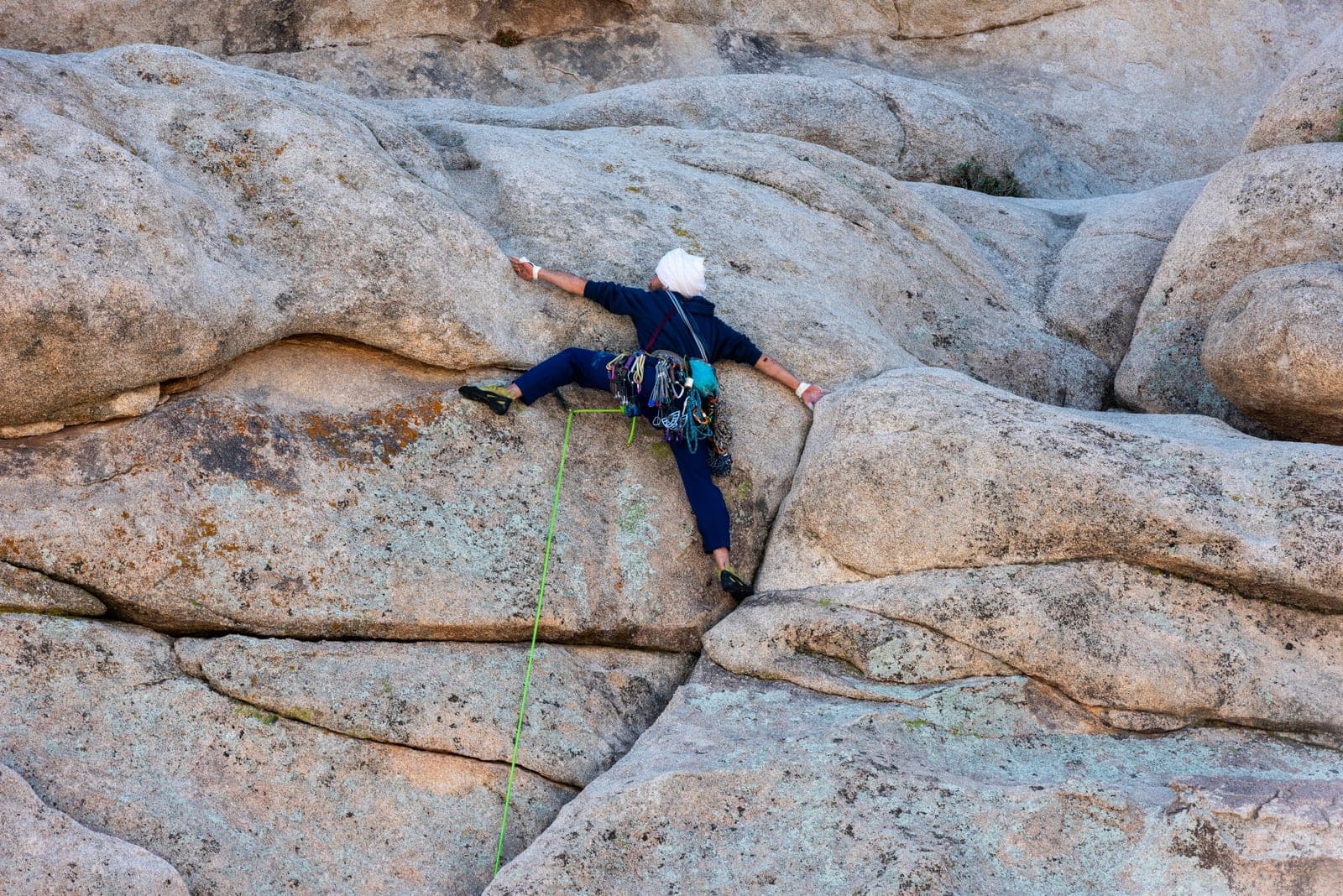
Rock Climbing
A rope-based climbing sport that pairs full-body strength with focus and careful technique, indoors or on rock.
Fitness
Strength and general fitness training — the foundation that supports every other sport.
Functional Fitness
Varied, whole-body training built around everyday movement patterns like squatting, lifting and carrying.
Related exercises
Squat
A foundational lower-body movement where you bend at the hips and knees to lower down and stand back up.
Goblet squat
A squat variation where you hold a single weight close to your chest for balance and control.
Jump squat
An explosive squat variation where you spring off the floor at the top of the movement.
Explore across the knowledge base
Follow the threads that connect Pull-up to the rest of SocialSportHub.
Movement patterns
- PullDrawing a load or your own body toward the torso — horizontal rows and vertical pull-ups — building the lats, mid-back and biceps and balancing the push.
- LungeA split-stance, single-leg-emphasis pattern: stepping or dropping into a staggered stance and pushing back up to build single-leg strength, balance and stability.
- SquatA knee-dominant pattern: bending the hips, knees and ankles to lower and rise while keeping the torso upright — the foundation of lower-body strength.
- JumpThe plyometric pattern of projecting the body off the ground through explosive triple extension and controlling the landing — the core expression of lower-body power.
Coaching concepts
Movement comparisons
Go deeper with Pull-up
Everywhere else on the platform that covers Pull-up — assembled from what actually references it, so nothing here is a dead end.
Compare it
Head-to-head studies against the entities people actually weigh it against.
Take it away
Open data and the whole-platform view of this subject.
How this page is maintained
- Content type
- Exercise
- Provenance
- Tier A — evergreen educational
- Verified external sources
- 0
- Content updated
- 2026-07-06
Evergreen, first-party explanation — it makes no claim that needs an external source. How we handle sources and reviews.