
Outdoors
Sport and activity in the fresh air — running, cycling, hiking and more, using parks, trails and open space.
Overview
The outdoors is a free, ever-changing training ground. Parks, paths, trails and hills suit running, cycling, walking and climbing, and the variety of terrain and scenery keeps sessions interesting.
Weather, daylight and terrain all shape what is sensible on the day. A little planning — layers, footwear and a route you know — lets you enjoy fresh-air movement safely in most conditions.
What works
- Parks, trails and quiet roads are free and open to almost anyone.
- Varied terrain builds fitness, balance and coordination naturally.
- Time outside is a common way to lift mood and unplug from screens.
- Simple kit — good shoes and layers — covers most conditions.
Getting started
- 1Pick a familiar, safe route close to home to start.
- 2Dress in layers for the weather and wear supportive footwear.
- 3Begin with a manageable distance and build up gradually.
- 4Tell someone your route or share your location for longer outings.
Sports that fit
Great places to start — each with a clear, beginner-friendly guide.
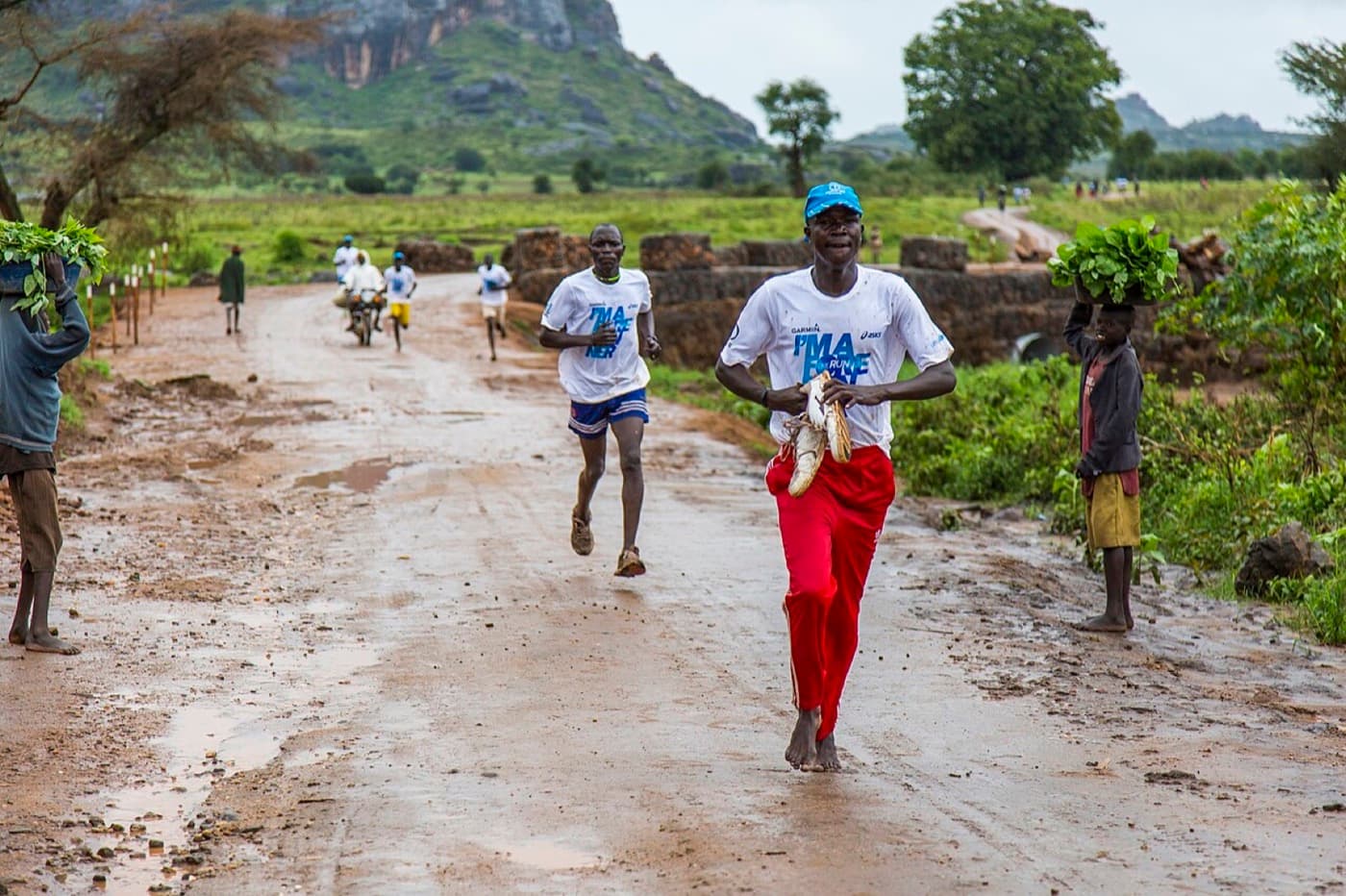
Running
The most accessible endurance sport — no venue, just shoes and the open road or trail.
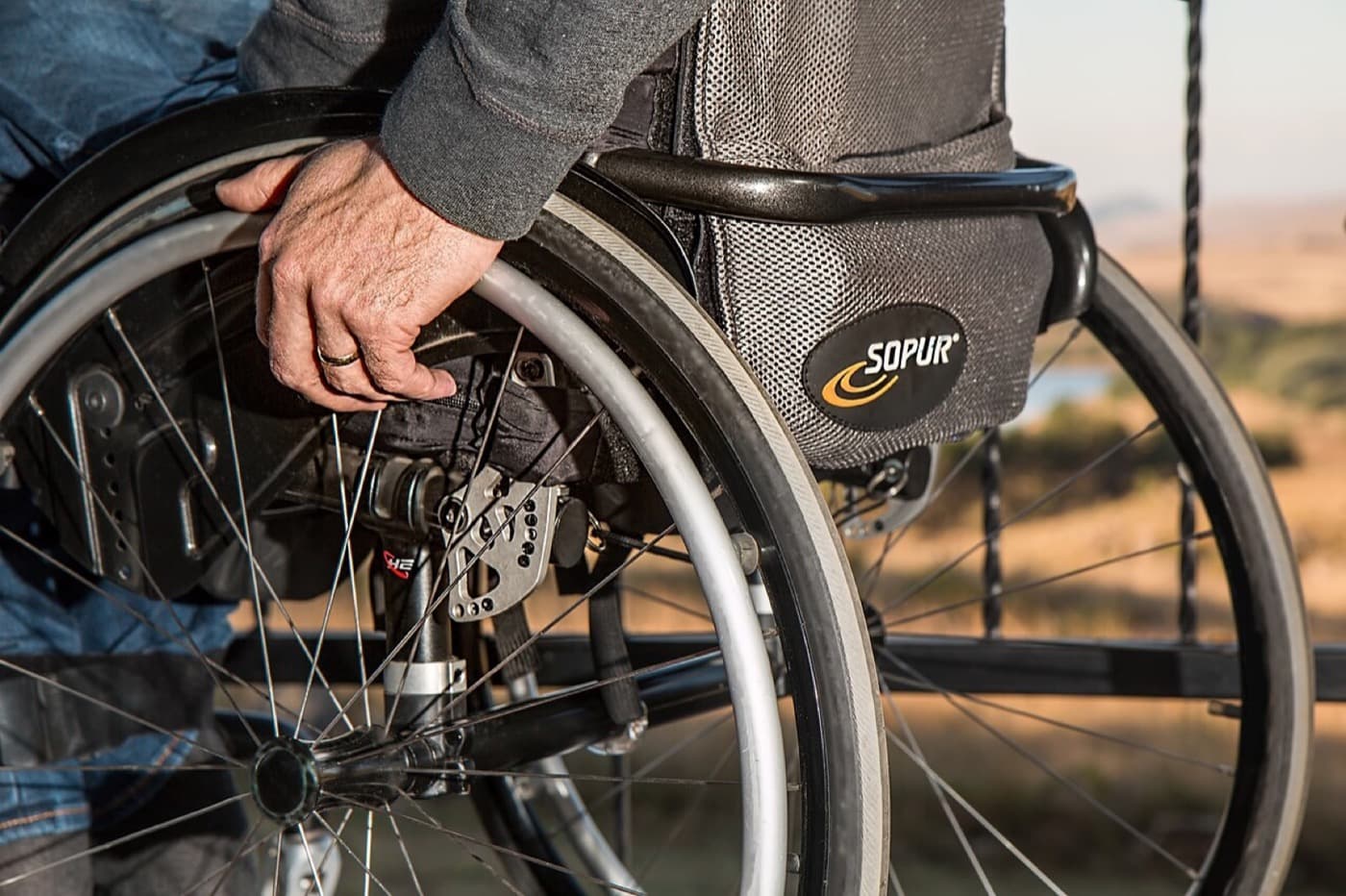
Cycling
A low-impact endurance sport that doubles as transport, exercise and adventure.
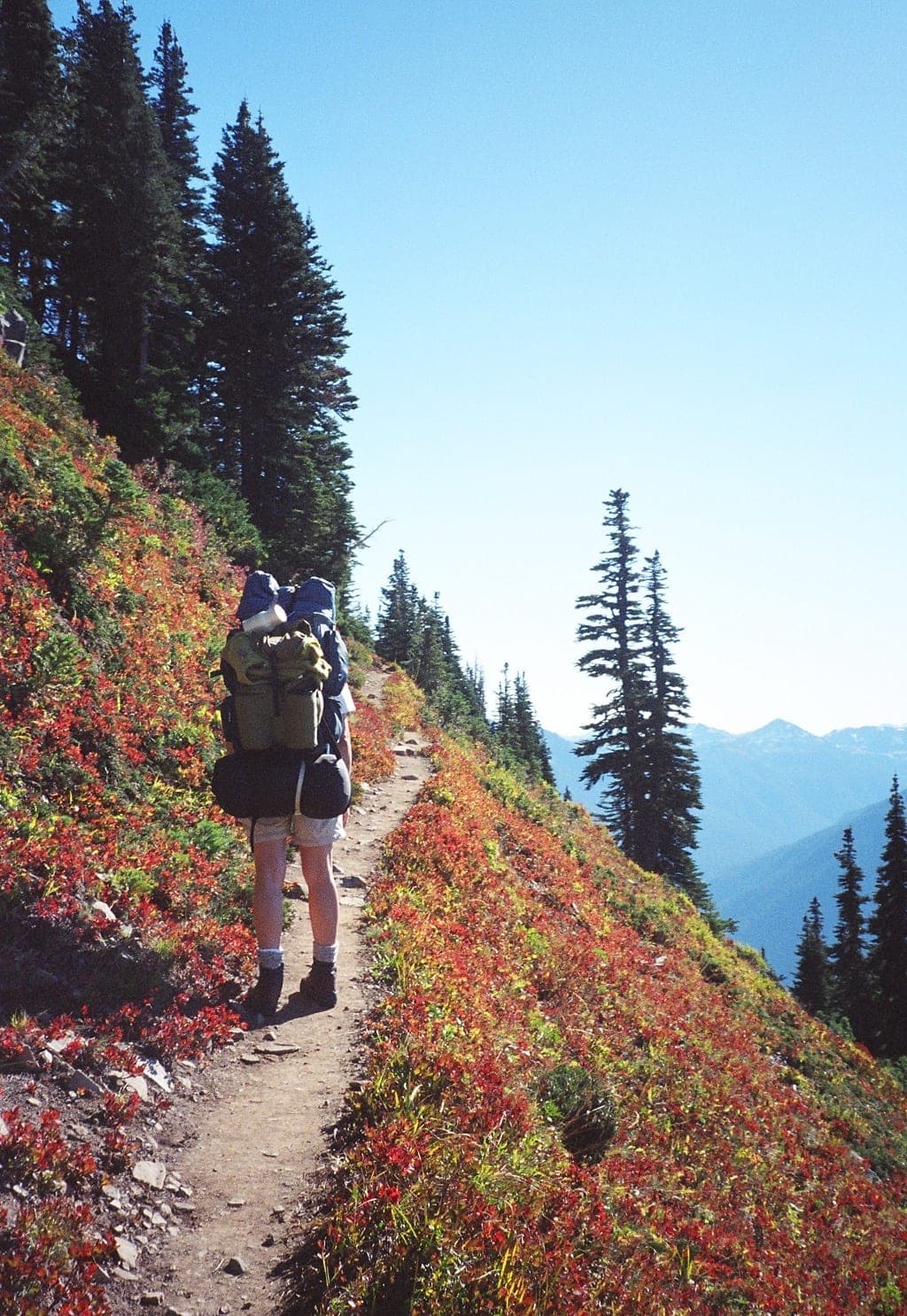
Hiking
An accessible outdoor sport of walking natural trails and hills at your own pace, solo or in a group.
Trail Running
Running off-road on trails, hills and natural terrain, away from pavements and traffic.
Mountain Biking
An off-road cycling sport ridden on rugged trails, mixing endurance, bike handling and outdoor adventure.
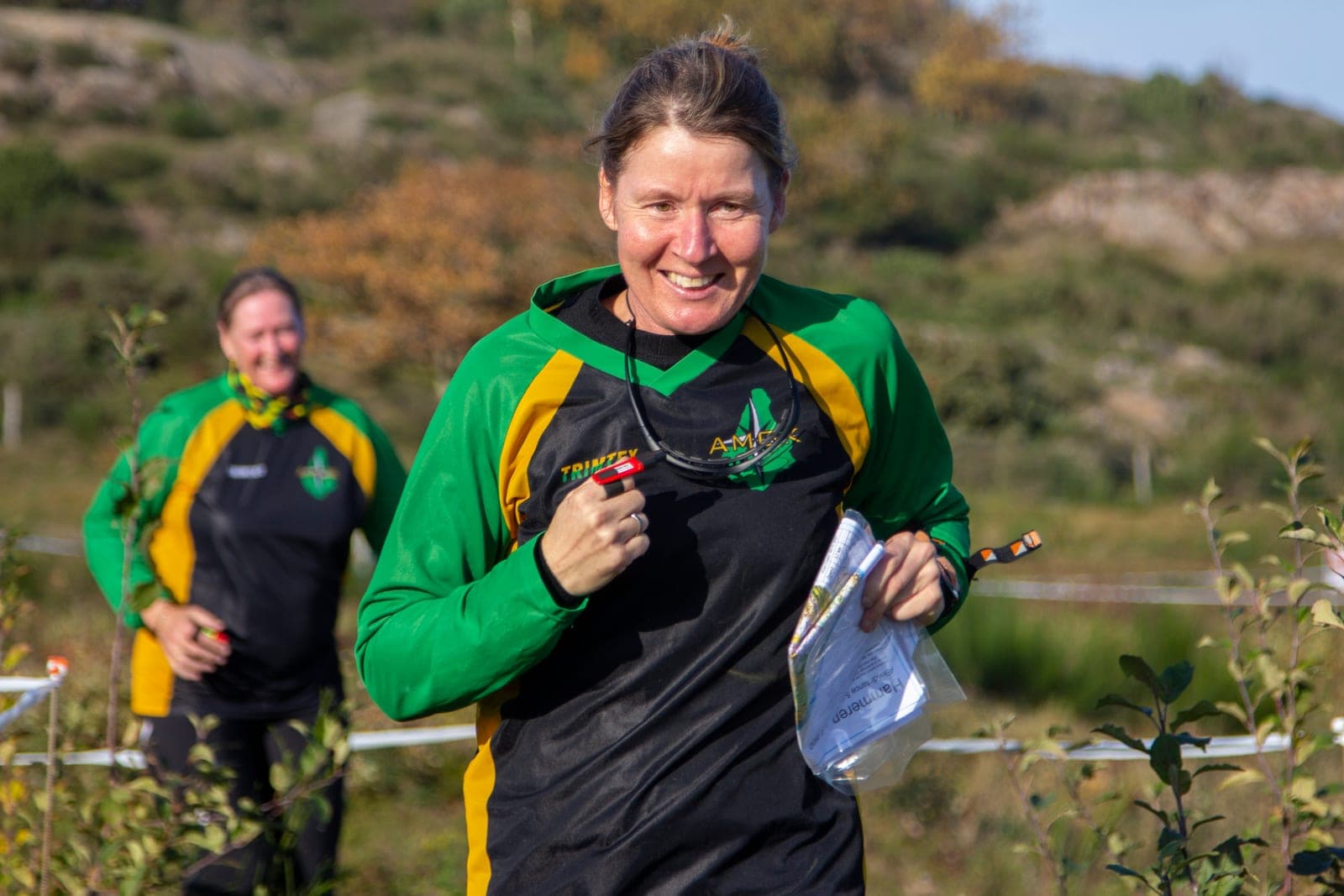
Orienteering
A navigation sport that combines running or walking with map-reading to find a series of checkpoints.
Goals that fit
Outdoor activities
Spend more time being active outdoors, from walking and cycling to trails, water and hills.
Improve cardiovascular health
Regular activity is widely linked with supporting heart and circulatory health as part of a balanced routine.
Improve mental wellbeing
Use regular, enjoyable activity to support your mood, connection and sense of wellbeing as one healthy habit among many.
Become more active
Add regular, gentle movement to your everyday life and build up from a sedentary start at your own pace.
Digital detox
Using sport and the outdoors to step away from screens and spend time offline.
Ways to train
Exercises and methods that fit — educational, not a prescription.
Wall sit
A holding exercise where you sit against a wall with no chair, holding a squat position still.
Step-up
A movement where you step up onto a raised platform one leg at a time and step back down.
Kettlebell swing
A dynamic hinge where you swing a kettlebell to shoulder height using a snap of the hips.
Push-up
A classic upper-body pushing exercise where you lower and press your body up from the floor.
Tricep dip
A pushing exercise where you lower and raise your body using your arms on parallel bars or a bench.
Pull-up
A vertical pulling exercise where you hang from a bar and pull your chin above it.
Frequently asked questions
What outdoor sports are good for beginners?
Walking, hiking, running and cycling are accessible starting points that need little more than suitable shoes and layers. Orienteering and easy trail routes add navigation and variety once you are comfortable moving outdoors.
How do I exercise outdoors safely?
Choose routes you know, check the weather and daylight, dress for conditions and carry water. Let someone know where you are going for longer or remote outings, and build distance gradually rather than pushing too hard early on.
Is outdoor exercise better than the gym?
Neither is simply better — they suit different needs. Outdoors offers variety, fresh air and no membership; a gym offers weather-proof, controlled training. Many people combine the two. Pick what you will actually keep doing.
Explore across the knowledge base
Follow the threads that connect Outdoors to the rest of SocialSportHub.
Barriers
- An unpredictable scheduleWhen no two weeks look the same, sport needs to be flexible and portable rather than tied to a fixed class time.
- Nothing nearbyWhen there is no local club or facility, self-directed and home-based activity — plus a wider search — keeps sport within reach.
- Worried about costWhen money is tight, free and low-cost activity — walking, running, bodyweight training — proves that sport does not have to be expensive.
- Always travellingWhen you are often away from home, sport has to travel with you — bodyweight options, hotel-room routines and activity that needs no local club.
- Low motivationWhen motivation is hard to find, the fix is rarely more willpower — it is making the activity smaller, easier and more enjoyable so starting is simple.
Motivations
- To spend time as a familyWhen the aim is shared time, activities the whole family can do together turn being active into a way to connect across ages.
- To feel calmerWhen you play to unwind, rhythmic, absorbing activity gives many people a mental break — though it complements, not replaces, professional support.
Healthy living
- WalkingThe most accessible activity there is — free, low-impact, and one of the easiest ways to add movement to any day.
- Weekend ActivityUsing the extra time at weekends to be active in ways that feel more like fun than exercise.
- Family Active TimeMaking activity something the whole household does together, so movement becomes a shared, everyday habit.
- Outdoor LifestyleChoosing to spend more of your active time outside, where fresh air and surroundings make movement more enjoyable.
- Active recoveryGentle, easy movement on your off days — a relaxed way to keep the body moving while it recovers, instead of doing nothing.
Sport categories
How this page is maintained
- Content type
- For your day
- Provenance
- Tier A — evergreen educational
- Verified external sources
- 0
- Content updated
- 2026-07-09
Evergreen, first-party explanation — it makes no claim that needs an external source. How we handle sources and reviews.