
Hiking
Cover ground on foot, from gentle trails to high hills
.jpg)
Overview
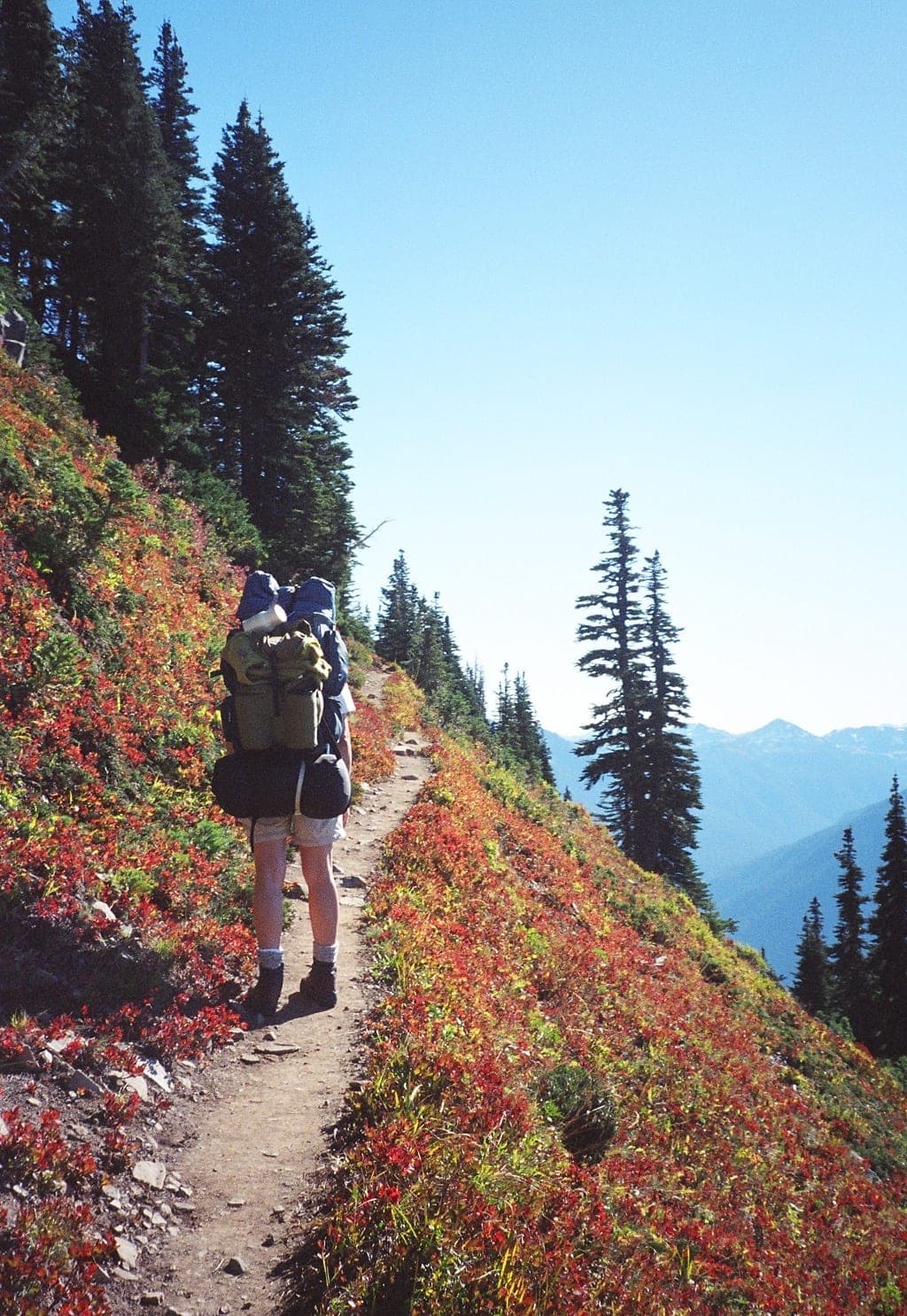
Hiking is walking along natural trails, paths and hillsides, usually away from roads and traffic. It scales freely from a flat, waymarked route of an hour or two to a long, demanding day in the mountains, so almost anyone can find a level that suits them.
Because it needs little more than sturdy footwear and a sensible plan, hiking is one of the easiest outdoor activities to take up. It rewards you with fresh air, changing scenery and a strong sense of exploration, and it works just as well as a quiet solo walk or a sociable group outing.
Why hiking is good for your health
- Builds cardiovascular and aerobic fitness through sustained walking
- Strengthens the legs and improves stamina, especially on climbs
- Uneven ground helps develop balance and stability
- Time outdoors and in nature can be calming and refreshing
The social side
- Walking groups and rambling clubs welcome all paces and abilities
- An easy, low-pressure way to spend time and chat with friends
- Shared routes and summits give a satisfying common goal
How to start as a beginner
- 1Start with a short, well-marked trail on gentle terrain
- 2Wear comfortable, supportive footwear with good grip
- 3Check the weather, tell someone your route, and carry water and a snack
- 4Build up distance and elevation gradually as your fitness grows
Equipment you’ll need
- Sturdy walking shoes or bootsEssentialGood grip and support matter most on uneven ground
- Weather-appropriate layersEssentialConditions can change quickly in hills and mountains
- Water and a snackEssential
- A map, or a charged phone with offline mapsOptional
- A small backpack and light waterproofOptional
Where to play
Hiking is typically played at:
Explore clubs and venues to understand the different places you can play, or see how to find people to play with.
Playing Hiking
The equipment, rules, skills and more that make up the game — each cross-linked into the encyclopedia.
Related sports to explore
If you enjoy Hiking, you might also like these.
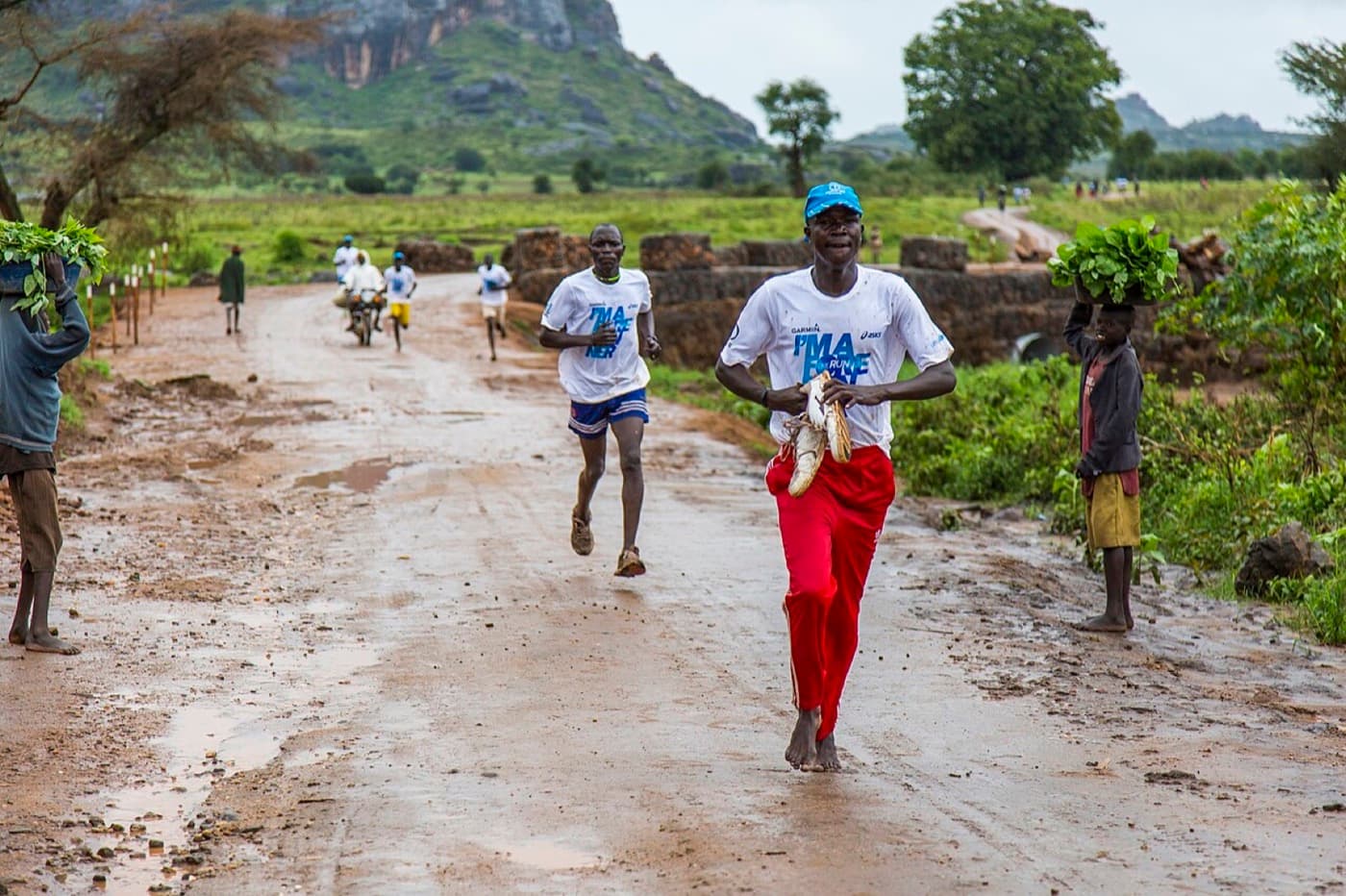
Trail Running
Running off-road on trails, hills and natural terrain, away from pavements and traffic.
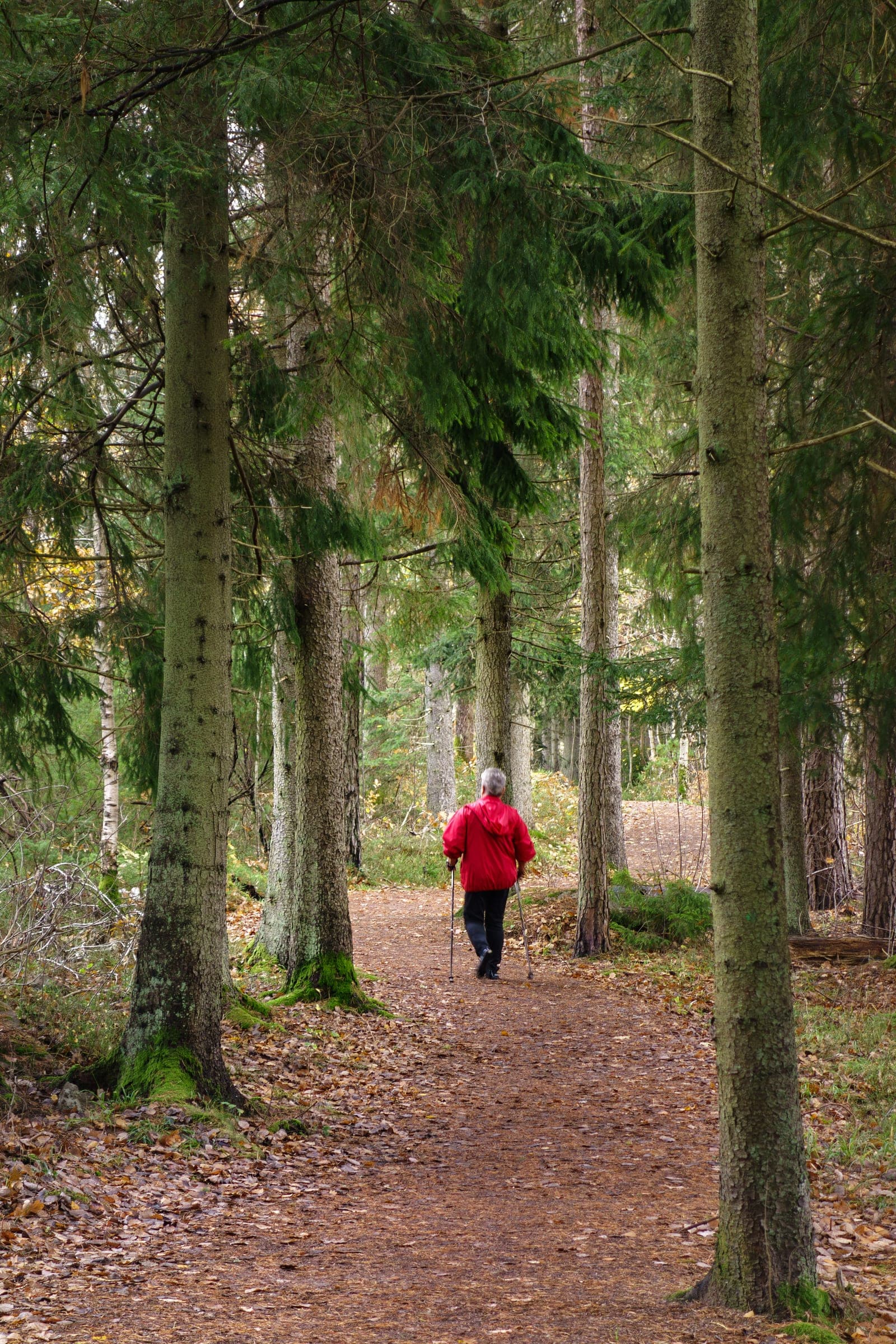
Nordic Walking
A gentle, accessible endurance activity that adds poles to bring the upper body into every walk.
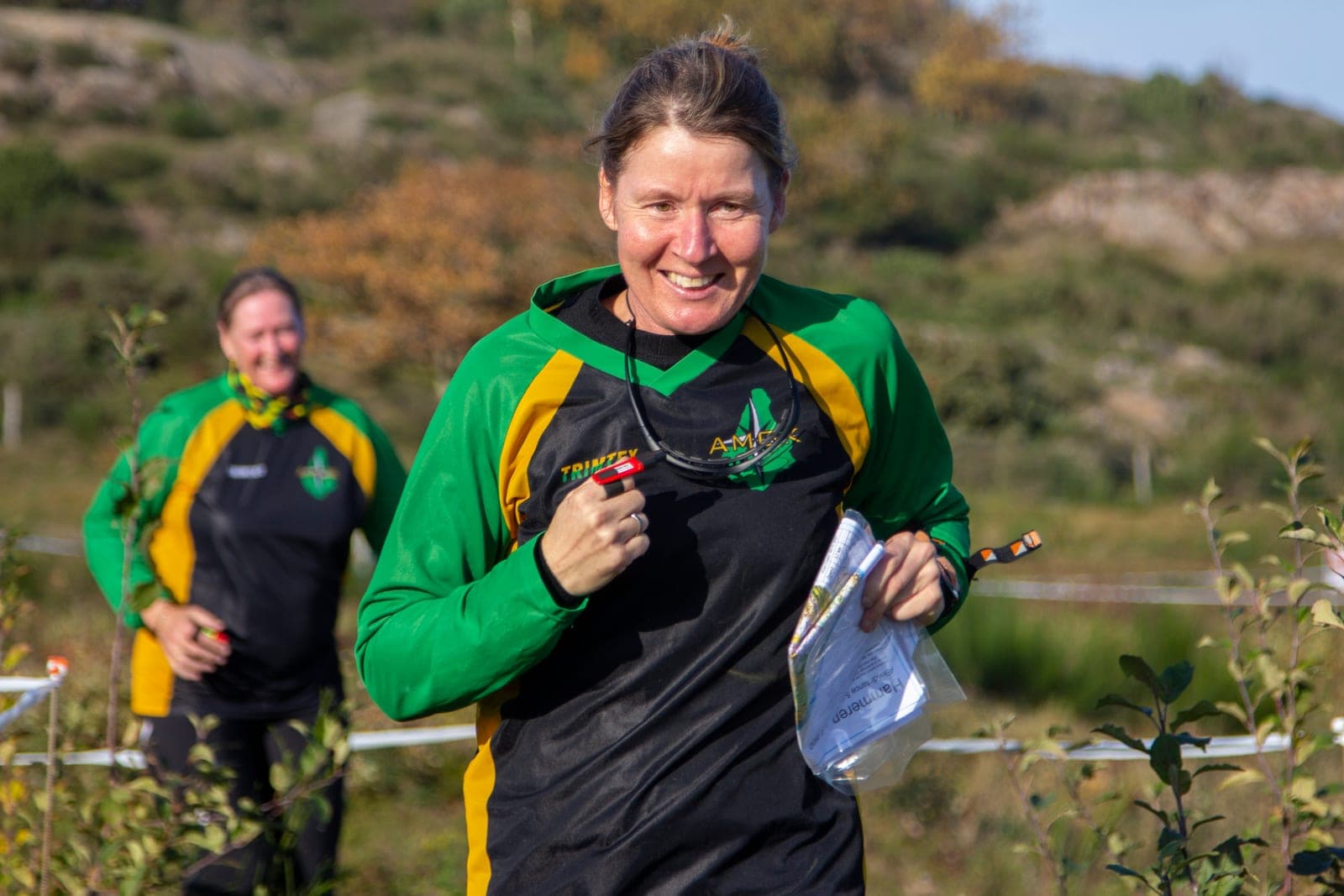
Orienteering
A navigation sport that combines running or walking with map-reading to find a series of checkpoints.
Mountain Biking
An off-road cycling sport ridden on rugged trails, mixing endurance, bike handling and outdoor adventure.
Compare Hiking with…
Deciding between Hiking and something similar? See how they line up side by side.
Bouldering vs Hiking
How they compare on difficulty, intensity, kit and what suits you.
Disc Golf vs Hiking
How they compare on difficulty, intensity, kit and what suits you.
Golf vs Hiking
How they compare on difficulty, intensity, kit and what suits you.
Hiking vs Horse Riding
How they compare on difficulty, intensity, kit and what suits you.
Hiking vs Mountain Biking
How they compare on difficulty, intensity, kit and what suits you.
Hiking vs Nordic Walking
How they compare on difficulty, intensity, kit and what suits you.
Reach your goals with Hiking
People take up Hiking for all kinds of reasons. Here is what it can help you work towards.
Become more active
Add regular, gentle movement to your everyday life and build up from a sedentary start at your own pace.
Build an active lifestyle
Make movement a natural, lasting part of daily life through activities and habits you genuinely enjoy.
Improve mental wellbeing
Use regular, enjoyable activity to support your mood, connection and sense of wellbeing as one healthy habit among many.
Reduce stress
Find calmer, healthier ways to unwind through regular movement, gentle mind-body activity and time outdoors.
Improve sleep
Support more restful sleep by staying active during the day and building a consistent daily rhythm.
Quit smoking
How sport and activity can support a smoke-free routine — alongside proper professional support.
Who & where Hiking fits
Sport should fit your life. Here is who Hiking suits and when it works.
Weekend athletes
How to enjoy recreational sport on weekends while staying comfortable and consistent through the week.
Travelers
How to stay active on the move with minimal-equipment sport that works almost anywhere.
Parents
How busy parents can fit sport around family life with flexible, home-friendly and time-efficient options.
Families
How families can be active together with inclusive, all-ages sports that make movement social and fun.
Outdoors
Sport and activity in the fresh air — running, cycling, hiking and more, using parks, trails and open space.
On vacation
Keeping active while travelling — pool swims, walks, hikes and water sports that fit a holiday, not a routine.
How it connects
The meaning-bearing relationships that place Hiking in the wider knowledge graph — each one with the reason it exists.
Alternative to
Comparable enough that people choose between them.
- BoulderingHiking and Bouldering are close enough that the platform maintains a side-by-side comparison of them.
- Disc GolfHiking and Disc Golf are close enough that the platform maintains a side-by-side comparison of them.
- GolfHiking and Golf are close enough that the platform maintains a side-by-side comparison of them.
- Horse RidingHiking and Horse Riding are close enough that the platform maintains a side-by-side comparison of them.
- Mountain BikingHiking and Mountain Biking are close enough that the platform maintains a side-by-side comparison of them.
Helps achieve
A recognised route towards these goals.
- Become more activeHiking is one of the sports listed under the “Become more active” goal.
- Build an active lifestyleHiking is one of the sports listed under the “Build an active lifestyle” goal.
- Improve mental wellbeingHiking is one of the sports listed under the “Improve mental wellbeing” goal.
- Reduce stressHiking is one of the sports listed under the “Reduce stress” goal.
- Improve sleepHiking is one of the sports listed under the “Improve sleep” goal.
Supported by
These help the training or recovery side of this.
Explore across the knowledge base
Follow the threads that connect Hiking to the rest of SocialSportHub.
Recommendations
- Recommended for “Become more active”Sports, qualities, a learning path and first steps for “Become more active” — every suggestion a real graph link, shown with its reason.
- Recommended for “Build an active lifestyle”Sports, qualities, a learning path and first steps for “Build an active lifestyle” — every suggestion a real graph link, shown with its reason.
- Recommended for “Improve mental wellbeing”Sports, qualities, a learning path and first steps for “Improve mental wellbeing” — every suggestion a real graph link, shown with its reason.
- Recommended for “Reduce stress”Sports, qualities, a learning path and first steps for “Reduce stress” — every suggestion a real graph link, shown with its reason.
- Recommended for “Improve sleep”Sports, qualities, a learning path and first steps for “Improve sleep” — every suggestion a real graph link, shown with its reason.
Movement patterns
- GaitThe cyclic, alternating single-leg pattern of walking and running that carries the body across the ground — the base of most field and endurance sport.
- CarryHolding and transporting a load while keeping the trunk braced and stable — an anti-movement pattern that builds grip, core stability and full-body strength.
Beginner guides
- How to Choose a Sport as a BeginnerA calm, practical way to pick a first sport that fits your interests, your body, your budget and your life — with full permission to try a few and change your mind.
- Beginner Clothing and Equipment BasicsA calm, practical guide to what to wear and bring for a first session — comfort and freedom of movement first, borrow or hire before you buy, and footwear that matches the surface.
- Playing Alone or With Others: Which to Start WithA friendly, honest look at the trade-offs of starting a sport on your own versus alongside other people — and why, for most sports, you don't really have to pick just one.
- How to Join a Beginner Group or ClassA warm, practical walk-through of joining a beginner sports group or class — what they are like, how to find one, and what a first session tends to feel like.
- Your First Fitness Session: What to Expect and How to Enjoy ItA friendly, no-pressure guide to walking into your first fitness session at a gym or studio, so you know what happens and can focus on moving well rather than lifting heavy.
Healthy living
Go deeper with Hiking
Everywhere else on the platform that covers Hiking — assembled from what actually references it, so nothing here is a dead end.
Compare it
Head-to-head studies against the entities people actually weigh it against.
- Hiking vs BoulderingSide by side on the qualities that differ.
- Hiking vs Disc GolfSide by side on the qualities that differ.
- Hiking vs GolfSide by side on the qualities that differ.
- Hiking vs Horse RidingSide by side on the qualities that differ.
- Hiking vs Mountain BikingSide by side on the qualities that differ.
- Hiking vs Nordic WalkingSide by side on the qualities that differ.
Kit it out
Equipment guidance drawn from the graph, with no brands and no affiliate links.
Take it away
Open data and the whole-platform view of this subject.
How this page is maintained
- Content type
- Sport
- Provenance
- Tier A — evergreen educational
- Verified external sources
- 0
- Content updated
- 2026-07-06
Evergreen, first-party explanation — it makes no claim that needs an external source. How we handle sources and reviews.
Keep going
A sport is most rewarding alongside good habits, sensible nutrition and people to share it with. Here is where to go next.
How movement supports body and mind.
Eat well to feel and perform better.
Build routines that stick.
Ways to meet others and play together.
Where to play and what to expect.
Browse the full list by category.