
Small-group practice
Practising in a small group of a few players — sharing drills, rotating roles and using small-sided games so everyone stays involved.
Overview
Small-group practice sits between working with a single partner and training as a full team. With a handful of players you can run small-sided games, rotate through roles and keep everyone active, while still giving each person plenty of involvement. It is a common format for both team sports and racquet doubles.
The group setting adds decisions and communication that solo or pair work cannot — reading what others are doing, calling for the ball, adjusting to teammates. The exact make-up and drills depend on the sport, the numbers and the coach, so this is a description of the format, not a prescription; a coach is the best person to shape what a small group actually does.
Purpose & structure
- A few players practising together, often using small-sided games and rotations.
- Keeps everyone involved while adding decisions and communication to the practice.
- Roles can be swapped so players experience different situations.
- Bridges the gap between one-on-one work and full team training.
- Group size and drills vary by sport, numbers and coach — there is no fixed template.
Who it’s for
- Players who want game-like decisions and social practice, at any level.
- Beginners, who benefit from seeing others and from the lower pressure of a small group.
- It builds skills and decision-making but does not replace a coach's guidance or individual practice.
A format, not a plan
Sports it suits
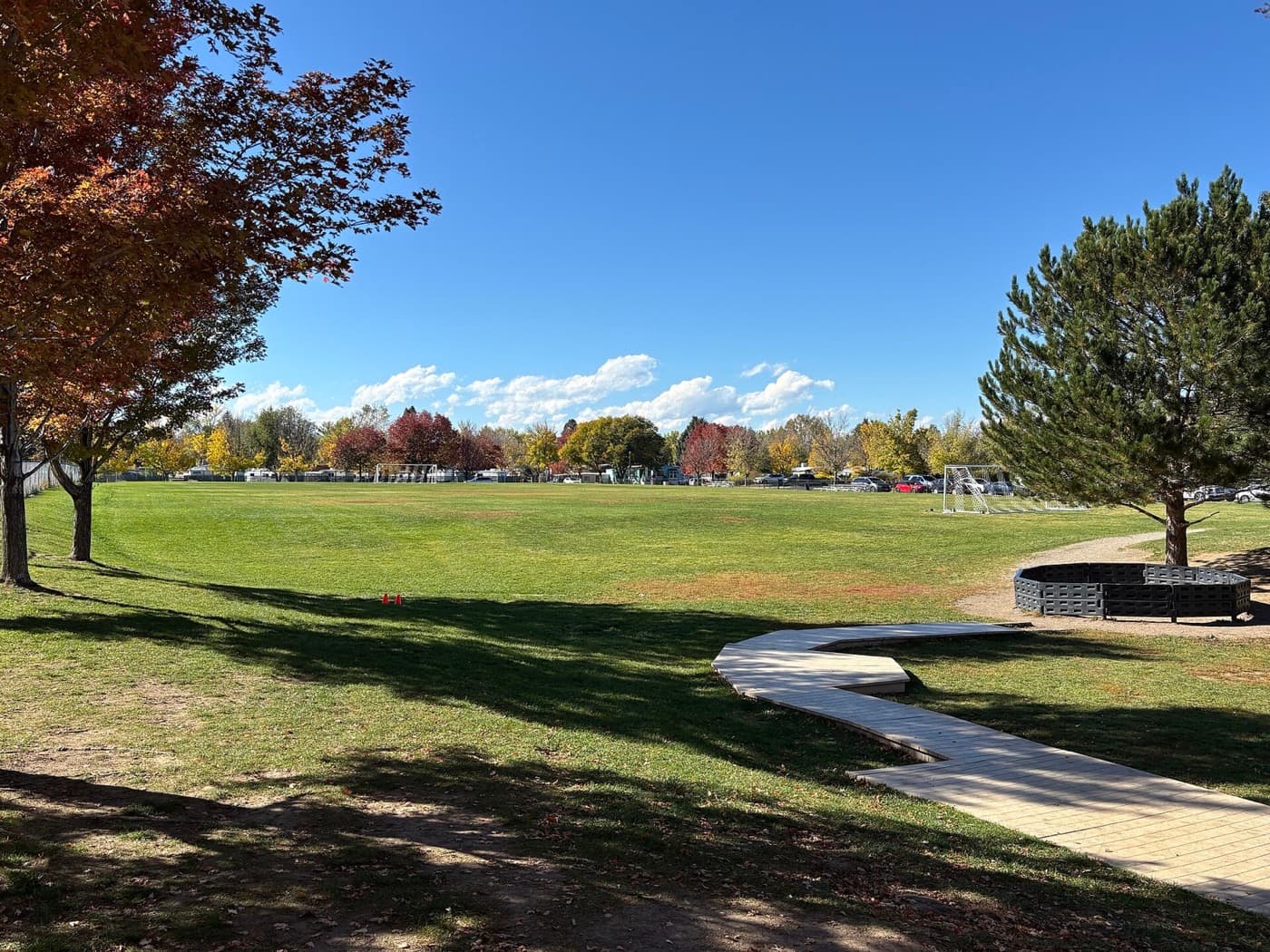
Football
The world’s most popular team sport — endless running, teamwork and community in one game.
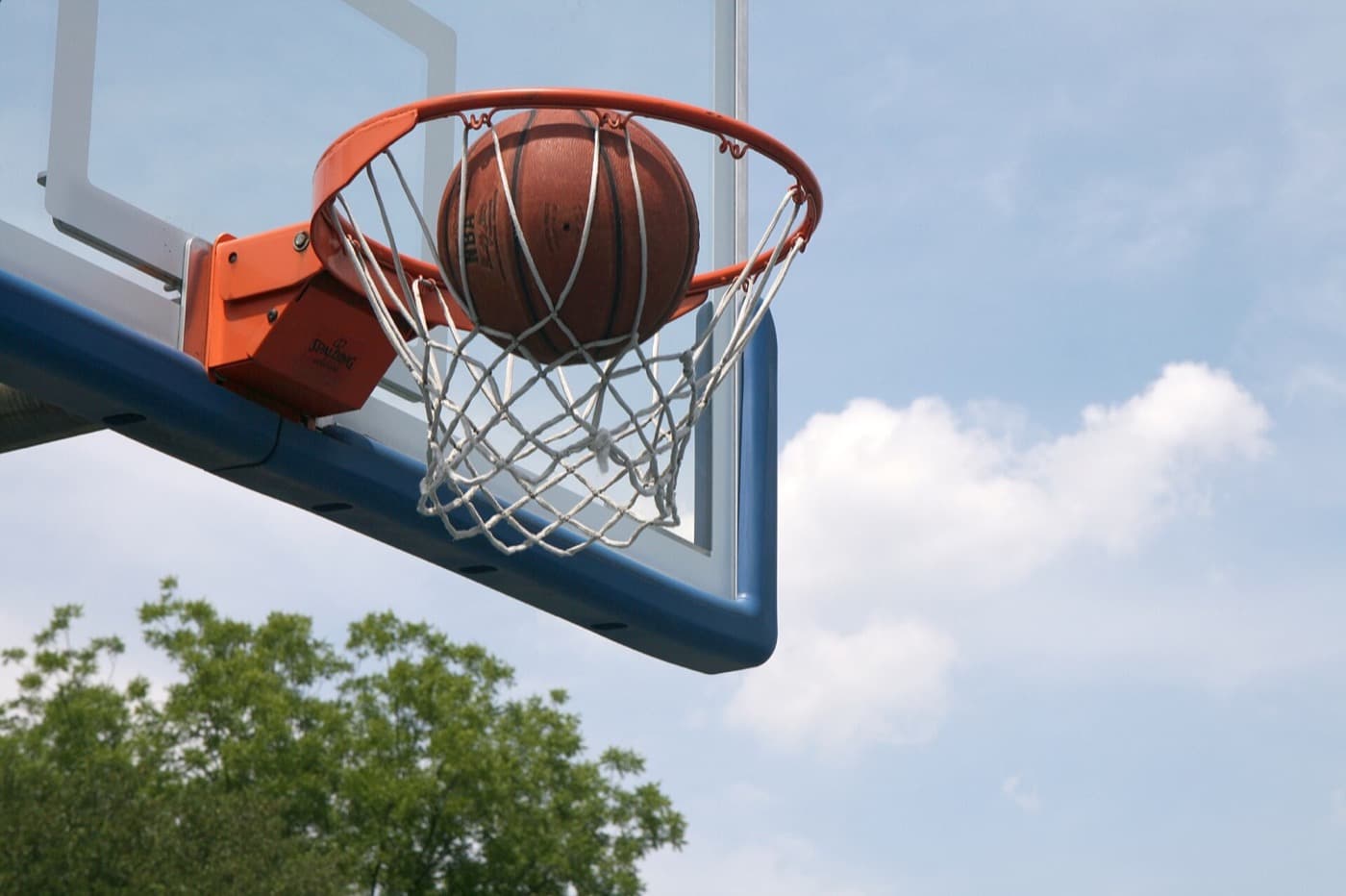
Basketball
A fast, dynamic team sport of running, jumping and quick decisions on court.
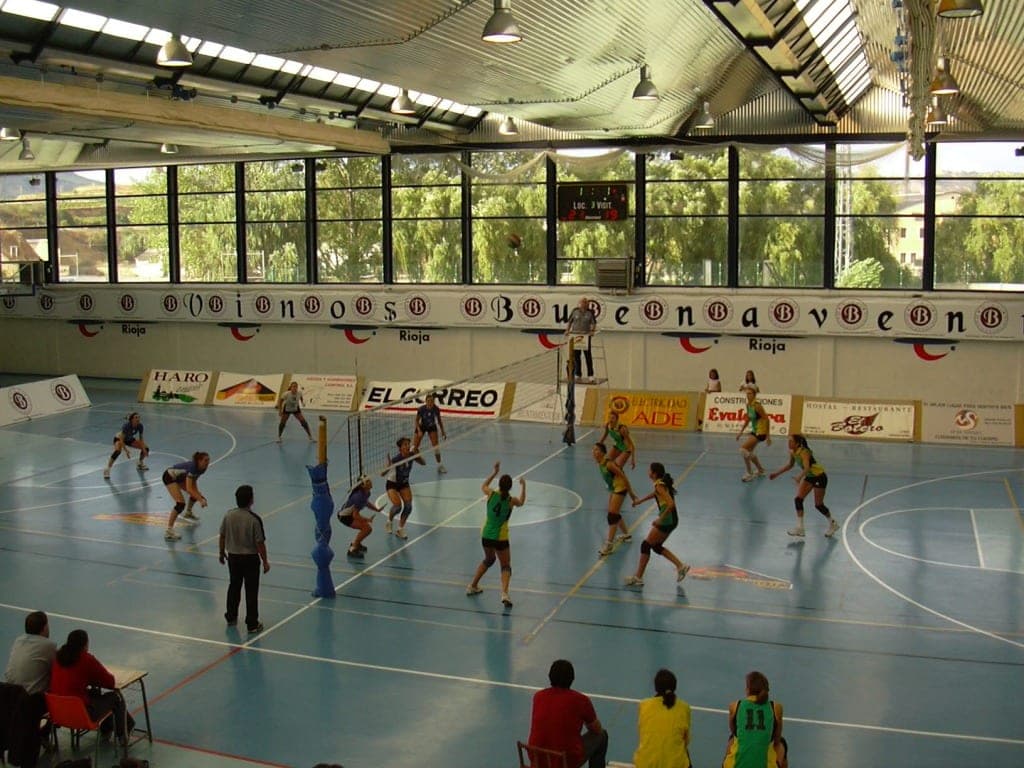
Volleyball
A non-contact team sport of rallies, jumps and teamwork — indoors or on the beach.
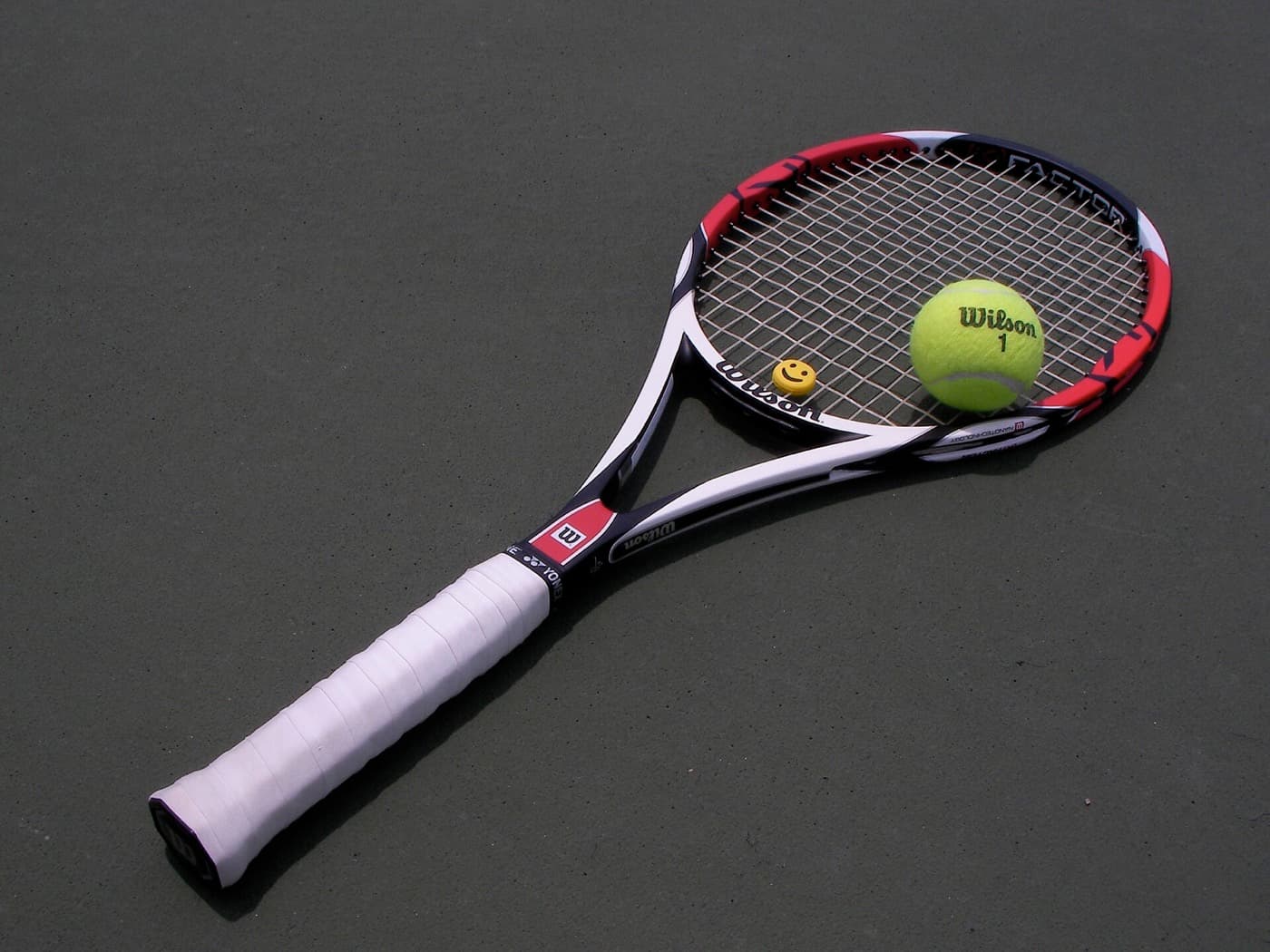
Tennis
A singles or doubles racquet sport that blends agility, strategy and stamina on court.
Frequently asked questions
How is small-group practice different from team practice?
Small-group practice usually involves just a handful of players, which means more touches and involvement per person, whereas team practice works with the full squad and its roles. Small-sided games are common in both. The right set-up depends on the sport and coach, so treat this as a description of the format rather than a plan.
Explore across the knowledge base
Follow the threads that connect Small-group practice to the rest of SocialSportHub.
Coaching concepts
- Small-Sided GamesPractising in scaled-down versions of a sport — fewer players, smaller area — so skills and decisions happen more often in a game-like setting.
- Practice VariabilityVarying practice conditions — spacing, interleaving skills and changing situations — to build adaptable, durable skill, even when it feels harder day to day.
- Transfer of TrainingWhether practice carries over to real performance — and why game-like, varied practice tends to transfer better than isolated, repetitive drills.
Sports communication
How this page is maintained
- Content type
- Session type
- Provenance
- Tier A — evergreen educational
- Verified external sources
- 0
- Content updated
- 2026-07-12
Evergreen, first-party explanation — it makes no claim that needs an external source. How we handle sources and reviews.