
Individual practice
Practising on your own — you set the focus, run the drills and work at your own pace, with no partner or coach present.
Overview
Individual practice is simply practising by yourself. There is no partner feeding balls and no coach watching — it is you, the skill you want to work on, and whatever space or equipment you have. That makes it one of the most flexible formats there is: you can fit it around your day and repeat something as many times as you like.
Because no one is there to correct you, individual practice tends to reward clear intentions — knowing what you are trying to improve and paying attention to the quality of each attempt rather than just the count. Exactly what a solo session looks like varies hugely by sport, so treat this as a description of the format, not a plan; a coach is still the best source for what to work on and how.
Purpose & structure
- Practising alone — you choose the focus and work at your own pace.
- Well suited to repeatable skills you can rehearse without a partner, such as serving, footwork or ball control.
- Tends to reward attention to the quality of each repetition, not just the number.
- Often used alongside coached sessions, to reinforce something between them.
- What a solo session contains varies by sport, level and goal — there is no fixed template.
Who it’s for
- Anyone who wants to reinforce a skill in their own time, at any level.
- Beginners can benefit, though a little coaching first helps make sure solo reps build good habits rather than bad ones.
- It complements coaching and group play — it does not replace the feedback a coach or partner provides.
A format, not a plan
Sports it suits
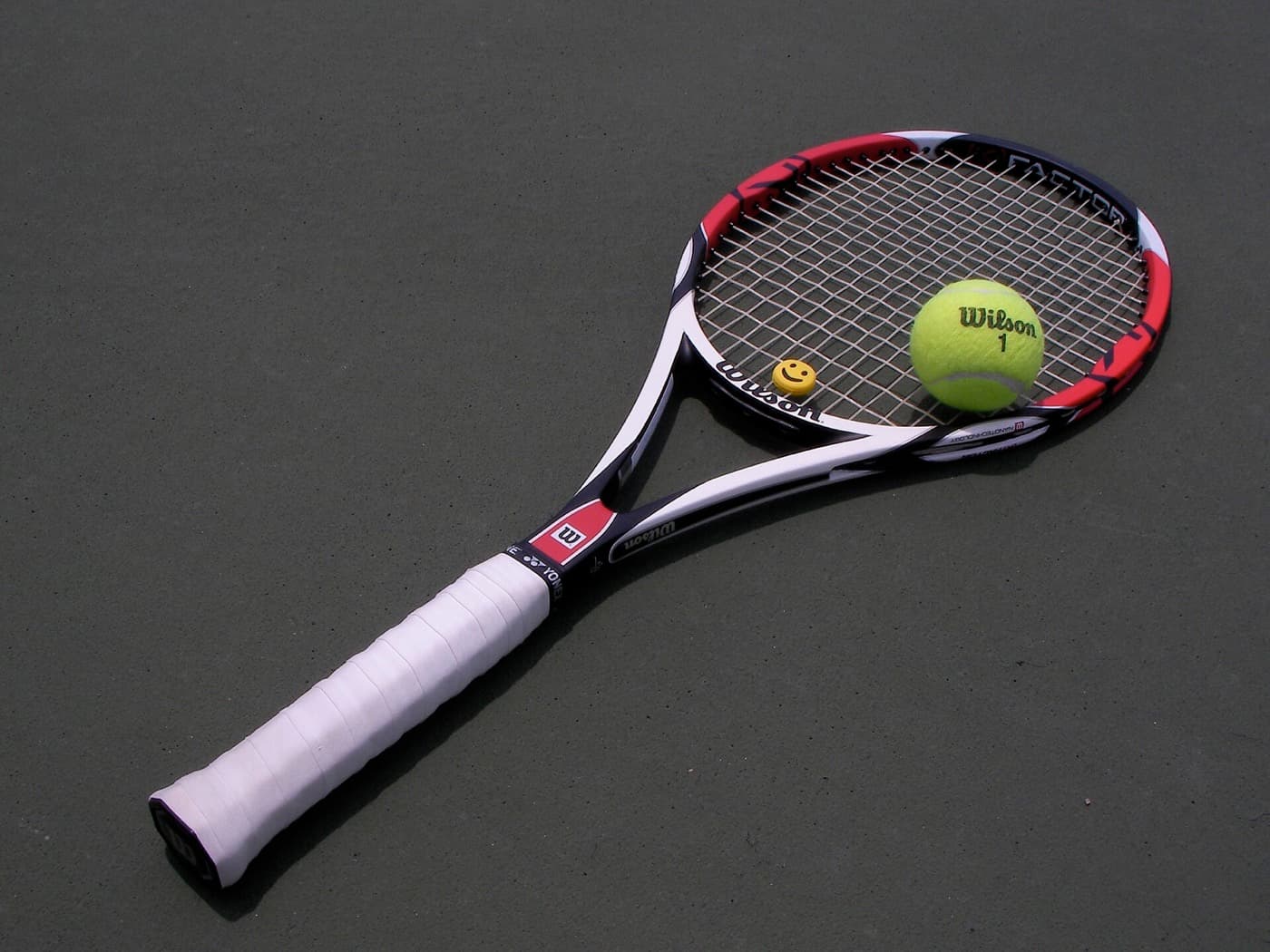
Tennis
A singles or doubles racquet sport that blends agility, strategy and stamina on court.

Running
The most accessible endurance sport — no venue, just shoes and the open road or trail.
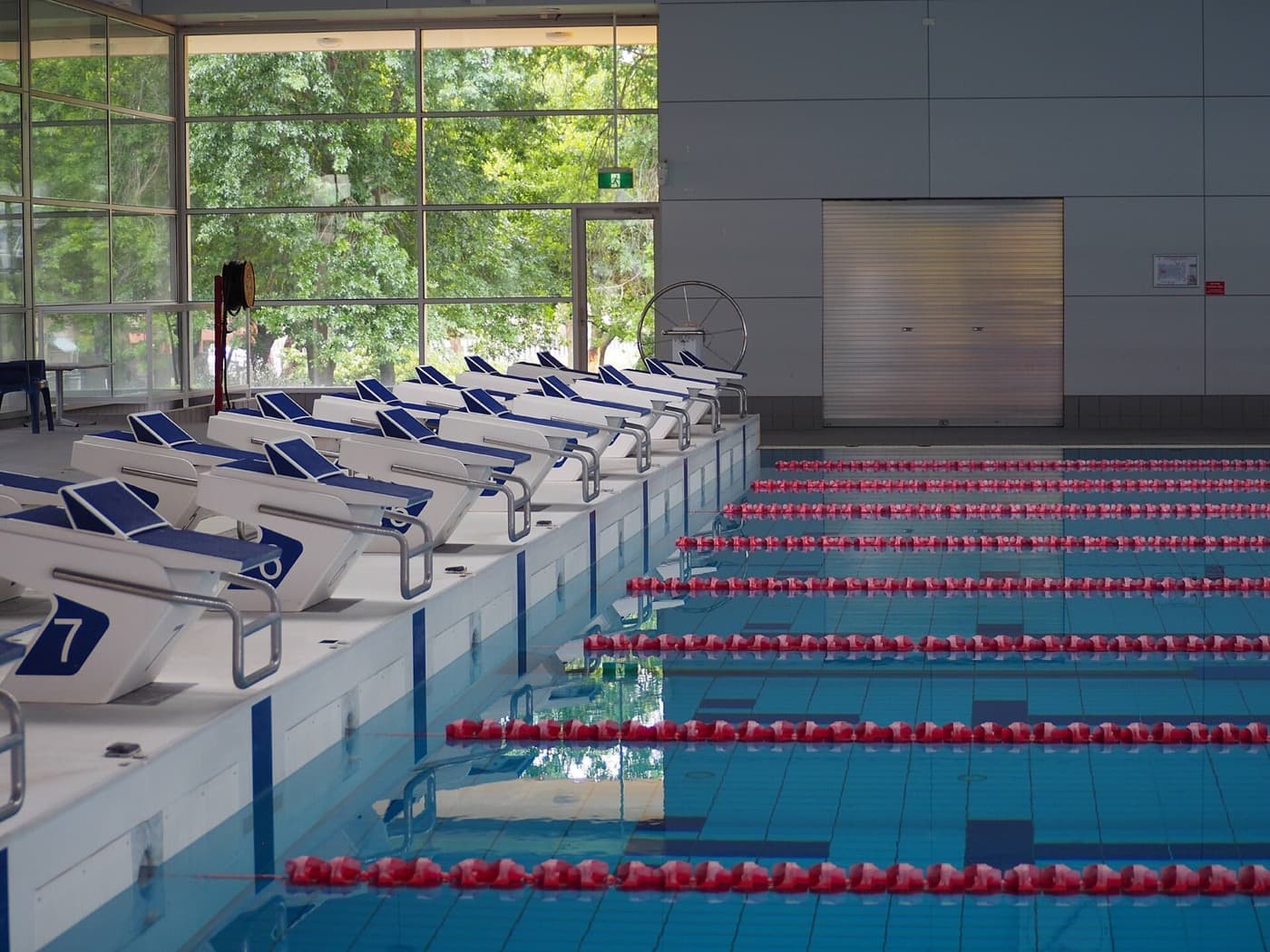
Swimming
A full-body, low-impact endurance sport suitable for almost every age and ability.

Fitness
Strength and general fitness training — the foundation that supports every other sport.
Frequently asked questions
What can you practise on your own?
Many sports have skills you can rehearse solo — a tennis serve against a wall, running or swimming technique, footwork patterns, or ball-control drills. The right focus depends on your sport and level, so a coach is the best guide. On your own, paying attention to the quality of each attempt tends to matter more than the number.
Explore across the knowledge base
Follow the threads that connect Individual practice to the rest of SocialSportHub.
Coaching concepts
- Deliberate PracticeFocused, effortful practice that targets a specific weakness with full attention and immediate feedback — not just repeating what you already do well.
- Repetition QualityThe attention and intent behind each repetition matter more than raw volume — focused, well-executed reps build skill faster than mindless numbers.
- Goal-Setting for PracticeSetting clear practice goals directs effort and makes progress visible — separating results-based outcome goals from controllable process goals.
- Small-Sided GamesPractising in scaled-down versions of a sport — fewer players, smaller area — so skills and decisions happen more often in a game-like setting.
- Feedback and CueingFeedback from your senses, a coach, or video plus short instructional cues guide skill learning — including internal vs external focus of attention.
Goals
- Compete on your ownSports where the result is yours alone — racing, timing, scoring or grading against a standard rather than a squad.
- DisciplineBuild consistency, focus and self-discipline through the routines that sport and training encourage.
- Become more activeAdd regular, gentle movement to your everyday life and build up from a sedentary start at your own pace.
- Learn self-defenceTrain a martial art or combat sport under supervision — what the practice actually involves, and what it honestly can and cannot give you.
How this page is maintained
- Content type
- Session type
- Provenance
- Tier A — evergreen educational
- Verified external sources
- 0
- Content updated
- 2026-07-12
Evergreen, first-party explanation — it makes no claim that needs an external source. How we handle sources and reviews.