
Trail
Natural off-road terrain of dirt, rock, roots, grass and mud that varies constantly and rewards surefootedness in trail running, mountain biking and hiking.
Overview
A trail is natural off-road terrain rather than a built, uniform surface. It is made up of whatever the ground offers — packed dirt and loose soil, exposed rock and tree roots, grass, gravel, sand and mud — often changing from one to the next within a few strides. The path may be a worn single track through woodland, a wide forest road, or open country with no marked route at all.
Because a trail is uneven and constantly variable, it shapes play very differently from a smooth track or court. Grip and firmness shift with the ground and the weather, so footing can never be taken for granted, and the surface rewards surefootedness, balance and constant attention to where the next step or wheel will land. Slopes, cambers and obstacles make pace uneven and generally slower and more effortful than the same distance on a road, while the terrain itself, rather than lines or walls, defines the route.
How it plays
- Pace is uneven and usually slower than on road or track: climbs, descents, soft ground and obstacles break up any steady rhythm and demand frequent changes of effort and stride.
- Grip is unpredictable. Loose dirt, wet rock, roots and mud each offer different amounts of traction, so runners, riders and walkers constantly adjust to hold their footing.
- Footing rewards surefootedness and balance. Because the surface tilts, dips and shifts underfoot, reading the ground ahead and placing each step or wheel carefully matters as much as raw speed or power.
- There is little bounce or roll: energy is absorbed by soft, broken ground rather than returned, so movement feels more effortful than on a hard, even surface.
- The terrain defines the route. Natural features such as ridges, streams, roots and rocks shape where and how the activity happens, instead of painted lines or fixed boundaries.
Where it’s used
Sports that use trail:
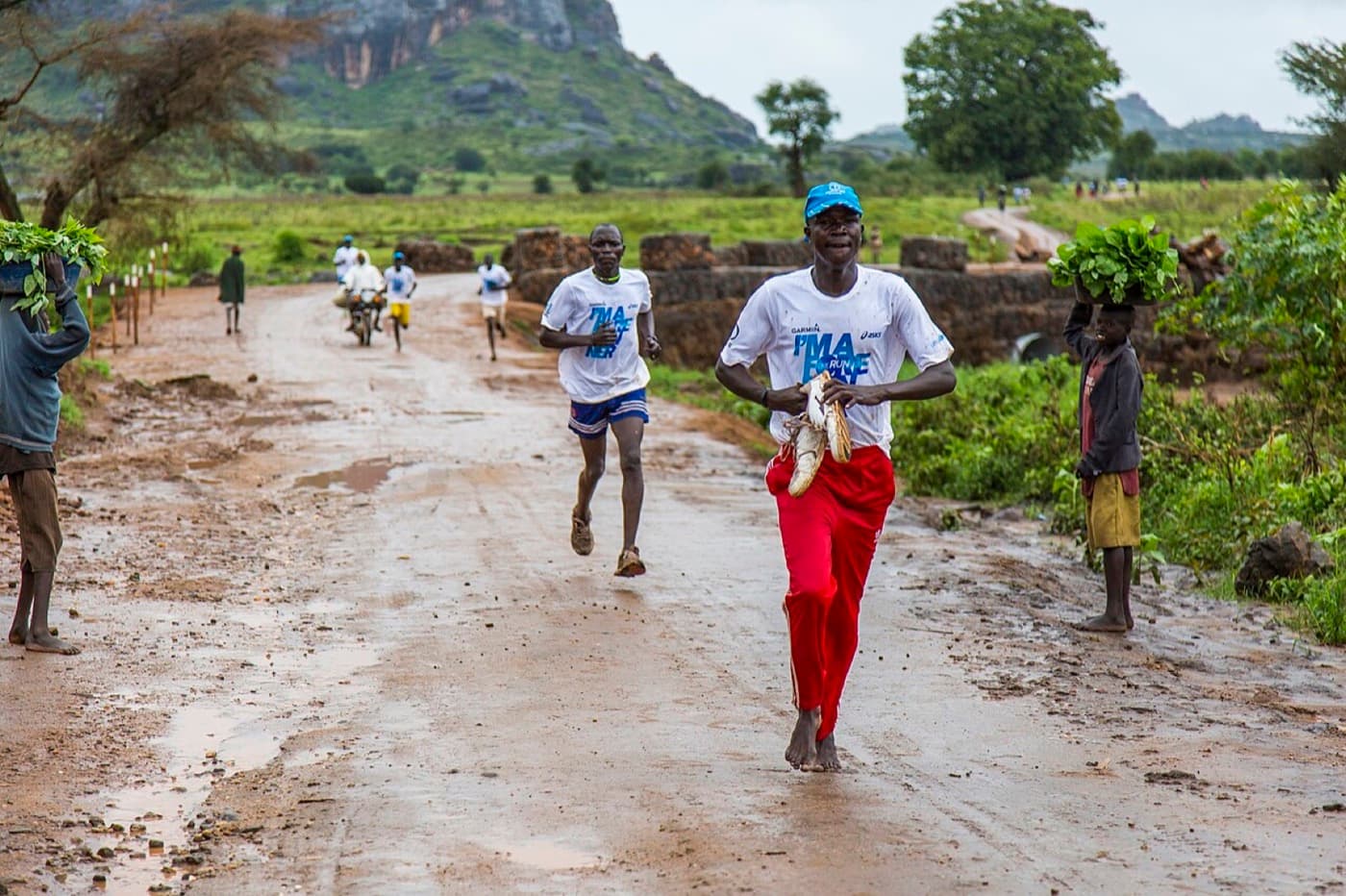
Trail Running
Running off-road on trails, hills and natural terrain, away from pavements and traffic.

Mountain Biking
An off-road cycling sport ridden on rugged trails, mixing endurance, bike handling and outdoor adventure.
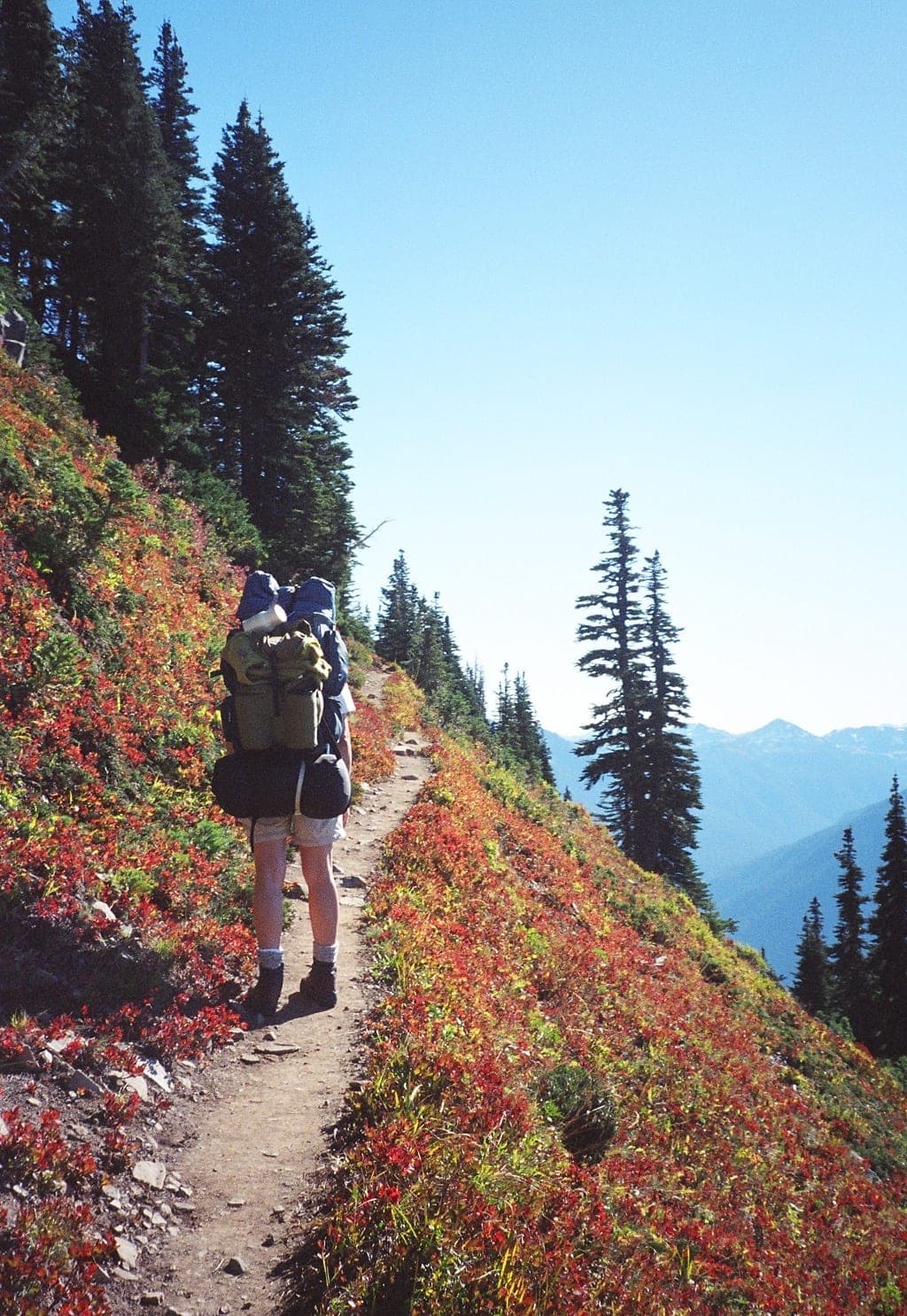
Hiking
An accessible outdoor sport of walking natural trails and hills at your own pace, solo or in a group.
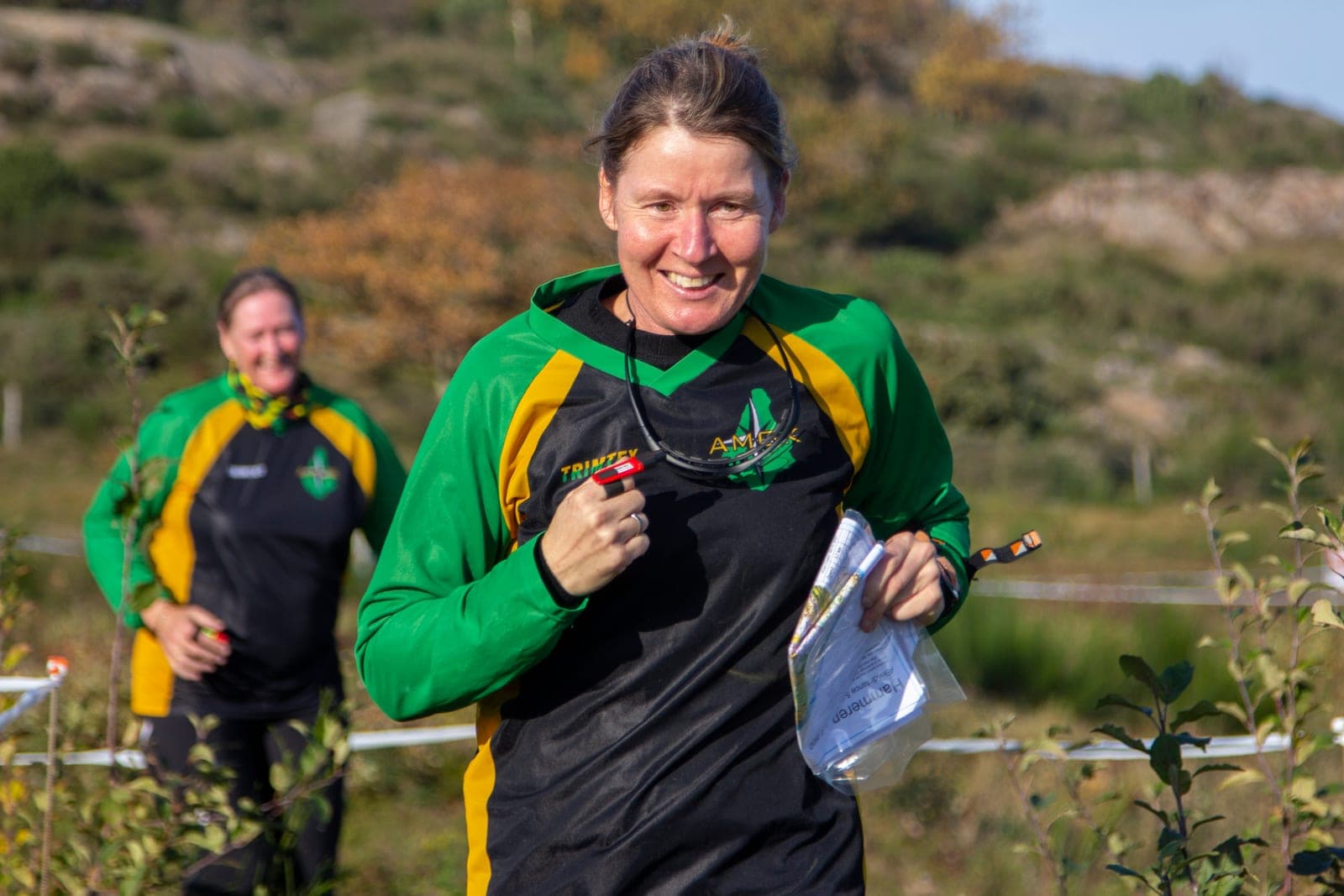
Orienteering
A navigation sport that combines running or walking with map-reading to find a series of checkpoints.
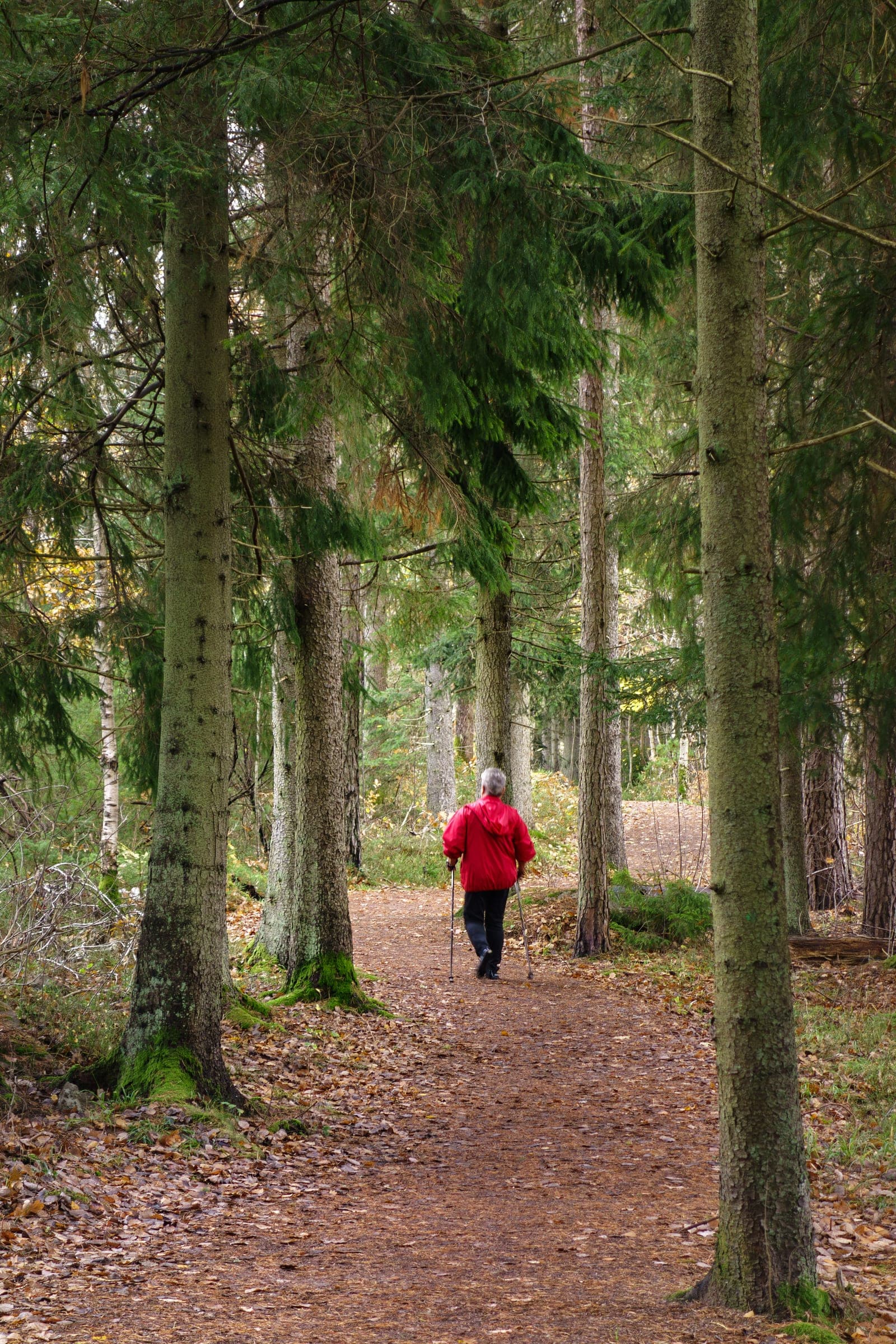
Nordic Walking
A gentle, accessible endurance activity that adds poles to bring the upper body into every walk.
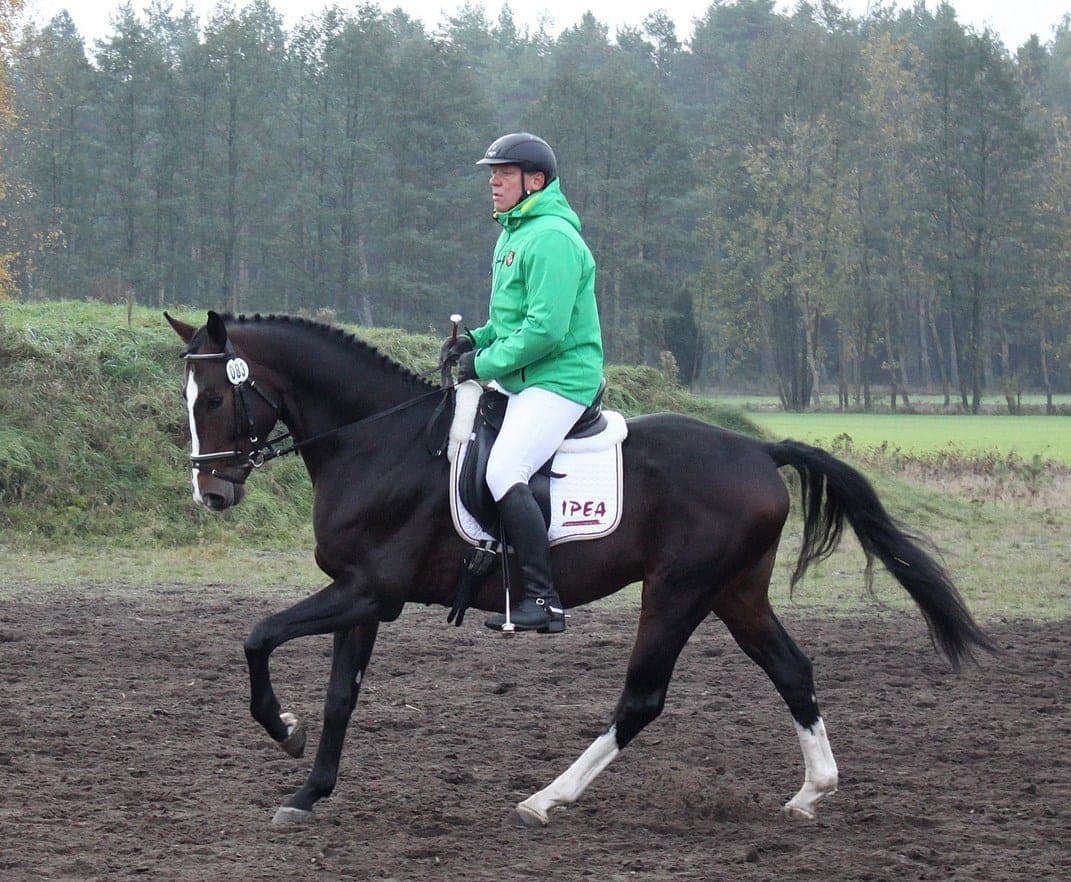
Horse Riding
An equestrian sport of riding and working with a horse, building balance, core control and a partnership with the animal.
Related playing surfaces
Gravel
Loose crushed stone over a firm base — an unpaved middle ground between smooth road and rough trail, ridden and run for variable grip and steady pace.
Road (Tarmac / Asphalt)
Paved tarmac or asphalt: a firm, smooth, predictable surface that rewards steady pace and rhythm — the ground for road running, cycling and race-walking.
Explore across the knowledge base
Follow the threads that connect Trail to the rest of SocialSportHub.
Skills
Equipment
- Mountain bikeA rugged bicycle built for rough, off-road terrain, with wide knobbly tyres, low gearing and suspension to absorb uneven ground.
- Running shoesCushioned footwear designed for the repetitive forward motion of running.
- Road bikeA lightweight bicycle built for speed and efficiency on paved surfaces.
- Cycling shoesStiff-soled shoes that clip onto pedals to transfer power efficiently while riding.
Techniques
How this page is maintained
- Content type
- Playing surface
- Provenance
- Tier A — evergreen educational
- Verified external sources
- 0
- Content updated
- 2026-09-12
Evergreen, first-party explanation — it makes no claim that needs an external source. How we handle sources and reviews.