
Cleats
Cleats are sports shoes fitted with studs or blades on the sole to grip grass and soft ground, and can also mean the studs themselves.
Definition
Cleats are footwear with a pattern of studs, blades or spikes projecting from the sole to bite into grass, mud or artificial turf. The word is also used for the individual studs on the sole. By digging in, they give traction for running, turning and stopping quickly on surfaces where a flat shoe would slip.
They are standard kit in field sports such as football (where they are often called football boots or studs), American football, rugby, baseball and lacrosse. Stud shapes and lengths are matched to the surface and conditions — longer, fewer studs suit soft, wet pitches, while shorter, denser patterns suit firm ground and artificial turf.
Where you’ll hear “cleats”
Sports that use this term:
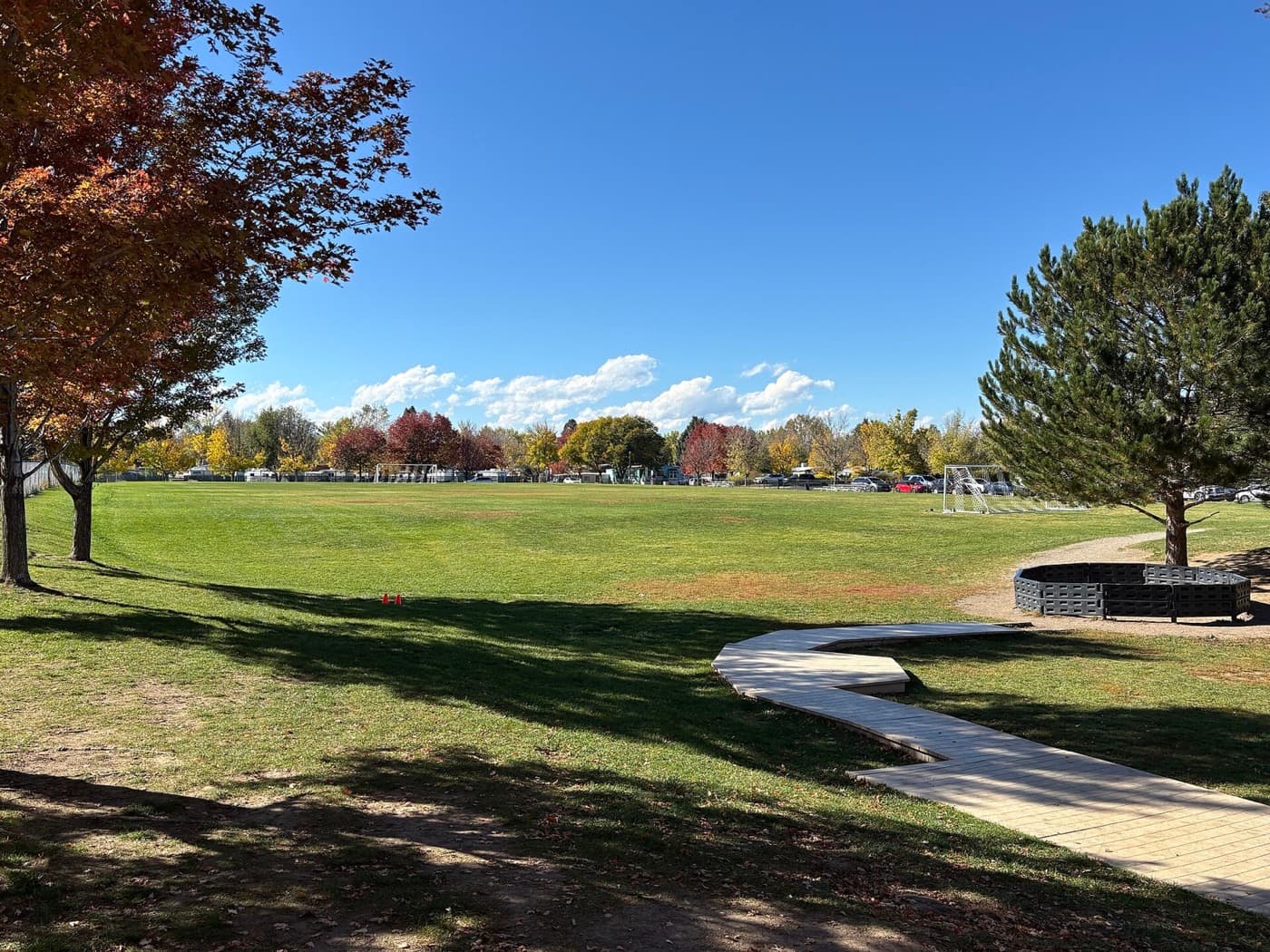
Football
The world’s most popular team sport — endless running, teamwork and community in one game.
American Football
A strategic, position-based team sport of set plays, sprinting and coordinated teamwork on a marked field.
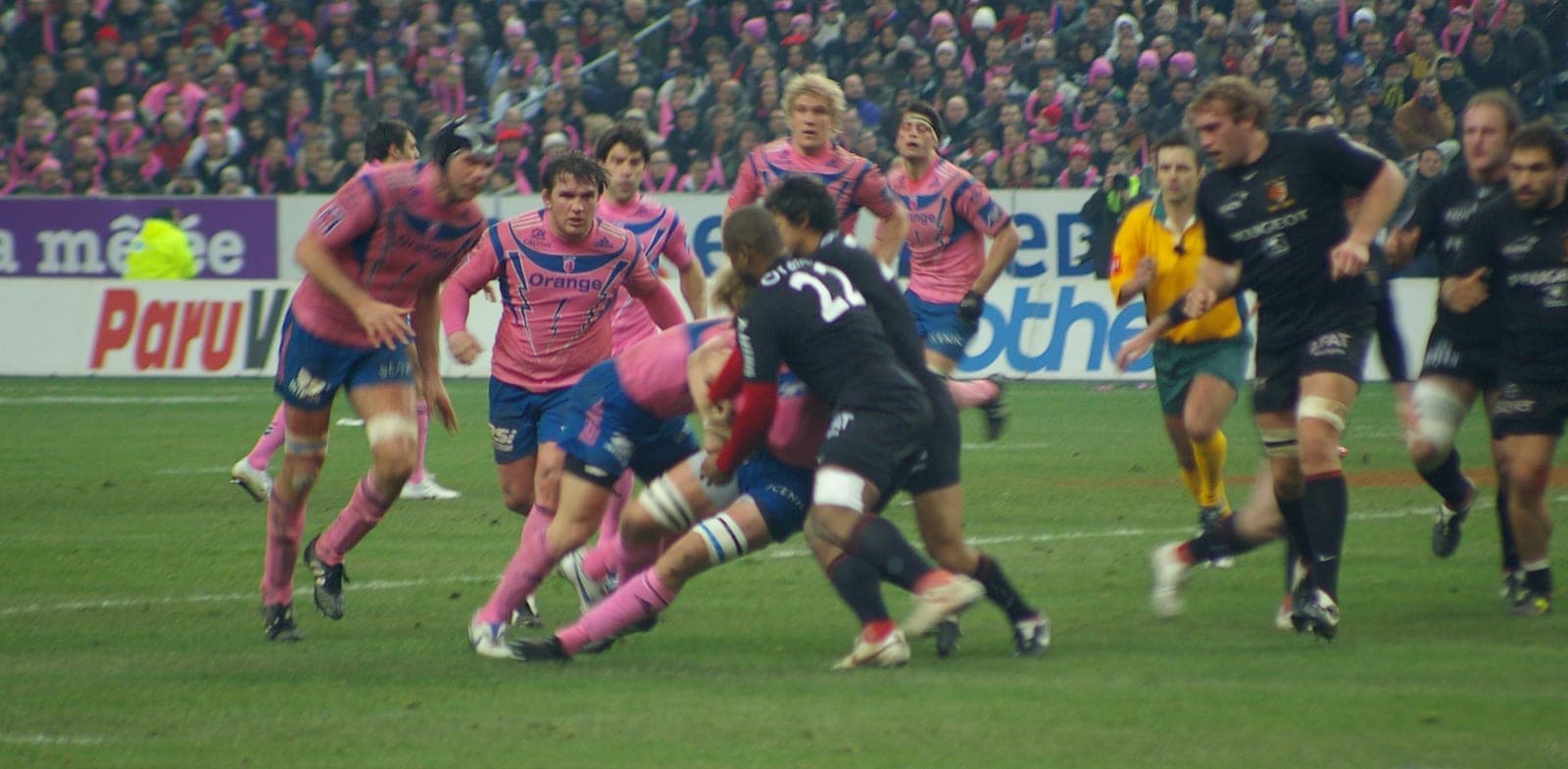
Rugby
A physical team sport of carrying, passing and kicking an oval ball toward the opposing line.
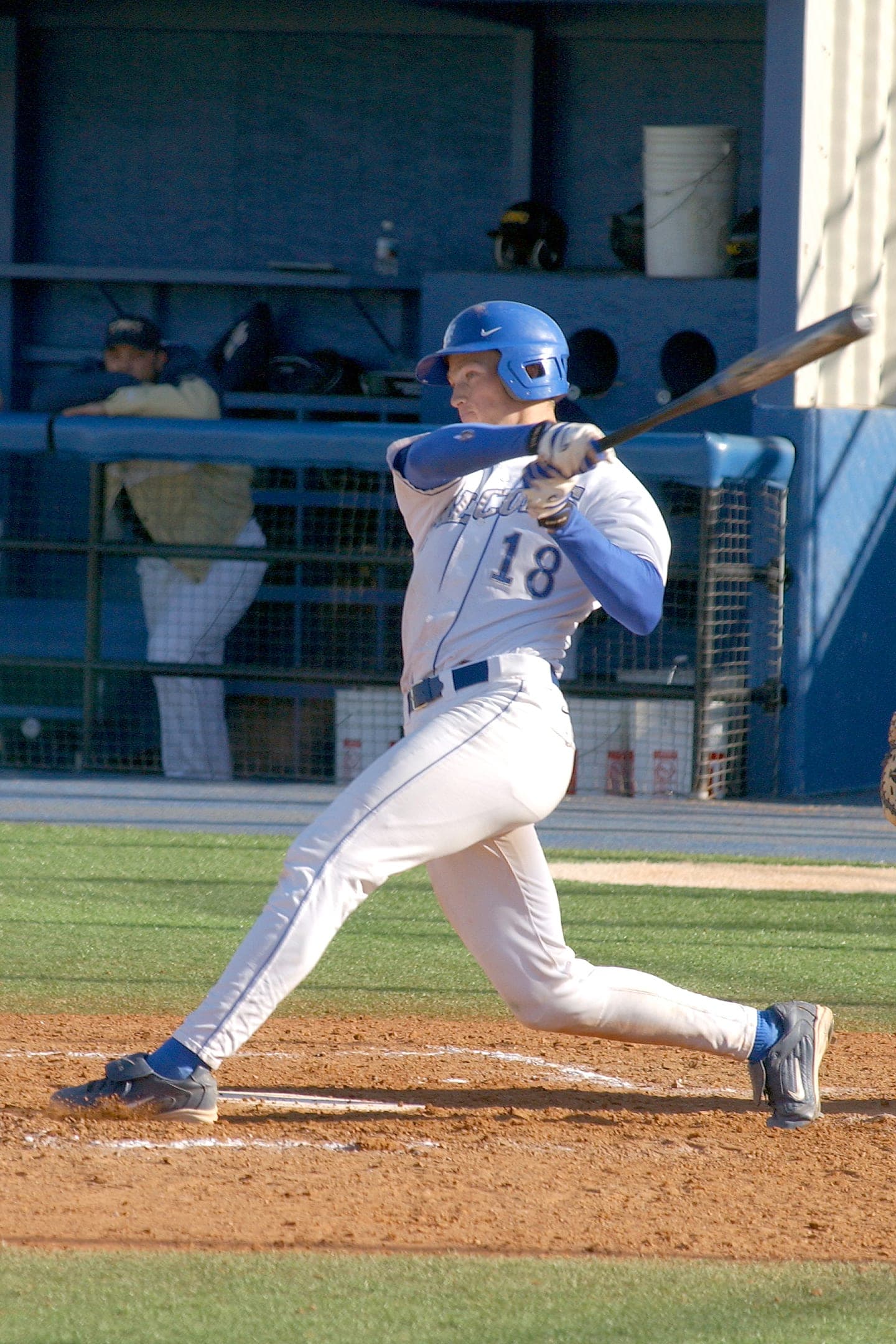
Baseball
A bat-and-ball team sport where two sides alternate between batting and fielding to score runs.
How it connects
The meaning-bearing relationships that place Cleats in the wider knowledge graph — each one with the reason it exists.
Commonly confused with
Close enough to be mixed up — the distinction is worth knowing.
Explore across the knowledge base
Follow the threads that connect Cleats to the rest of SocialSportHub.
Beginner guides
- What to Bring to Your First SessionMost first sessions need far less than people expect — water, clothes you can move in, footwear that suits the surface and a few personal bits usually cover it, with any sport-specific kit noted on each sport's first-session page.
- Beginner Clothing and Equipment BasicsA calm, practical guide to what to wear and bring for a first session — comfort and freedom of movement first, borrow or hire before you buy, and footwear that matches the surface.
- Spending Wisely as a BeginnerYou rarely need to buy much to start a new sport, because borrowing, hiring, taster sessions and a little patience let you learn what genuinely matters before you spend.
Equipment
Playing surfaces
- Artificial turfSynthetic grass, often filled with sand or rubber, that gives a firm, even, all-weather surface. It plays faster and truer than worn natural grass.
- GrassNatural turf grown on soil — the traditional surface for many field sports and, in tennis, a fast court with a low, skiddy bounce.
- TrailNatural off-road terrain of dirt, rock, roots, grass and mud that varies constantly and rewards surefootedness in trail running, mountain biking and hiking.
Positions
Go deeper with Cleats
Everywhere else on the platform that covers Cleats — assembled from what actually references it, so nothing here is a dead end.
Take it away
Open data and the whole-platform view of this subject.
How this page is maintained
- Content type
- Term
- Provenance
- Tier A — evergreen educational
- Verified external sources
- 0
- Content updated
- 2026-09-01
Evergreen, first-party explanation — it makes no claim that needs an external source. How we handle sources and reviews.