
Quit smoking
How sport and activity can support a smoke-free routine — alongside proper professional support.
How sport helps
Quitting smoking is a personal journey, and it is one that many people work through with support rather than alone. Sport does not cure a dependency, but for some people staying active is a helpful part of a broader plan, offering routine, distraction and a positive focus.
There is no judgement here — everyone's path looks different, and setbacks are a normal part of the process for many. Combining any activity you take up with proper professional support gives the strongest foundation.
- Activity can offer a distraction and a positive routine to lean on at difficult moments.
- Many people find exercise a useful outlet for stress or restlessness while changing a habit.
- Setting small activity goals can give a sense of progress and momentum.
- Sport can support a healthier overall routine, but it is not a treatment for dependency on its own.
A note on health information
Getting real support
Getting started
- 1Speak to a doctor or a professional stop-smoking support service about a plan that suits you.
- 2Add a gentle, enjoyable activity you can turn to when cravings or restlessness hit.
- 3Start small and build gradually, and be kind to yourself through ups and downs.
- 4Lean on friends, groups or a club for encouragement alongside professional support.
Good sports for this goal
Great places to start — each with a clear, beginner-friendly guide.
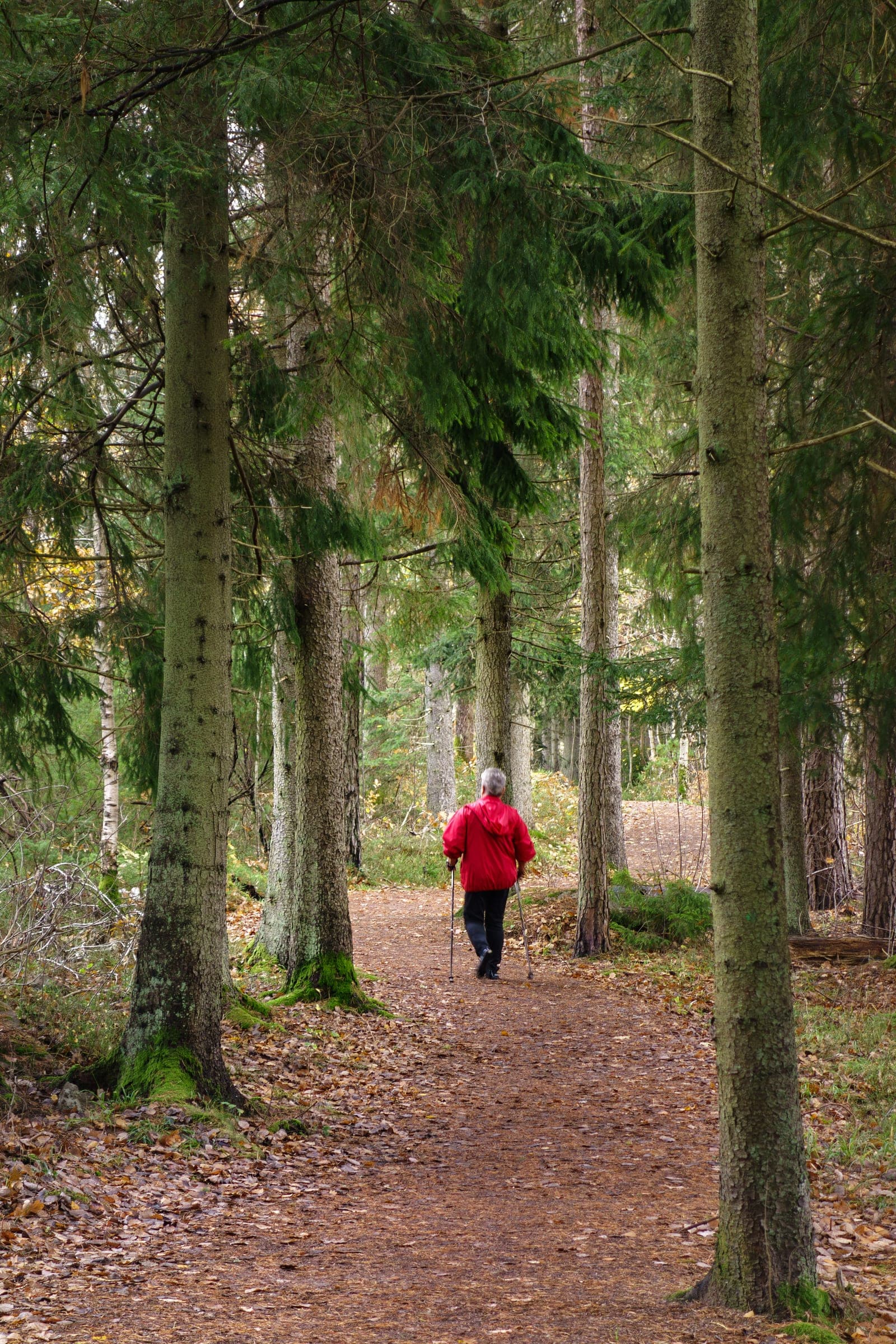
Nordic Walking
A gentle, accessible endurance activity that adds poles to bring the upper body into every walk.

Running
The most accessible endurance sport — no venue, just shoes and the open road or trail.
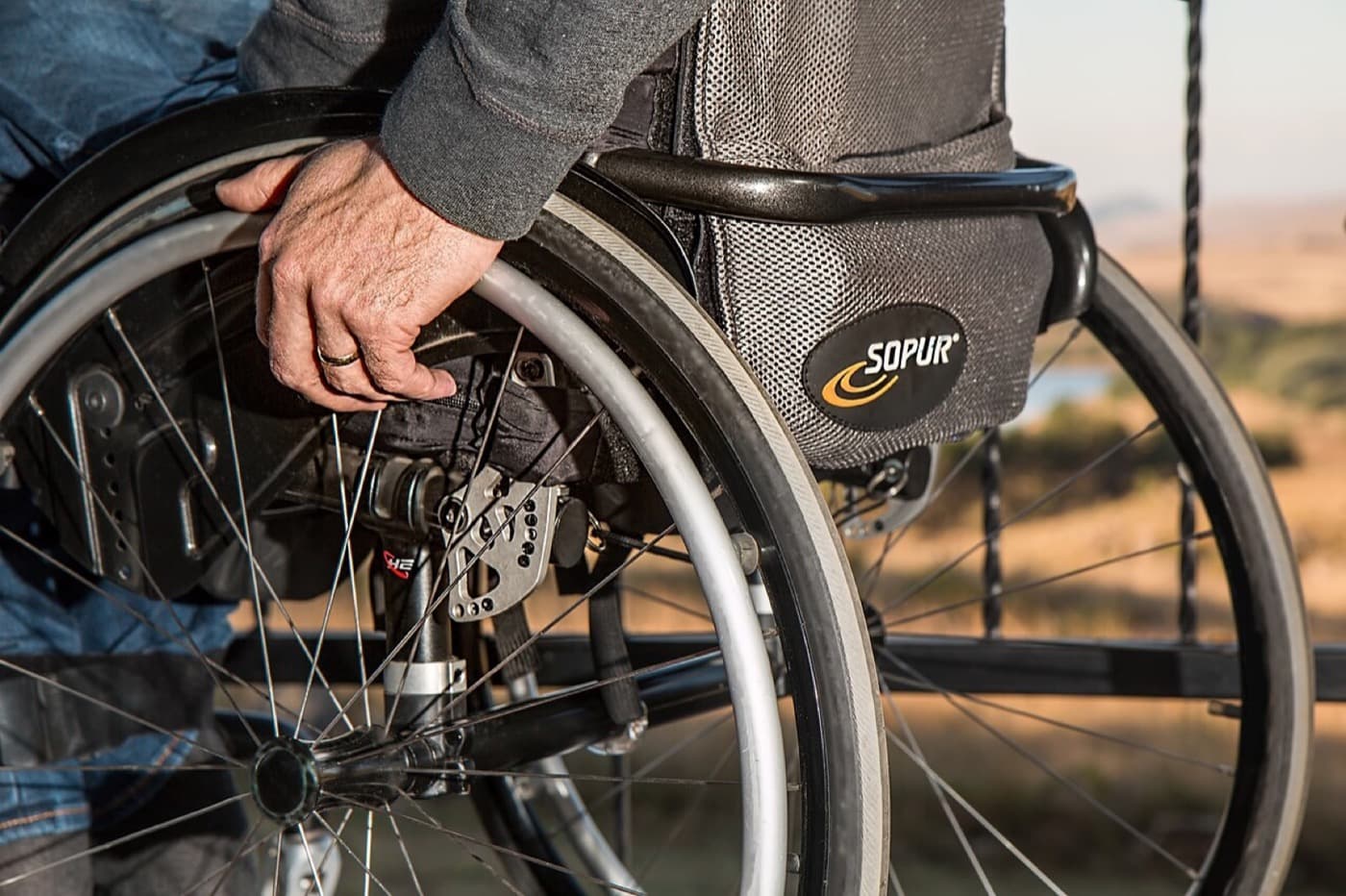
Cycling
A low-impact endurance sport that doubles as transport, exercise and adventure.

Swimming
A full-body, low-impact endurance sport suitable for almost every age and ability.

Hiking
An accessible outdoor sport of walking natural trails and hills at your own pace, solo or in a group.
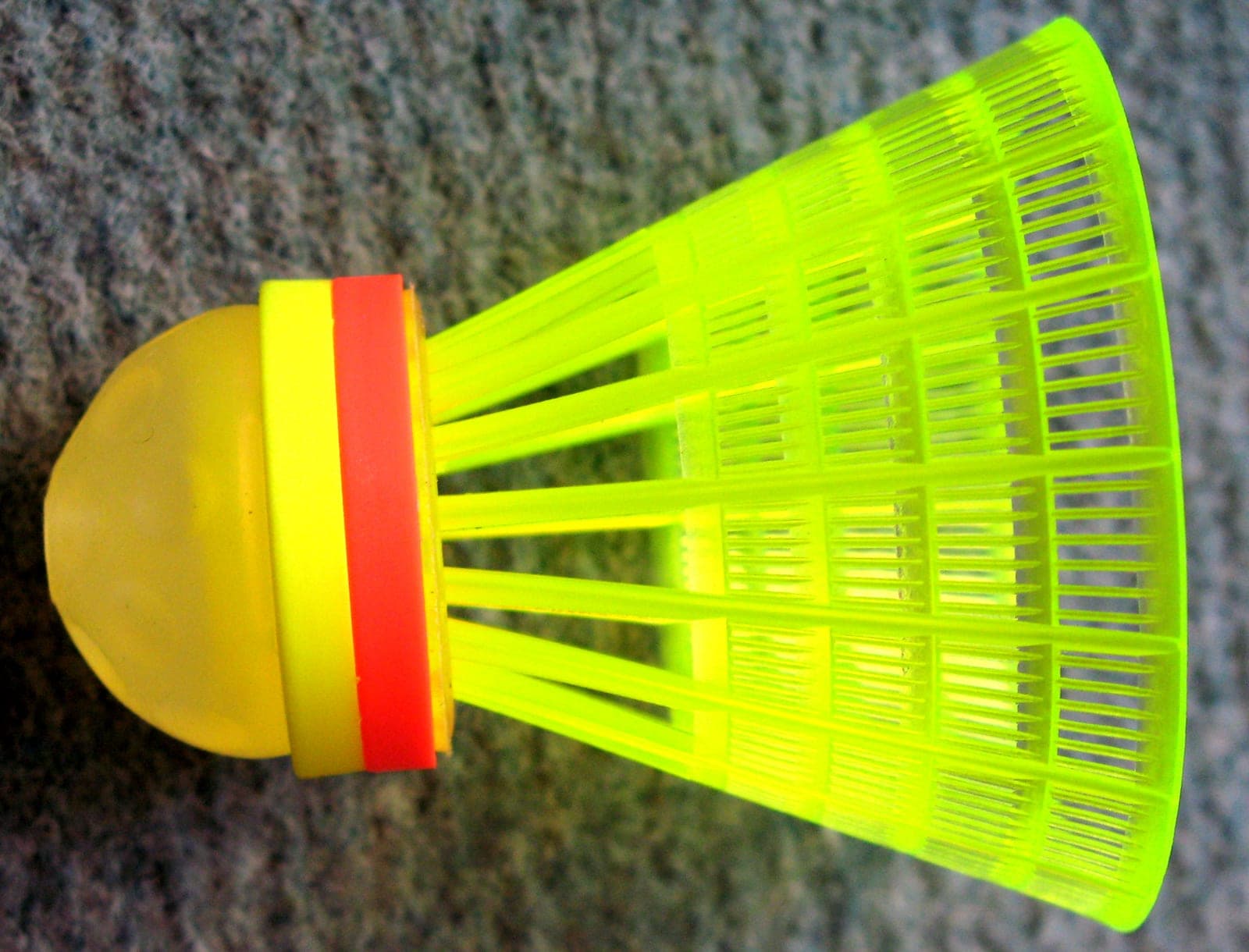
Badminton
A fast indoor racquet sport played with a shuttlecock that rewards agility and touch.
Train for it
Exercises and methods that build what this goal needs — educational, not a prescription.
Wall sit
A holding exercise where you sit against a wall with no chair, holding a squat position still.
Step-up
A movement where you step up onto a raised platform one leg at a time and step back down.
Kettlebell swing
A dynamic hinge where you swing a kettlebell to shoulder height using a snap of the hips.
Push-up
A classic upper-body pushing exercise where you lower and press your body up from the floor.
Tricep dip
A pushing exercise where you lower and raise your body using your arms on parallel bars or a bench.
Pull-up
A vertical pulling exercise where you hang from a bar and pull your chin above it.
Frequently asked questions
Can sport help me quit smoking?
Some people find that staying active gives them a helpful routine, a distraction and a positive focus while changing the habit. However, sport is not a cure for dependency on its own, and it works best alongside proper support from a doctor or a professional stop-smoking service.
Where can I get professional support to quit?
A good first step is to speak to a doctor or a recognised stop-smoking support service, who can talk through options suited to you. Many regions have free services dedicated to this, and combining that support with lifestyle changes gives the strongest foundation.
What activity should I start with while quitting?
Gentle, enjoyable activities you can turn to easily — such as walking, cycling or swimming — are common choices. Start small and build up gradually. The aim is a supportive, sustainable routine, not intense training, and any health concerns are worth discussing with a doctor.
Related goals
Build healthy habits
Using sport and routine to make regular activity a lasting part of everyday life.
Improve fitness
Build well-rounded fitness — stamina, strength and more — through regular, varied activity you can keep up.
Improve cardiovascular health
Regular activity is widely linked with supporting heart and circulatory health as part of a balanced routine.
Reduce stress
Find calmer, healthier ways to unwind through regular movement, gentle mind-body activity and time outdoors.
Become more active
Add regular, gentle movement to your everyday life and build up from a sedentary start at your own pace.
How it connects
The meaning-bearing relationships that place Quit smoking in the wider knowledge graph — each one with the reason it exists.
Achieved through
Routes people take towards this goal.
- Nordic WalkingNordic Walking is one of the sports listed under the “Quit smoking” goal.
- RunningRunning is one of the sports listed under the “Quit smoking” goal.
- CyclingCycling is one of the sports listed under the “Quit smoking” goal.
- SwimmingSwimming is one of the sports listed under the “Quit smoking” goal.
- HikingHiking is one of the sports listed under the “Quit smoking” goal.
Explore across the knowledge base
Follow the threads that connect Quit smoking to the rest of SocialSportHub.
How this page is maintained
- Content type
- Life goal
- Provenance
- Tier A — evergreen educational
- Verified external sources
- 0
- Content updated
- 2026-09-22
Evergreen, first-party explanation — it makes no claim that needs an external source. How we handle sources and reviews.