
Walking
Walking is simple, low-intensity movement that supports everyday activity and gentle recovery for almost anyone.
Overview
Walking is about as accessible as movement gets: no kit, no venue, and an effort you can dial up or down at will. As a recovery habit it shines because it keeps you moving and gets you outdoors without adding the demands of a hard session.
An easy walk can round off a training day, fill a rest day, or simply be a pleasant part of normal life. Because the effort is so easy to control, it suits a huge range of people and fits neatly around everything else.
Good to know
- The effort is easy to control, from a gentle stroll to a brisk walk.
- It works as active recovery, a rest-day option or plain daily activity.
- Getting outdoors is a pleasant bonus for many people.
- Nordic walking and hiking are natural extensions when you want a bit more.
- Comfortable footwear is really all you need to get started.
A note on training information
Where it’s used
Sports this relates to:
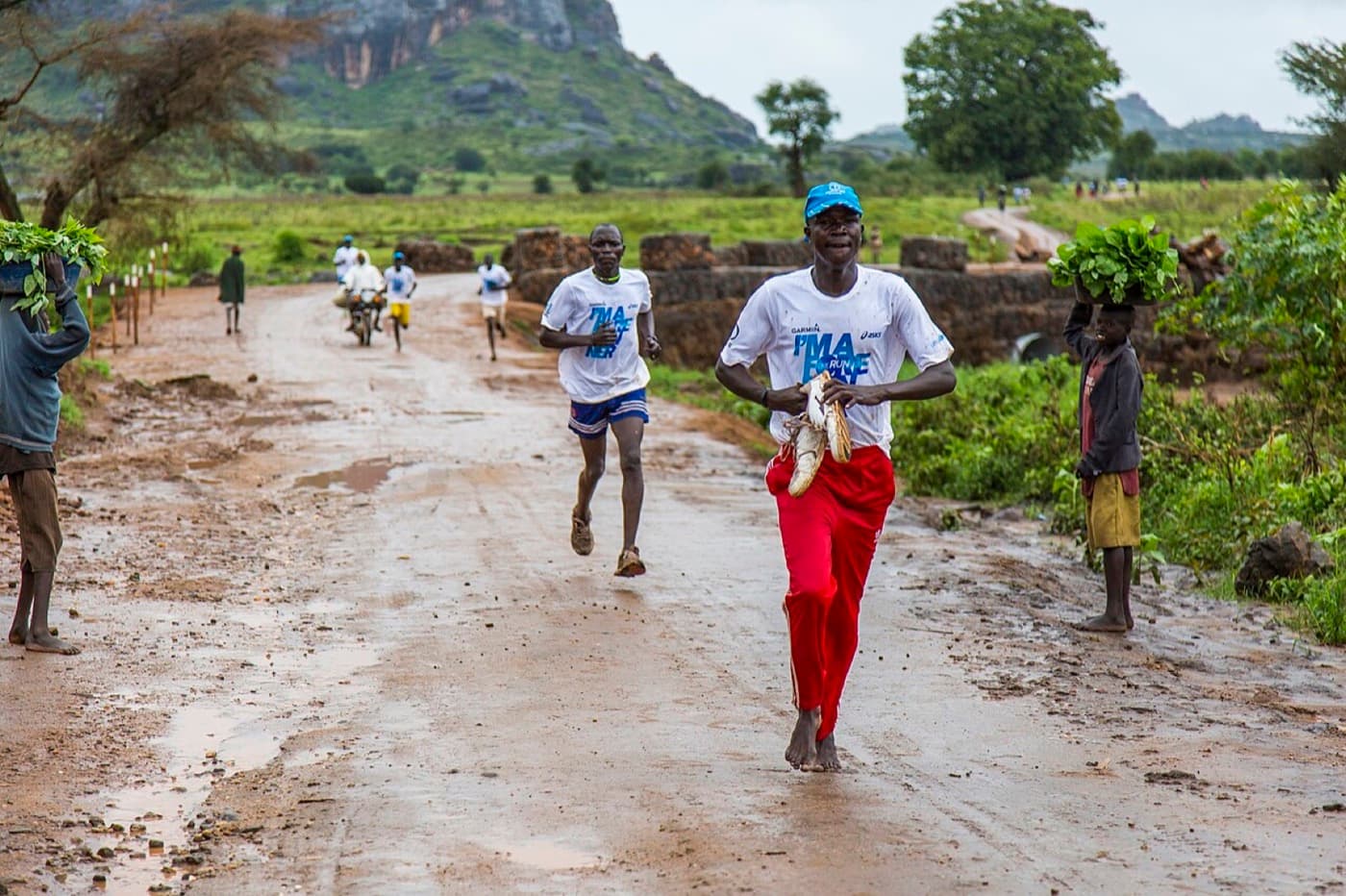
Running
The most accessible endurance sport — no venue, just shoes and the open road or trail.
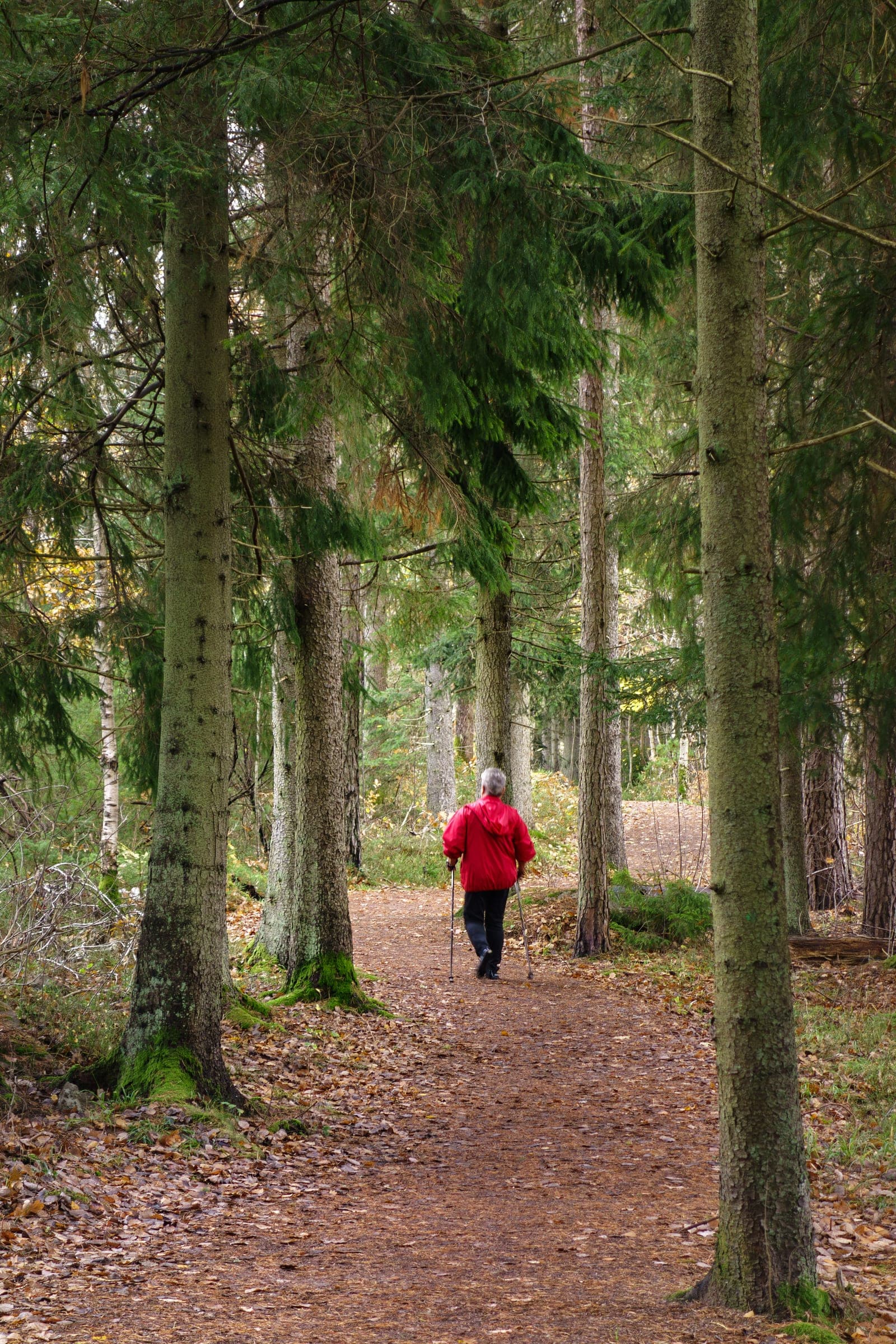
Nordic Walking
A gentle, accessible endurance activity that adds poles to bring the upper body into every walk.
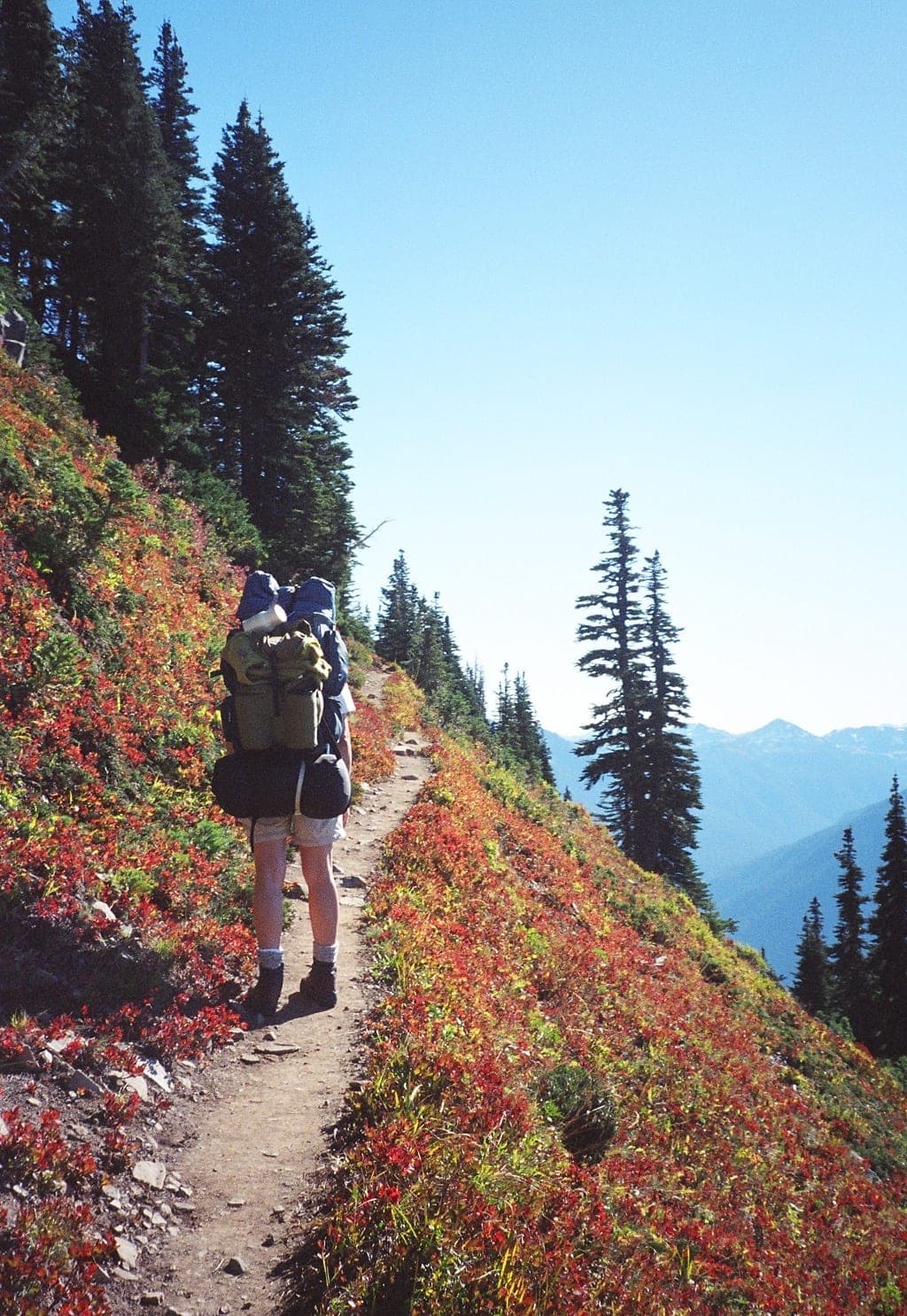
Hiking
An accessible outdoor sport of walking natural trails and hills at your own pace, solo or in a group.
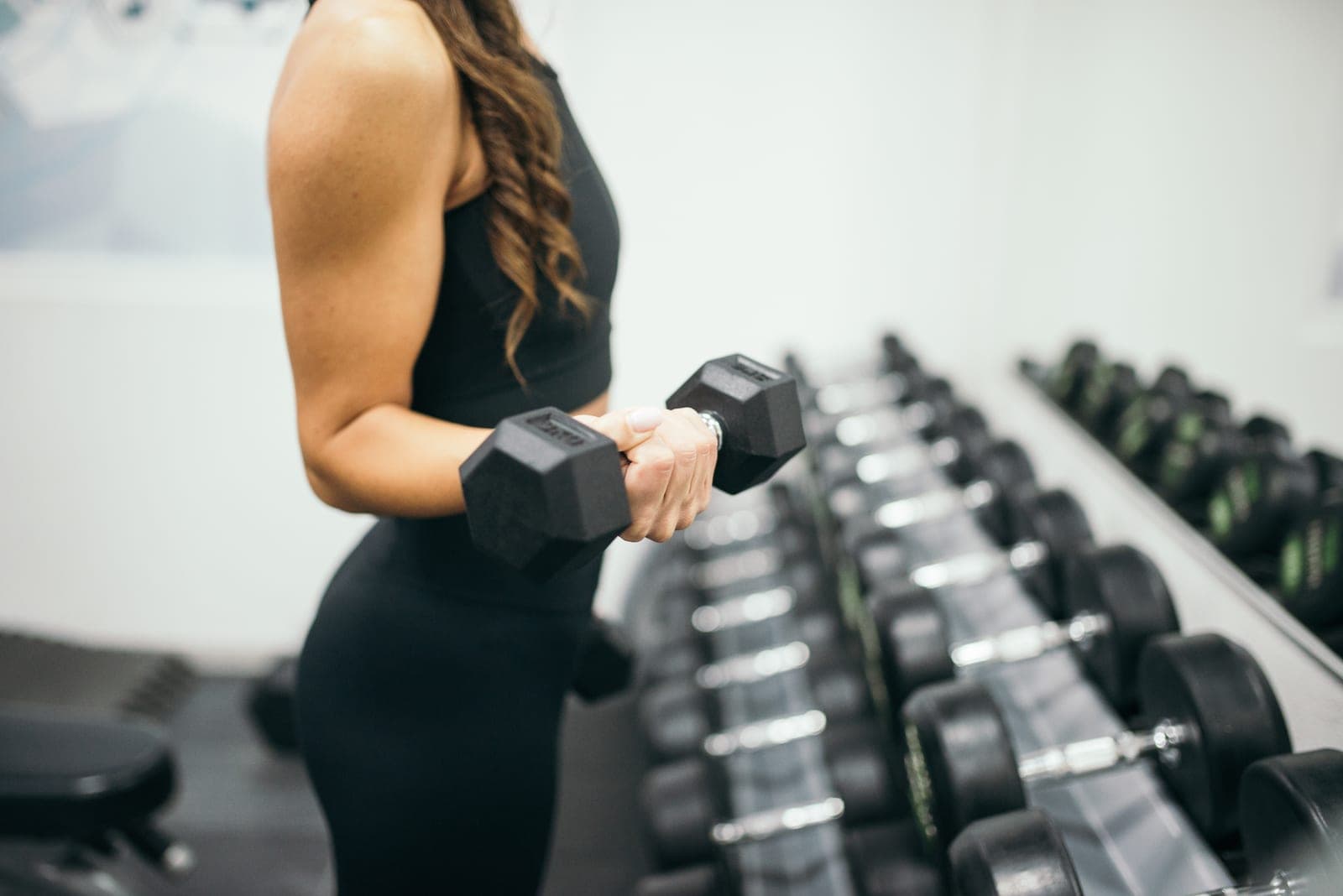
Fitness
Strength and general fitness training — the foundation that supports every other sport.
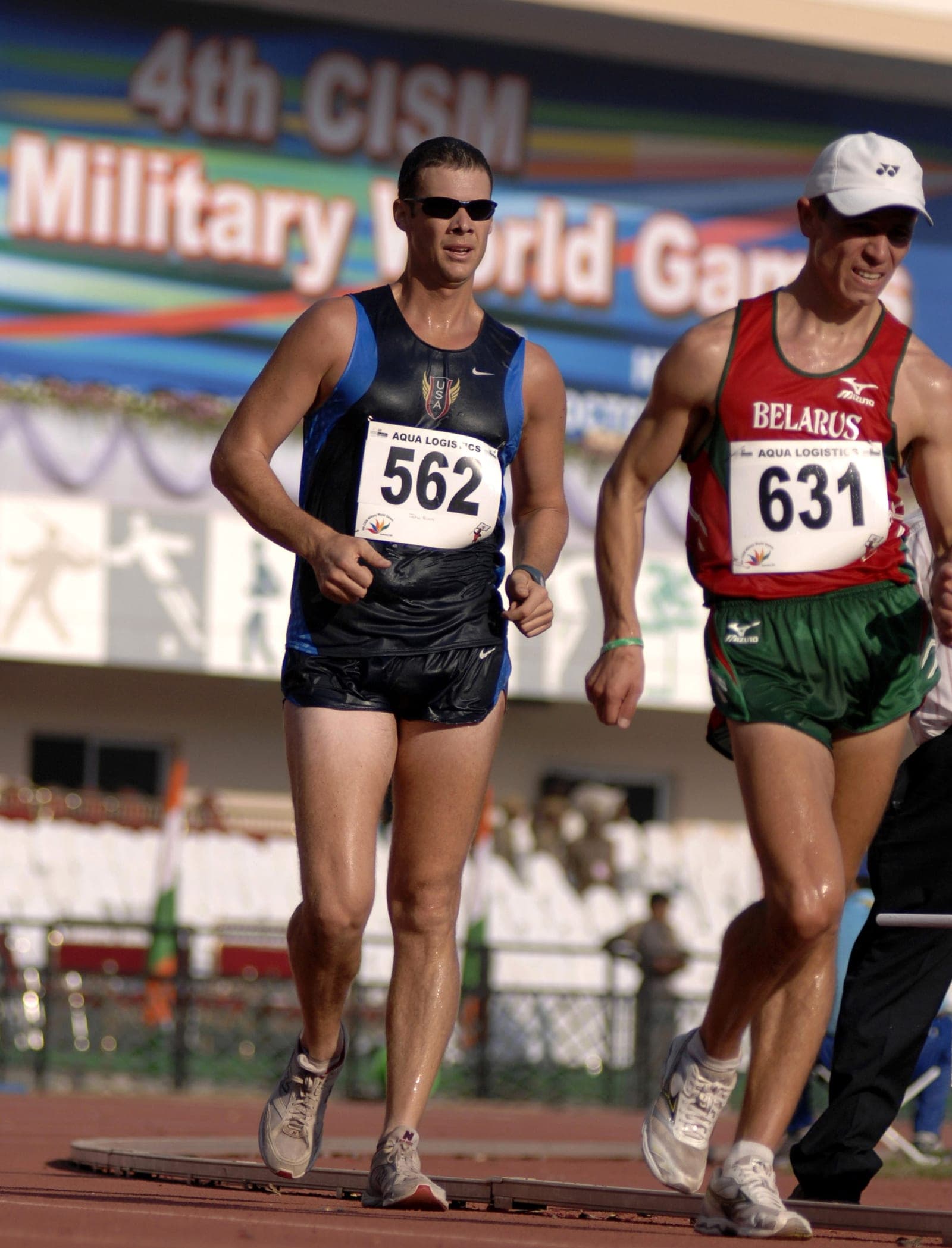
Race Walking
A technique-driven endurance sport that turns walking into a fast, low-impact discipline.
Related recovery
Sleep
Regular, good-quality sleep is the foundation of everyday recovery for anyone who trains or plays sport.
Rest days
Rest days are planned days off from training that give the body and mind time to recover between harder sessions.
Active recovery
Active recovery means very easy, gentle movement on lighter days to keep the body moving without adding hard training stress.
How it connects
The meaning-bearing relationships that place Walking in the wider knowledge graph — each one with the reason it exists.
Supports
Helps the training or recovery side of these.
- RunningWalking is listed as a recovery method used around Running.
- Nordic WalkingWalking is listed as a recovery method used around Nordic Walking.
- HikingWalking is listed as a recovery method used around Hiking.
- FitnessWalking is listed as a recovery method used around Fitness.
- Race WalkingWalking is listed as a recovery method used around Race Walking.
Explore across the knowledge base
Follow the threads that connect Walking to the rest of SocialSportHub.
Training guides
- Understanding rest and recoveryRest and recovery are the everyday habits — sleep, rest days and gentle movement — that let the benefits of training take hold between sessions.
- Bodyweight training basicsBodyweight training uses your own body as resistance, making it a simple and accessible way to build strength almost anywhere.
- How to warm upA short, gentle warm-up gradually raises your body temperature and prepares your muscles and joints for the activity ahead.
- How to track progress simplyTracking progress simply means keeping a light, low-effort record of your training so you can see how far you have come.
Healthy living
- Movement for Stress ReliefHow gentle, regular movement is widely associated with feeling calmer — a simple, accessible way to support everyday stress management.
- WalkingThe most accessible activity there is — free, low-impact, and one of the easiest ways to add movement to any day.
- Recovery walkingEasy, relaxed walking used as a way to recover — a low-effort way to keep moving on off days and after harder sessions.
- Stretching for recoveryUsing gentle, unhurried stretching to feel loosened and relaxed after activity — an easy, calming way to wind down.
- Active recoveryGentle, easy movement on your off days — a relaxed way to keep the body moving while it recovers, instead of doing nothing.
Practice & sessions
Goals
- Sports for beginnersHow to start playing sport from scratch — choosing a first activity and building up gently.
- Become more activeAdd regular, gentle movement to your everyday life and build up from a sedentary start at your own pace.
- Build healthy habitsUsing sport and routine to make regular activity a lasting part of everyday life.
- Reduce stressFind calmer, healthier ways to unwind through regular movement, gentle mind-body activity and time outdoors.
- Build an active lifestyleMake movement a natural, lasting part of daily life through activities and habits you genuinely enjoy.
Training plans
- Weekly Movement PlanA relaxed example of building more general movement into an ordinary week, mixing walks, gentle mobility and everyday activity rather than formal workouts.
- Walk-to-Jog PlanA gentle example of easing from walking into jogging by gradually mixing short, easy jogs into regular walks over several weeks.
- Gentle Return to ActivityA relaxed example of easing back into a routine after time away, restarting well below where you left off and rebuilding gradually.
- Beginner Run WeekA simple example running week for newer runners, built around a couple of easy runs, one slightly longer effort and plenty of rest.
- Mobility Routine WeekA gentle example week of short mobility sessions that move the main joints through easy, comfortable ranges to help you feel loose and move well.
Go deeper with Walking
Everywhere else on the platform that covers Walking — assembled from what actually references it, so nothing here is a dead end.
Take it away
Open data and the whole-platform view of this subject.
How this page is maintained
- Content type
- Recovery method
- Provenance
- Tier A — evergreen educational
- Verified external sources
- 0
- Content updated
- 2026-07-06
Evergreen, first-party explanation — it makes no claim that needs an external source. How we handle sources and reviews.