
Sleep
Regular, good-quality sleep is the foundation of everyday recovery for anyone who trains or plays sport.
Overview
Sleep is when the body does much of its everyday resting, which is why a regular sleep routine is often described as the single most useful recovery habit. For people who train or play sport, consistent sleep tends to support energy, focus and mood as much as any special routine does.
You don’t need anything fancy to sleep well. The basics are a fairly consistent bedtime and wake time, a dark, quiet, cool room, and a calm wind-down beforehand. Making sleep part of training, rather than an afterthought, tends to make the rest of the week feel easier.
Good to know
- A regular bedtime and wake time helps your body settle into a rhythm.
- A dark, quiet and cool room generally makes sleep easier.
- Winding down without bright screens for a while before bed can help.
- Big late caffeine hits and very late intense sessions can make it harder to switch off.
- Feeling rested when you wake is a simple, honest sign your routine is working.
A note on training information
Where it’s used
Sports this relates to:
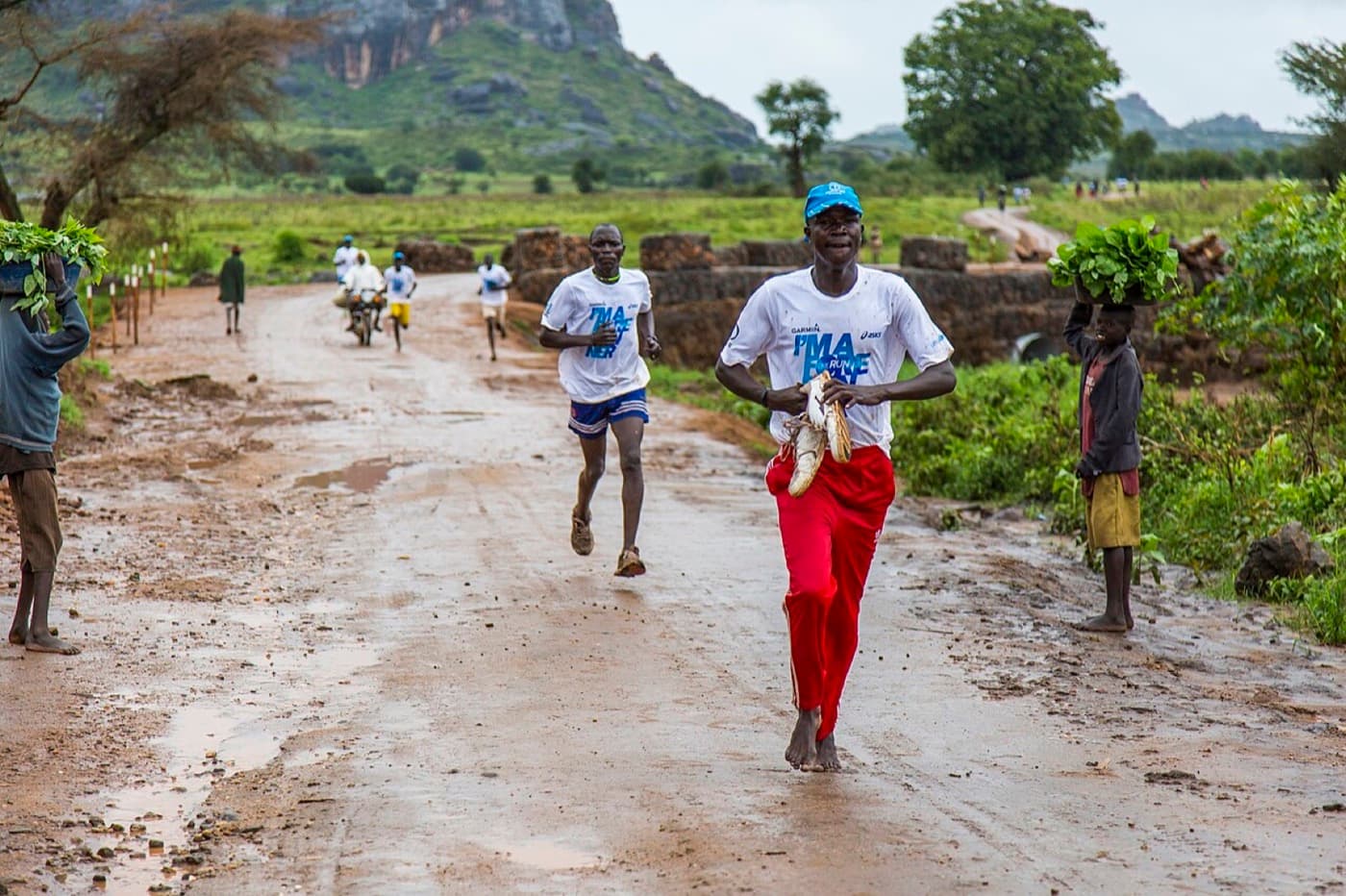
Running
The most accessible endurance sport — no venue, just shoes and the open road or trail.

Fitness
Strength and general fitness training — the foundation that supports every other sport.

Football
The world’s most popular team sport — endless running, teamwork and community in one game.

Basketball
A fast, dynamic team sport of running, jumping and quick decisions on court.
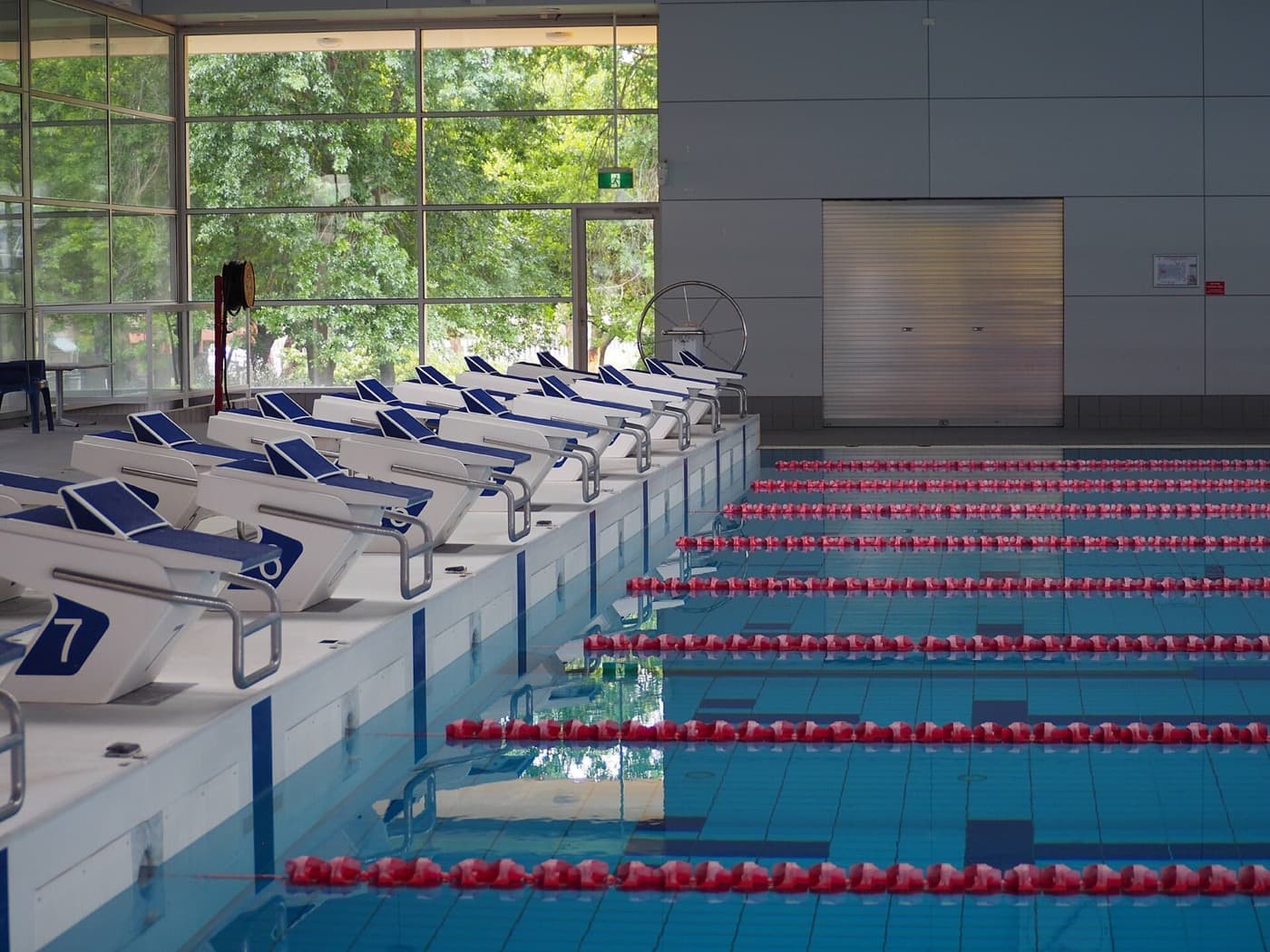
Swimming
A full-body, low-impact endurance sport suitable for almost every age and ability.
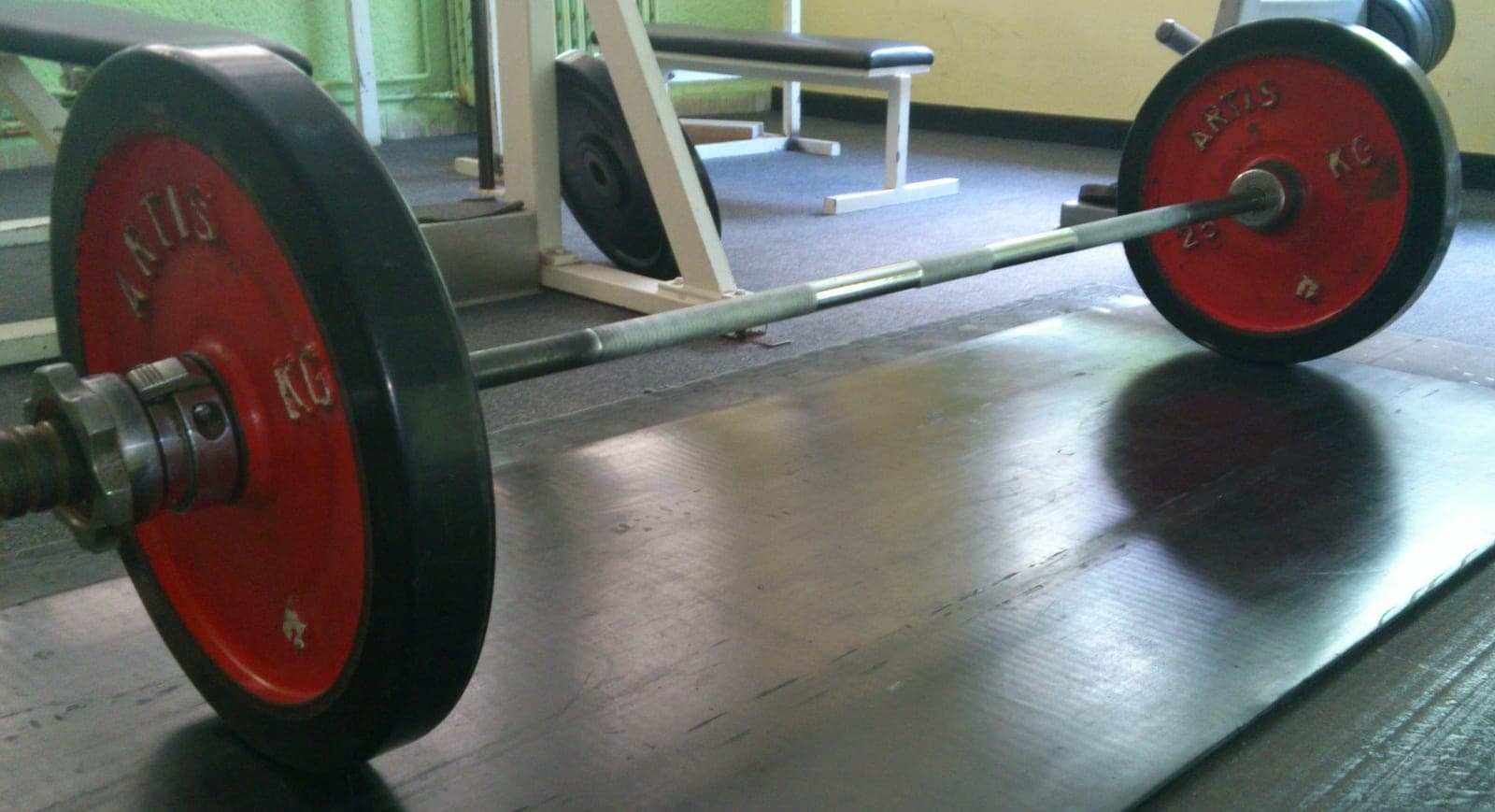
Weightlifting
A technical strength sport built around lifting a loaded barbell overhead with speed and control.
Related recovery
Rest days
Rest days are planned days off from training that give the body and mind time to recover between harder sessions.
Active recovery
Active recovery means very easy, gentle movement on lighter days to keep the body moving without adding hard training stress.
Cool-down
A cool-down is a few minutes of easy movement at the end of a session to let the body settle back towards rest.
How it connects
The meaning-bearing relationships that place Sleep in the wider knowledge graph — each one with the reason it exists.
Supports
Helps the training or recovery side of these.
- RunningSleep is listed as a recovery method used around Running.
- FitnessSleep is listed as a recovery method used around Fitness.
- FootballSleep is listed as a recovery method used around Football.
- BasketballSleep is listed as a recovery method used around Basketball.
- SwimmingSleep is listed as a recovery method used around Swimming.
Explore across the knowledge base
Follow the threads that connect Sleep to the rest of SocialSportHub.
Healthy living
- Recovery SleepThe role rest plays in helping your body recover, adapt and feel ready after training and active days.
- Exercise and SleepThe two-way link between staying active and sleeping well — how movement can help rest, and how rest fuels movement.
- Sleep HygieneThe everyday habits and surroundings that make good sleep more likely — a calmer room, steadier timing and gentler evenings.
- Sleep BasicsA calm introduction to why sleep matters and how it quietly supports almost everything else in a healthy, active life.
- Sleep RoutineA steady rhythm of consistent timing and a calming wind-down that helps your body know when it is time to rest.
People
- Competitive athletesHow the platform fits someone who trains and plays to compete — structured, goal-directed preparation with coaching and recovery central.
- Recreational athletesHow the platform fits someone who plays regularly for enjoyment and fitness rather than competition — staying active, sociable and healthy through sport.
Sports science
- Recovery and adaptationThe idea that the body adapts during recovery, not during the effort itself — which is why rest is treated as part of training rather than a break from it.
- The overload principleThe idea that the body adapts to demands greater than it is used to — the foundation of why training works.
Goals
- Build muscleChallenge your muscles with regular resistance training and steady recovery to build strength over time.
- Improve sleepSupport more restful sleep by staying active during the day and building a consistent daily rhythm.
- Build healthy habitsUsing sport and routine to make regular activity a lasting part of everyday life.
- Become more activeAdd regular, gentle movement to your everyday life and build up from a sedentary start at your own pace.
Training methods
- Endurance Base TrainingEndurance base training is an extended phase of mostly easy, steady aerobic work that lays the aerobic foundation the rest of a training plan builds on.
- Interval TrainingInterval training alternates short bursts of harder effort with easier recovery periods, letting you accumulate more quality work than a single continuous push.
Go deeper with Sleep
Everywhere else on the platform that covers Sleep — assembled from what actually references it, so nothing here is a dead end.
Work it out
Deterministic calculators — real published formulas, no estimates dressed as data.
Question it
Research topics that name this entity among their connections.
Take it away
Open data and the whole-platform view of this subject.
How this page is maintained
- Content type
- Recovery method
- Provenance
- Tier A — evergreen educational
- Verified external sources
- 0
- Content updated
- 2026-07-06
Evergreen, first-party explanation — it makes no claim that needs an external source. How we handle sources and reviews.