
Rest days
The planned days off that let the body recover and adapt — an ordinary, valuable part of staying active, not a sign of slacking.
Overview
A rest day is simply a day when you ease right off training and let your body recover. It is easy to think of rest as wasted time, but recovery is when much of the benefit of exercise settles in — the body repairs and adapts after the effort, not only during it. Building rest into a routine is widely seen as a normal part of training well, whatever your level.
How much rest you need is personal and changes with how hard, how often and how new your activity is. Beginners, busy weeks and harder sessions all tend to call for more recovery, and there is no single schedule that fits everyone. The aim is to treat rest as part of the plan rather than a failure of willpower, so you come back to activity feeling fresher.
What helps
- Recovery is when the body repairs and adapts — rest is part of getting fitter.
- Planned days off help you come back fresher and stay consistent over time.
- How much rest you need is personal and shifts with effort, frequency and how new the activity is.
- Rest is a normal part of a routine, not a sign of weakness or wasted time.
- Ongoing tiredness or pain is a cue to check in, not to push through.
A note on this guidance
How to start
- 1Pencil in one or two lighter or fully off days across your week.
- 2Notice how you feel the day after harder sessions and adjust from there.
- 3Keep rest days genuinely easy — the point is to let the body recover.
- 4If you feel persistently drained or something hurts, check with a qualified professional.
Sports that fit
Ways to put this into practice — each with a clear, beginner-friendly guide.
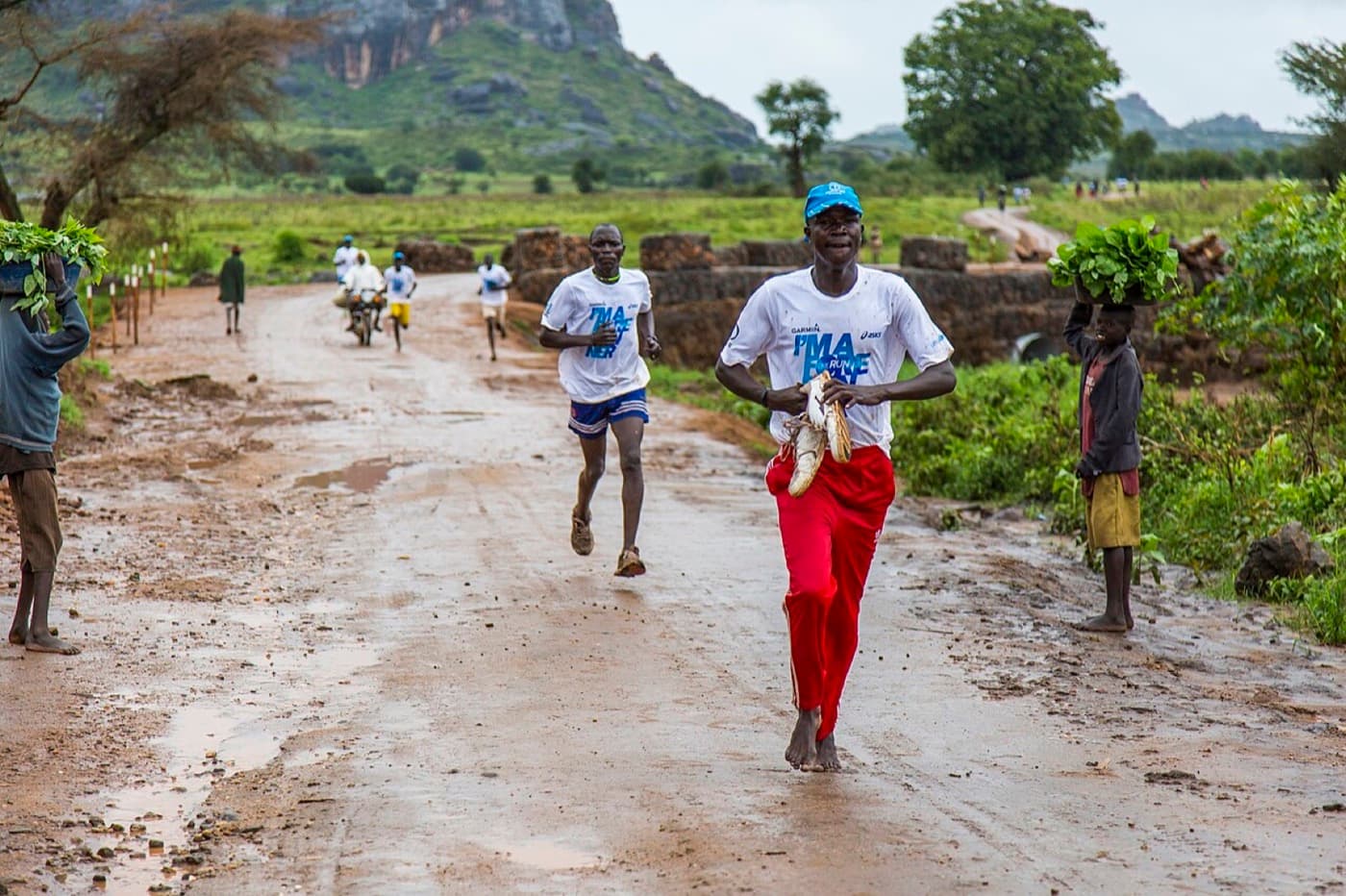
Running
The most accessible endurance sport — no venue, just shoes and the open road or trail.

Fitness
Strength and general fitness training — the foundation that supports every other sport.
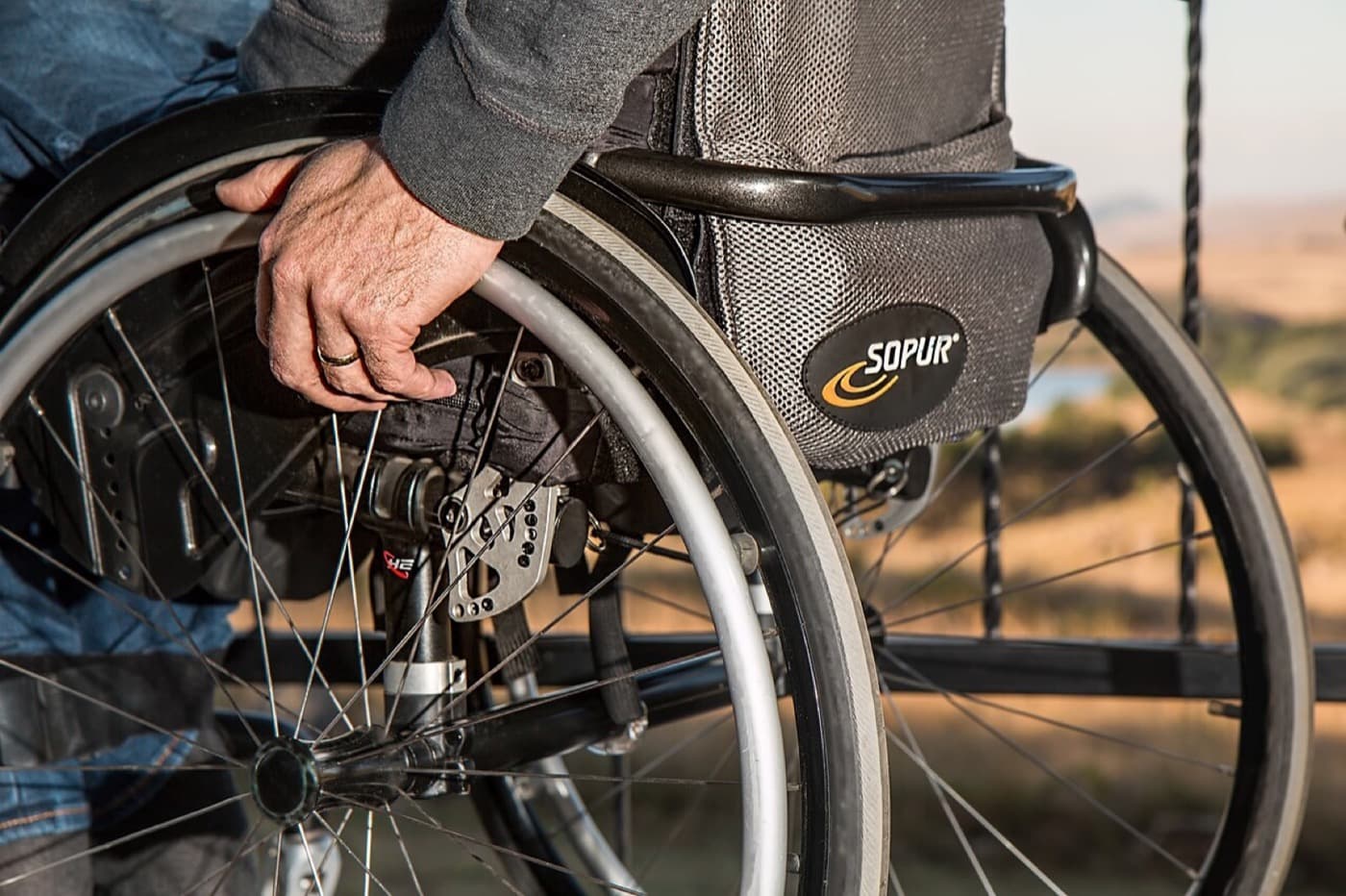
Cycling
A low-impact endurance sport that doubles as transport, exercise and adventure.
Goals it supports
Build healthy habits
Using sport and routine to make regular activity a lasting part of everyday life.
Improve fitness
Build well-rounded fitness — stamina, strength and more — through regular, varied activity you can keep up.
Build an active lifestyle
Make movement a natural, lasting part of daily life through activities and habits you genuinely enjoy.
Improve mental wellbeing
Use regular, enjoyable activity to support your mood, connection and sense of wellbeing as one healthy habit among many.
Frequently asked questions
How many rest days do I need?
There is no single right number — it depends on how hard and how often you train, how new you are to it, and how your body feels. Many people build in one or more easier or fully off days each week and adjust as they go. If you often feel run down, it is worth easing off and, if it continues, speaking with a qualified professional.
Explore across the knowledge base
Follow the threads that connect Rest days to the rest of SocialSportHub.
Barriers
- An unpredictable scheduleWhen no two weeks look the same, sport needs to be flexible and portable rather than tied to a fixed class time.
- No timeWhen your days are full, sport has to fit into small windows rather than replace them — short, flexible activity that adds up.
- Sitting all dayWhen work keeps you at a desk, the priority is breaking up long sitting and adding movement around the working day.
People
- Returning to sportHow to ease back into sport after a break, rebuilding gradually and listening to your body.
- Weekend athletesHow to enjoy recreational sport on weekends while staying comfortable and consistent through the week.
- TravelersHow to stay active on the move with minimal-equipment sport that works almost anywhere.
- RetireesHow sport can fit newly free time in retirement — an opportunity to be active, social and purposeful, at a comfortable and well-guided pace.
- Recreational athletesHow the platform fits someone who plays regularly for enjoyment and fitness rather than competition — staying active, sociable and healthy through sport.
Motivations
- To stay healthyWhen health is the driver, regular, sustainable activity across fitness, strength and mobility supports an active life for the long term.
- To feel calmerWhen you play to unwind, rhythmic, absorbing activity gives many people a mental break — though it complements, not replaces, professional support.
- To spend time as a familyWhen the aim is shared time, activities the whole family can do together turn being active into a way to connect across ages.
Training guides
- Understanding rest and recoveryRest and recovery are the everyday habits — sleep, rest days and gentle movement — that let the benefits of training take hold between sessions.
- How to cool downA cool-down is a few easy minutes at the end of a session that let your effort taper off gradually before you stop.
- How to warm upA short, gentle warm-up gradually raises your body temperature and prepares your muscles and joints for the activity ahead.
- Staying consistent with trainingStaying consistent is about building training into your routine so it keeps happening even when motivation dips.
- How to progress gentlyProgressing gently means increasing your training in small, gradual steps so your body has time to adapt.
Recovery
- Active recoveryActive recovery means very easy, gentle movement on lighter days to keep the body moving without adding hard training stress.
- Rest daysRest days are planned days off from training that give the body and mind time to recover between harder sessions.
- Cool-downA cool-down is a few minutes of easy movement at the end of a session to let the body settle back towards rest.
- SleepRegular, good-quality sleep is the foundation of everyday recovery for anyone who trains or plays sport.
- Staying hydratedStaying hydrated is the simple everyday habit of drinking water regularly so you feel comfortable and ready to be active.
Sports science
- Recovery and adaptationThe idea that the body adapts during recovery, not during the effort itself — which is why rest is treated as part of training rather than a break from it.
- Aerobic and anaerobic energyThe difference between energy the body produces with oxygen and energy it produces without it — a core idea behind why different efforts feel and last so differently.
- Training adaptationThe process by which the body changes in response to repeated training — the underlying reason exercise makes you fitter, stronger or more skilful over time.
- The overload principleThe idea that the body adapts to demands greater than it is used to — the foundation of why training works.
- Energy systemsHow the body supplies energy for movement — the different pathways that power everything from an explosive jump to a long, steady run.