
Endurance Base Training
Endurance base training is an extended phase of mostly easy, steady aerobic work that lays the aerobic foundation the rest of a training plan builds on.
Overview
Endurance base training, often just called 'base building', is a phase devoted to a large volume of easy, steady aerobic work. The pace is comfortable and conversational, and the goal is breadth rather than sharpness: building the broad aerobic foundation that harder, faster work is later layered on top of.
The hallmark is patience. Sessions are kept genuinely easy so that volume can be gradually accumulated without the toll of constant hard efforts, and the base is grown over many weeks. It is the unglamorous groundwork that makes later training more productive.
This phase suits endurance pursuits like running, cycling, swimming and triathlon, and it is especially friendly to beginners, for whom almost all early training is base work by nature. The main discipline is resisting the urge to go hard too often and letting the easy sessions add up.
How to do it
- 1Keep the majority of sessions easy and conversational.
- 2Gradually let the total amount of easy work grow week to week.
- 3Include a longer, relaxed session as a gentle centrepiece.
- 4Resist the urge to turn easy days into hard ones.
Key points
- Base training is a phase of mostly easy, steady aerobic work.
- The pace is comfortable and conversational, prioritising volume over speed.
- It builds the broad aerobic foundation harder work later builds on.
- It rewards patience — the base grows over many weeks.
- Almost all early beginner training is base work by nature.
A note on training information
Where it’s used
Sports this relates to:
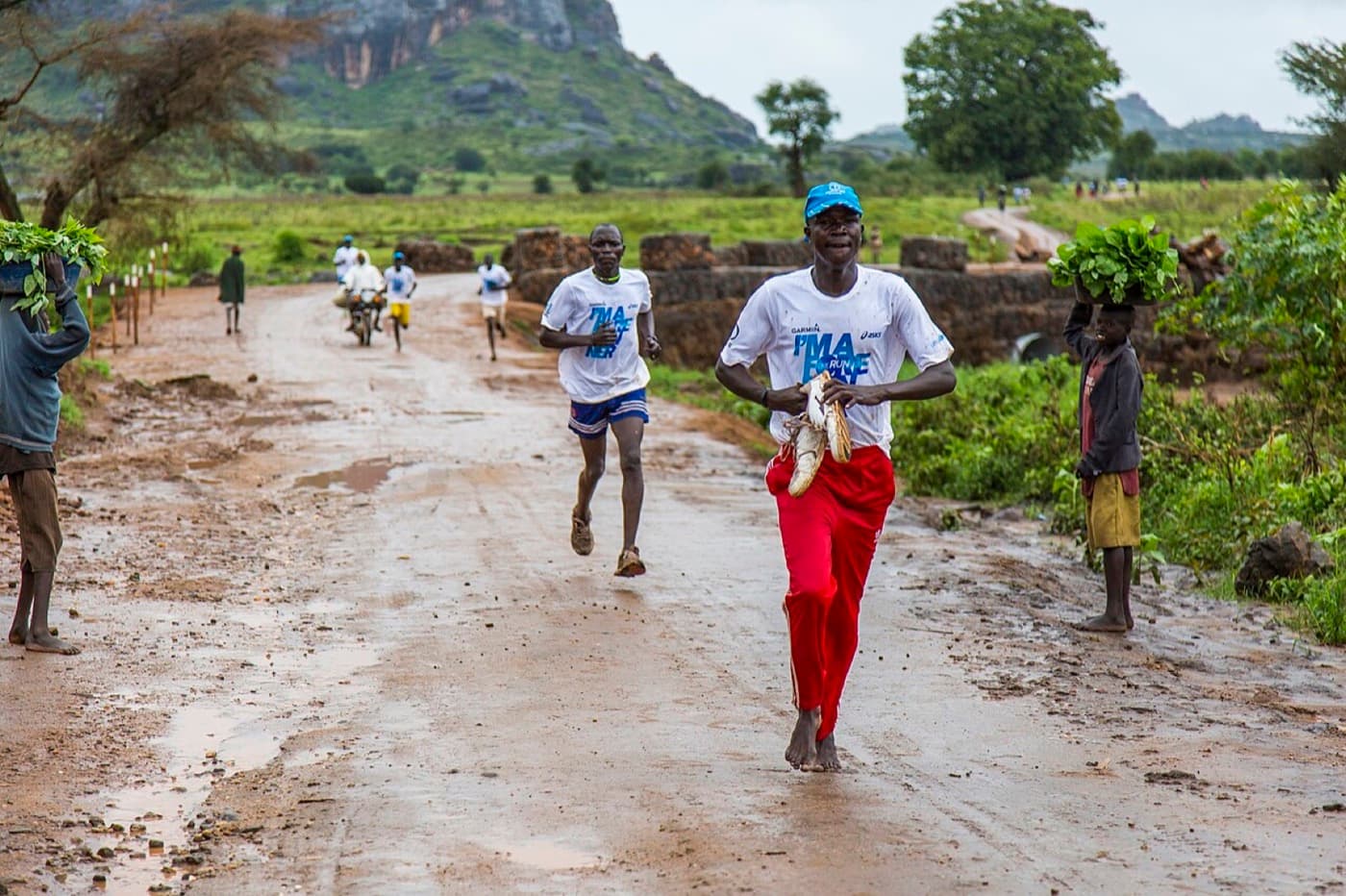
Running
The most accessible endurance sport — no venue, just shoes and the open road or trail.
Cycling
A low-impact endurance sport that doubles as transport, exercise and adventure.
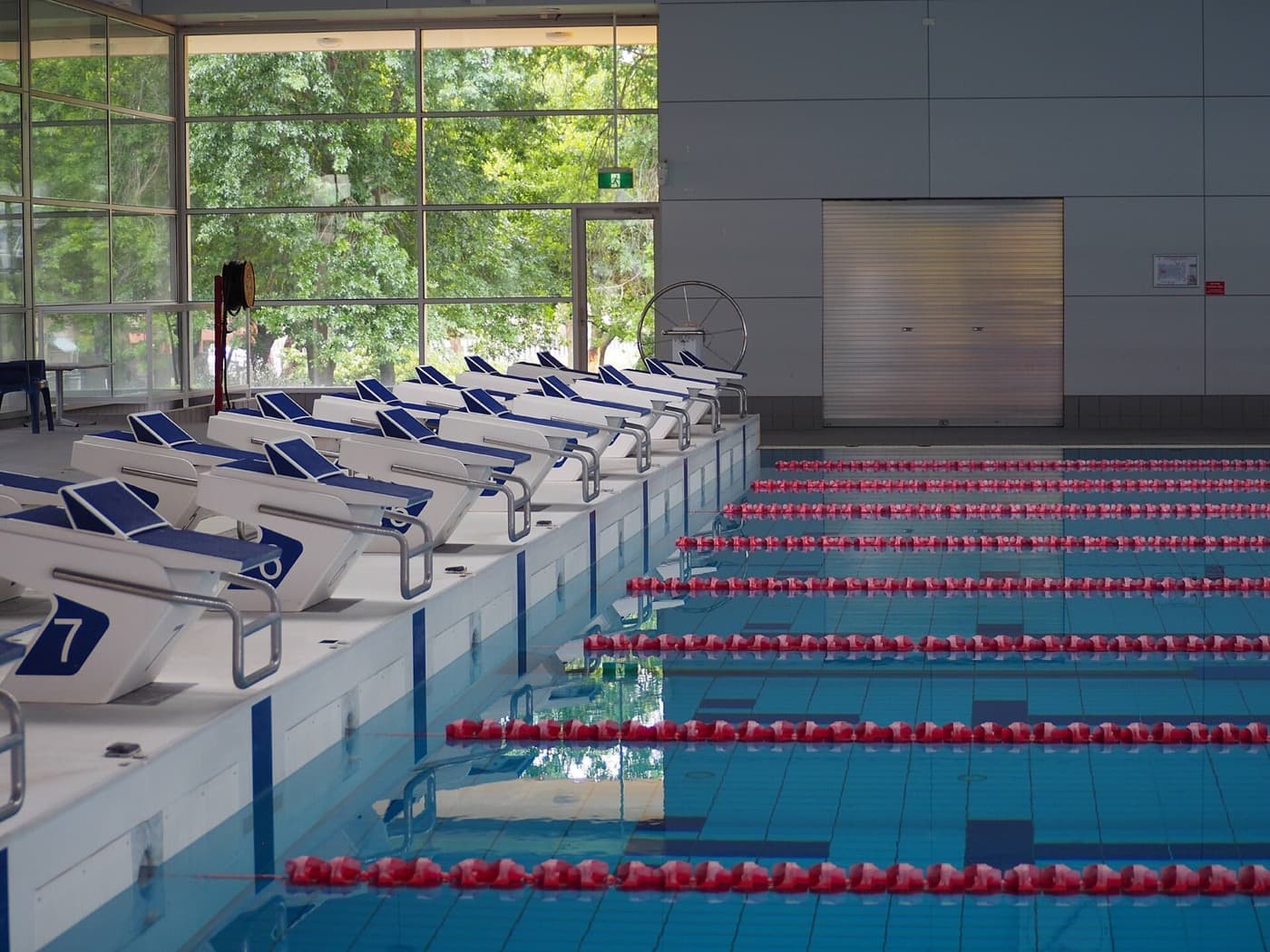
Swimming
A full-body, low-impact endurance sport suitable for almost every age and ability.
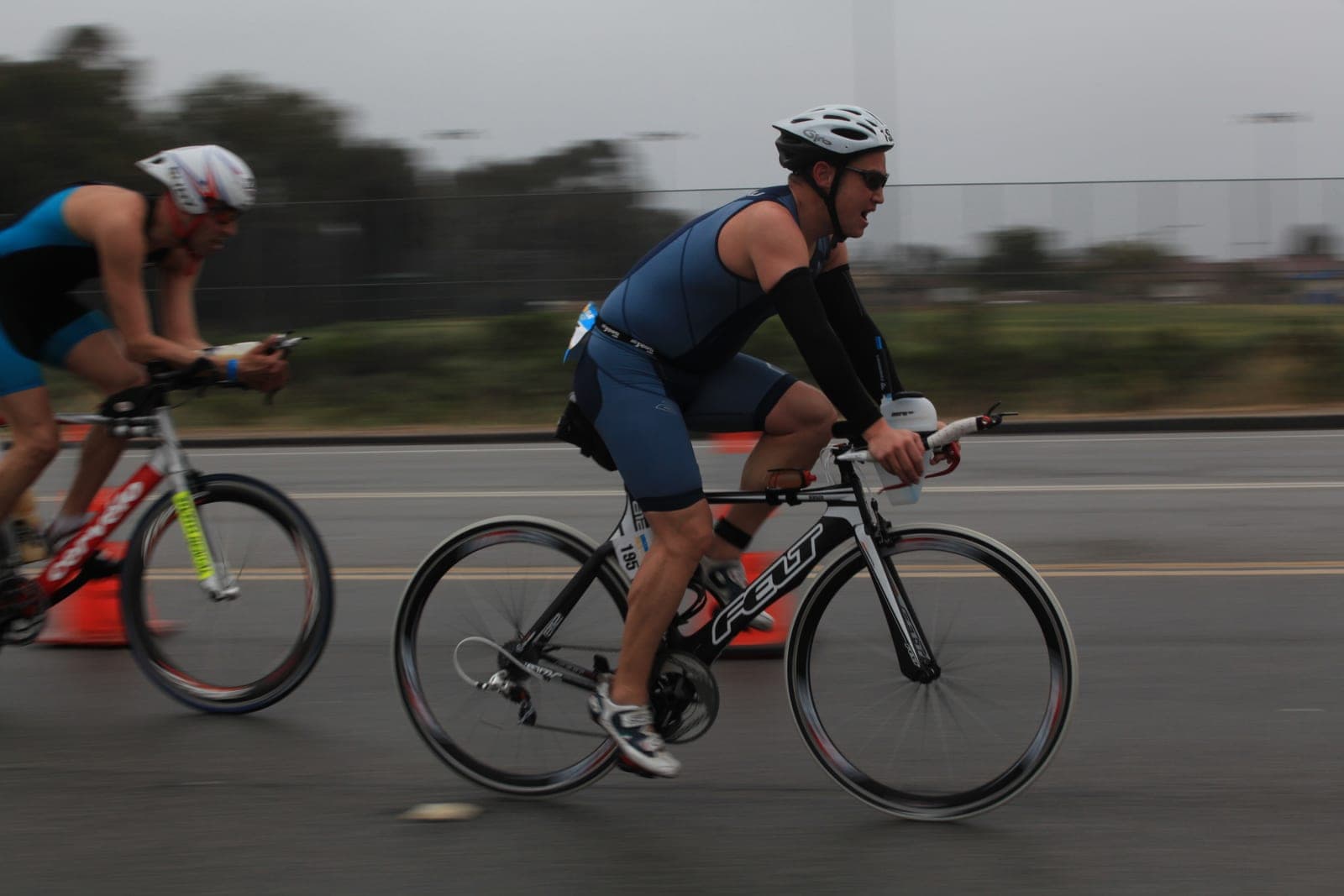
Triathlon
A multi-sport endurance event that links swimming, cycling and running into one continuous race.
Trail Running
Running off-road on trails, hills and natural terrain, away from pavements and traffic.
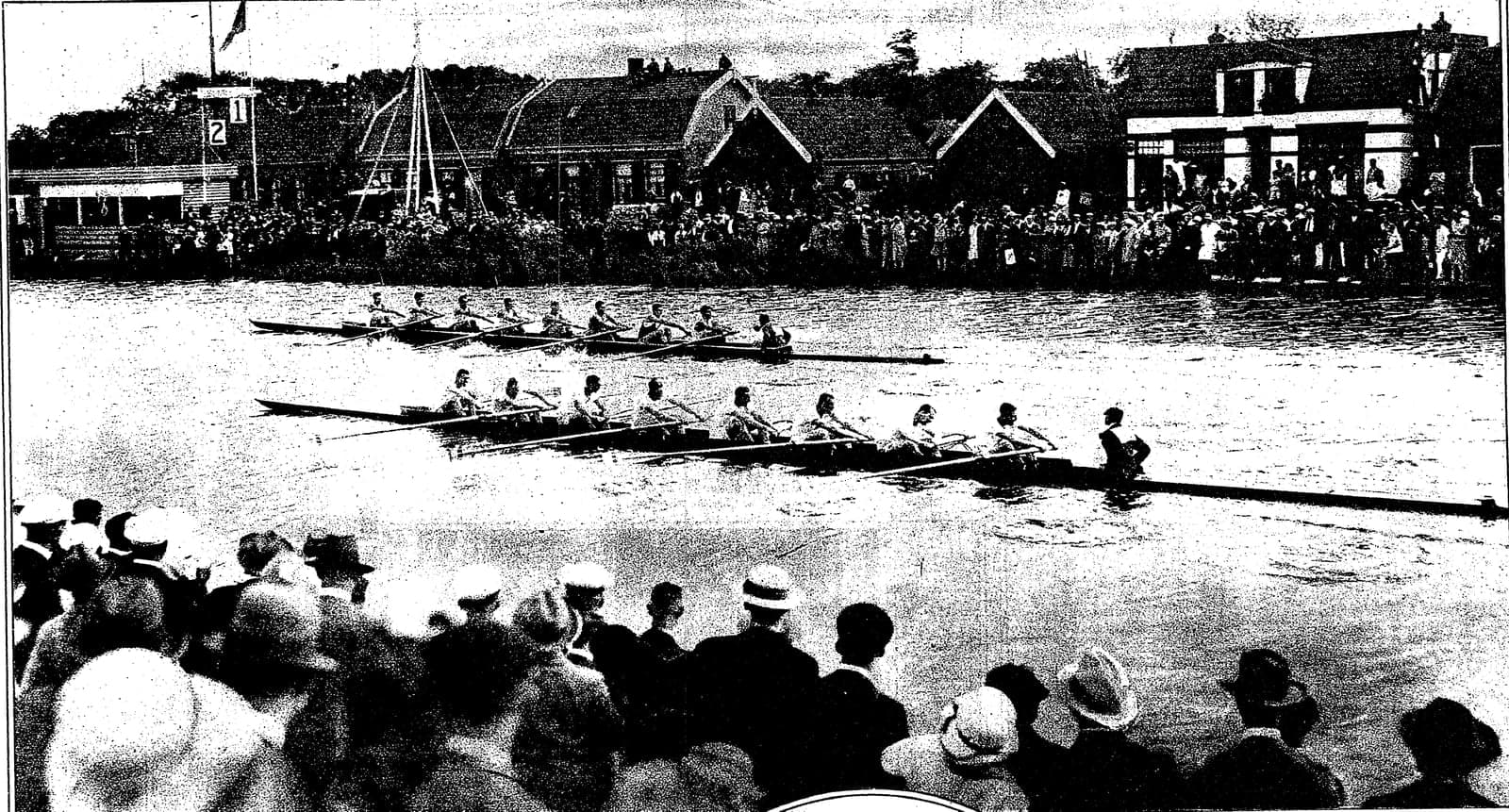
Rowing
A rhythmic, full-body endurance sport on the water or on an indoor machine.
Related training methods
Interval Training
Interval training alternates short bursts of harder effort with easier recovery periods, letting you accumulate more quality work than a single continuous push.
Steady-State Cardio
Steady-state cardio means holding one comfortable, continuous pace for the whole session, building an aerobic base without the peaks of interval work.
Circuit Training
Circuit training moves you through a series of stations back to back with little rest, blending strength and cardio into one time-efficient session.
How it connects
The meaning-bearing relationships that place Endurance Base Training in the wider knowledge graph — each one with the reason it exists.
Frequently learned together
Taught side by side in the same stage of a learning path.
Explore across the knowledge base
Follow the threads that connect Endurance Base Training to the rest of SocialSportHub.
Sports science
- Energy systemsHow the body supplies energy for movement — the different pathways that power everything from an explosive jump to a long, steady run.
- Aerobic and anaerobic energyThe difference between energy the body produces with oxygen and energy it produces without it — a core idea behind why different efforts feel and last so differently.
- SpecificityThe idea that the body adapts specifically to the kind of training it is given — you tend to get good at what you actually practise.
Movement patterns
- GaitThe cyclic, alternating single-leg pattern of walking and running that carries the body across the ground — the base of most field and endurance sport.
- GlideGlide is continuous, low-resistance locomotion in which the body holds a streamlined shape so that momentum generated by a preceding propulsive action carries it smoothly across a surface or through a medium.
Training plans
- Beginner Cycling BaseA general example of building an easy aerobic base on the bike through mostly relaxed, conversational-pace rides over several weeks.
- Beginner Run WeekA simple example running week for newer runners, built around a couple of easy runs, one slightly longer effort and plenty of rest.
Go deeper with Endurance Base Training
Everywhere else on the platform that covers Endurance Base Training — assembled from what actually references it, so nothing here is a dead end.
Learn it
Structured courses and paths on the platform that cover this directly.
How this page is maintained
- Content type
- Training method
- Provenance
- Tier A — evergreen educational
- Verified external sources
- 0
- Content updated
- 2026-07-06
Evergreen, first-party explanation — it makes no claim that needs an external source. How we handle sources and reviews.