
Mobility Routine Week
A gentle example week of short mobility sessions that move the main joints through easy, comfortable ranges to help you feel loose and move well.
Overview
A mobility week is about moving the major joints — hips, shoulders, spine, ankles — through comfortable ranges regularly, so movement feels easy and unrestricted. Sessions are short, gentle and never forced.
This is a general template to adapt, not a prescription. Move slowly, stay within a comfortable range, and let each session feel easy and comfortable, never forced.
It pairs well with almost any other training, or with a mostly seated day. Start where you are and progress gently.
An example week
- 1Most days — a short mobility routine flowing gently through the main joints.
- 2After easy training days — use mobility work as a relaxed way to move.
- 3On rest days — a longer, unhurried mobility session if you feel like it.
- 4Anytime — a few gentle movements to break up long periods of sitting.
- 5Throughout — keep everything slow and within a comfortable range.
What it includes
- Short, gentle sessions for hips, shoulders, spine and ankles.
- Slow, controlled movements within a comfortable range.
- An easy option for rest days or after sitting a lot.
- A mat is handy for floor-based movements.
A note on training information
Where it’s used
Sports this relates to:
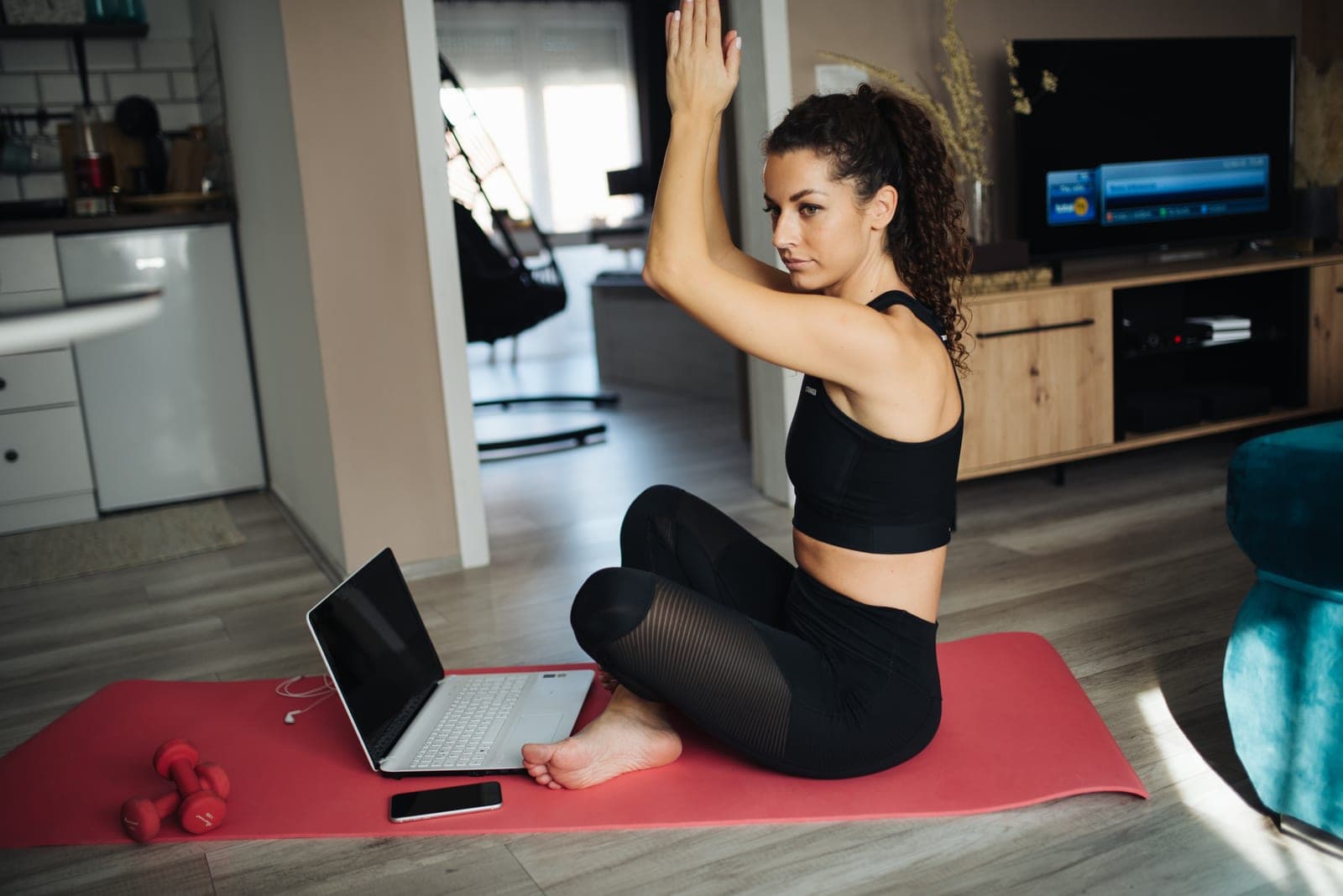
Yoga
A mind-body practice that links postures, breathing and focus to build flexibility, strength and calm.
Pilates
A low-impact mind-body method that builds core strength, control and posture through precise, controlled movement.
Fitness
Strength and general fitness training — the foundation that supports every other sport.
Related training plans
Beginner Full-Body Week
A general example of a simple full-body week that spreads a push, a pull, a lower-body movement and some core evenly across three unhurried sessions.
Walk-to-Jog Plan
A gentle example of easing from walking into jogging by gradually mixing short, easy jogs into regular walks over several weeks.
Beginner Strength Week
A general example week for someone learning the basic strength movements, built around a few short, technique-focused sessions with plenty of rest.
Explore across the knowledge base
Follow the threads that connect Mobility Routine Week to the rest of SocialSportHub.
Recovery
- Gentle mobilityGentle mobility work means moving your joints smoothly through a comfortable range to help you feel loose and move well.
- Gentle stretchingGentle stretching means easing into comfortable stretches and holding them in a relaxed way to help you feel less stiff.
- Easy daysEasy days are deliberately gentle training days that keep the effort low so harder sessions can stay hard.
- Staying hydratedStaying hydrated is the simple everyday habit of drinking water regularly so you feel comfortable and ready to be active.
- Active recoveryActive recovery means very easy, gentle movement on lighter days to keep the body moving without adding hard training stress.
Practice & sessions
Goals
- Improve mobilityMove your joints more freely and comfortably through their natural range with regular, gentle practice.
- Build confidenceUse sport and steady progress to feel more capable, comfortable and self-assured over time.
- Sports for beginnersHow to start playing sport from scratch — choosing a first activity and building up gently.
- DisciplineBuild consistency, focus and self-discipline through the routines that sport and training encourage.
- Improve fitnessBuild well-rounded fitness — stamina, strength and more — through regular, varied activity you can keep up.
Training methods
- Mobility TrainingMobility training works on moving your joints actively through their full range, combining control and flexibility so movement feels free and easy.
- Flexibility TrainingFlexibility training uses stretching to gradually improve how far your muscles and joints can comfortably lengthen and move.
- Endurance Base TrainingEndurance base training is an extended phase of mostly easy, steady aerobic work that lays the aerobic foundation the rest of a training plan builds on.
- FartlekFartlek — Swedish for 'speed play' — mixes faster and easier efforts freely and by feel within one continuous session, blending steady and interval work.
- Active Recovery SessionsActive recovery sessions are deliberately easy bouts of gentle movement — an easy walk, spin or swim — used on lighter days to keep moving without adding hard work.
Training guides
- How to warm upA short, gentle warm-up gradually raises your body temperature and prepares your muscles and joints for the activity ahead.
- Understanding rest and recoveryRest and recovery are the everyday habits — sleep, rest days and gentle movement — that let the benefits of training take hold between sessions.
- How to build a weekly routineBuilding a weekly routine means loosely planning your training across the week so effort and rest are spread out in a way you can sustain.
- How to cool downA cool-down is a few easy minutes at the end of a session that let your effort taper off gradually before you stop.
- Choosing the right intensityChoosing the right intensity is about matching how hard a session feels to its purpose, so most training stays comfortable and sustainable.