
Yoga mat
A thin, cushioned non-slip mat used for floor-based exercise and stretching.

Overview
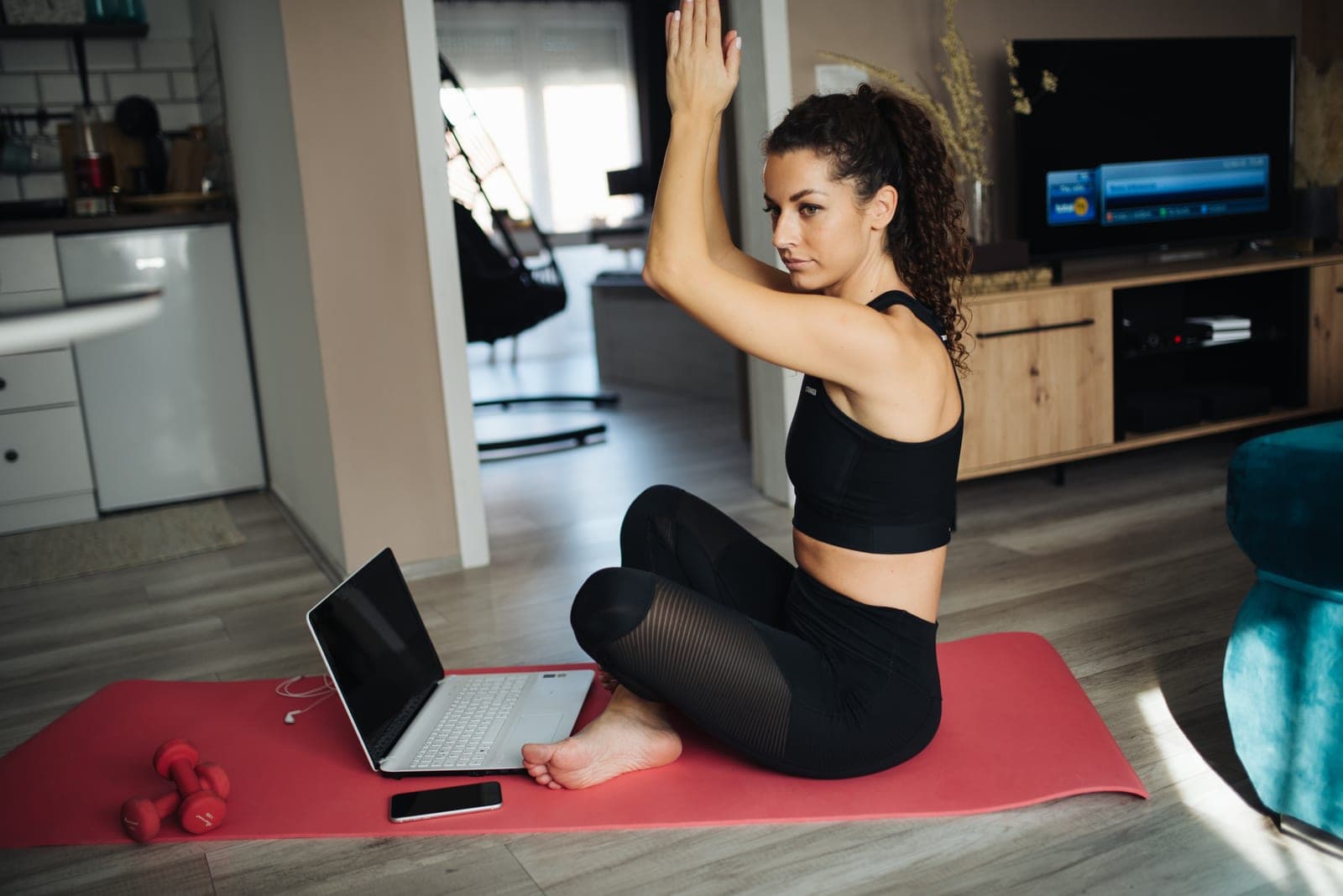
A yoga mat is a thin, cushioned mat with a textured, non-slip surface. It marks out a personal space on the floor, provides grip for hands and feet, and adds a little padding between the body and a hard surface.
The same style of mat is used across mat-based practices, giving a stable, comfortable base for poses, stretches and floor exercises.
Good to know
- The non-slip surface gives grip for hands and feet.
- Thin padding cushions the body on hard floors.
- Rolls up for easy carrying and storage.
Where it’s used
Sports that use yoga mat:
Yoga
A mind-body practice that links postures, breathing and focus to build flexibility, strength and calm.
Pilates
A low-impact mind-body method that builds core strength, control and posture through precise, controlled movement.
Barre
A low-impact mind-body workout blending ballet-inspired moves with elements of pilates and yoga for strength and control.
How it connects
The meaning-bearing relationships that place Yoga mat in the wider knowledge graph — each one with the reason it exists.
Frequently learned together
Taught side by side in the same stage of a learning path.
Explore across the knowledge base
Follow the threads that connect Yoga mat to the rest of SocialSportHub.
Playing surfaces
- MatA cushioned, padded mat surface for grappling, striking and floor work — it absorbs falls and throws and grips underfoot, cushioning grappling, throws and floor work.
- WoodAn indoor sprung timber or parquet floor — grippy, consistent and lightly cushioned; the classic surface for indoor court sports.
Learning paths
Exercises
- Glute bridgeA floor exercise where you lift your hips by squeezing your glutes with your feet planted.
- Push-upA classic upper-body pushing exercise where you lower and press your body up from the floor.
- Pike push-upA push-up variation with hips high that shifts the emphasis onto the shoulders.
- PlankA core-holding exercise where you keep your body in a straight line supported on forearms and toes.
- Side plankA core hold on one forearm and the side of the foot that targets the muscles along your side.
Training methods
- Mobility TrainingMobility training works on moving your joints actively through their full range, combining control and flexibility so movement feels free and easy.
- Flexibility TrainingFlexibility training uses stretching to gradually improve how far your muscles and joints can comfortably lengthen and move.
Go deeper with Yoga mat
Everywhere else on the platform that covers Yoga mat — assembled from what actually references it, so nothing here is a dead end.
Learn it
Structured courses and paths on the platform that cover this directly.
Take it away
Open data and the whole-platform view of this subject.
How this page is maintained
- Content type
- Equipment
- Provenance
- Tier A — evergreen educational
- Verified external sources
- 0
- Content updated
- 2026-09-12
Evergreen, first-party explanation — it makes no claim that needs an external source. How we handle sources and reviews.