
Plank
A core-holding exercise where you keep your body in a straight line supported on forearms and toes.
Overview
The plank is an isometric core exercise, meaning you hold a still position rather than move through repetitions. Supported on your forearms and toes, you keep your body in a straight line from head to heels while the core braces to stop the hips from sagging or lifting.
It needs no equipment and is a staple for building core endurance. The hold can be shortened or lengthened to match your level, and dropping to the knees offers an easier starting point.
The movement
- 1Set your forearms on the floor with elbows under your shoulders.
- 2Extend your legs back and rise onto your toes.
- 3Brace your core so your body forms a straight line.
- 4Hold the position for a set time, breathing steadily.
Beginner notes
- Dropping to the knees offers an easier starting version.
- The hips stay level, neither sagging down nor piking up.
- Timing the hold is a simple way to track progress.
A note on training information
Where it’s used
Sports this relates to:
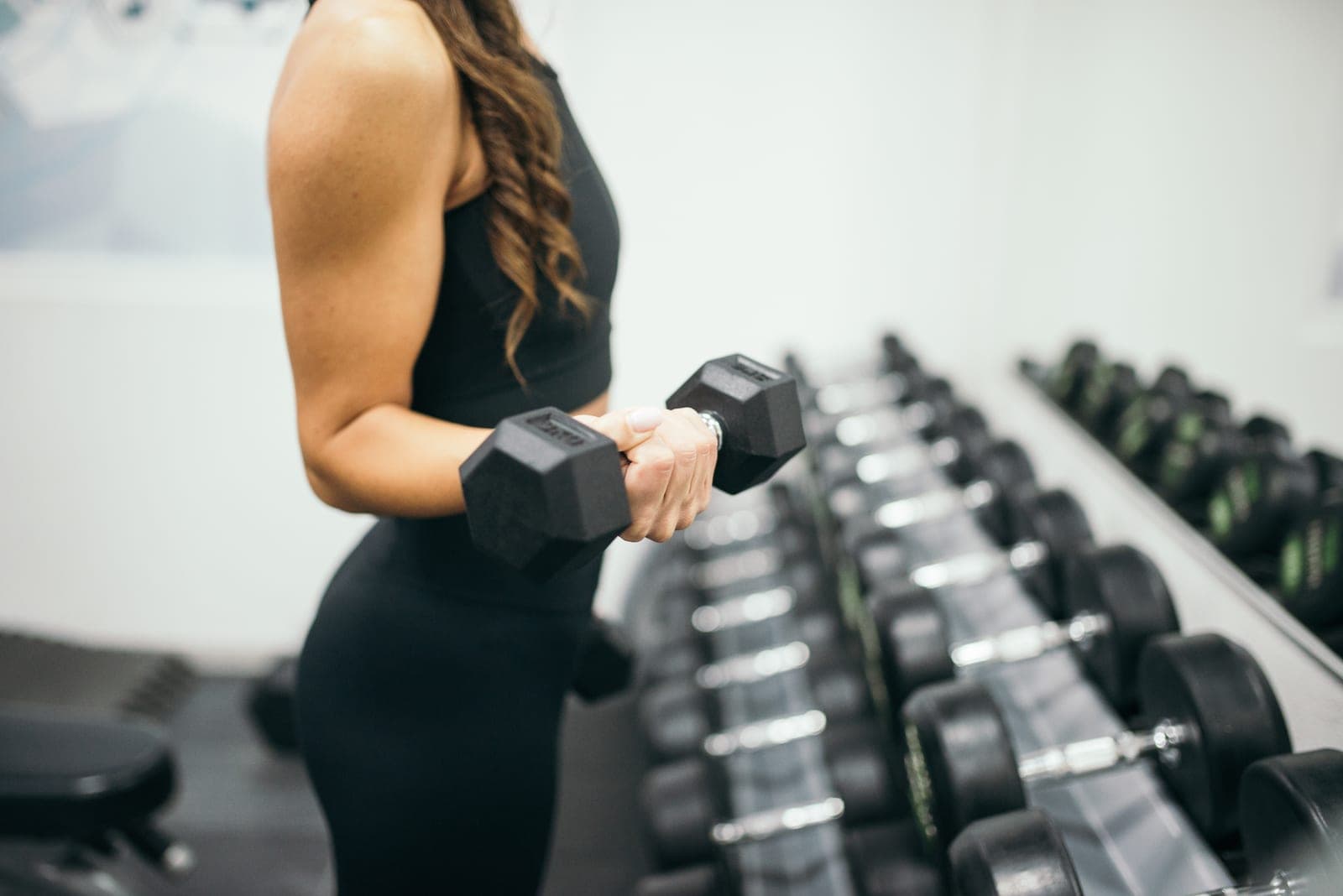
Fitness
Strength and general fitness training — the foundation that supports every other sport.
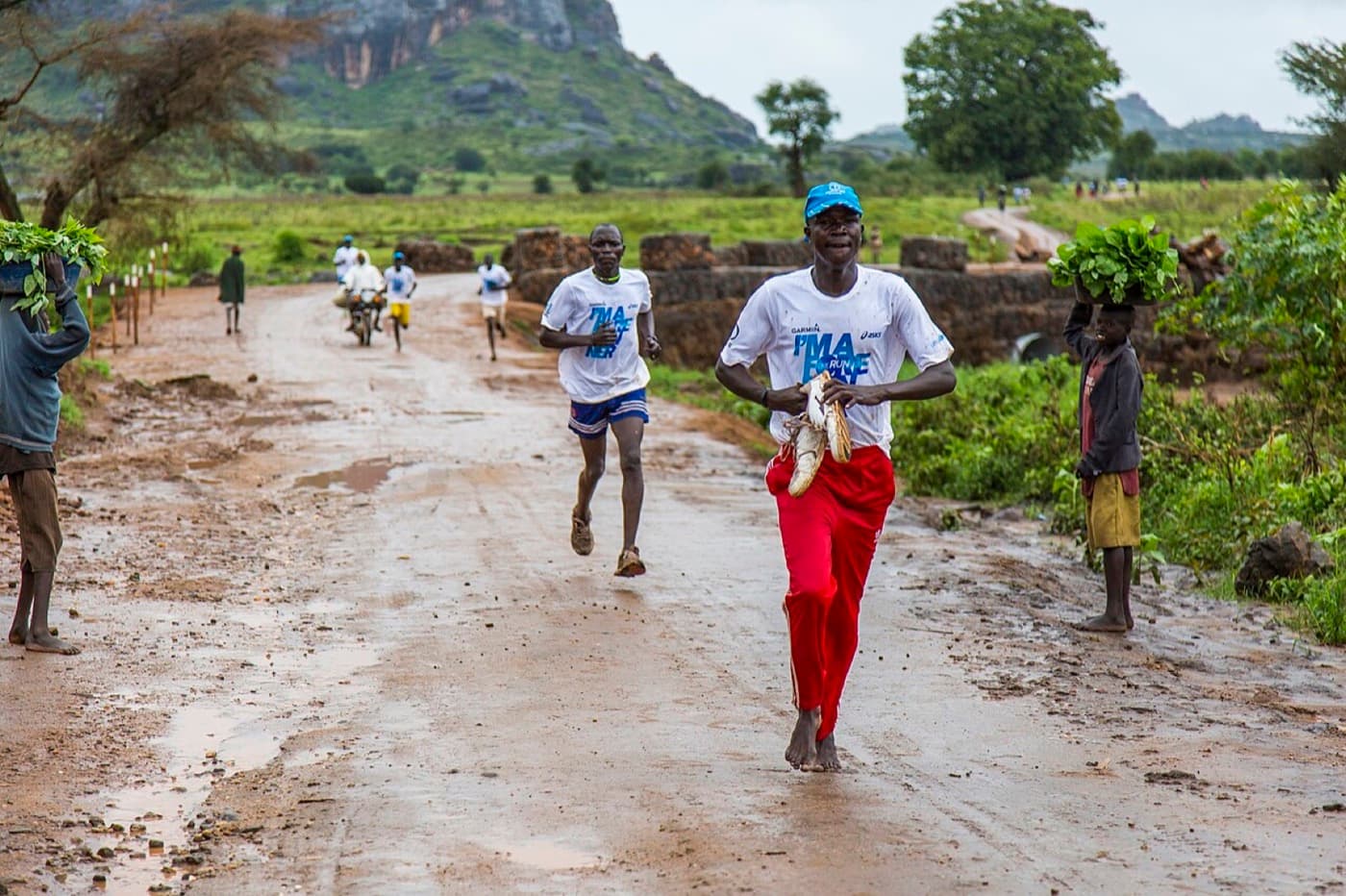
Running
The most accessible endurance sport — no venue, just shoes and the open road or trail.
Functional Fitness
Varied, whole-body training built around everyday movement patterns like squatting, lifting and carrying.
Related exercises
Squat
A foundational lower-body movement where you bend at the hips and knees to lower down and stand back up.
Goblet squat
A squat variation where you hold a single weight close to your chest for balance and control.
Jump squat
An explosive squat variation where you spring off the floor at the top of the movement.
Explore across the knowledge base
Follow the threads that connect Plank to the rest of SocialSportHub.
Movement patterns
- GlideGlide is continuous, low-resistance locomotion in which the body holds a streamlined shape so that momentum generated by a preceding propulsive action carries it smoothly across a surface or through a medium.
- PivotA rotation of the body about one planted foot, reorienting the trunk and hips around a vertical axis without travelling to a new location.
- SlideA slide is a controlled, low-friction skid of the body or foot along a surface, used to brake, extend reach, or hold a line, where managed friction and a lowered centre of gravity govern the movement.
Go deeper with Plank
Everywhere else on the platform that covers Plank — assembled from what actually references it, so nothing here is a dead end.
Take it away
Open data and the whole-platform view of this subject.
How this page is maintained
- Content type
- Exercise
- Provenance
- Tier A — evergreen educational
- Verified external sources
- 0
- Content updated
- 2026-07-06
Evergreen, first-party explanation — it makes no claim that needs an external source. How we handle sources and reviews.