
Squat
A knee-dominant pattern: bending the hips, knees and ankles to lower and rise while keeping the torso upright — the foundation of lower-body strength.
Overview
The squat is the archetypal knee-dominant movement pattern. From a standing position, the ankles, knees and hips flex together to lower the body — the hips travel down and slightly back while the shins incline forward and the torso stays relatively upright — and then the same joints extend to return to standing. Because the knees drive the movement and the torso remains more vertical than in a hinge, the quadriceps take a leading role alongside the glutes and hamstrings, with the calves and trunk working to keep the whole body balanced over the feet.
As the foundation of lower-body strength, the squat pattern underpins everything from sitting down and standing up to jumping, landing, sprinting out of a crouch and holding a low athletic stance. It can be loaded on two legs or one, held as an isometric, or expressed explosively as a jump, and it appears across sport wherever an athlete lowers their centre of mass and drives back up. Training the pattern builds strength and power through the legs and hips, and calls on enough hip and ankle mobility to reach depth while keeping the torso upright.
What defines it
- Knee-dominant: the knees flex and extend through a large range while the torso stays relatively upright, distinguishing the squat from the hip-dominant hinge.
- Triple flexion and extension: the ankles, knees and hips bend together to lower the body and extend together to return to standing.
- Quad-led but a whole-leg action: the quadriceps drive knee extension while the glutes and hamstrings extend the hips and the trunk braces to keep the chest up.
- Scales from bodyweight to heavily loaded and from two legs to one — squats, goblet squats, split squats, step-ups and wall sits are all expressions of the same pattern.
- Central to jumping and low athletic stances: lowering the centre of mass and driving back up is the squat pattern behind vertical jumps, sprint starts and defensive positions.
Athletic movements built on it
Cross-sport movements that use this pattern as a base.
A note on this information
Exercises that train the squat
Movements built on this pattern — educational examples, not a prescription.
Squat
A foundational lower-body movement where you bend at the hips and knees to lower down and stand back up.
Goblet squat
A squat variation where you hold a single weight close to your chest for balance and control.
Jump squat
An explosive squat variation where you spring off the floor at the top of the movement.
Wall sit
A holding exercise where you sit against a wall with no chair, holding a squat position still.
Lunge
A single-leg movement where you step forward and bend both knees to lower your body.
Bulgarian split squat
A single-leg squat where the back foot is raised on a bench behind you.
Step-up
A movement where you step up onto a raised platform one leg at a time and step back down.
Sports techniques that use it
How the movement shows up in the specific techniques of a sport.
Bodyweight Squat
A foundational lower-body exercise that lowers the hips by bending the knees and hips, then stands back up, using only body weight.
Sprint Start
The explosive start of a sprint from a set, crouched position, driving forward low before gradually rising to full stride.
Jump Shot
A basketball shot released at the top of a vertical jump, letting the shooter get the ball over a defender with a soft, arcing release.
Volleyball Spike
A powerful attacking hit that drives the ball sharply downward over the net into the opponent's court, usually after an approach and jump.
Sports that rely on it
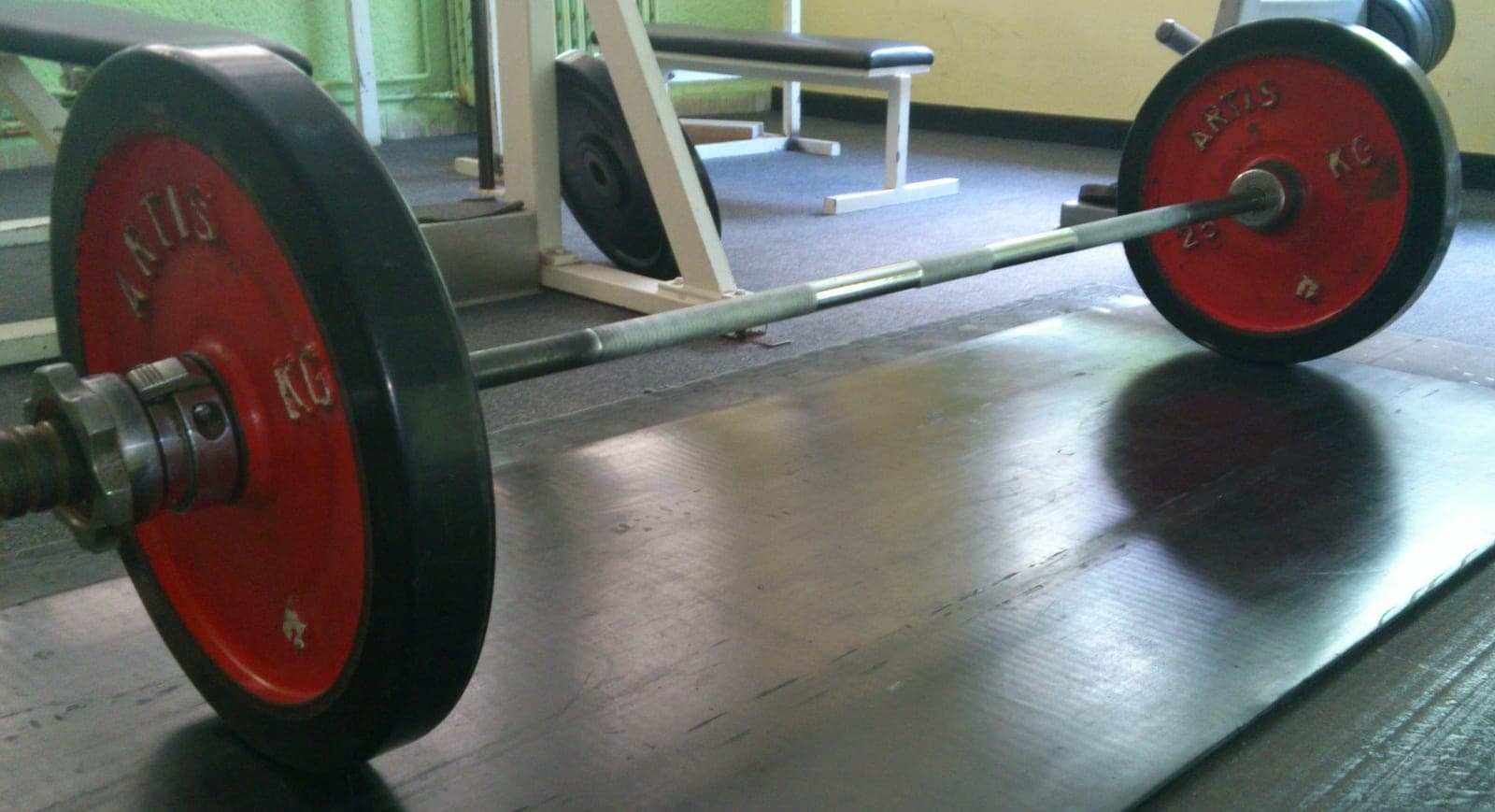
Weightlifting
A technical strength sport built around lifting a loaded barbell overhead with speed and control.
Powerlifting
A strength sport focused on lifting the heaviest weight you can across the squat, bench press and deadlift.
Bodybuilding
Resistance training focused on building muscle size, symmetry and definition through consistent effort.
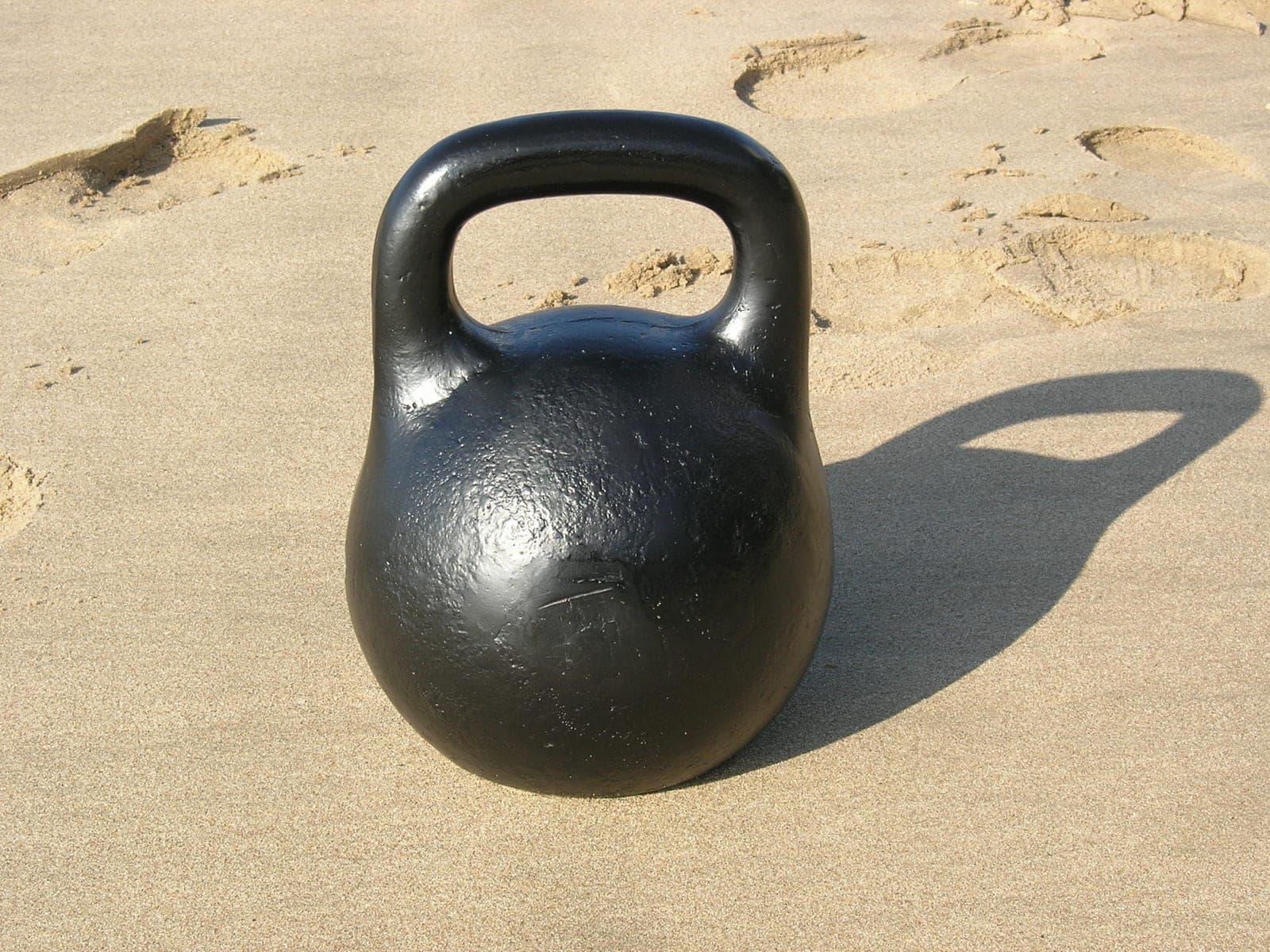
Functional Fitness
Varied, whole-body training built around everyday movement patterns like squatting, lifting and carrying.
Calisthenics
Bodyweight strength training — push-ups, pull-ups, dips and progressions you can do almost anywhere.
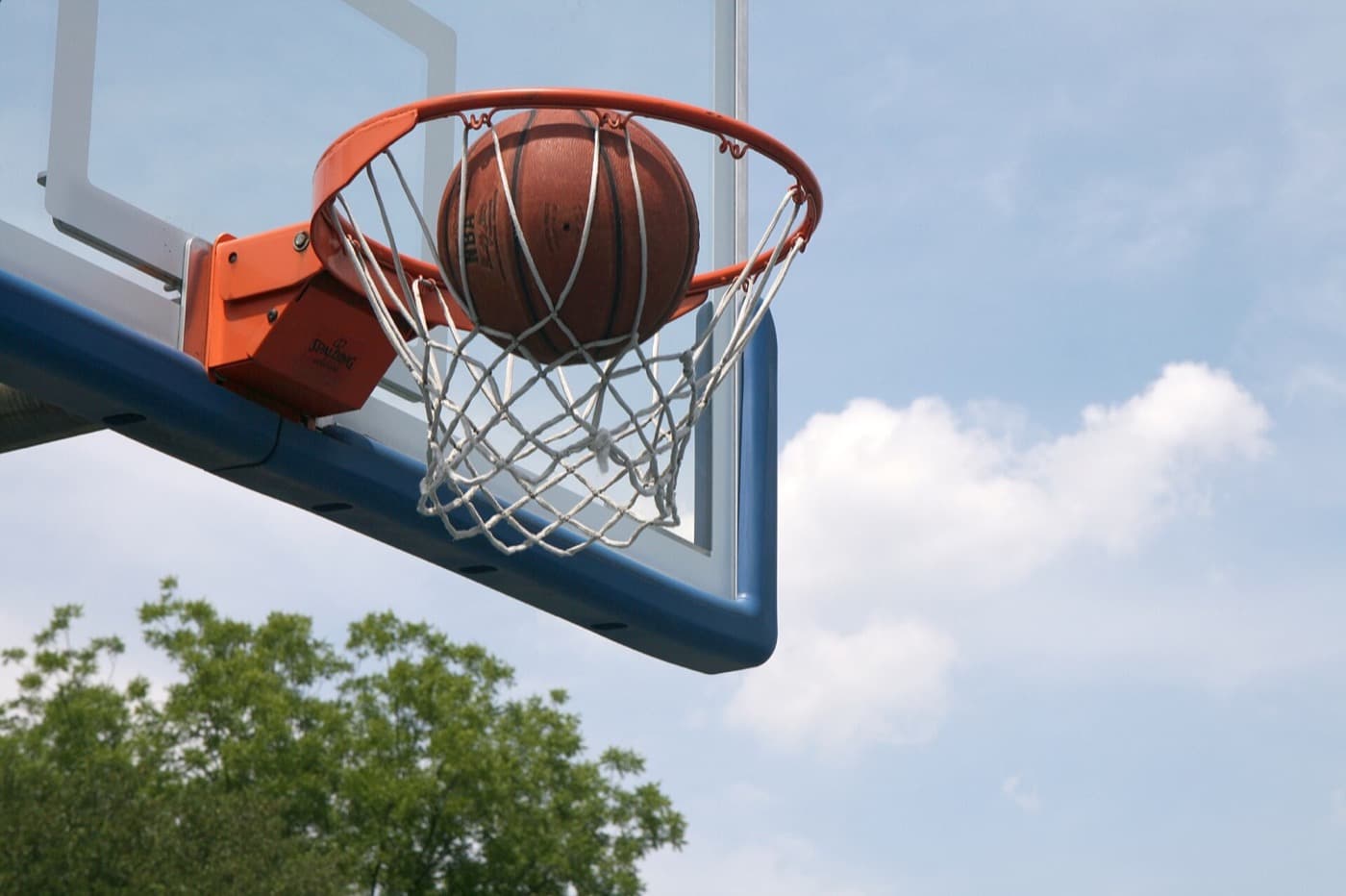
Basketball
A fast, dynamic team sport of running, jumping and quick decisions on court.
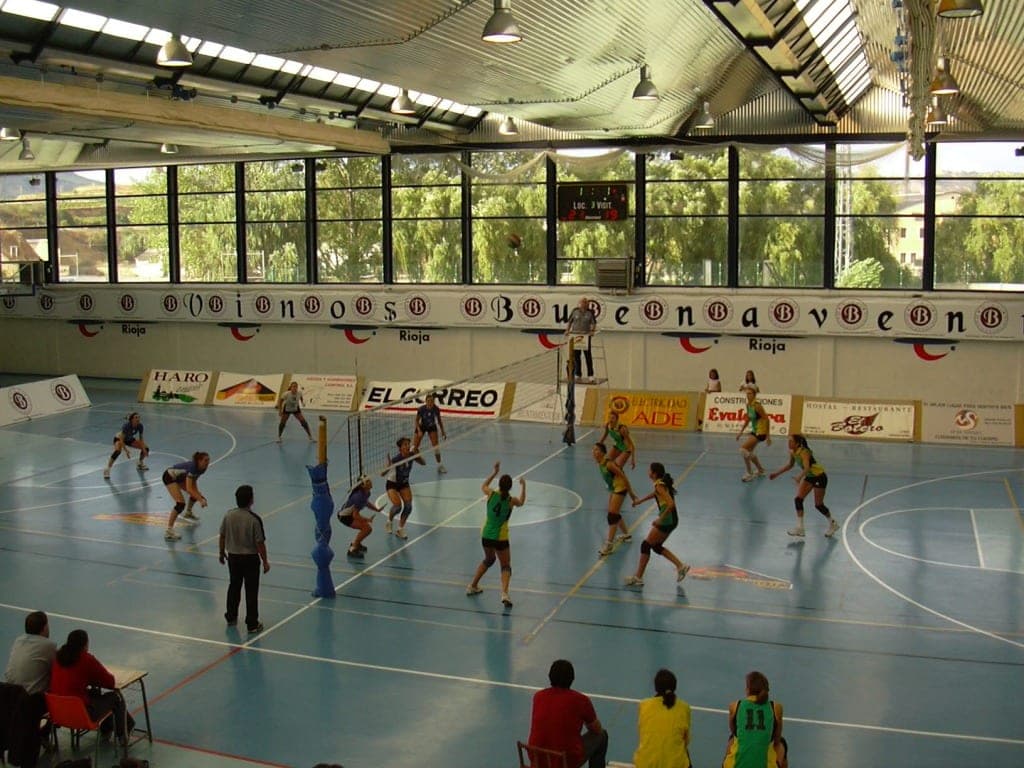
Volleyball
A non-contact team sport of rallies, jumps and teamwork — indoors or on the beach.
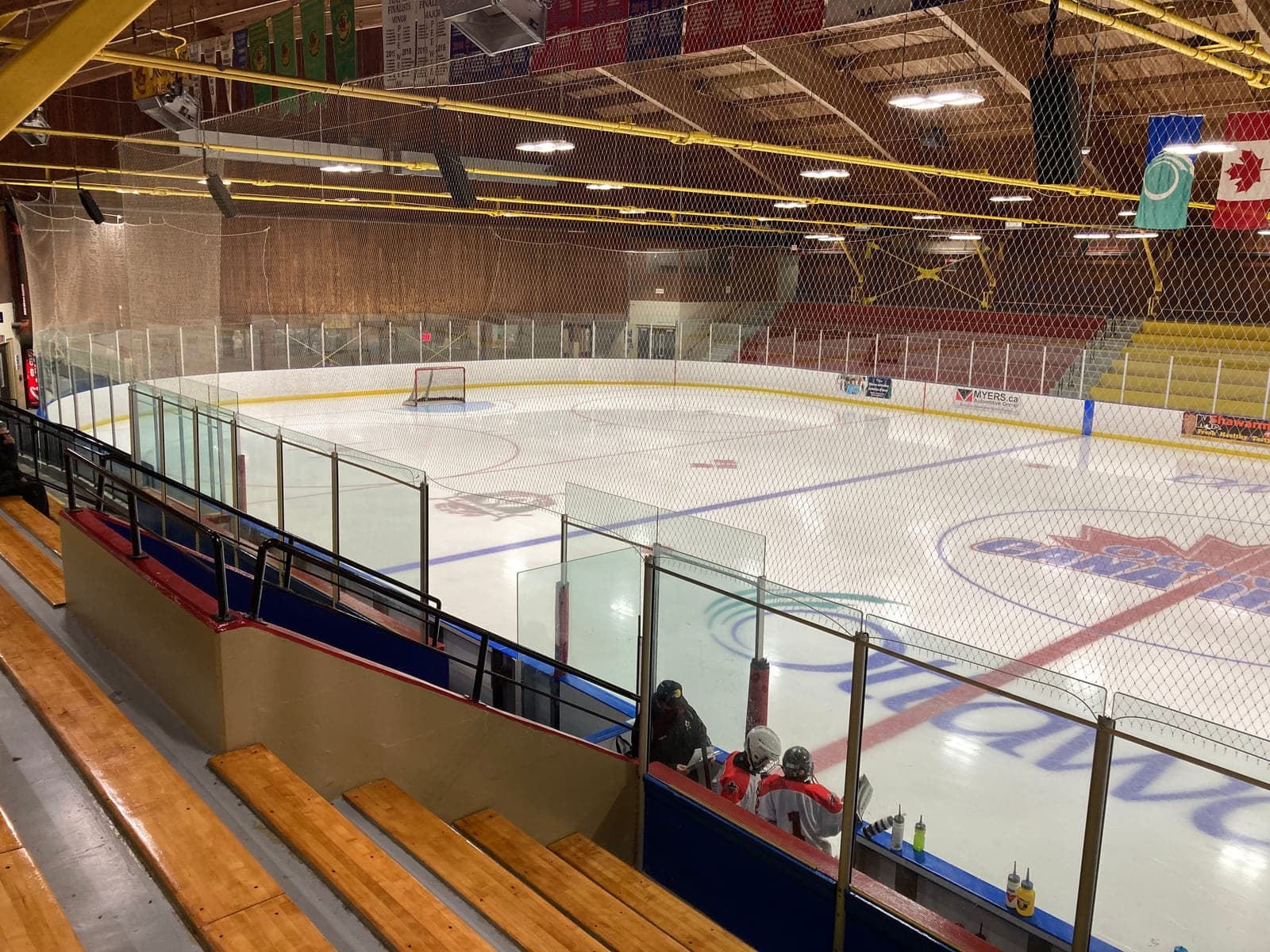
Ice Hockey
A fast team sport on ice that combines skating skill with quick passing and goal-scoring.
Speed Skating
A racing sport on long-bladed skates, powering around an ice oval or tight indoor track with long, rhythmic strides.
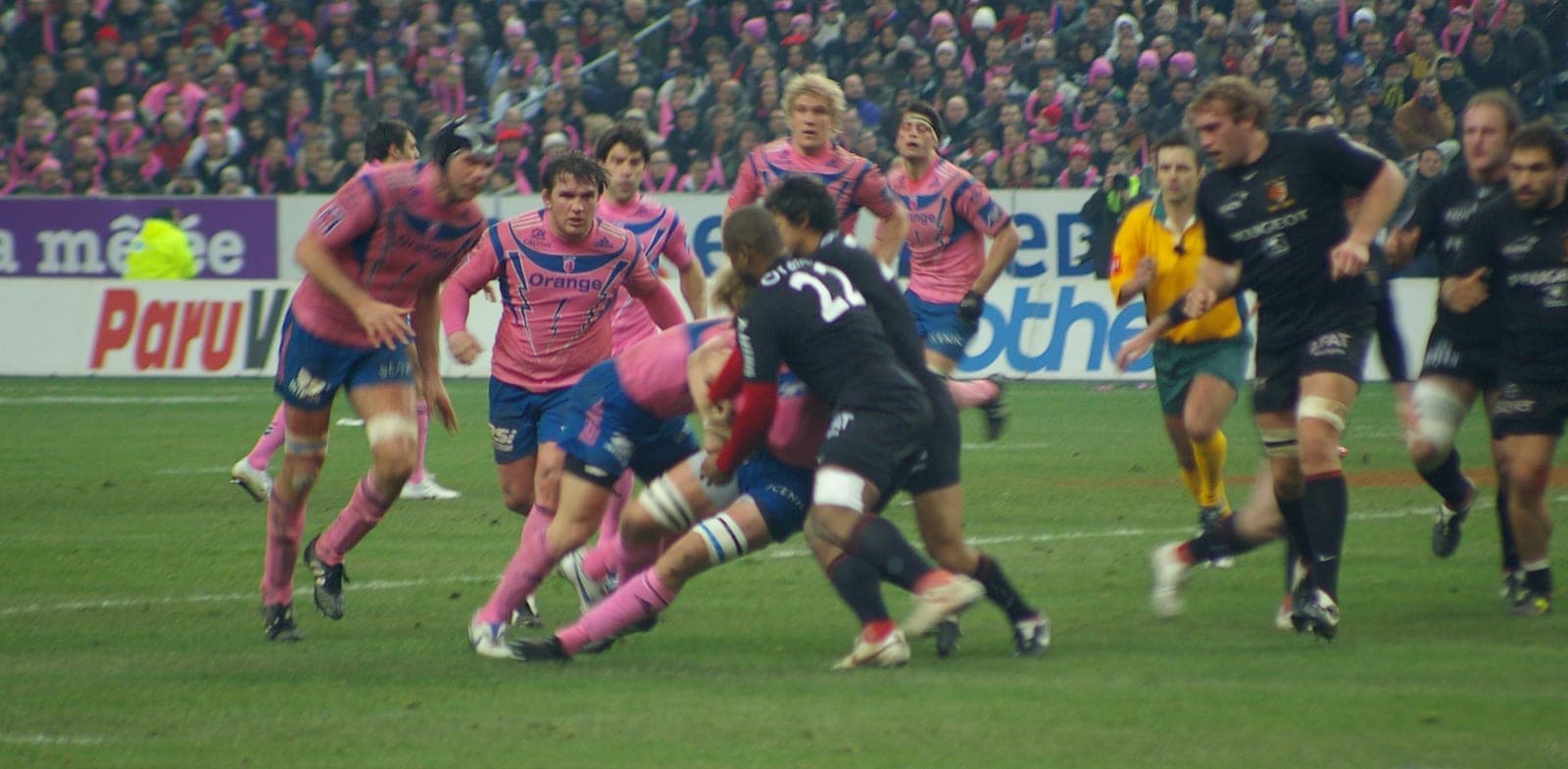
Rugby
A physical team sport of carrying, passing and kicking an oval ball toward the opposing line.
Compare squat with…
Movements it is often confused with — see exactly how they differ.
How it connects
The meaning-bearing relationships that place Squat in the wider knowledge graph — each one with the reason it exists.
Foundation of
These build directly on this one.
Commonly confused with
Close enough to be mixed up — the distinction is worth knowing.
Explore across the knowledge base
Follow the threads that connect Squat to the rest of SocialSportHub.
Movement comparisons
- Hinge vs SquatHinge vs Squat: how these two movements differ, what they share, and how to tell them apart — from mechanics to the sports that use them.
- Landing vs SquatLanding vs Squat: how these two movements differ, what they share, and how to tell them apart — from mechanics to the sports that use them.
- Lunge vs SquatLunge vs Squat: how these two movements differ, what they share, and how to tell them apart — from mechanics to the sports that use them.
- Hinge vs LungeHinge vs Lunge: how these two movements differ, what they share, and how to tell them apart — from mechanics to the sports that use them.
- Crossover Step vs LungeCrossover Step vs Lunge: how these two movements differ, what they share, and how to tell them apart — from mechanics to the sports that use them.
Barriers
- Sitting all dayWhen work keeps you at a desk, the priority is breaking up long sitting and adding movement around the working day.
- Always travellingWhen you are often away from home, sport has to travel with you — bodyweight options, hotel-room routines and activity that needs no local club.
- Worried about costWhen money is tight, free and low-cost activity — walking, running, bodyweight training — proves that sport does not have to be expensive.
Experience levels
Sports science
- Range of motionHow far a joint can travel through its movement — the arc available at a joint, and the foundation of flexibility and mobility.
- The overload principleThe idea that the body adapts to demands greater than it is used to — the foundation of why training works.
- Motor controlHow the brain and nervous system organise the muscles to produce coordinated, controlled movement.
Practice & sessions
Go deeper with Squat
Everywhere else on the platform that covers Squat — assembled from what actually references it, so nothing here is a dead end.
Take it away
Open data and the whole-platform view of this subject.
How this page is maintained
- Content type
- Movement pattern
- Provenance
- Tier A — evergreen educational
- Verified external sources
- 0
- Content updated
- 2026-07-13
Evergreen, first-party explanation — it makes no claim that needs an external source. How we handle sources and reviews.