
Bodybuilding
Train for muscle, shape and definition
Overview
Bodybuilding is a form of resistance training aimed at developing muscle size, balance and definition. Sessions typically work specific muscle groups with a mix of free weights, machines and cables, combining steady effort with attention to technique and recovery.
Alongside training, bodybuilding places real emphasis on consistency, sleep and balanced nutrition, since muscle is built gradually over time. It is highly adaptable, from a general muscle-building routine to more structured, competition-style preparation, and it scales to almost any starting point.
Why bodybuilding is good for your health
- Builds muscular strength and supports healthy bones
- Improves body composition alongside balanced nutrition
- Enhances posture and everyday functional movement
- Encourages consistent habits around training and recovery
Physical qualities you’ll build
Bodybuilding is especially good for developing these qualities:
The social side
- Gyms and studios are welcoming spaces to build a routine
- Training partners add motivation, feedback and accountability
- A large community shares tips and encouragement for steady progress
How to start as a beginner
- 1Learn good form on the main movements before chasing heavier weights
- 2Start with a simple, balanced routine covering the whole body
- 3Progress gradually and allow muscles time to recover between sessions
- 4Support training with balanced nutrition and enough sleep
Equipment you’ll need
- Access to a gym or a set of weightsEssential
- Comfortable training clothesEssential
- Supportive trainersEssential
- A water bottleOptional
- A training log or app to track progressOptional
Where to play
Bodybuilding is typically played at:
Explore clubs and venues to understand the different places you can play, or see how to find people to play with.
Playing Bodybuilding
The equipment, rules, skills and more that make up the game — each cross-linked into the encyclopedia.
Training for Bodybuilding
Exercises, methods and example plans that help build what Bodybuilding needs — educational, not personalised prescriptions.
Related sports to explore
If you enjoy Bodybuilding, you might also like these.
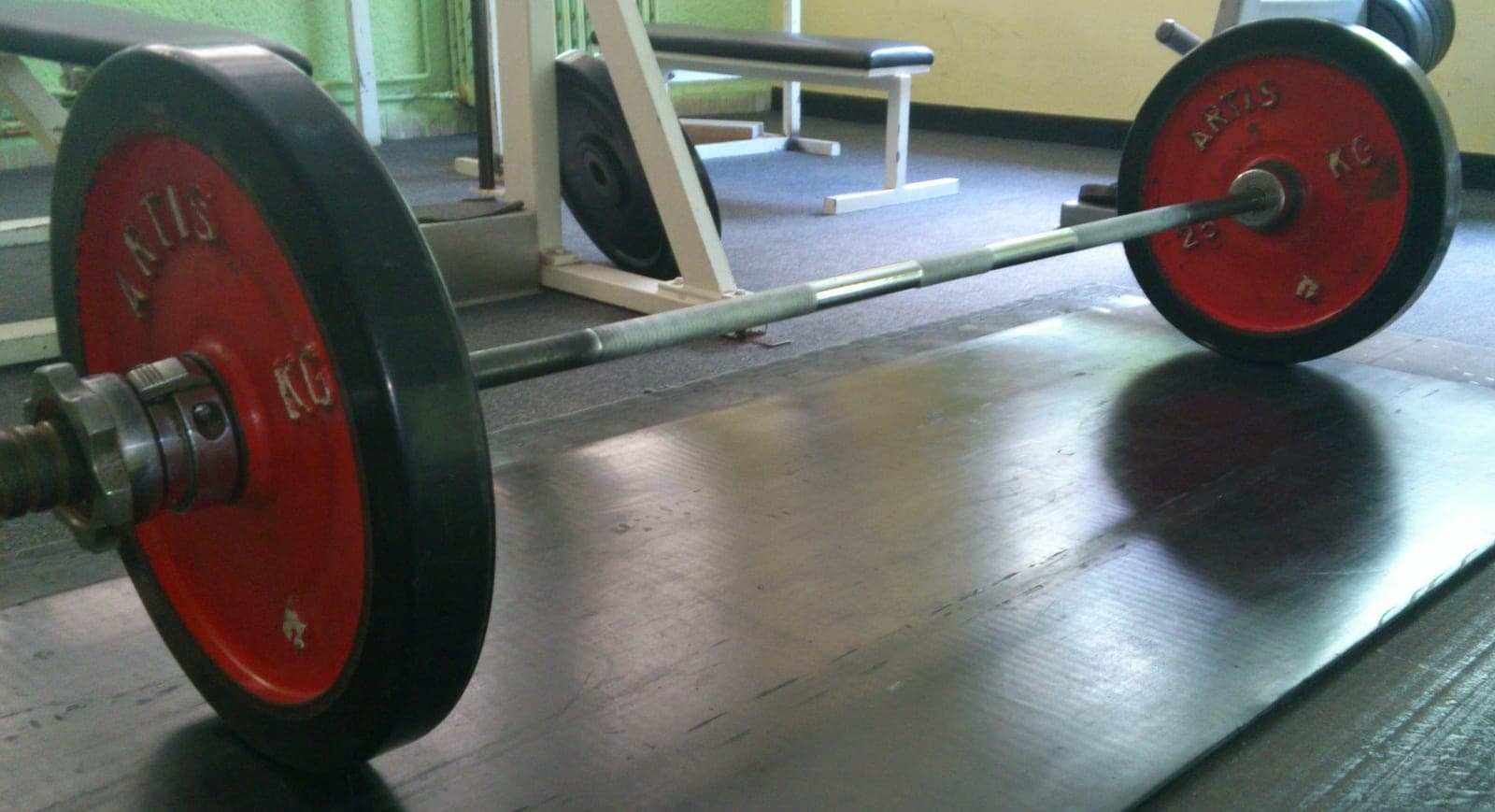
Weightlifting
A technical strength sport built around lifting a loaded barbell overhead with speed and control.
Powerlifting
A strength sport focused on lifting the heaviest weight you can across the squat, bench press and deadlift.
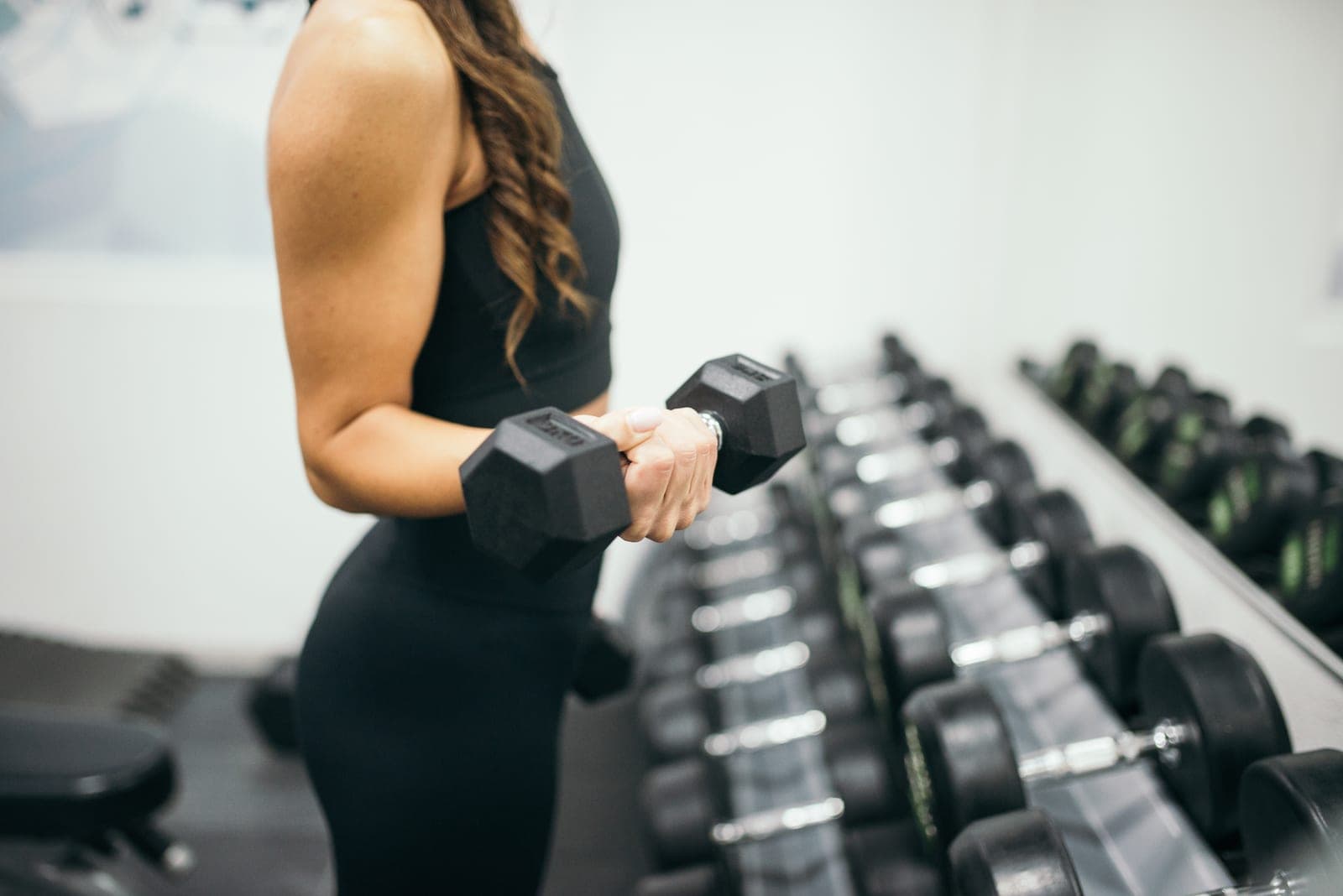
Fitness
Strength and general fitness training — the foundation that supports every other sport.
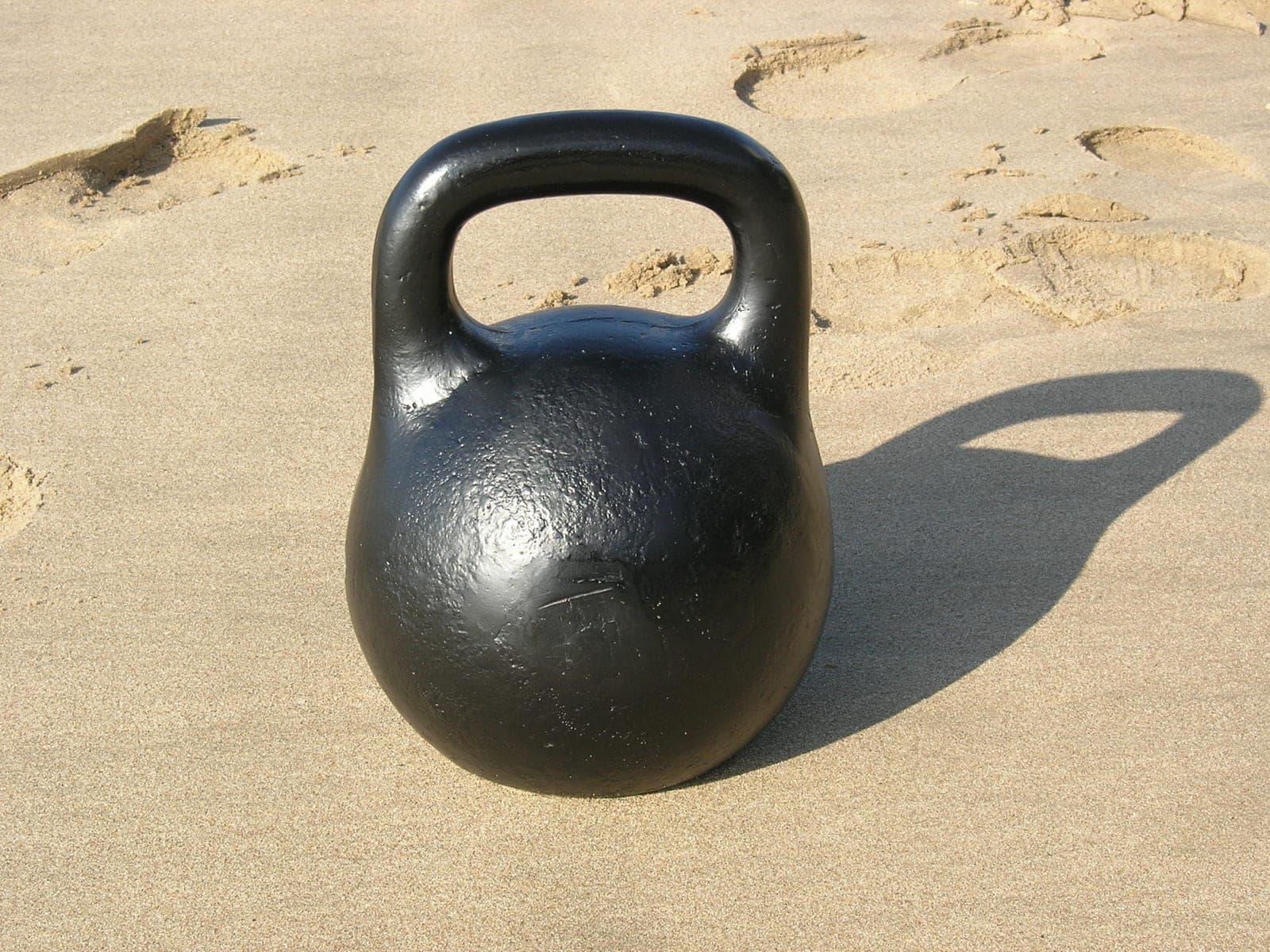
Functional Fitness
Varied, whole-body training built around everyday movement patterns like squatting, lifting and carrying.
Compare Bodybuilding with…
Deciding between Bodybuilding and something similar? See how they line up side by side.
Bodybuilding vs Fitness
How they compare on difficulty, intensity, kit and what suits you.
Bodybuilding vs Functional Fitness
How they compare on difficulty, intensity, kit and what suits you.
Bodybuilding vs Powerlifting
How they compare on difficulty, intensity, kit and what suits you.
Bodybuilding vs Weightlifting
How they compare on difficulty, intensity, kit and what suits you.
Reach your goals with Bodybuilding
People take up Bodybuilding for all kinds of reasons. Here is what it can help you work towards.
Who & where Bodybuilding fits
Sport should fit your life. Here is who Bodybuilding suits and when it works.
How it connects
The meaning-bearing relationships that place Bodybuilding in the wider knowledge graph — each one with the reason it exists.
Alternative to
Comparable enough that people choose between them.
- FitnessBodybuilding and Fitness are close enough that the platform maintains a side-by-side comparison of them.
- Functional FitnessBodybuilding and Functional Fitness are close enough that the platform maintains a side-by-side comparison of them.
- PowerliftingBodybuilding and Powerlifting are close enough that the platform maintains a side-by-side comparison of them.
- WeightliftingBodybuilding and Weightlifting are close enough that the platform maintains a side-by-side comparison of them.
Helps achieve
A recognised route towards these goals.
Explore across the knowledge base
Follow the threads that connect Bodybuilding to the rest of SocialSportHub.
Glossary
- RepetitionA repetition, or rep, is a single complete performance of an exercise movement.
- RosterChiefly in North American sport, the official list of players on a team, subject to size limits and active or inactive designations.
- Threshold TrainingThreshold training is sustained work at or near the effort where lactate begins to accumulate faster than the body can clear it, done to raise that ceiling.
- AmateurAn athlete or competition category defined by taking part without payment, as distinct from professional sport.
- Interval trainingInterval training alternates short bursts of harder effort with periods of easier recovery.
Recommendations
- Recommended for “Build muscle”Sports, qualities, a learning path and first steps for “Build muscle” — every suggestion a real graph link, shown with its reason.
- Recommended for “Teamwork”Sports, qualities, a learning path and first steps for “Teamwork” — every suggestion a real graph link, shown with its reason.
- Recommended for “Build confidence”Sports, qualities, a learning path and first steps for “Build confidence” — every suggestion a real graph link, shown with its reason.
- Recommended for “Build healthy habits”Sports, qualities, a learning path and first steps for “Build healthy habits” — every suggestion a real graph link, shown with its reason.
- Recommended for “Discipline”Sports, qualities, a learning path and first steps for “Discipline” — every suggestion a real graph link, shown with its reason.
Movement patterns
- SquatA knee-dominant pattern: bending the hips, knees and ankles to lower and rise while keeping the torso upright — the foundation of lower-body strength.
- PushPressing a load or the body away from the torso — horizontally or overhead — by extending the shoulders and elbows, developing the chest, shoulders and triceps.
- HingeA hip-dominant pattern: bend forward at the hips with a flat back, minimal knee bend, then drive the hips tall — powers pulling from the floor and jumping.
- GlideGlide is continuous, low-resistance locomotion in which the body holds a streamlined shape so that momentum generated by a preceding propulsive action carries it smoothly across a surface or through a medium.
Experience levels
Healthy living
- Sleep RoutineA steady rhythm of consistent timing and a calming wind-down that helps your body know when it is time to rest.
- Recovery walkingEasy, relaxed walking used as a way to recover — a low-effort way to keep moving on off days and after harder sessions.
- Recovery SleepThe role rest plays in helping your body recover, adapt and feel ready after training and active days.
Go deeper with Bodybuilding
Everywhere else on the platform that covers Bodybuilding — assembled from what actually references it, so nothing here is a dead end.
Compare it
Head-to-head studies against the entities people actually weigh it against.
Kit it out
Equipment guidance drawn from the graph, with no brands and no affiliate links.
Take it away
Open data and the whole-platform view of this subject.
How this page is maintained
- Content type
- Sport
- Provenance
- Tier A — evergreen educational
- Verified external sources
- 0
- Content updated
- 2026-07-06
Evergreen, first-party explanation — it makes no claim that needs an external source. How we handle sources and reviews.
Keep going
A sport is most rewarding alongside good habits, sensible nutrition and people to share it with. Here is where to go next.
How movement supports body and mind.
Eat well to feel and perform better.
Build routines that stick.
Ways to meet others and play together.
Where to play and what to expect.
Browse the full list by category.