
Bodyboarding
Catch waves lying down, feel the ocean

Overview
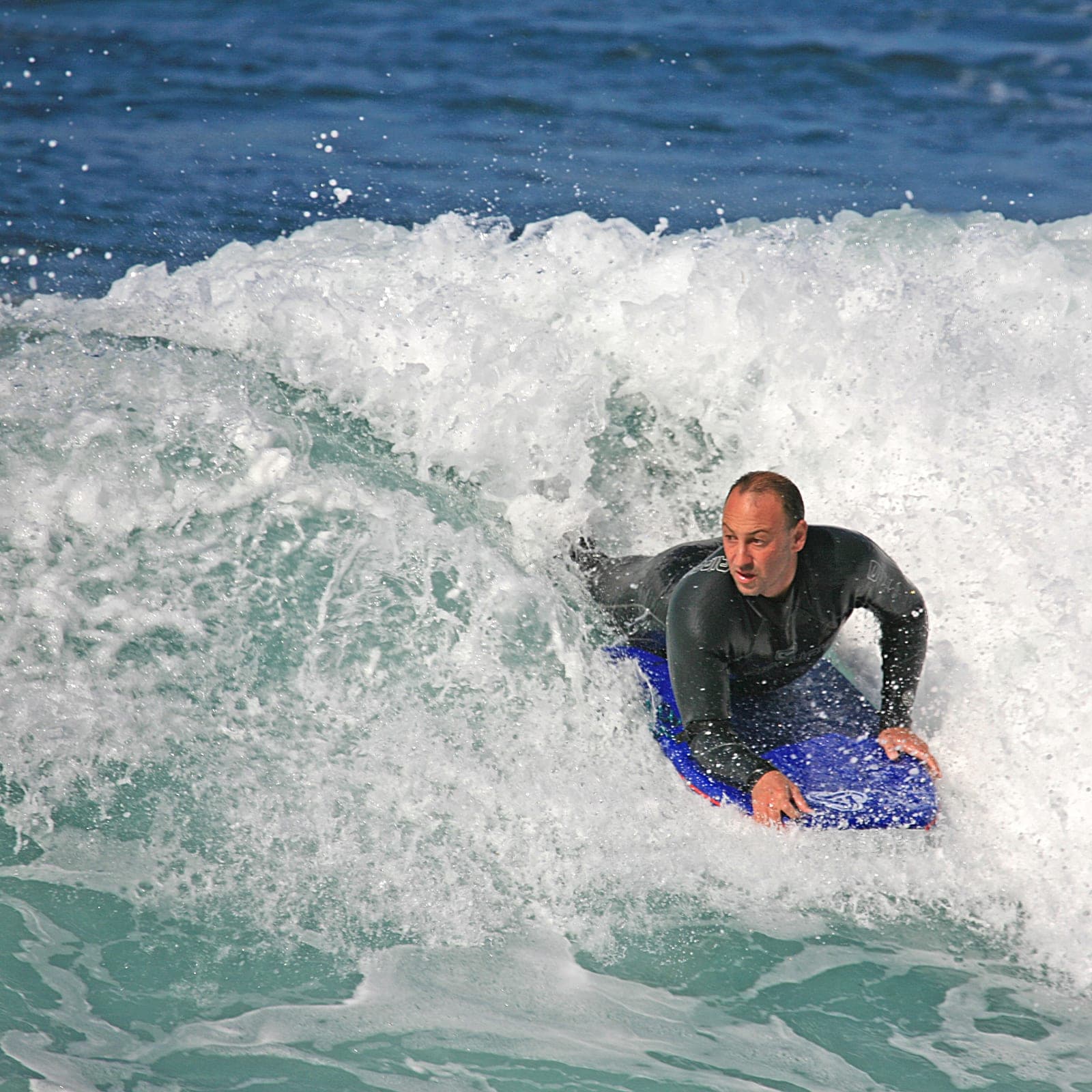
Bodyboarding involves riding breaking waves on a short, buoyant board, usually lying down or crouching, with swim fins to help catch the wave. Because you stay low and are not trying to stand, it is quicker to get going than stand-up surfing and a very fun way to start riding waves.
Beginners catch gentle whitewater waves close to shore and gradually work toward unbroken swell as their timing and wave-reading improve. It shares the ocean-reading skills of surfing while keeping the early learning curve friendly and approachable.
Why bodyboarding is good for your health
- Paddling and kicking build upper-body and leg strength
- Catching and riding waves supports cardiovascular fitness
- Balancing on the board develops core stability and control
- Time in the ocean can be energising and refreshing
The social side
- Beach line-ups and surf schools have a friendly, sociable feel
- Easy learning curve makes it welcoming for groups and families
- Sharing local knowledge of spots and conditions builds connection
How to start as a beginner
- 1Start in gentle whitewater waves close to shore
- 2Use swim fins to help you catch waves and stay in control
- 3Practise catching and riding straight before angling along the wave
- 4Choose lifeguarded beaches, learn to read conditions and respect safety guidance
Equipment you’ll need
- BodyboardEssentialA beginner-friendly board is often available to hire at surf beaches
- LeashEssentialKeeps the board attached to you in the water
- Swim finsOptionalHelp you catch waves and control the board
- WetsuitOptionalDepending on water temperature
Where to play
Bodyboarding is typically played at:
Explore clubs and venues to understand the different places you can play, or see how to find people to play with.
Related sports to explore
If you enjoy Bodyboarding, you might also like these.
Surfing
An ocean board sport of paddling into waves and riding them toward shore, balancing skill and reading the sea.
Wakeboarding
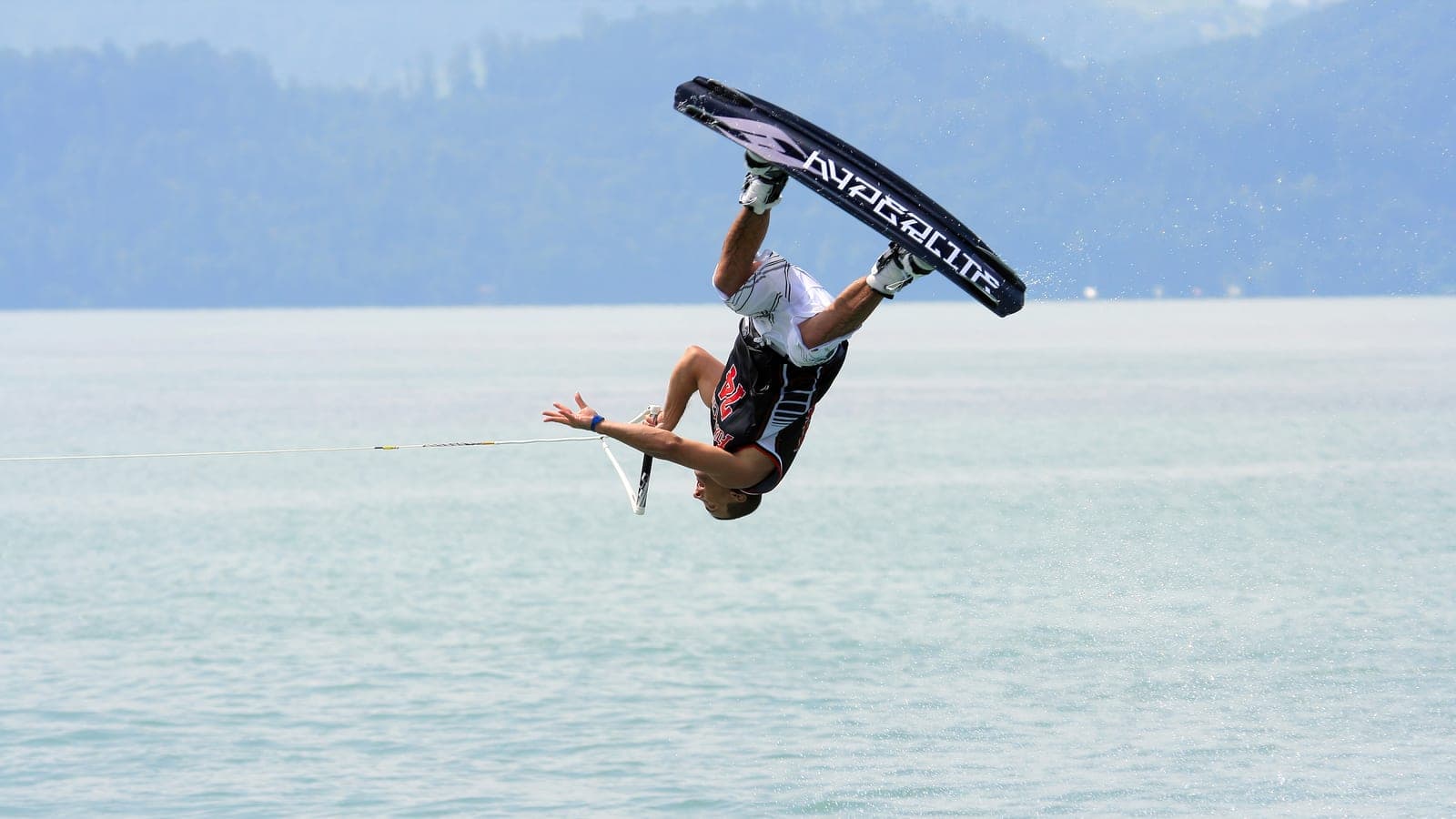
A towed board sport where a rider is pulled across the water behind a boat or cable, carving and jumping the wake.
Snorkeling
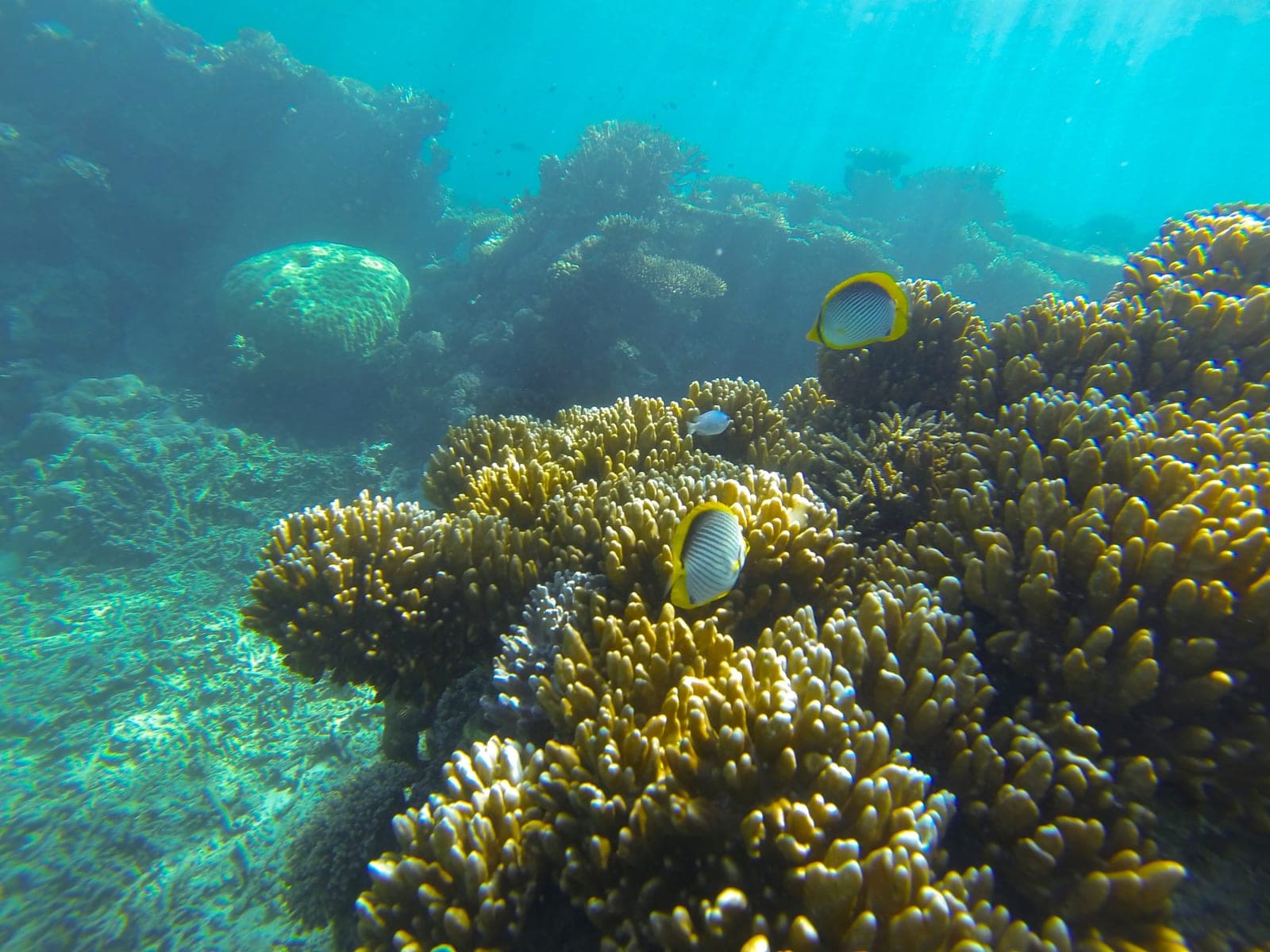
A relaxed way to observe underwater life while floating at the surface with a mask and breathing tube.
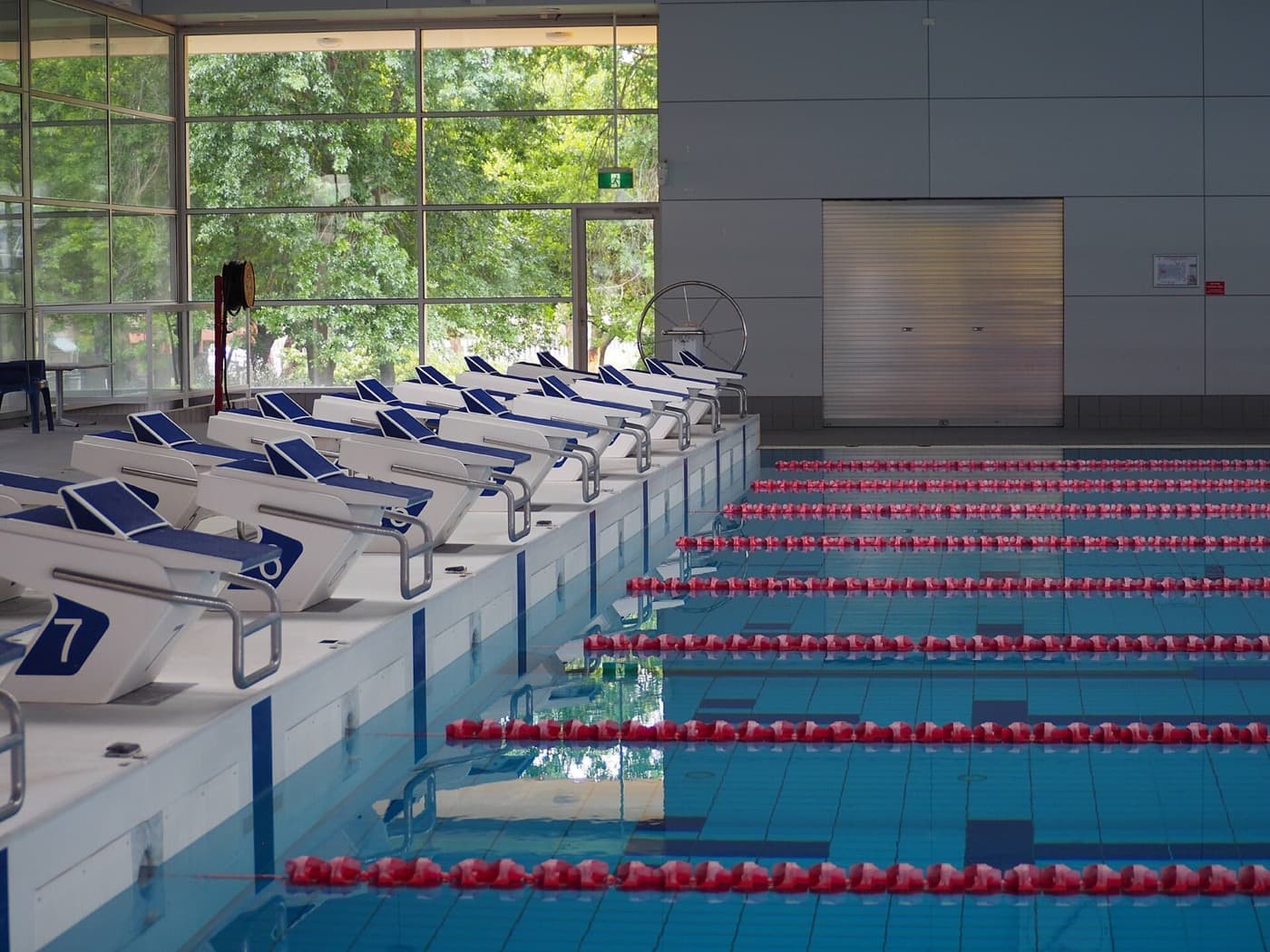
Swimming
A full-body, low-impact endurance sport suitable for almost every age and ability.
Compare Bodyboarding with…
Deciding between Bodyboarding and something similar? See how they line up side by side.
Bodyboarding vs Snorkeling
How they compare on difficulty, intensity, kit and what suits you.
Bodyboarding vs Surfing
How they compare on difficulty, intensity, kit and what suits you.
Bodyboarding vs Swimming
How they compare on difficulty, intensity, kit and what suits you.
Bodyboarding vs Wakeboarding
How they compare on difficulty, intensity, kit and what suits you.
How it connects
The meaning-bearing relationships that place Bodyboarding in the wider knowledge graph — each one with the reason it exists.
Alternative to
Comparable enough that people choose between them.
- SnorkelingBodyboarding and Snorkeling are close enough that the platform maintains a side-by-side comparison of them.
- SurfingBodyboarding and Surfing are close enough that the platform maintains a side-by-side comparison of them.
- SwimmingBodyboarding and Swimming are close enough that the platform maintains a side-by-side comparison of them.
- WakeboardingBodyboarding and Wakeboarding are close enough that the platform maintains a side-by-side comparison of them.
Explore across the knowledge base
Follow the threads that connect Bodyboarding to the rest of SocialSportHub.
Go deeper with Bodyboarding
Everywhere else on the platform that covers Bodyboarding — assembled from what actually references it, so nothing here is a dead end.
Compare it
Head-to-head studies against the entities people actually weigh it against.
Kit it out
Equipment guidance drawn from the graph, with no brands and no affiliate links.
Take it away
Open data and the whole-platform view of this subject.
How this page is maintained
- Content type
- Sport
- Provenance
- Tier A — evergreen educational
- Verified external sources
- 0
- Content updated
- 2026-07-06
Evergreen, first-party explanation — it makes no claim that needs an external source. How we handle sources and reviews.
Keep going
A sport is most rewarding alongside good habits, sensible nutrition and people to share it with. Here is where to go next.
How movement supports body and mind.
Eat well to feel and perform better.
Build routines that stick.
Ways to meet others and play together.
Where to play and what to expect.
Browse the full list by category.