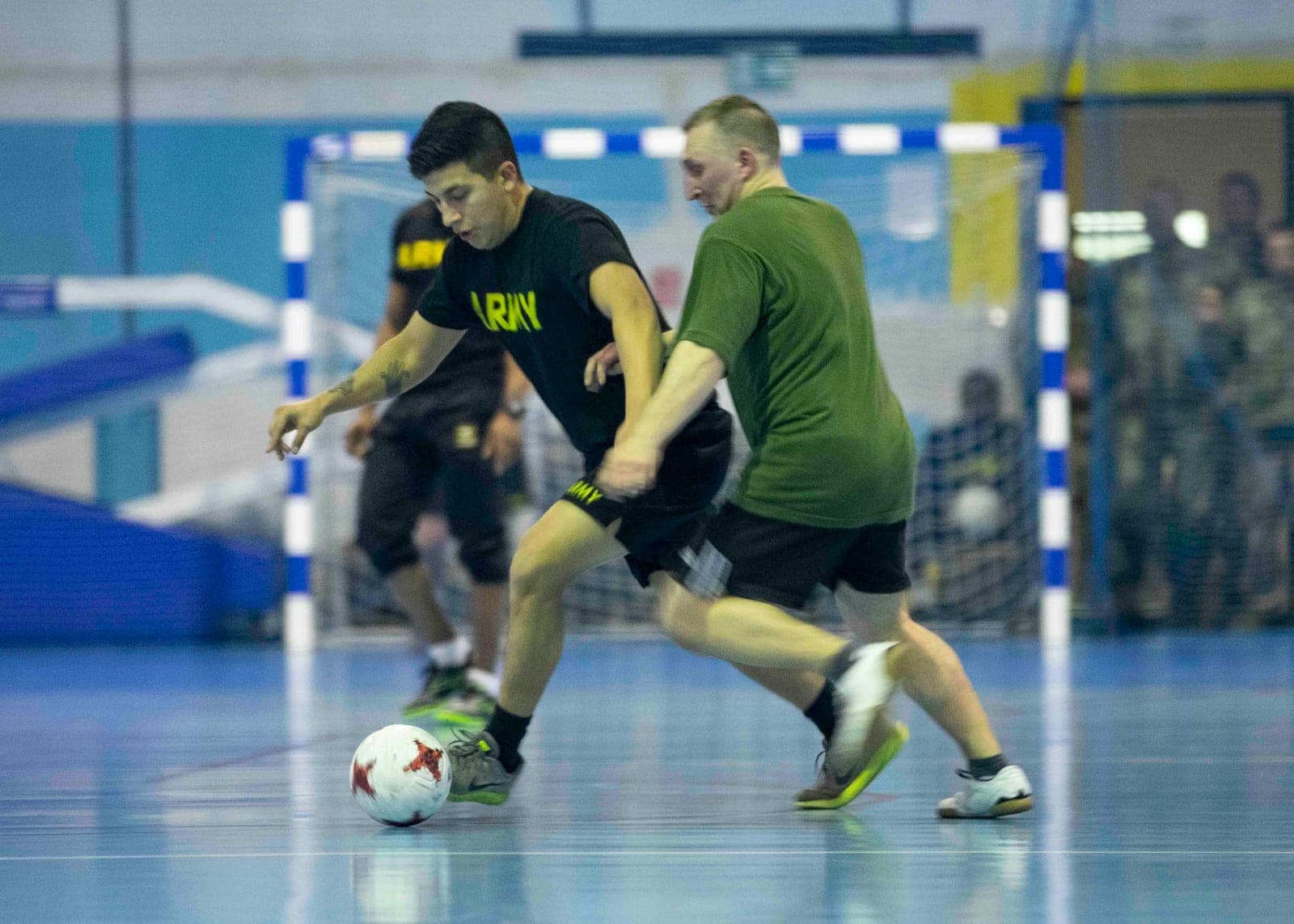
Tiki-taka
A possession-based football style built on short, quick passing and constant movement to keep and control the ball.
Definition
Tiki-taka is a style of play built on keeping possession through many short, accurate passes while players continuously move to create passing angles. Rather than attacking directly, a team patiently circulates the ball, waiting for gaps to open and using possession itself as a form of defence.
The approach is strongly associated with Spanish football at club and national level in the late 2000s and early 2010s. It relies on high technical skill, good spacing and third-man runs, and is often contrasted with more direct, counter-attacking styles.
Where you’ll hear “tiki-taka”
Sports that use this term:

Explore across the knowledge base
Follow the threads that connect Tiki-taka to the rest of SocialSportHub.
Tactics
- Possession playA patient football style that keeps the ball through short passing to control the game and tire opponents.
- Baseline playA patient tennis style built around rallying from the back of the court and constructing points with groundstrokes.
- High pressA football tactic where a team hunts the ball high up the pitch to win it back close to the opponent’s goal.
- Counter-attackWinning the ball and moving forward at speed to attack before the opponent can reorganise their defence.
- Set-piece playRehearsed routines from a dead-ball situation such as a corner, free kick or throw-in used to create chances.
Skills
- PassingThe skill of moving the ball to a teammate accurately to keep possession and create chances.
- DribblingThe skill of moving with the ball under close control to beat opponents or keep possession.
- Ball controlThe skill of receiving and settling the ball quickly so it is ready to use.
- Core stabilityThe skill of engaging the trunk muscles to keep the body strong and controlled through movement.
- Running formThe skill of running with efficient, relaxed and balanced movement.
Skills Academy
- Ball-sport skillsThe skills that recur across ball games — control, passing, dribbling, shooting and defending.
- Object-control skillsHandling a ball or implement — controlling, receiving, passing and moving it with intent.
- Team-play skillsThe skills that make a team work — combining, covering and communicating through the ball.
Decision making
- When to keep possessionJudging when to hold and recycle the ball rather than force a forward option — choosing patience and control over immediate progress.
- Pass selectionChoosing which pass to play, and to whom, from the options a moment offers — weighing space, risk and what the team is trying to do.
- Situational awarenessHolding an overall picture of what is happening around you — teammates, opponents, ball, space and the state of the game — and keeping it updated as play unfolds.
- Option recognitionSeeing what actions are actually available in a moment — the passes, shots or moves on offer — before choosing between them.
- Positioning choicesDeciding where to place yourself — often before the ball arrives — to cover space, stay ready to act and shape what an opponent can do.
Practice & sessions
- Technical sessionA session built around technique — grooving and refining the mechanics of how a movement or shot is executed.
- Conditioning sessionA session built around physical conditioning — developing the fitness qualities a sport draws on, rather than its skills or tactics.
- Tactical sessionA session built around tactics — how you use space, position and patterns of play, rather than the mechanics of a shot.
- Mobility sessionA session built around moving well through a range of motion — gentle, controlled work to help the body move freely.
Equipment
- Football (soccer ball)A round, inflated ball used to play association football and futsal.
- BasketballA large, inflated ball with a dimpled surface used to play basketball.
- Tennis racquetA strung frame with a handle used to hit the ball in tennis.
- Pickleball paddleA solid, flat paddle used to hit the perforated plastic ball in pickleball.
- Cricket batA flat-fronted wooden bat used by batters to hit the ball in cricket.