
Third-man run
An attacking pattern where a third player times a run to receive the ball after it is passed between two other teammates.
Definition
A third-man run is built around three players: the passer, a second player who acts as a link, and a third who runs to receive the final ball. The first pass draws defenders toward the link player, who quickly releases the ball into the space the third runner is attacking.
Common in possession-based football and futsal, the move works because defenders focus on the ball and the first two players, missing the third runner arriving from deeper or wider. It relies on timing and one- or two-touch play rather than individual dribbling.
Where you’ll hear “third-man run”
Sports that use this term:

Football
The world’s most popular team sport — endless running, teamwork and community in one game.
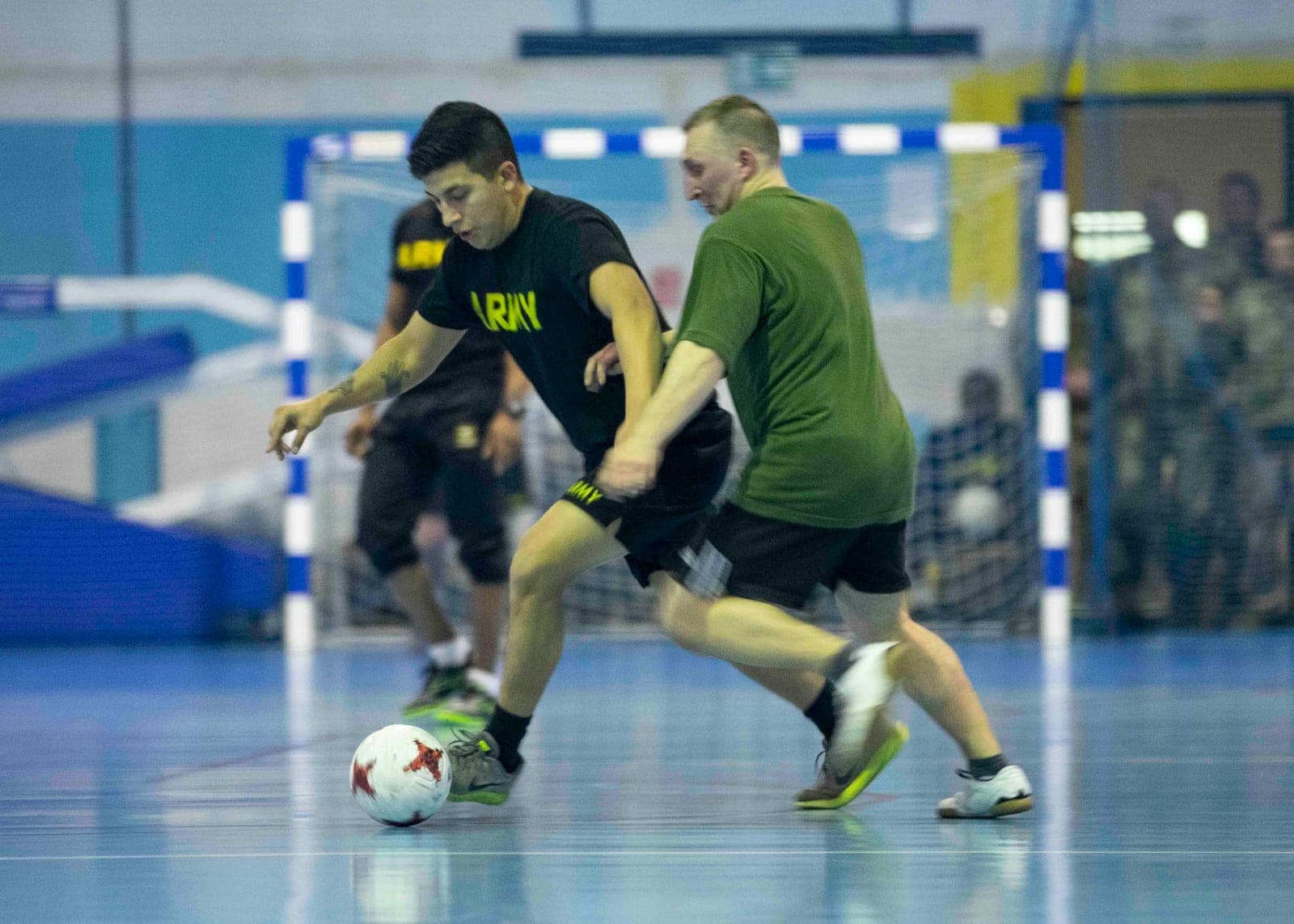
Futsal
A fast, small-sided indoor form of football played on a hard court with a low-bounce ball.
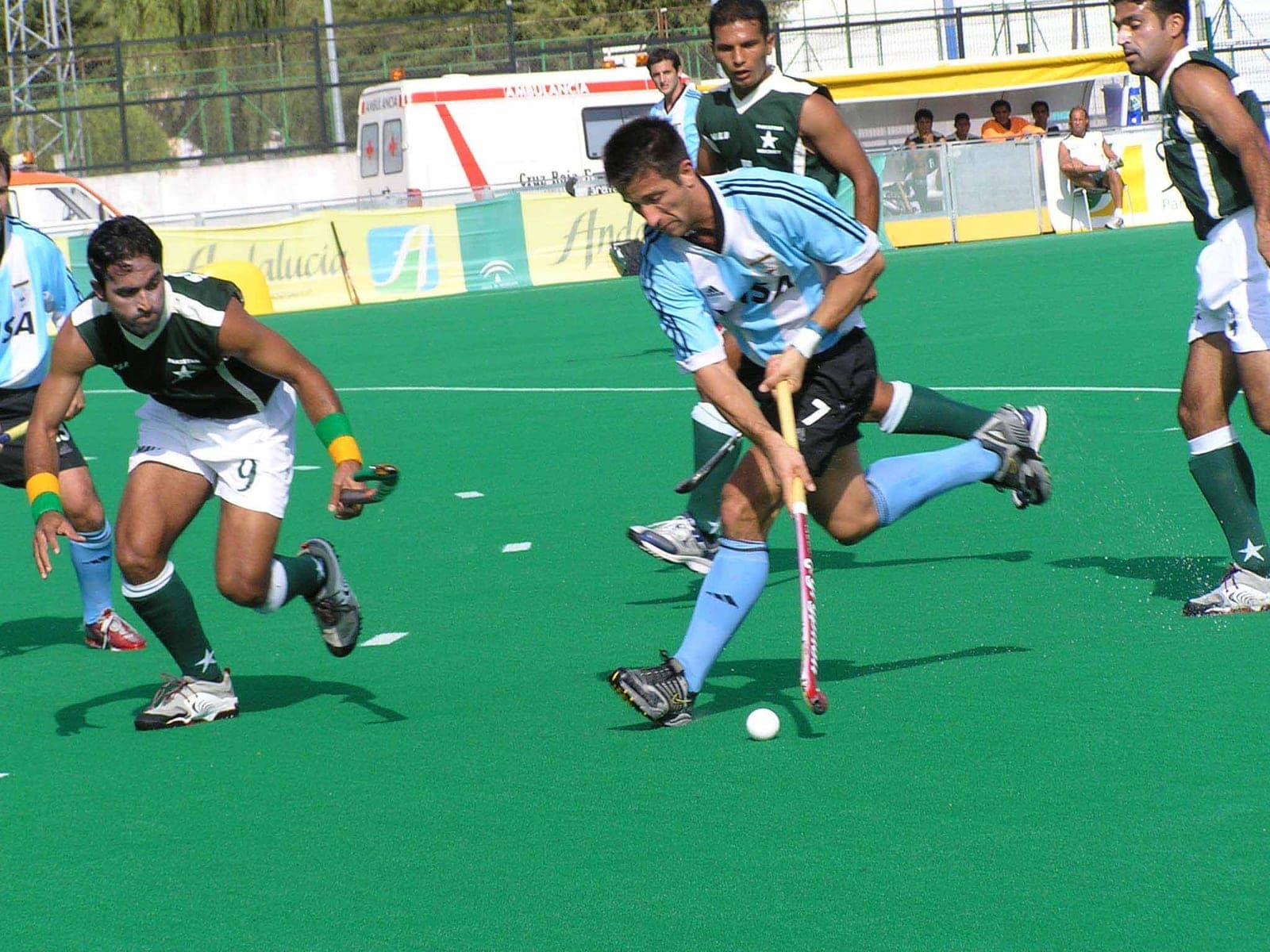
Field Hockey
An outdoor team sport that uses curved sticks to move a ball, built on agility and teamwork.
How it connects
The meaning-bearing relationships that place Third-man run in the wider knowledge graph — each one with the reason it exists.
Commonly confused with
Close enough to be mixed up — the distinction is worth knowing.
Explore across the knowledge base
Follow the threads that connect Third-man run to the rest of SocialSportHub.
Positions
- Centre (netball)The centre is netball’s link between attack and defence, the only player allowed in every third except the two goal circles, and the player who takes the centre pass.
- Goal shooterThe goal shooter is a netball attacker who scores goals and is one of only two players allowed to shoot, working within the attacking goal third and circle.
- StrikerA striker is the main attacking player in football, positioned furthest forward with the primary job of scoring goals.
- Point guardThe point guard is basketball’s primary ball-handler and playmaker, running the offence and setting up teammates to score.
- WingerA winger is an attacking player who operates in the wide areas of the pitch, using pace and dribbling to beat defenders and create chances.
Rules
- Direct and indirect free kicksThe two types of free kick awarded in football to restart play after a foul or other stoppage.
- Three-hit ruleThe volleyball rule that a team may contact the ball at most three times before it must cross the net.
- Backcourt violationA basketball rule breach for returning the ball into a team's own defensive half after it has crossed into the attacking half.
- Double dribbleA basketball violation for dribbling with two hands at once, or for dribbling again after picking up the ball.
- Offside in rugby unionRugby union's most context-dependent law — where the offside line sits in open play, what an offside player must not do, the 10-metre rule after a kick, and how a player is put onside.
Tactics
- Serve and third ballTable tennis's most-rehearsed tactical pattern — using a serve to force a predictable return so the third ball of the rally can be attacked from a known position.
- Man-to-man markingA defensive tactic where each defender is assigned a specific opponent to track and contain.
- Pick and rollA two-player basketball action where one player screens for the ball-handler, then rolls to the basket.
- Wing playAttacking down the flanks and crossing the ball into the box to stretch the defence and create chances.
- Serve-receive formationHow a volleyball team arranges its passers to receive the serve and set up a clean first attack.
Player roles
- PlaymakerThe playmaker is a team's creative hub — the player who orchestrates attacks, controls the tempo and distributes the ball so teammates can score.
- Target playerA target player is a focal attacker who receives, holds up and links play for others, often physically strong and good in the air or with the hands.
- AnchorThe anchor is a cross-sport holding role: a steadying, defensive-minded player who shields the back line, screens danger and gives teammates a reliable base.
Sports communication
- Signalling availabilityShowing a teammate you are open and ready to receive — often through movement, body position or a gesture rather than a shout.
- Transition communicationCommunicating in the fast switch between attack and defence — flagging a turnover, a counter or a break so teammates react together.
- Defensive communicationTalking and signalling on defence — organising who marks whom, calling switches and warning teammates — to stay coordinated without the ball.
- Teammate feedbackPlayers giving each other useful, respectful feedback as peers — encouragement, quick corrections and honest reads — distinct from a coach's feedback.
- Role clarityEveryone on a team understanding what their own job is — and their teammates' — so effort is not wasted on overlap or gaps.
Disciplines
- CombinedAlpine combined blends a speed run with a slalom run, adding the times together so the result rewards all-around skiers across both ends of the spectrum.
- Long TrackLong track speed skating is contested on a 400-metre two-lane oval, with skaters usually racing in pairs and ranked mostly by their times.
Go deeper with Third-man run
Everywhere else on the platform that covers Third-man run — assembled from what actually references it, so nothing here is a dead end.
Take it away
Open data and the whole-platform view of this subject.
How this page is maintained
- Content type
- Term
- Provenance
- Tier A — evergreen educational
- Verified external sources
- 0
- Content updated
- 2026-09-01
Evergreen, first-party explanation — it makes no claim that needs an external source. How we handle sources and reviews.