Goal shooter
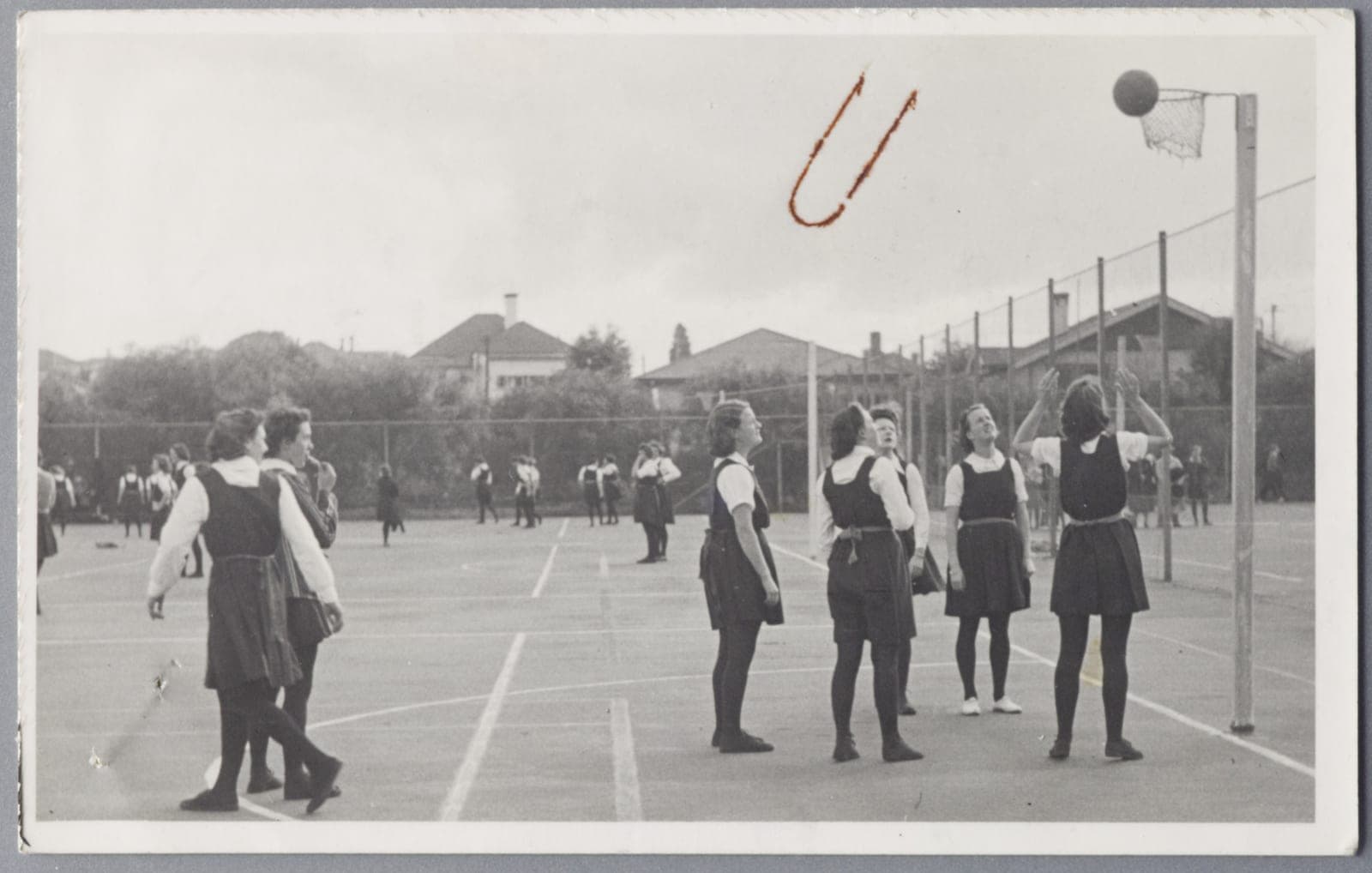
The goal shooter is a netball attacker who scores goals and is one of only two players allowed to shoot, working within the attacking goal third and circle.
Overview
Abbreviated GS, the goal shooter is a key scorer in netball. They are restricted to the attacking goal third and the goal circle, and are one of only two players (with the goal attack) permitted to shoot at the post.
Accurate shooting, strong positioning and holding space in the circle are central to the role, as the goal shooter looks to receive the ball close to the post and convert chances.
Responsibilities
- Shoots and scores goals from within the goal circle.
- Holds and creates space to receive passes near the post.
- Stays within the allowed attacking third and circle.
- Works with the goal attack to break down the defence.
- Rebounds missed shots to win second chances.
Where it’s used
Sports that use goal shooter:
Related positions
Goal attack
The goal attack is a versatile netball attacker who both feeds the shooter and scores goals, moving through the centre and attacking thirds.
Wing attack
The wing attack is a netball playmaker who feeds the ball into the shooting circle, moving through the centre and attacking thirds but not entering the goal circle.
Centre (netball)
The centre is netball’s link between attack and defence, the only player allowed in every third except the two goal circles, and the player who takes the centre pass.
How it connects
The meaning-bearing relationships that place Goal shooter in the wider knowledge graph — each one with the reason it exists.
Frequently learned together
Taught side by side in the same stage of a learning path.
- Goal attackBoth are taught in the “Find your position or role” stage of the Netball learning path.
- Wing attackBoth are taught in the “Find your position or role” stage of the Netball learning path.
- Centre (netball)Both are taught in the “Find your position or role” stage of the Netball learning path.
- PlaymakerBoth are taught in the “Find your position or role” stage of the Netball learning path.
- FinisherBoth are taught in the “Find your position or role” stage of the Netball learning path.
Explore across the knowledge base
Follow the threads that connect Goal shooter to the rest of SocialSportHub.
Player roles
- PlaymakerThe playmaker is a team's creative hub — the player who orchestrates attacks, controls the tempo and distributes the ball so teammates can score.
- FinisherA finisher is the attacking outlet in a team sport whose main job is converting chances into points — the striker, goal shooter or go-to scorer.
- Target playerA target player is a focal attacker who receives, holds up and links play for others, often physically strong and good in the air or with the hands.
- All-RounderAn all-rounder is a versatile player who contributes across attack and defence rather than specialising in a single phase, position, or skill.
- CaptainThe captain is a team's on-field leader who communicates, makes in-game decisions and sets standards — a role any player can hold, not a fixed position.
Skills
- ShootingThe skill of striking or releasing the ball toward the goal or basket to score.
- ReboundingThe basketball skill of gaining the ball after a missed shot — positioning and timing decide it far more often than pure jumping height.
- WicketkeepingThe only fielding position allowed gloves and pads — where a keeper stands and why, how standing up differs from standing back, and the dismissals only a keeper can make.
Learning paths
Techniques
- Jump ShotA basketball shot released at the top of a vertical jump, letting the shooter get the ball over a defender with a soft, arcing release.
- Chest PassA two-handed pass thrown directly from chest height in a straight line to a teammate, the most basic pass in basketball and netball.
- Face-offsHow every hockey stoppage restarts — the nine face-off locations, why the location is itself a sanction, and the techniques centres use to win possession.
- The loop and the blockTable tennis's primary attacking stroke and its primary counter — how a loop lifts backspin into topspin, and why a block uses the attacker's own pace against them.
Go deeper with Goal shooter
Everywhere else on the platform that covers Goal shooter — assembled from what actually references it, so nothing here is a dead end.
Learn it
Structured courses and paths on the platform that cover this directly.
How this page is maintained
- Content type
- Position
- Provenance
- Tier A — evergreen educational
- Verified external sources
- 0
- Content updated
- 2026-09-12
Evergreen, first-party explanation — it makes no claim that needs an external source. How we handle sources and reviews.