
Judge
A judge is an official who scores performance in judged sports, awarding marks for execution and difficulty rather than counting goals or timing a race.
Overview
A judge is a sports official whose job is to evaluate the quality of a performance and turn it into a score, rather than to enforce play or count goals. In judged sports such as figure skating, gymnastics, diving, surfing and snowboarding, a panel of judges watches each routine, run or dive and awards marks for how well it was executed and, in many formats, for how difficult it was. The judges' marks are then combined — often after dropping the highest and lowest to limit bias — to produce the result, so the outcome depends on expert assessment against published criteria rather than on a clock or a tally of goals.
The same idea appears in combat sports: in boxing, judges score each round and their scorecards decide the winner whenever a bout is not ended early by a knockout or stoppage, while karate, taekwondo, judo and wrestling use judges to assess techniques and award or confirm points. Because judging is inherently subjective, most systems use several judges, define scoring bands or difficulty tables, and set tie-break rules for competitors on equal marks. The word 'judge' is also used for technical officials who rule on legality rather than artistry — for example stroke judges who confirm a swim was performed correctly, or finish and placing judges who decide the order across the line — but the defining feature in every case is an official making an evaluative call.
What it involves
- Awards marks for performance — a judge scores how a routine, run, dive or round was executed, and often its difficulty, instead of counting goals or measuring elapsed time.
- Works on a panel — judged results usually combine several judges' scores, and many formats drop the highest and lowest marks to reduce the influence of a single biased or mistaken judge.
- Scores against published criteria — judges apply defined execution standards and difficulty tables, so marks are meant to reflect agreed benchmarks rather than personal taste alone.
- Decides close and tied results — when competitors finish on equal marks, tie-break or countback rules built into the scoring tell the panel how to separate them.
- Distinct from referees and timekeepers — a referee enforces rules and safety and a timekeeper tracks the clock, while a judge's specific task is to evaluate and rate performance; in some sports 'judge' also names technical officials who rule on legality.
Where it’s used
Sports that use judge:
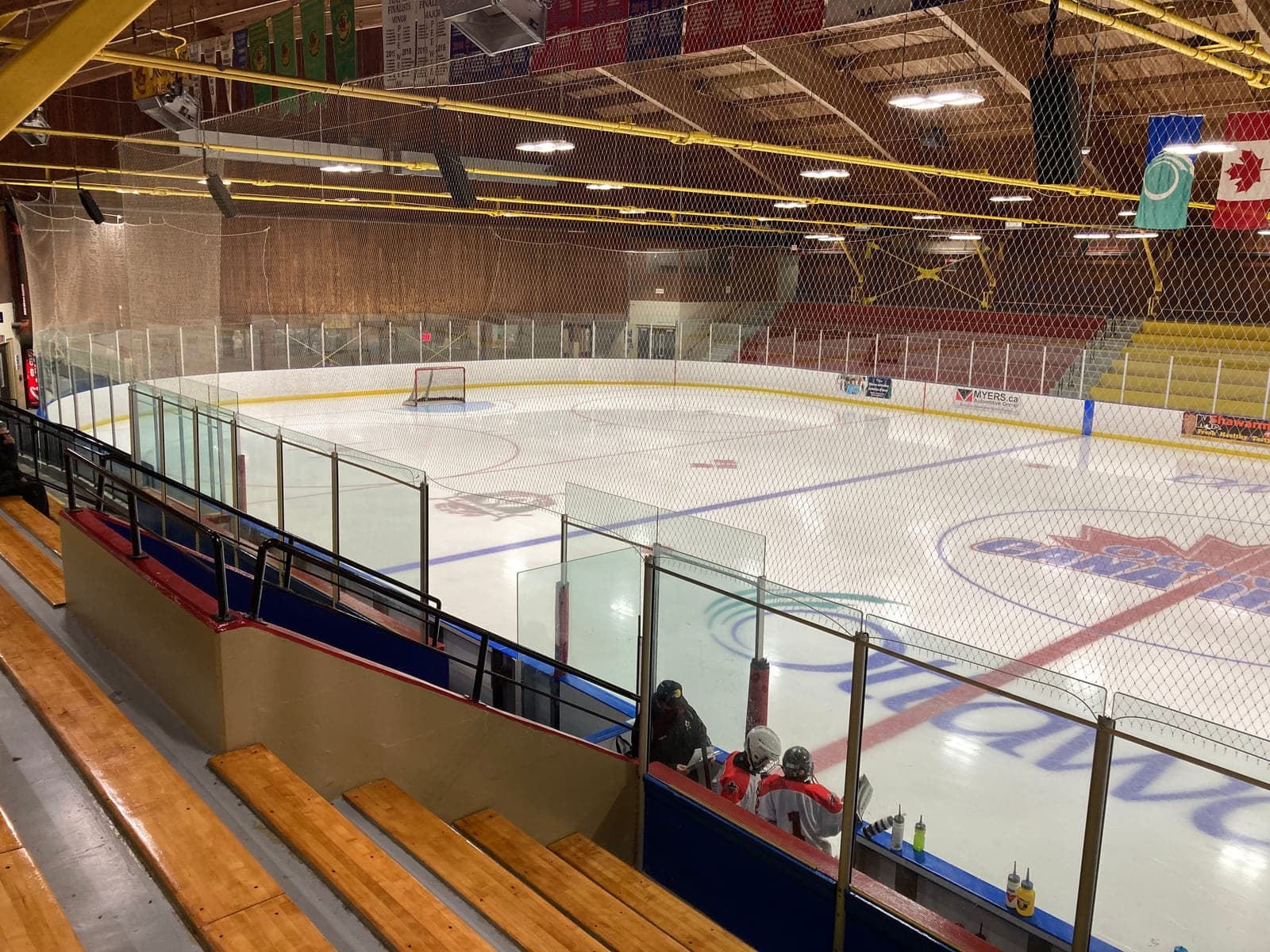
Figure Skating
An artistic ice sport combining glides, spins, jumps and footwork into flowing routines.
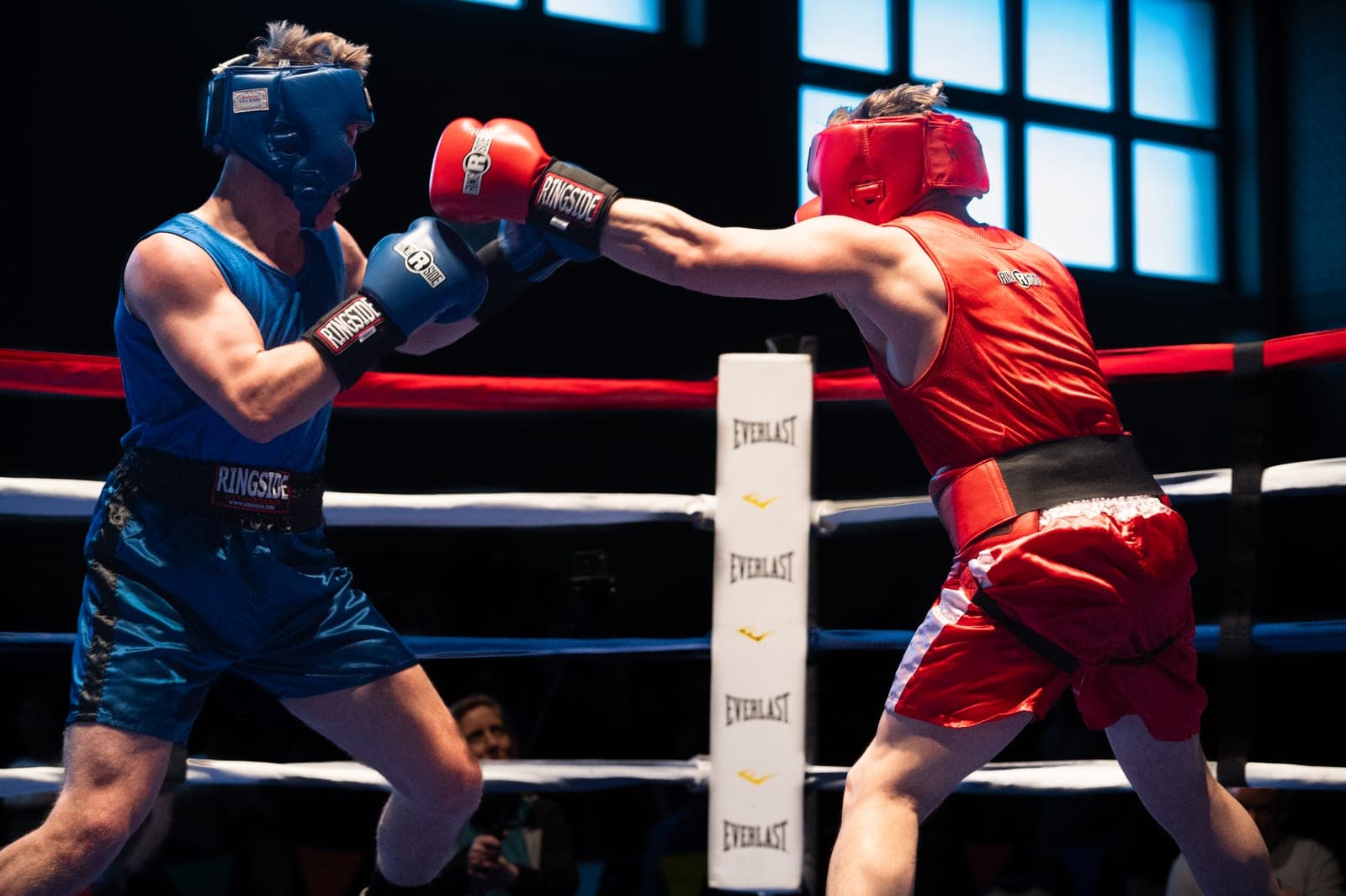
Boxing
A striking combat sport built on footwork, timing and conditioning, practised from fitness drills to controlled sparring.
Surfing
An ocean board sport of paddling into waves and riding them toward shore, balancing skill and reading the sea.

Snowboarding
A downhill snow sport where you ride a single board sideways down the mountain.
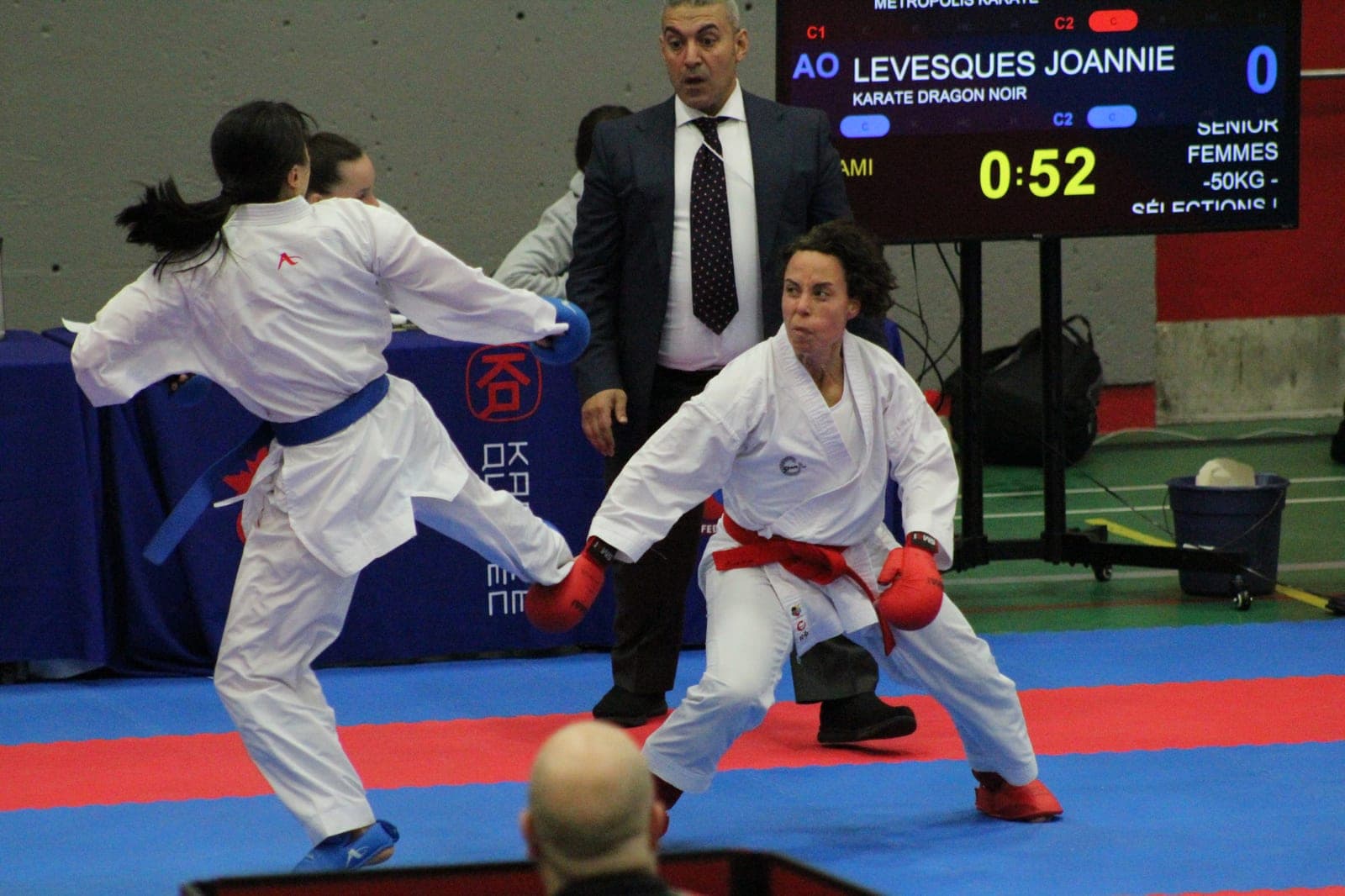
Karate
A striking martial art of punches, kicks and forms, structured around steady progression for all ages.
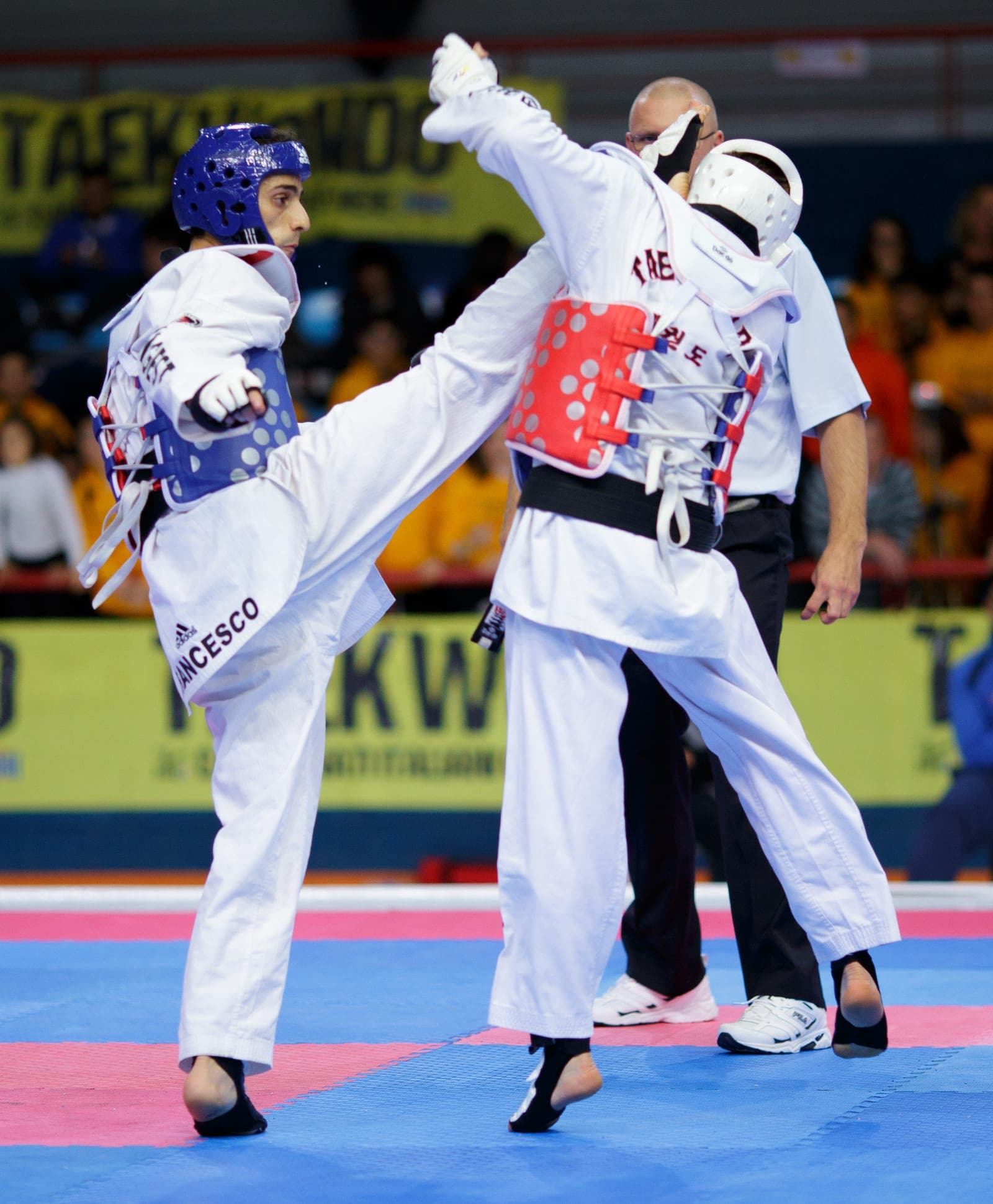
Taekwondo
A striking martial art known for its dynamic kicking techniques, agility and structured progression.
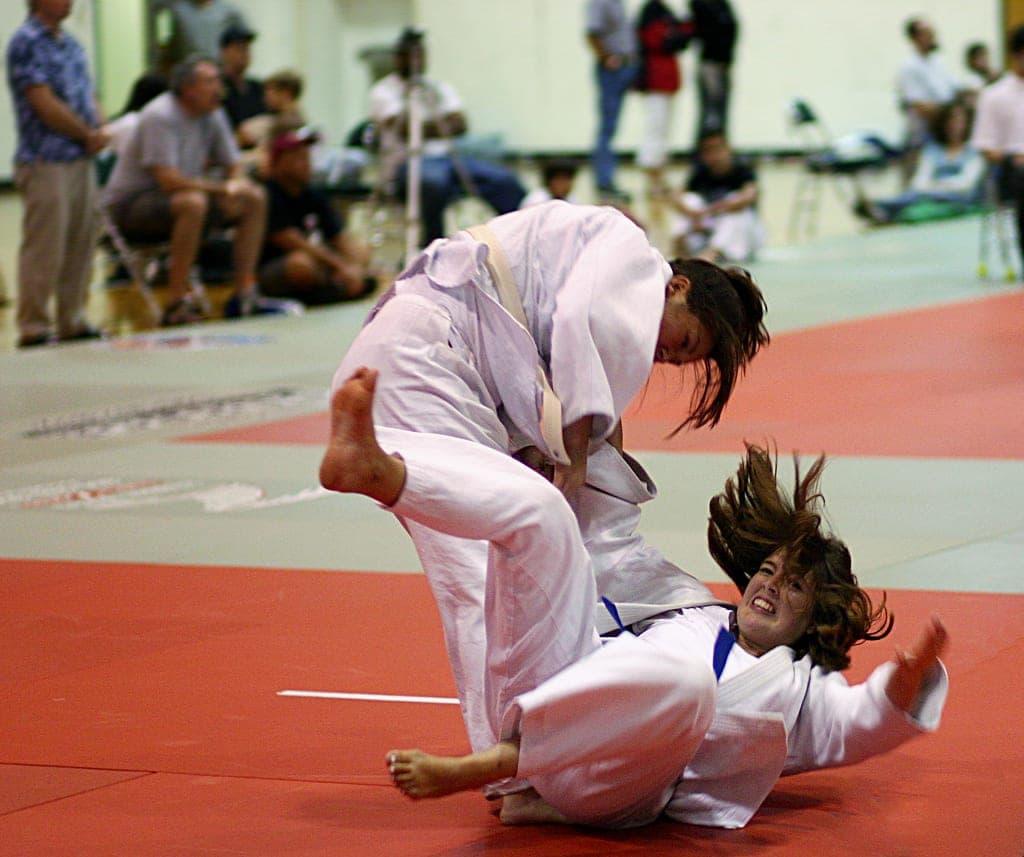
Judo
A grappling martial art based on throws, holds and control, practised on mats with a partner.
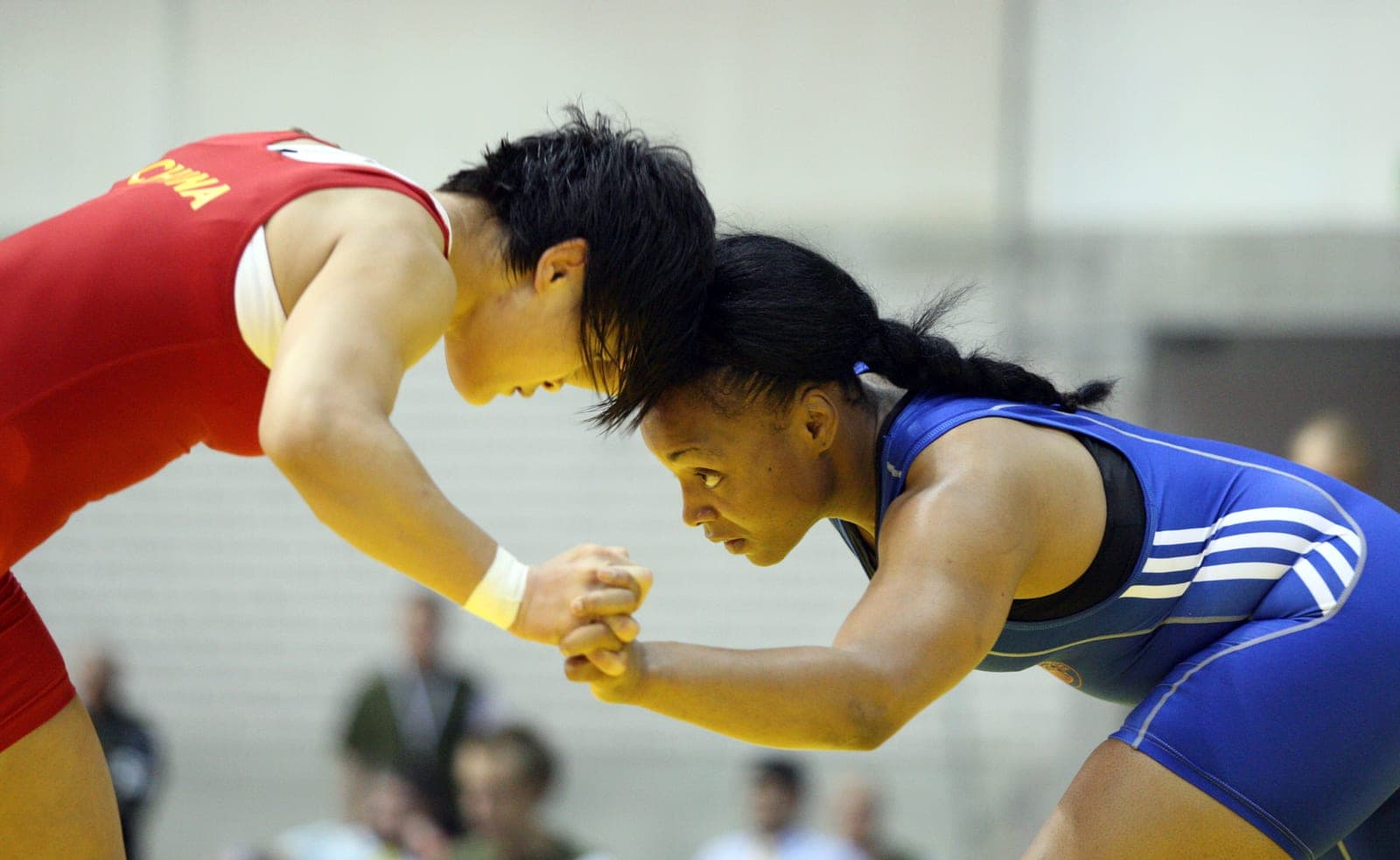
Wrestling
A grappling sport of takedowns and control where two athletes compete to pin or out-position each other.
Related officiating
Referee
The primary on-field official who enforces the rules, controls play, penalises fouls, awards restarts, and blows the whistle to start and stop a match.
Timekeeper
The timekeeper is the official who runs a contest's clock — starting and stopping time, timing rounds, races and periods, and signalling when time expires.
Start and Stop Signals
The whistle, gun, bell or hooter an official uses to begin and end play or a race, plus the rules that keep starts clean and penalise false starts.
Explore across the knowledge base
Follow the threads that connect Judge to the rest of SocialSportHub.
Scoring systems
- Tiebreak scoringA tiebreak is a short deciding game used in racket sports to settle a set that has reached an even number of games, scored in simple numbers to a fixed target.
- Padel scoringPadel borrows tennis scoring, counting points as 15–30–40 within games and playing sets to six games decided by a tiebreak.
- Football (soccer) scoringFootball is scored by goals, with each goal worth one point and the team scoring the most goals winning the match.
- How alpine ski races are timed and placedAlpine races are decided on elapsed time, with technical events combining two runs into a single total.
Knowledge Atlas
Positions
- Goal attackThe goal attack is a versatile netball attacker who both feeds the shooter and scores goals, moving through the centre and attacking thirds.
- Goal shooterThe goal shooter is a netball attacker who scores goals and is one of only two players allowed to shoot, working within the attacking goal third and circle.
- StrikerA striker is the main attacking player in football, positioned furthest forward with the primary job of scoring goals.
- Outside hitterThe outside hitter attacks from the left side of the net and is often a volleyball team’s main scoring option.
Disciplines
- Synchronized skatingSynchronized skating is a team discipline in which a group of skaters moves as one unit through formations, emphasizing precision, timing, and unison.
- PairsPairs is skated by two partners who combine unison elements with lifts, throw jumps, twist lifts, and death spirals that are unique to the discipline.
How this page is maintained
- Content type
- Officiating concept
- Provenance
- Tier A — evergreen educational
- Verified external sources
- 0
- Content updated
- 2026-09-12
Evergreen, first-party explanation — it makes no claim that needs an external source. How we handle sources and reviews.