
Judo
Throws, balance and control through leverage

Overview
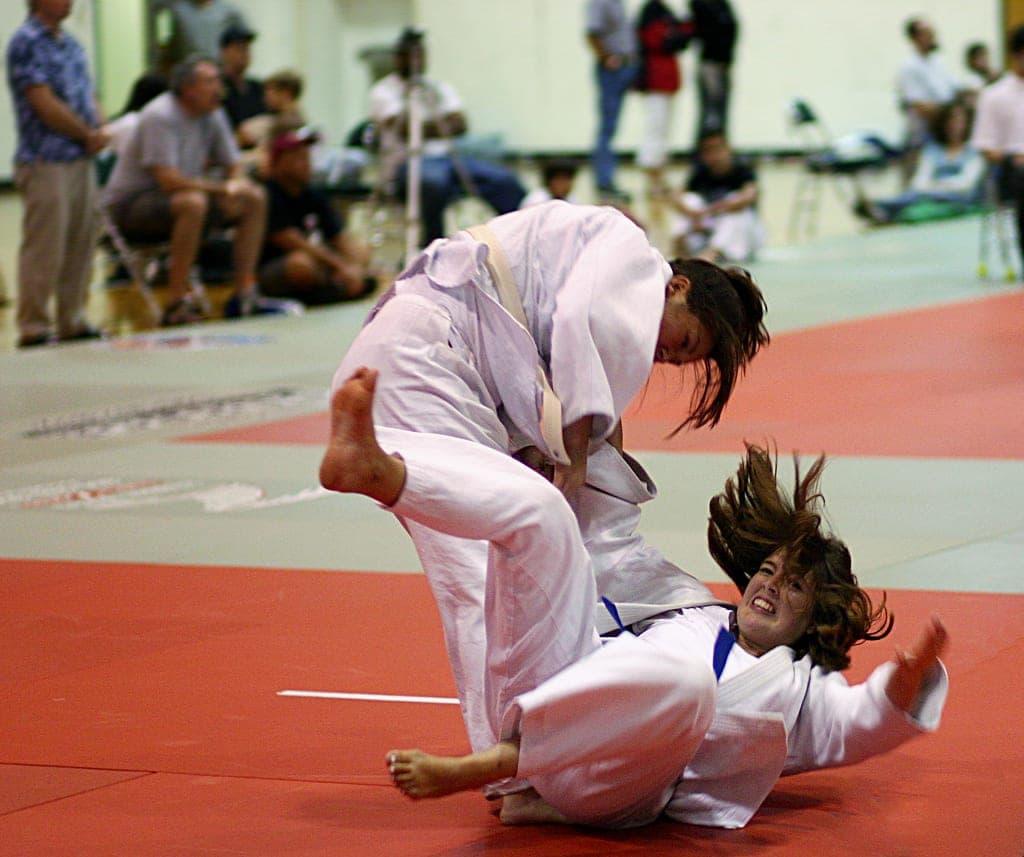
Judo is a grappling martial art in which partners aim to unbalance and throw one another to the mat, then control positions once on the ground. It emphasises technique, timing and leverage over raw strength, using an opponent’s momentum rather than force alone.
Practice takes place on padded mats and begins with learning to fall safely before progressing to throws and controlled work with a partner. A structured grading system marks steady progress, and the partner-based format makes it both technical and highly social.
Why judo is good for your health
- Builds full-body strength, especially the core, back and grip
- Improves balance, coordination and body awareness
- Develops cardiovascular fitness through active practice
- Teaches how to fall and move safely
The social side
- Partner practice builds trust and mutual respect
- Clubs welcome a wide range of ages and abilities
- A shared grading journey creates a supportive community
How to start as a beginner
- 1Find a club with qualified instruction and beginner sessions
- 2Learn to fall safely (breakfalls) before attempting throws
- 3Practise basic grips, movement and simple throws with a partner
- 4Wear a suitable judo suit — clubs can usually advise or lend one
Equipment you’ll need
- Judo suit (gi)EssentialA sturdy jacket, trousers and belt
- Comfortable base layerOptional
- Access to matted training spaceEssential
- Sandals for off-matOptionalHelps keep the mat clean
Where to play
Judo is typically played at:
Explore clubs and venues to understand the different places you can play, or see how to find people to play with.
Playing Judo
The equipment, rules, skills and more that make up the game — each cross-linked into the encyclopedia.
Related sports to explore
If you enjoy Judo, you might also like these.
Brazilian Jiu-Jitsu
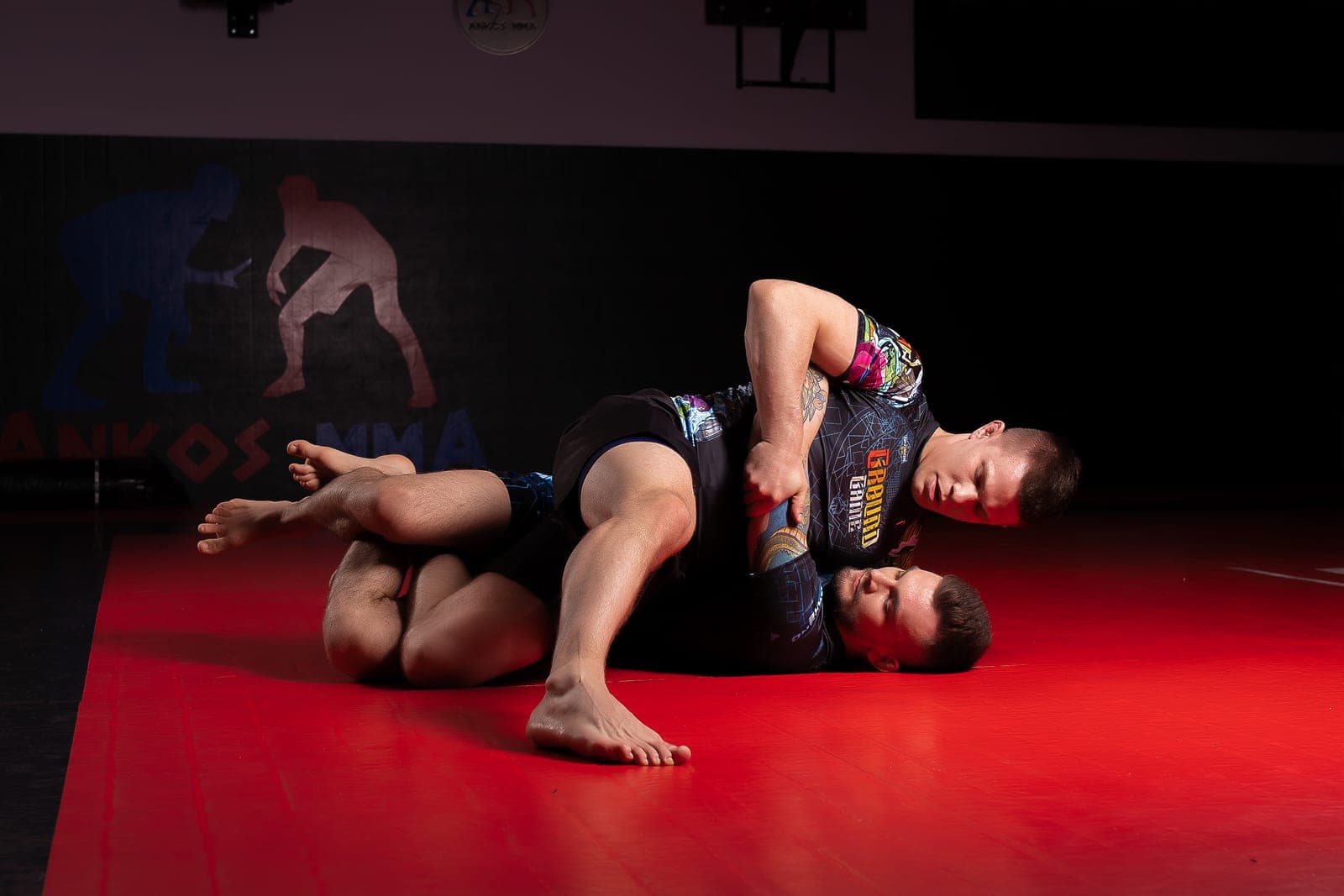
A ground-focused grappling art that uses leverage, position and technique to control a partner.
Wrestling
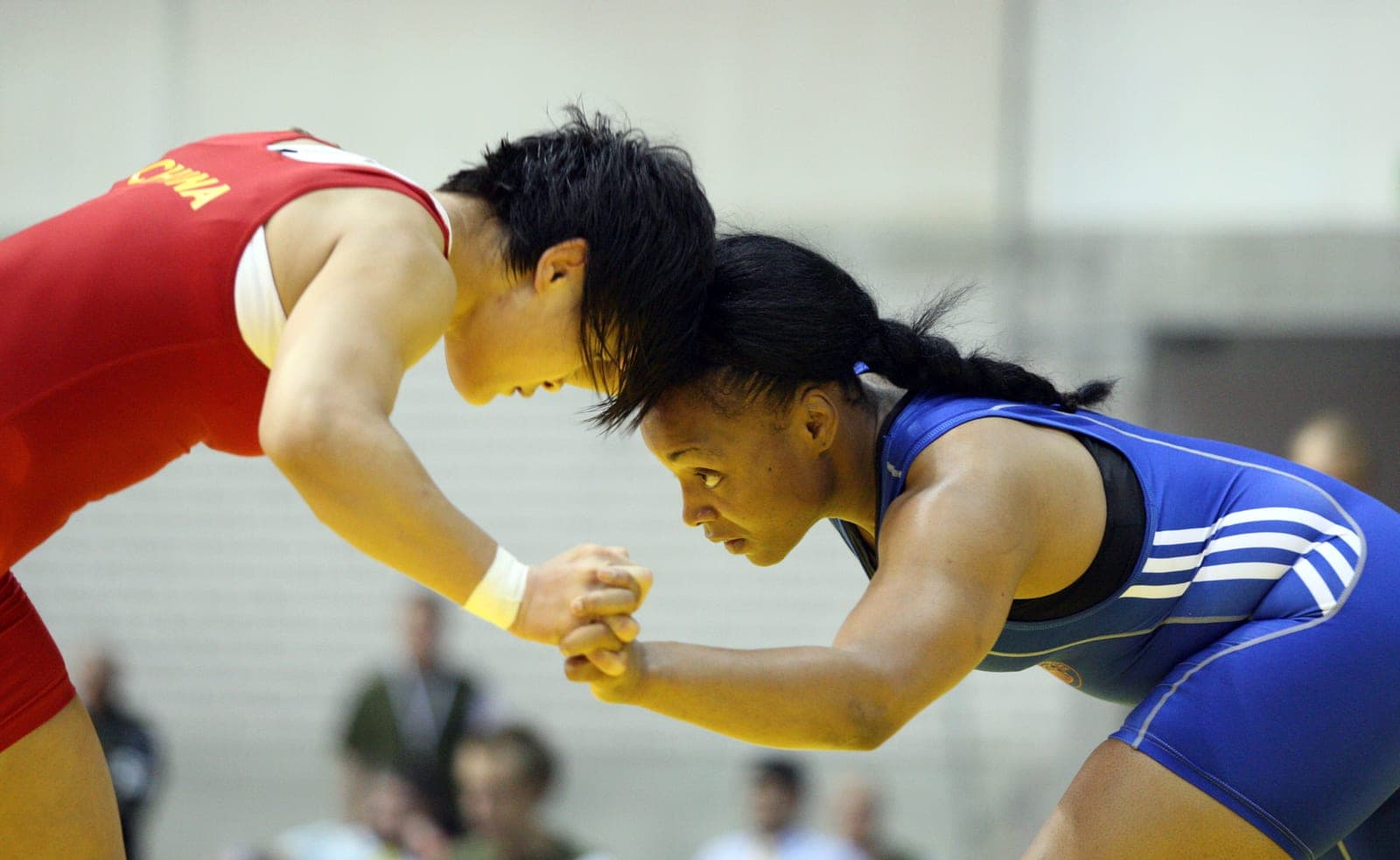
A grappling sport of takedowns and control where two athletes compete to pin or out-position each other.
Aikido
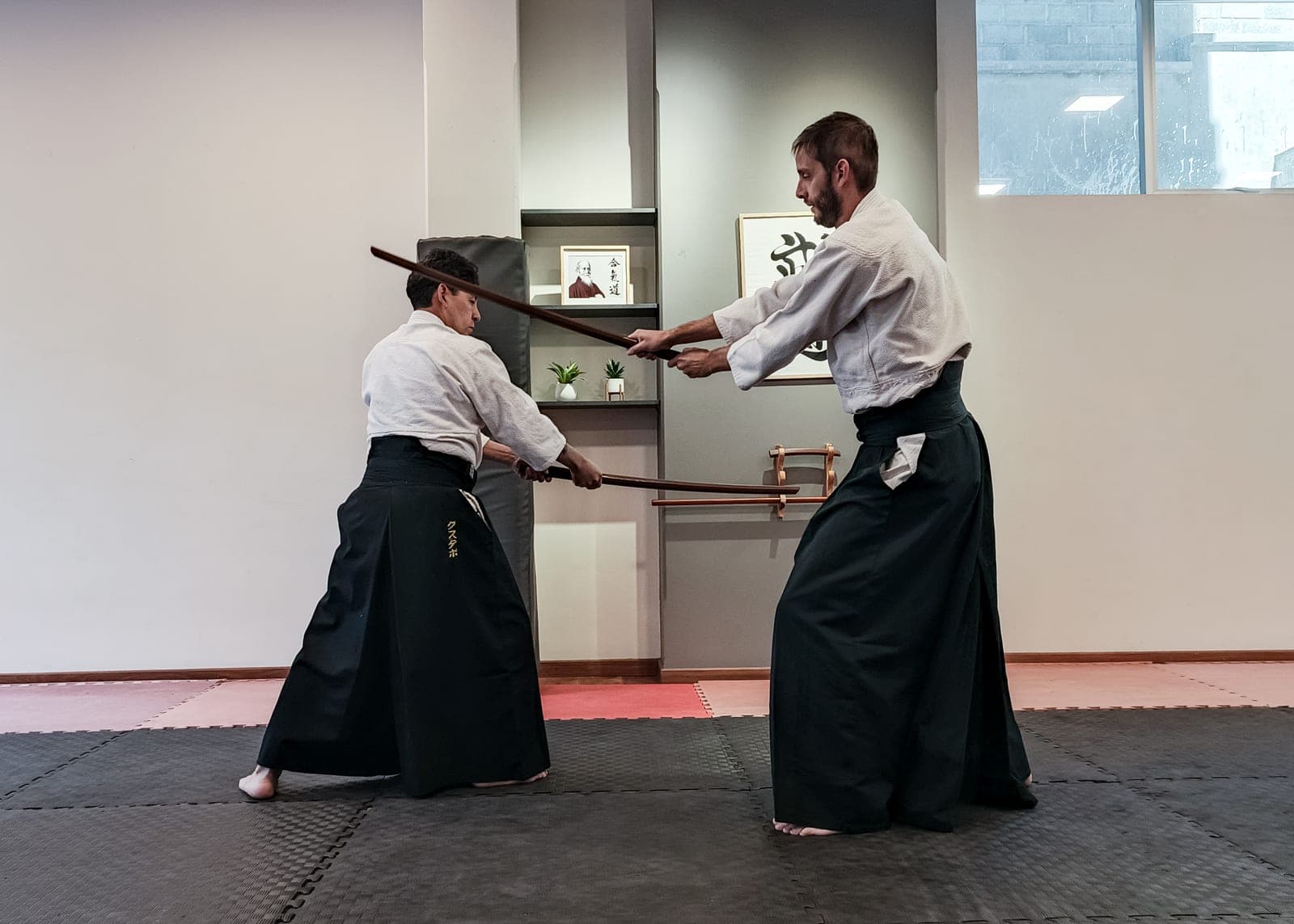
A Japanese martial art that redirects an opponent’s motion through flowing throws, joint movements and calm control.
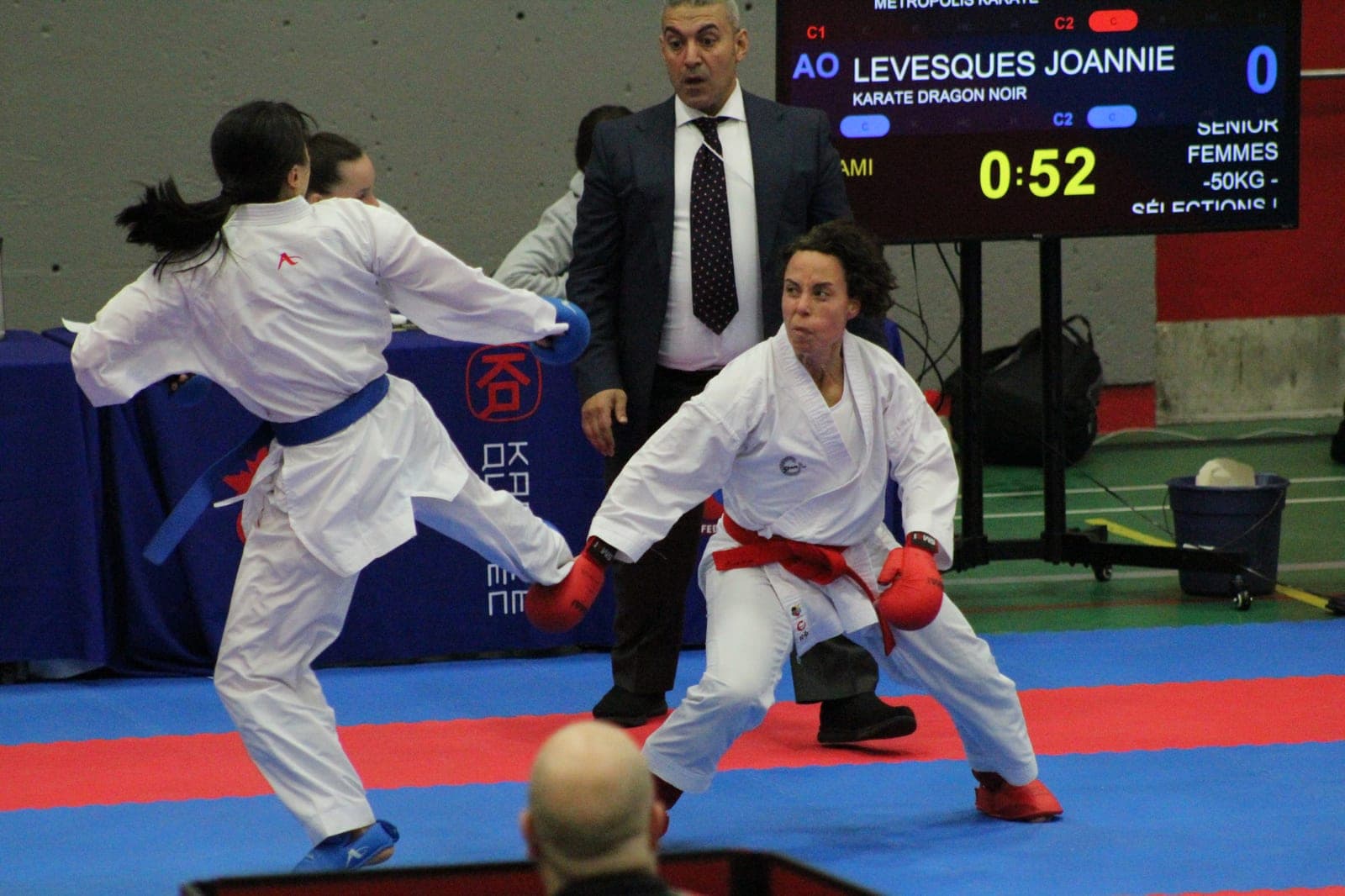
Karate
A striking martial art of punches, kicks and forms, structured around steady progression for all ages.
Compare Judo with…
Deciding between Judo and something similar? See how they line up side by side.
Aikido vs Judo
How they compare on difficulty, intensity, kit and what suits you.
Brazilian Jiu-Jitsu vs Judo
How they compare on difficulty, intensity, kit and what suits you.
Judo vs Karate
How they compare on difficulty, intensity, kit and what suits you.
Judo vs Wrestling
How they compare on difficulty, intensity, kit and what suits you.
Reach your goals with Judo
People take up Judo for all kinds of reasons. Here is what it can help you work towards.
Sports for children
Age-appropriate, fun ways for children to be active, with guidance and supervision where sensible.
Discipline
Build consistency, focus and self-discipline through the routines that sport and training encourage.
Learn self-defence
Train a martial art or combat sport under supervision — what the practice actually involves, and what it honestly can and cannot give you.
How it connects
The meaning-bearing relationships that place Judo in the wider knowledge graph — each one with the reason it exists.
Alternative to
Comparable enough that people choose between them.
- AikidoJudo and Aikido are close enough that the platform maintains a side-by-side comparison of them.
- Brazilian Jiu-JitsuJudo and Brazilian Jiu-Jitsu are close enough that the platform maintains a side-by-side comparison of them.
- KarateJudo and Karate are close enough that the platform maintains a side-by-side comparison of them.
- WrestlingJudo and Wrestling are close enough that the platform maintains a side-by-side comparison of them.
Explore across the knowledge base
Follow the threads that connect Judo to the rest of SocialSportHub.
Glossary
- GiA gi is the traditional two-piece uniform, worn with a belt, used in several grappling and striking martial arts.
- PinHolding an opponent's shoulders or back down against the mat; in wrestling it wins the bout instantly, while in judo a timed hold-down scores.
- RepechageA second-chance round that lets some competitors beaten earlier still qualify for the medal stages.
- TakedownA move that brings a standing opponent down to the mat or ground while the attacker gains a controlling position.
- TatamiThe padded matting that covers the competition and training area in many martial arts.
Recommendations
- Recommended for “Sports for children”Sports, qualities, a learning path and first steps for “Sports for children” — every suggestion a real graph link, shown with its reason.
- Recommended for “Discipline”Sports, qualities, a learning path and first steps for “Discipline” — every suggestion a real graph link, shown with its reason.
- Recommended for “Learn self-defence”Sports, qualities, a learning path and first steps for “Learn self-defence” — every suggestion a real graph link, shown with its reason.
Movement patterns
- PullDrawing a load or your own body toward the torso — horizontal rows and vertical pull-ups — building the lats, mid-back and biceps and balancing the push.
- PivotA rotation of the body about one planted foot, reorienting the trunk and hips around a vertical axis without travelling to a new location.
Go deeper with Judo
Everywhere else on the platform that covers Judo — assembled from what actually references it, so nothing here is a dead end.
Compare it
Head-to-head studies against the entities people actually weigh it against.
Kit it out
Equipment guidance drawn from the graph, with no brands and no affiliate links.
Take it away
Open data and the whole-platform view of this subject.
How this page is maintained
- Content type
- Sport
- Provenance
- Tier A — evergreen educational
- Verified external sources
- 0
- Content updated
- 2026-07-06
Evergreen, first-party explanation — it makes no claim that needs an external source. How we handle sources and reviews.
Keep going
A sport is most rewarding alongside good habits, sensible nutrition and people to share it with. Here is where to go next.
How movement supports body and mind.
Eat well to feel and perform better.
Build routines that stick.
Ways to meet others and play together.
Where to play and what to expect.
Browse the full list by category.