
Gi (martial arts uniform)
A durable jacket-and-trouser uniform worn in several grappling and striking martial arts.


Overview
A gi is a traditional martial arts uniform made up of a heavy cotton jacket, drawstring trousers and a belt that is often used to show rank. The sturdy fabric is built to withstand pulling and gripping during training.
Gis are worn in arts such as judo, Brazilian jiu-jitsu and karate, though the exact cut and weight vary between them to suit each art’s style of movement.
Good to know
- The belt often indicates the wearer’s rank.
- Heavy fabric withstands gripping and pulling.
- Cut and weight differ between judo, jiu-jitsu and karate.
Where it’s used
Sports that use gi (martial arts uniform):
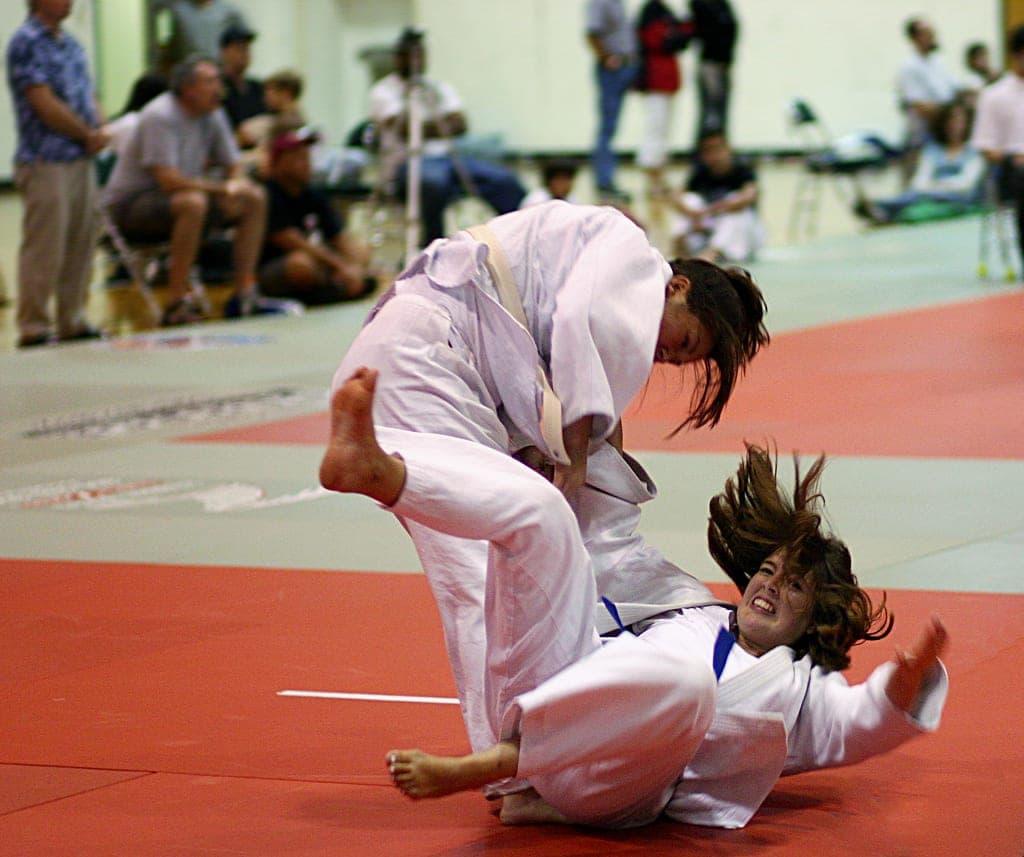
Judo
A grappling martial art based on throws, holds and control, practised on mats with a partner.
Brazilian Jiu-Jitsu
A ground-focused grappling art that uses leverage, position and technique to control a partner.
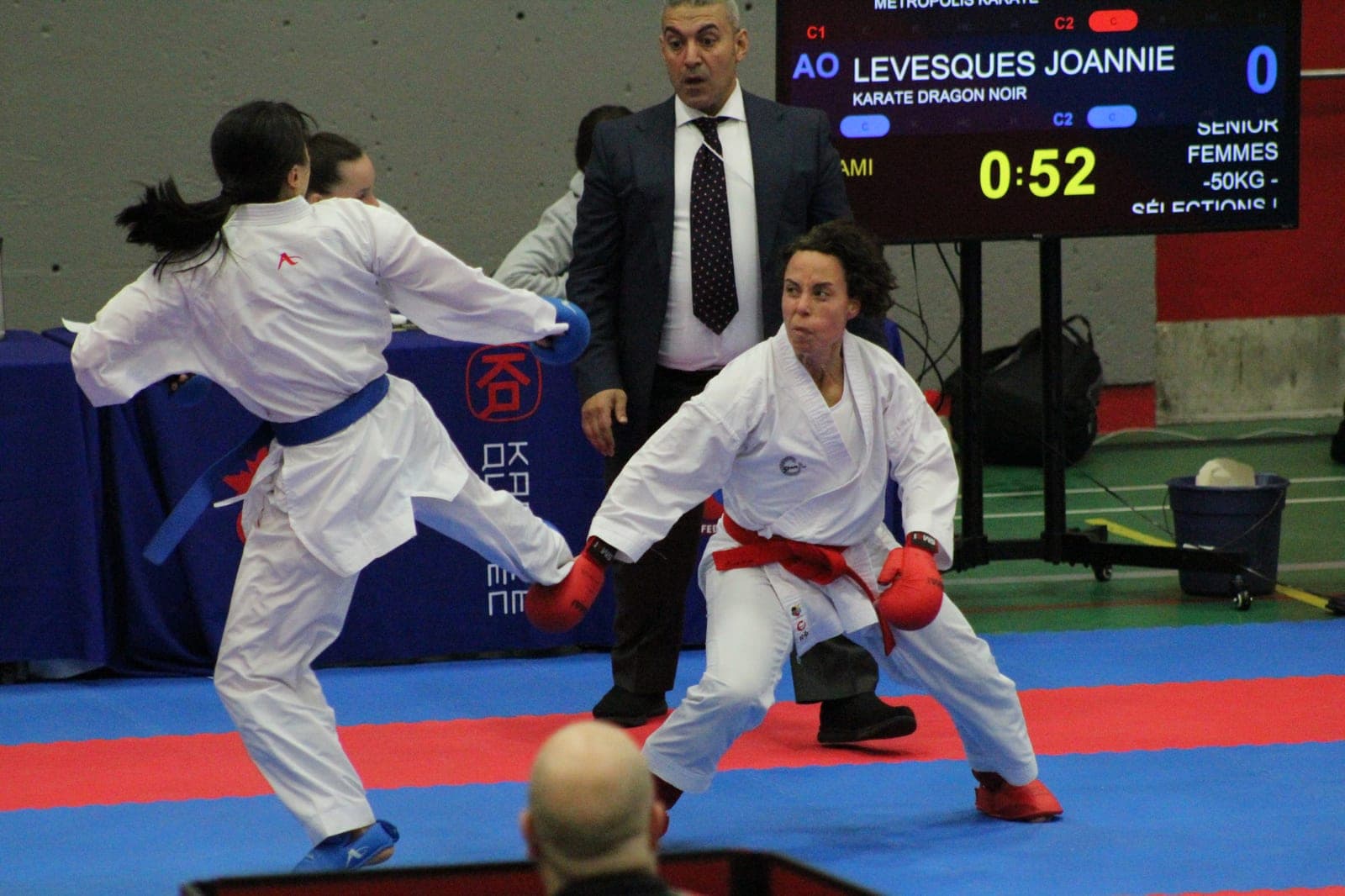
Karate
A striking martial art of punches, kicks and forms, structured around steady progression for all ages.
Explore across the knowledge base
Follow the threads that connect Gi (martial arts uniform) to the rest of SocialSportHub.
Disciplines
Sport categories
Go deeper with Gi (martial arts uniform)
Everywhere else on the platform that covers Gi (martial arts uniform) — assembled from what actually references it, so nothing here is a dead end.
Take it away
Open data and the whole-platform view of this subject.
How this page is maintained
- Content type
- Equipment
- Provenance
- Tier A — evergreen educational
- Verified external sources
- 0
- Content updated
- 2026-09-12
Evergreen, first-party explanation — it makes no claim that needs an external source. How we handle sources and reviews.