
Aikido
Blend, redirect and stay centred

Overview
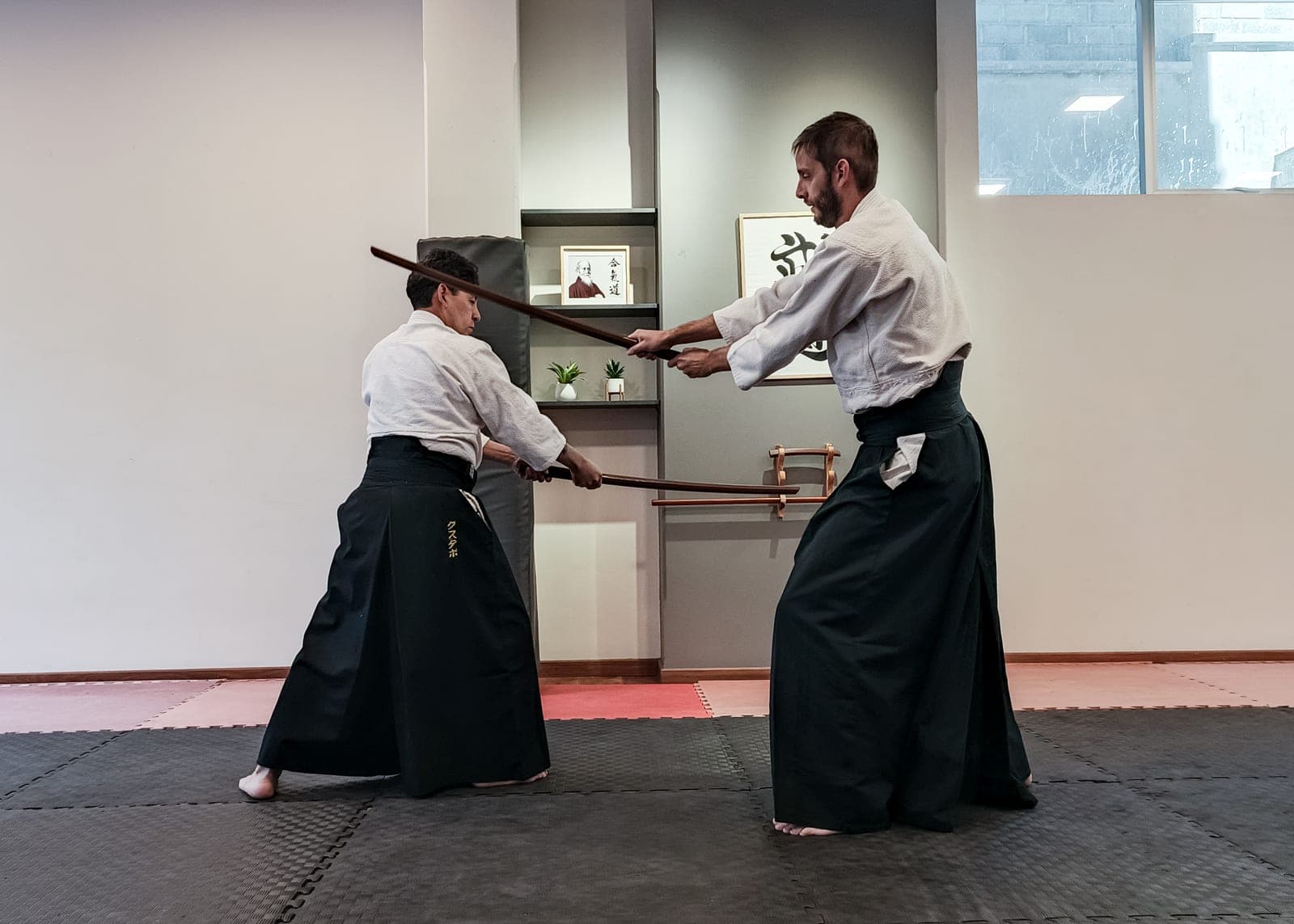
Aikido is a Japanese martial art that focuses on blending with and redirecting an opponent’s motion rather than meeting force with force. Practitioners work in pairs, using flowing movements, throws and joint techniques to neutralise an attack while staying balanced and centred.
It places as much emphasis on composure, breathing and harmony as on technique, which gives it a distinctly mind-body character. Progress comes through cooperative practice under qualified instruction — learning to move smoothly and fall safely rather than through competitive sparring.
Why aikido is good for your health
- Improves balance, coordination and body awareness
- Builds core stability and controlled, flowing movement
- Teaches how to fall and roll safely
- Emphasis on calm breathing supports focus and composure
Physical qualities you’ll build
Aikido is especially good for developing these qualities:
The social side
- Cooperative practice depends on trust between partners
- Dojos foster a respectful, supportive community
- Suited to a wide range of ages practising together
How to start as a beginner
- 1Visit a dojo and watch or join a beginners’ class
- 2Learn to move, pivot and fall safely before techniques
- 3Practise slowly and cooperatively with a patient partner
- 4Focus on relaxed, centred movement rather than force
Equipment you’ll need
- Training uniformEssentialA plain martial arts gi
- A soft mat to train onEssentialProvided at the dojo
- Hakama trousersOptionalOften worn at more advanced levels
- Comfortable base layersOptional
Where to play
Aikido is typically played at:
Explore clubs and venues to understand the different places you can play, or see how to find people to play with.
Playing Aikido
The equipment, rules, skills and more that make up the game — each cross-linked into the encyclopedia.
Related sports to explore
If you enjoy Aikido, you might also like these.
Judo
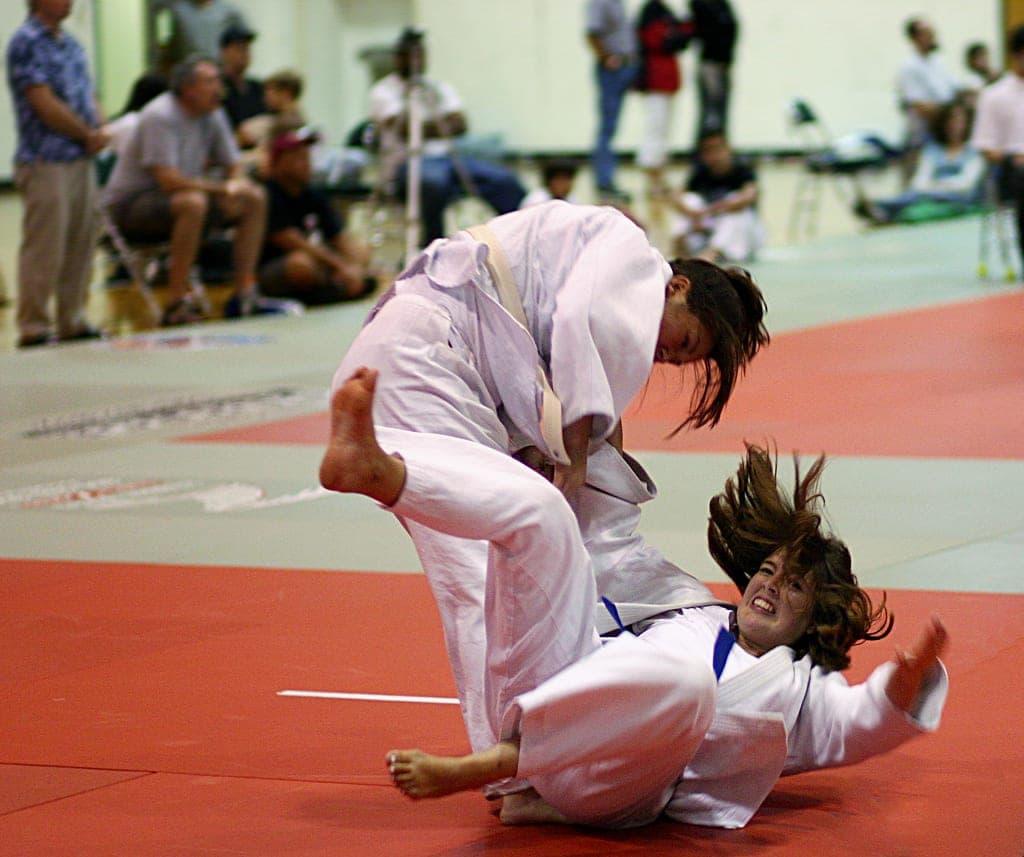
A grappling martial art based on throws, holds and control, practised on mats with a partner.
Karate
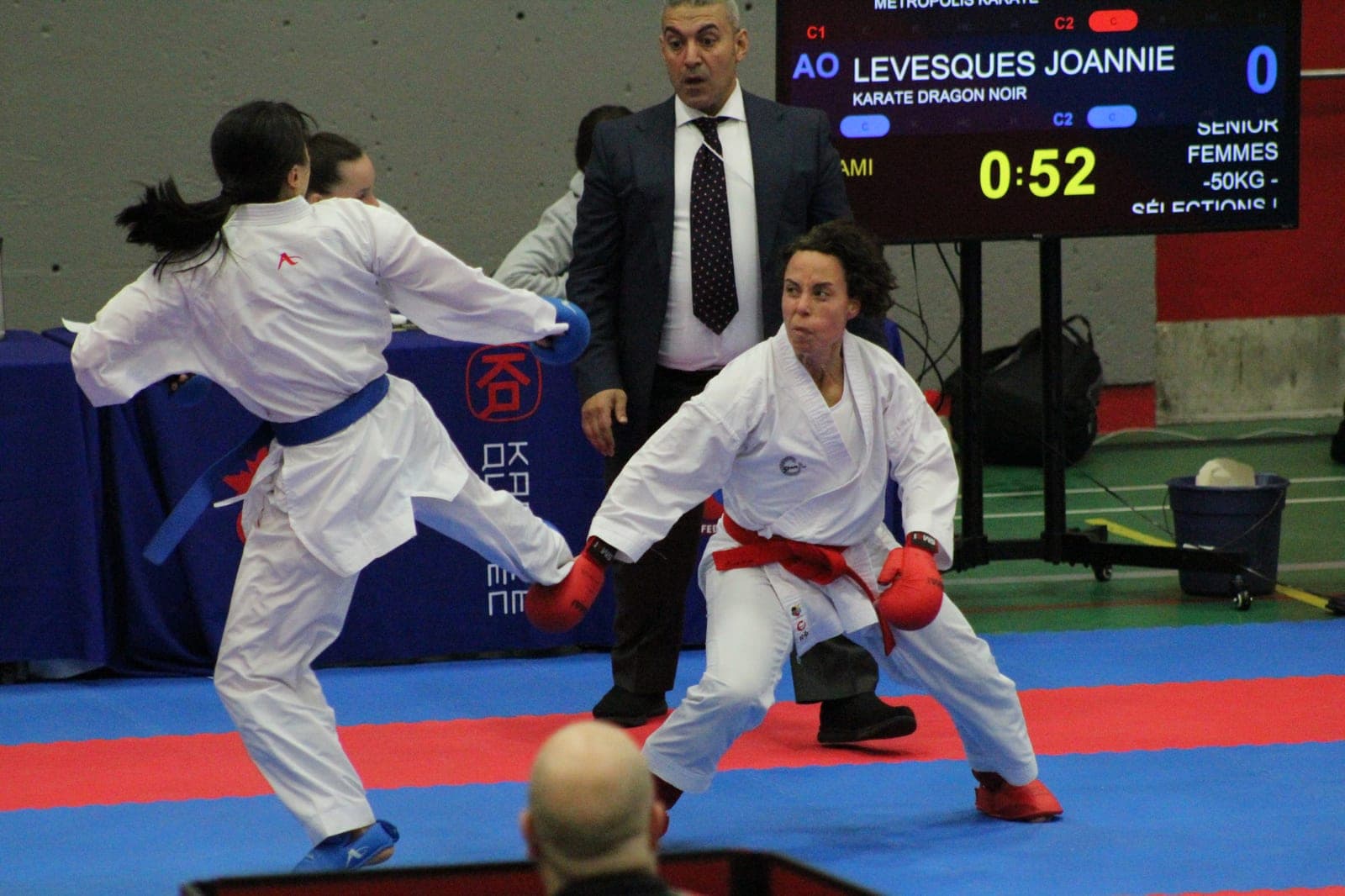
A striking martial art of punches, kicks and forms, structured around steady progression for all ages.
Kendo
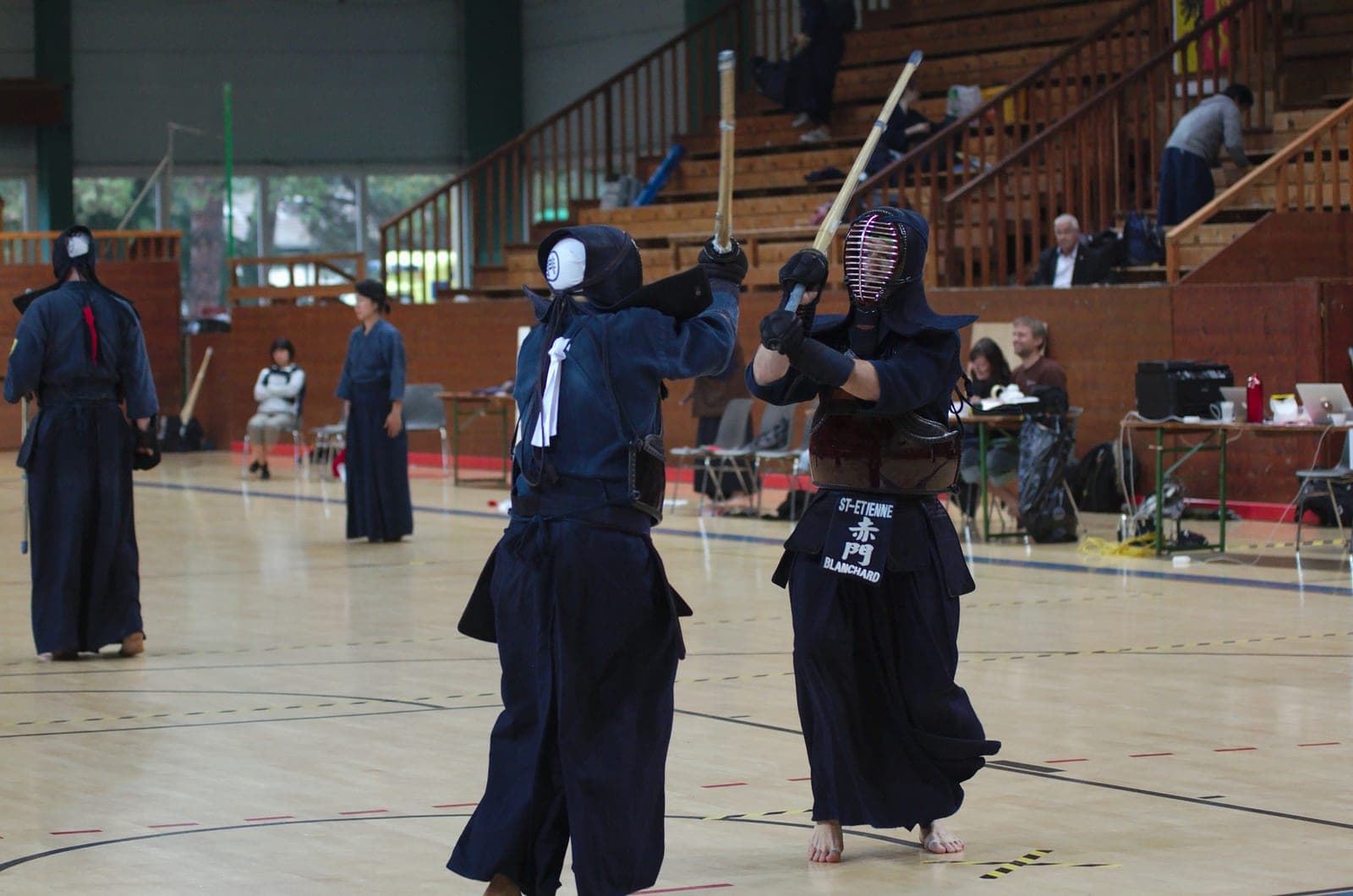
A Japanese martial art of disciplined sword practice using a bamboo sword and protective armour.

Tai Chi
A gentle mind-body practice of slow, flowing movements that builds balance, mobility and calm.
Compare Aikido with…
Deciding between Aikido and something similar? See how they line up side by side.
Aikido vs Judo
How they compare on difficulty, intensity, kit and what suits you.
Aikido vs Karate
How they compare on difficulty, intensity, kit and what suits you.
Aikido vs Kendo
How they compare on difficulty, intensity, kit and what suits you.
Aikido vs Tai Chi
How they compare on difficulty, intensity, kit and what suits you.
How it connects
The meaning-bearing relationships that place Aikido in the wider knowledge graph — each one with the reason it exists.
Alternative to
Comparable enough that people choose between them.
- JudoAikido and Judo are close enough that the platform maintains a side-by-side comparison of them.
- KarateAikido and Karate are close enough that the platform maintains a side-by-side comparison of them.
- KendoAikido and Kendo are close enough that the platform maintains a side-by-side comparison of them.
- Tai ChiAikido and Tai Chi are close enough that the platform maintains a side-by-side comparison of them.
Explore across the knowledge base
Follow the threads that connect Aikido to the rest of SocialSportHub.
Glossary
- GiA gi is the traditional two-piece uniform, worn with a belt, used in several grappling and striking martial arts.
- TatamiThe padded matting that covers the competition and training area in many martial arts.
- Range of MotionThe extent, usually measured in degrees, through which a joint can move between its fully flexed and fully extended positions.
- Mobility DrillA mobility drill is a controlled exercise that moves a joint actively through its range to prepare it for training or improve movement quality.
- PitcherThe player who throws the ball toward the batter to begin each play in baseball and softball.
Go deeper with Aikido
Everywhere else on the platform that covers Aikido — assembled from what actually references it, so nothing here is a dead end.
Compare it
Head-to-head studies against the entities people actually weigh it against.
Kit it out
Equipment guidance drawn from the graph, with no brands and no affiliate links.
Take it away
Open data and the whole-platform view of this subject.
How this page is maintained
- Content type
- Sport
- Provenance
- Tier A — evergreen educational
- Verified external sources
- 0
- Content updated
- 2026-07-06
Evergreen, first-party explanation — it makes no claim that needs an external source. How we handle sources and reviews.
Keep going
A sport is most rewarding alongside good habits, sensible nutrition and people to share it with. Here is where to go next.
How movement supports body and mind.
Eat well to feel and perform better.
Build routines that stick.
Ways to meet others and play together.
Where to play and what to expect.
Browse the full list by category.